Ferry Irwandi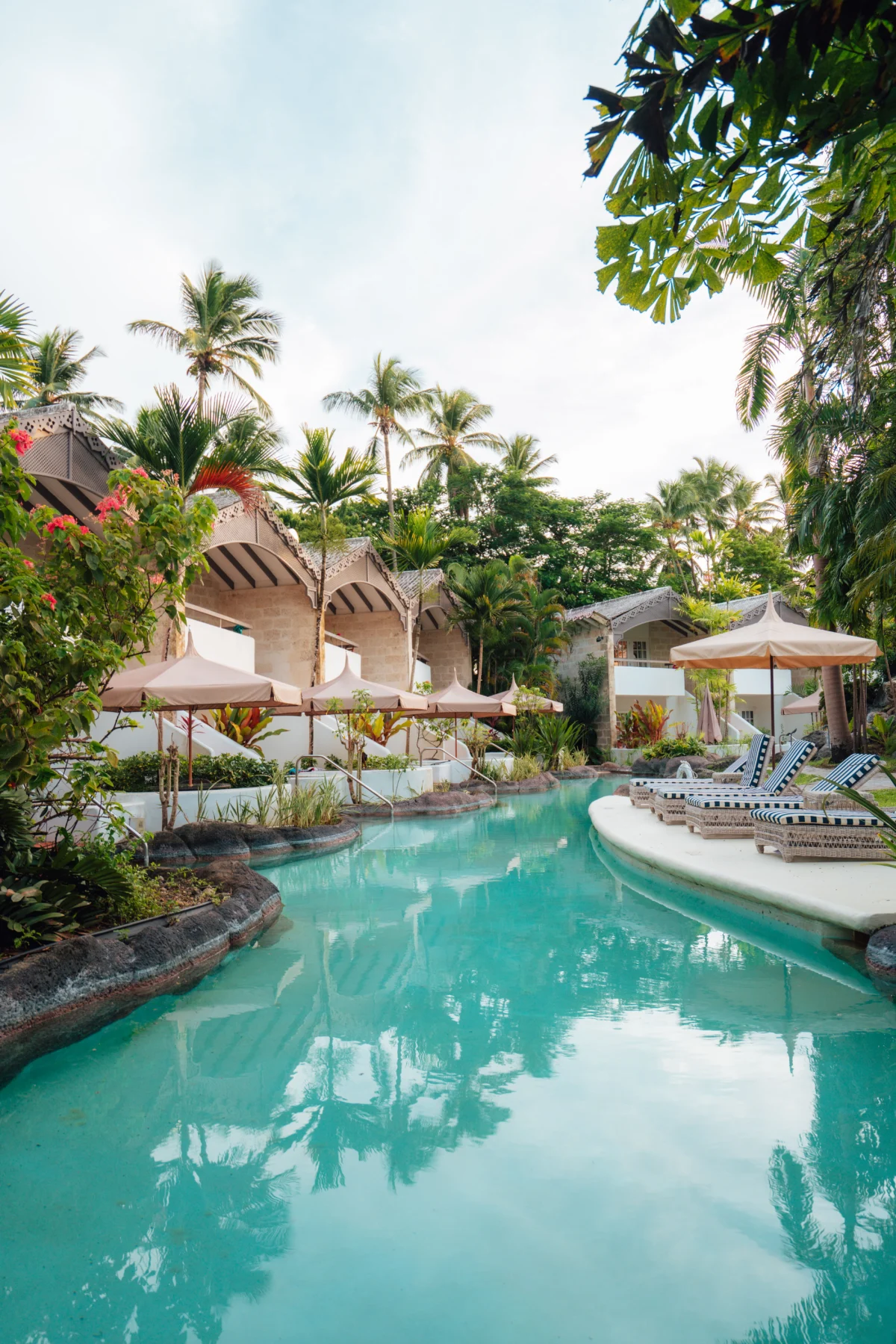
Barbados, a sovereign island nation situated in the Lesser Antilles of the West Indies, continues to solidify its position as a primary anchor of Caribbean tourism, blending a sophisticated hospitality infrastructure with a deep-rooted historical narrative. Spanning just 21 miles in length and 14 miles in width, this coral-based island offers a geographical and cultural diversity that belies its modest size. From the bustling, UNESCO World Heritage-listed streets of Bridgetown to the rugged, Atlantic-facing cliffs of Bathsheba, the nation represents a complex intersection of colonial history, modern luxury, and West African-influenced Caribbean culture. As the global travel industry pivots toward more authentic, experiential offerings, Barbados has successfully navigated the transition from a traditional sun-and-sand destination to a multifaceted cultural hub, attracting a diverse demographic ranging from high-net-worth individuals to eco-conscious surfers and culinary enthusiasts.
The Geographical Divide: West Coast Serenity vs. East Coast Vitality
The tourism profile of Barbados is largely defined by its unique limestone geology and its positioning at the meeting point of the Caribbean Sea and the Atlantic Ocean. This placement creates two distinct coastal experiences that dictate the island’s development and hospitality styles.
The West Coast, often referred to as the "Platinum Coast," is characterized by its calm, turquoise waters and white-sand beaches. This region has historically been the epicenter of the island’s luxury sector. The calm conditions of the Caribbean Sea make it the preferred location for high-end resorts, fine-dining establishments, and luxury villas. Conversely, the East Coast, battered by the untamed power of the Atlantic Ocean, offers a starkly different environment. The waves at Soup Bowl in Bathsheba are world-renowned in the professional surfing community, attracting a more bohemian and adventurous demographic. This "underrated" side of the island remains less developed, focusing on eco-lodges, guest houses, and the preservation of natural landmarks such as the Andromeda Botanic Gardens.
Historical Context and the UNESCO Designation of Bridgetown
Central to the Barbadian identity is its capital, Bridgetown, along with its historic Garrison. In 2011, UNESCO inscribed the site on the World Heritage List, recognizing it as an outstanding example of British colonial architecture and an essential node in the transatlantic trade network. Unlike many Caribbean capitals that were built on a grid system by Spanish or French colonialists, Bridgetown features a serpentine street layout that reflects medieval English urban planning.

The city serves as a living museum, where independent retailers and traditional Bajan markets coexist with historic structures. This cultural depth provides a necessary counterpoint to the island’s resort culture. The presence of the Parliament Buildings—the third oldest in the Commonwealth—and the historic Jewish Synagogue, one of the oldest in the Western Hemisphere, underscores the island’s role as a historical crossroads. For the modern traveler, these sites offer an "insider" experience that moves beyond the confines of the hotel beach, providing context to the Bajan spirit and the resilience of a nation that transitioned to a parliamentary republic in 2021.
The Hospitality Sector: From Country Club Legacies to Minimalist Boutiques
The Barbadian hotel industry is currently undergoing a period of significant diversification. For decades, the island was synonymous with a specific brand of "old world" luxury—family-owned properties characterized by pillared architecture, formal dress codes for dinner, and a lifestyle centered around country club activities like golf, polo, and cricket. These "pillared legends" continue to thrive, maintaining a loyal clientele that values privacy, personalized service, and a sense of continuity.
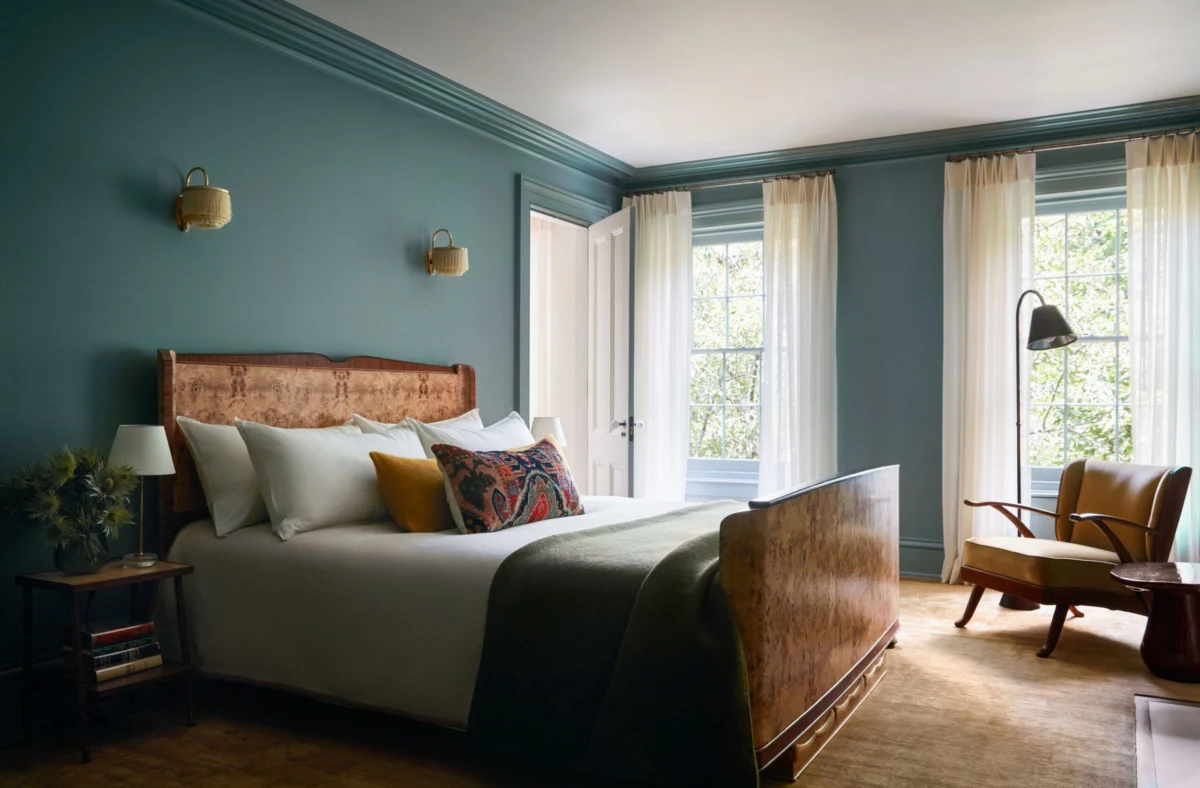
However, a new wave of development is challenging this traditional model. A shift toward minimalist design and "barefoot luxury" is evident in a cluster of new boutique hotels. These properties often emphasize local craftsmanship, creative Creole-inspired menus, and a more relaxed atmosphere where calypso music replaces the hushed tones of traditional dining rooms.
Furthermore, the rise of the all-inclusive model has reshaped certain sectors of the coast. While some critics argue that all-inclusive resorts can insulate tourists from the local economy, Barbadian officials have worked to ensure that these properties integrate local culture and sourcing into their operations. This tiered hospitality landscape allows Barbados to compete across multiple price points, from the ultra-luxury Sandy Lane estates to more accessible family-oriented resorts and private villas.
Culinary Heritage and the Economic Impact of Rum
Barbados is frequently cited as the "Culinary Capital of the Caribbean," a title supported by the annual Barbados Food and Rum Festival. The island’s gastronomic identity is a fusion of African, Portuguese, Indian, and British influences. The prolific presence of roadside rum shacks—estimated to number over 1,500—serves as a testament to the island’s claim as the birthplace of rum. Mount Gay Distilleries, established in 1703, is recognized as the oldest commercial rum distillery in the world.

The rum industry is not merely a tourist attraction but a vital pillar of the national economy. Export data suggests that Barbadian rum remains a high-value commodity in international markets. Domestically, the "rum shop" culture facilitates social cohesion, acting as a community hub where locals and visitors interact over plates of flying fish and cou-cou, the national dish. The integration of this culinary heritage into the tourism product has proven successful in extending the visitor experience beyond the coastal resorts and into the heart of Bajan communities.
Tourism Data and Economic Analysis
Tourism remains the primary driver of the Barbadian economy, contributing significantly to the Gross Domestic Product (GDP) and providing employment for a substantial portion of the workforce. According to data from the Barbados Tourism Marketing Inc. (BTMI), the island has seen a robust recovery in arrival numbers following the global disruptions of 2020-2022.
The United Kingdom remains the island’s largest source market, followed by the United States and Canada. Seasonal trends indicate that the "dry season," spanning from December to April, sees the highest occupancy rates and peak pricing. This period coincides with the "festive season," where the island becomes a global destination for New Year’s Eve celebrations. However, the government has been proactive in promoting the "shoulder seasons" through events like the Crop Over Festival—a traditional harvest celebration culminating in the Grand Kadooment Day parade—to ensure a more consistent year-round economic flow.
Timeline of Barbadian Development and Tourism Evolution
- 1627: English settlement begins at Holetown, leading to the development of a sugar-based economy.
- 1703: Mount Gay Distilleries begins commercial production, establishing the island’s rum heritage.
- 1966: Barbados gains independence from the United Kingdom.
- 1970s-1980s: The "Platinum Coast" emerges as a global luxury destination, with the opening of several iconic hotels.
- 2011: Bridgetown and its Garrison are designated a UNESCO World Heritage site.
- 2020: The Barbados Welcome Stamp is introduced, a pioneer digital nomad visa allowing visitors to live and work remotely on the island for a year, diversifying the tourism demographic.
- 2021: Barbados officially becomes a republic, removing the British monarch as head of state, signaling a new era of national identity.
- 2023-2024: Renewed focus on sustainability and eco-tourism, with increased investment in botanical gardens and marine protected areas.
Official Responses and Sustainability Initiatives
Government officials and tourism stakeholders have increasingly emphasized the importance of sustainability in maintaining the island’s appeal. The Ministry of Tourism and International Transport has launched several initiatives aimed at coral reef restoration and the reduction of single-use plastics. Given that Barbados is a coral island, the health of the surrounding reefs is inextricably linked to the protection of its white-sand beaches.
In statements regarding the future of the industry, Barbadian tourism leaders have highlighted the need for "quality over quantity." The focus is on attracting visitors who are willing to engage with the local culture and contribute to the economy in a meaningful way. "We are not just selling a room; we are selling an experience of our people, our history, and our environment," a representative from the BTMI noted in a recent industry forum. This sentiment is reflected in the rigorous selection process for hotel recommendations, where journalists and editors now prioritize properties with strong sustainability credentials and authentic ties to the community.

Broader Implications for the Caribbean Region
The Barbadian model of tourism serves as a case study for other Caribbean nations. By successfully balancing the demands of high-end luxury with the preservation of cultural integrity, Barbados has managed to avoid the "homogenization" that plagues many tropical destinations. The island’s ability to leverage its history—not just as a backdrop, but as a primary attraction—has created a resilient brand.
As climate change poses an existential threat to low-lying islands, Barbados’ proactive stance on environmental protection and its shift toward a more diversified, republic-led identity provide a blueprint for modern Caribbean governance. The transition of the hospitality sector toward more creative, localized offerings suggests that the future of Caribbean travel lies in depth rather than just distance. For the traveler, Barbados remains a destination where "languorous afternoons" on the beach are merely the starting point for a much deeper exploration of West Indian life. In conclusion, whether through the lens of a family-owned country club legend or a minimalist boutique, Barbados continues to offer a sophisticated blend of heritage and hospitality that secures its place at the forefront of global tourism.