Ferry Irwandi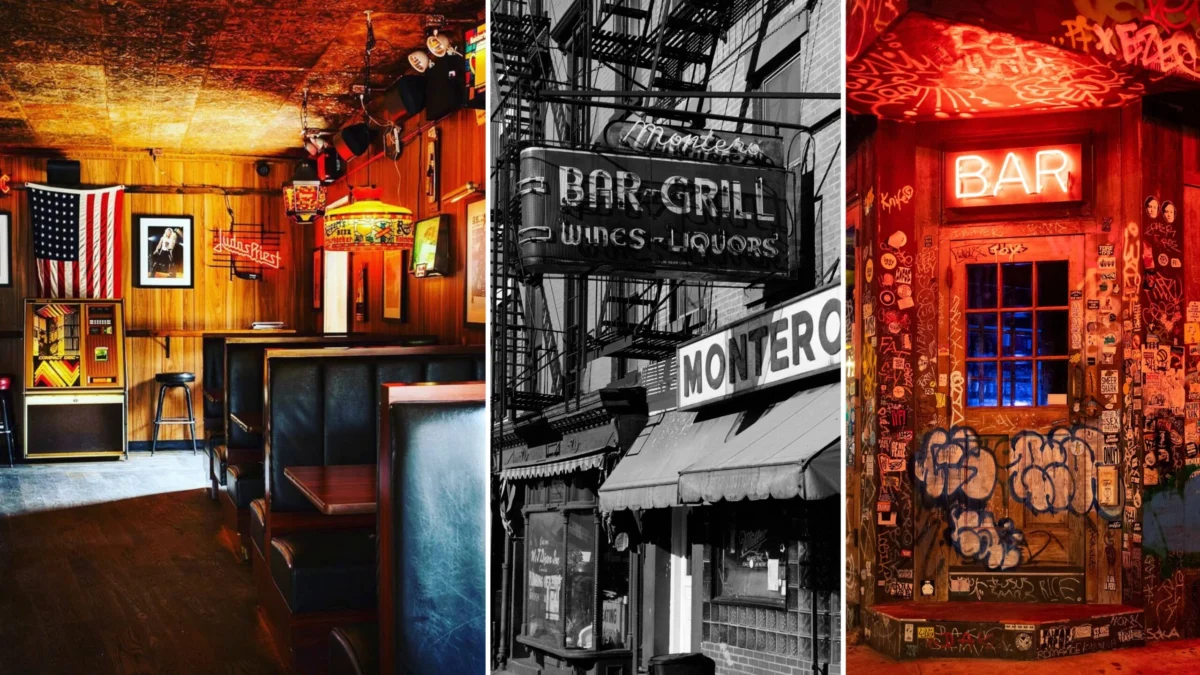
The hospitality industry in New York City is often characterized by its high-end cocktail lounges, rooftop vistas, and Michelin-starred establishments, yet a significant segment of the city’s cultural and social fabric remains rooted in the traditional "dive bar." These establishments, defined by their unpretentious atmospheres, affordable pricing, and historical longevity, serve as critical "third spaces" for residents across the five boroughs. While the term "dive" was once used pejoratively, it has evolved into a badge of authenticity in an era of rapid gentrification and commercial homogenization. From the maritime corridors of Red Hook to the neon-lit streets of Midtown, these bars represent a defiant preservation of local history, providing communal hubs where the socioeconomic barriers often found in New York’s nightlife are notably absent.

The Historical Evolution of the New York City Watering Hole
The chronology of New York’s dive bar scene is a testament to the city’s resilience. Many of the most celebrated establishments date back decades, surviving economic downturns, changes in liquor laws, and the catastrophic impact of the COVID-19 pandemic. Sunny’s Bar in Red Hook, for instance, has functioned as a neighborhood anchor since 1890. Originally serving the longshoremen and sailors of the Brooklyn waterfront, it remains a singular example of 19th-century maritime social architecture. Similarly, Montero Bar & Grill on Atlantic Avenue has maintained its nautical aesthetic and communal atmosphere since 1939, recently transitioning to new ownership under the hospitality group Crew, marking a rare instance where a legacy establishment is preserved rather than shuttered during a sale.
In Manhattan, the Blue & Gold Tavern has occupied its East 7th Street location since 1958. Its history is inextricably linked to the Ukrainian immigrant community of the East Village, a heritage reflected in its name and enduring patronage. The 1960s and 70s saw the birth of other icons, such as the Stonewall Inn in 1967—the site of the 1969 riots that catalyzed the modern LGBTQ+ rights movement—and Jimmy’s Corner in 1971, founded by the late boxing trainer Jimmy Glenn. These venues are not merely places of commerce; they are repositories of the city’s political and social transformations.

Economic Pressures and the Battle for Preservation
Despite their cultural value, New York City dive bars face unprecedented economic challenges. Rising commercial rents and the expiration of long-term leases have placed several historic venues in jeopardy. A prominent example is Jimmy’s Corner in Midtown. Located in one of the most expensive real estate corridors in the world, the bar is currently embroiled in a struggle for survival as the building’s owners seek to terminate its presence. The defense of such spaces often falls to the children of the original founders, such as Jimmy Glenn’s son, who continues to manage the establishment amidst mounting development pressure.
Data from the New York State Liquor Authority indicates a steady fluctuation in the number of active "on-premises" liquor licenses, but the specific subset of independent, low-margin dive bars is particularly vulnerable to market shifts. The "dive bar" business model relies on high volume and low overhead, a strategy that is increasingly difficult to maintain as property taxes and utility costs rise. Consequently, the survival of these bars often depends on community advocacy and, in some cases, landmark status.

Regional Profiles: The Social Fabric of the Boroughs
The character of a dive bar is frequently a reflection of its immediate neighborhood. In the West Village, establishments like Barrow’s Pub and Kettle of Fish provide a stark contrast to the high-rent boutiques of the area. Barrow’s Pub, located on Hudson Street, is noted for its adherence to a cash-only policy and its role as a sanctuary for local sports fans. Kettle of Fish, situated on Christopher Street, maintains a basement-level intimacy that has historically attracted the city’s literary and artistic circles.
In Brooklyn, the dive bar scene has seen a migration toward the northern and eastern neighborhoods. In Williamsburg, Rocka Rolla and The Levee serve as remnants of the neighborhood’s industrial and "slacker" past. Rocka Rolla is distinguished by its large-format cocktails and rock-and-roll aesthetic, while The Levee is recognized for its "Frito Pie" and free snacks, a hallmark of traditional dive bar hospitality. Further east, in Bed-Stuy, Do or Dive and Coyote Club represent the "modern dive"—establishments that utilize vintage aesthetics and communal outdoor spaces to foster neighborhood cohesion. Do or Dive, in particular, has become a destination for its frozen coffee cocktails, a trend that has spread to sister establishments across the borough.

The Intersection of Culture and Media
The cultural footprint of these establishments often extends beyond their physical walls through media representation. Alligator Lounge in Williamsburg gained national attention following its appearance in the television series The Rehearsal, directed by Nathan Fielder. The bar’s unique offering—a free personal pizza with every drink purchase—highlighted the creative ways in which dive bars maintain value for their patrons.
Similarly, the Stonewall Inn’s designation as a National Historic Landmark in 2016 by the Obama administration solidified its status as a site of global significance. This intersection of local grit and national recognition provides a layer of protection against the forces of urban redevelopment, though it also brings an influx of tourism that can alter the original "local" feel of the venue.

Supporting Data and Industry Trends
The resilience of the dive bar can be partially explained by shifting consumer preferences. Market research suggests that while younger demographics (Millennials and Gen Z) are drinking less alcohol on average than previous generations, they show a marked preference for "authentic" and "experiential" environments over polished, corporate hospitality.
- Affordability: In a city where the average price of a cocktail now exceeds $18, dive bars offering "beer and a shot" specials for under $10 remain essential for students, service workers, and lower-income residents.
- Community Engagement: Many dive bars, such as Banter Bar in Williamsburg, have pivoted to niche programming, such as European football screenings and trivia nights, to ensure steady foot traffic during off-peak hours.
- Food Innovation: While traditional dives offered little more than a bag of chips, modern iterations like Fish Market in the Financial District have integrated high-quality, family-recipe Malaysian cuisine into their offerings, proving that low-frills environments can coexist with culinary excellence.
Official Responses and Public Sentiment
While there is no formal "Office of Dive Bar Preservation" in the New York City government, various local officials have voiced support for the protection of small businesses that define neighborhood character. Community Boards often weigh the historical significance of a venue when reviewing license renewals or noise complaints. Public sentiment remains overwhelmingly in favor of these establishments; crowdfunding efforts for bars like Dynaco, which suffered fire damage, often see rapid and substantial contributions from the local population.

The loss of a dive bar is frequently mourned in local media as a loss of "soul" for the neighborhood. When a long-standing establishment closes, it is often replaced by high-end residential units or bank branches, contributing to a phenomenon urban sociologists describe as "retail blight," where high rents lead to vacant storefronts that only corporate entities can eventually afford.
Broader Impact and Implications
The continued existence of the New York City dive bar is a barometer for the city’s overall health as a diverse and inclusive metropolis. These bars serve as equalizing spaces where the city’s disparate populations—from Financial District executives to Bushwick artists—interact. The "singular patina" of a place like 169 Bar on the Lower East Side, which has operated since 1916, cannot be replicated by modern design firms.

As New York City continues to evolve in the post-pandemic era, the dive bar stands as a critical link to the past and a necessary component of the future urban landscape. Their survival hinges on a complex interplay of sympathetic land ownership, community loyalty, and a regulatory environment that recognizes the difference between a multinational chain and a family-owned tavern. For the residents who frequent them, these bars are not merely "dives"; they are the living rooms of a city where private space is a luxury and public camaraderie is a necessity. The "cheap thrill" of a Miller High Life or a shared game of pool at a place like The Anchored Inn or Blue & Gold Tavern remains one of the few accessible experiences in an increasingly expensive city, ensuring that as long as there are New Yorkers in search of community, there will be a neon sign lighting the way to a sticky-floored sanctuary.