Prabowo Widodo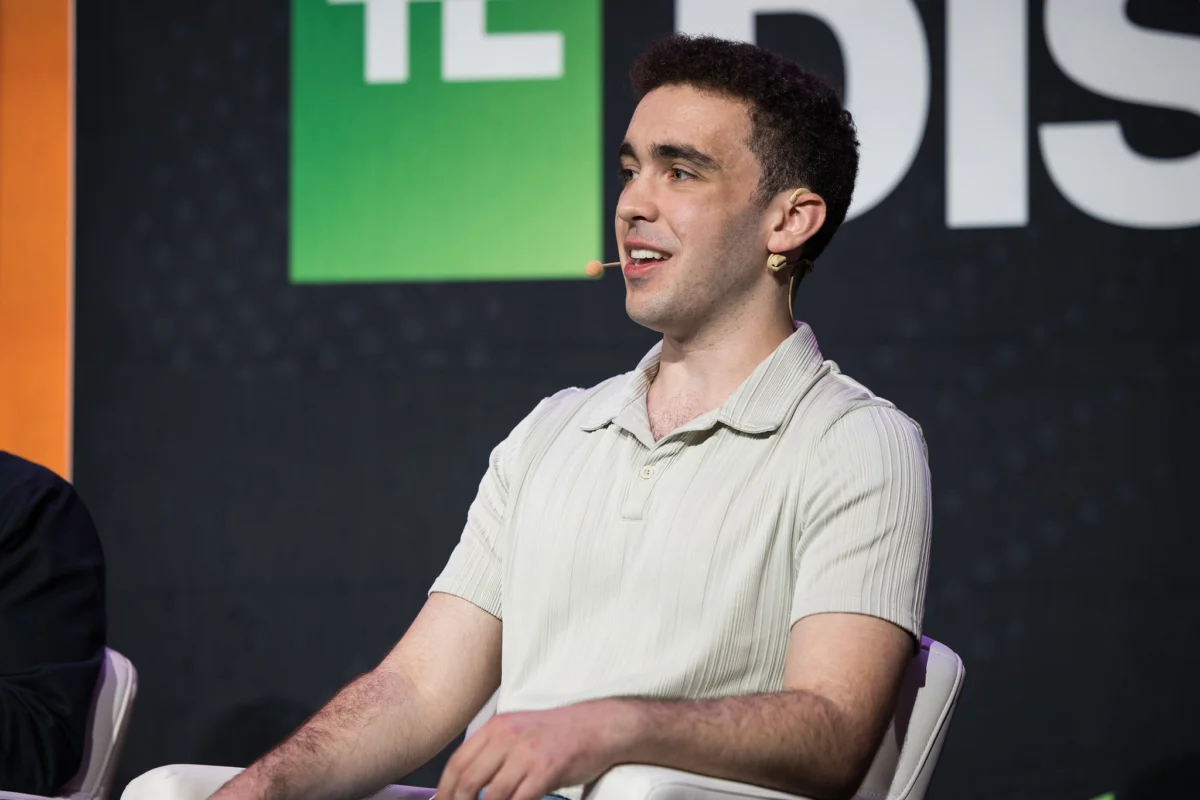
The anonymous social platform, Fizz, initially a phenomenon on North American college campuses, is strategically shifting its focus to become a generational social product rather than solely a college-centric application. This pivotal transition is spearheaded by the introduction of its "Global Fizz" feed, designed to welcome a broader user base beyond university affiliations and establish location-based communities. The app, which allows users the option of posting with a handle or maintaining complete anonymity, achieved a remarkable debut in Saudi Arabia, quietly launching in mid-March and quickly ascending to the top of the App Store charts. Within 48 hours, Fizz claimed the No. 1 overall spot and has since maintained its position as the No. 1 app in the news category, according to founder and CEO Teddy Solomon. This rapid adoption is further evidenced by the astonishing statistic of over 1 million messages exchanged by Fizz users in the region within a single week, signaling a potent resonance with the local digital populace.
Fizz’s Evolution: From Campus Phenomenon to Global Ambition
Founded in 2022 by Teddy Solomon and Ashton Cofer, both former Stanford students who eventually dropped out to pursue their venture, Fizz rapidly gained traction in the competitive social media landscape. The app secured $40 million in funding and successfully launched on 700 college campuses across the United States, cultivating a niche for anonymous, hyper-local discussions among students. This initial success validated the demand for a platform where users could express themselves freely, without the direct attribution often associated with mainstream social media. The inherent appeal of anonymity, coupled with the ability to discuss campus-specific issues and experiences, created a vibrant, if sometimes controversial, digital space.
The strategic pivot to a broader, global audience was not an impulsive decision but a calculated move to scale beyond the confines of academic institutions. Solomon articulated this vision, stating, "We’ve always known that our big goal is to be a generational social product, rather than a college social app, and now we’re finally executing on it." This expansion is critical for Fizz to sustain growth and compete with established social media giants. The "Global Fizz" feed represents the company’s answer to this challenge, offering a similar, but distinct, experience to platforms like Reddit’s main feed. While it provides location-based communities and the option for anonymity, it currently lacks the granular, topic-specific communities (akin to subreddits) that characterize Reddit, suggesting a more fluid and less siloed user experience. The company had previously kept its international expansion plans under wraps, making the Saudi Arabian launch a significant and highly anticipated revelation.
The Unforeseen Success in Saudi Arabia
The decision to launch in Saudi Arabia as its first overseas market was informed by observations and strategic groundwork. Solomon’s attendance at a conference in Dubai provided early insights into the burgeoning digital landscape and the potential for Fizz’s model in the Middle East. Following this, Fizz dispatched marketing analyst Michael Fonseca to Saudi Arabia to conduct on-the-ground research, forge local connections, and gain a deeper understanding of the cultural nuances. This preparatory phase proved invaluable, as Fonseca was "welcomed with open arms," laying a crucial foundation for the app’s successful entry.
The immediate and overwhelming success of Fizz in Saudi Arabia underscores a significant appetite for new social platforms in the region. The rapid climb to the top of the App Store charts and the sustained high engagement metrics suggest that Fizz tapped into an underserved demand. Solomon characterized the country as "jumping right now," with "business booming" and a "social scene and social landscape booming." He highlighted the immense popularity of other social applications in the region, including Snapchat, WhatsApp, and TikTok, indicating a highly active and digitally literate population receptive to social media innovation. This vibrant digital ecosystem provided fertile ground for Fizz to quickly establish a foothold.
Saudi Vision 2030: A Nation in Transition
The backdrop to Fizz’s successful entry is Saudi Arabia’s ambitious national transformation program, "Saudi Vision 2030." Launched in 2016 by Crown Prince Mohammed bin Salman, this comprehensive plan aims to fundamentally reshape the kingdom’s economy and societal structure, primarily by diversifying away from its historical dependence on oil revenues. A key pillar of Vision 2030 is the modernization of the country’s image and a concerted effort to foster technological advancement and innovation.
This modernization drive has led to significant societal reforms, such as women gaining the legal right to drive in 2018, a change that profoundly impacted daily life and public perception. Economically, the Kingdom has aggressively pursued investments in Western technology companies, including substantial stakes in giants like Google and Uber, signaling a clear intent to become a global tech player. More recently, the crown prince unveiled Humain, a state-funded artificial intelligence company, further cementing Saudi Arabia’s commitment to becoming a leader in emerging technologies. These initiatives create an environment that, on the surface, appears highly conducive to the growth of tech companies and social media platforms. The government’s push for digital transformation and youth engagement through various initiatives could inadvertently create space for platforms like Fizz to thrive, as young Saudis, a significant demographic, seek new avenues for digital interaction and expression.

Navigating the Complexities: Anonymity and State Oversight
Despite the visible modernization and economic reforms, Saudi Arabia remains an absolute monarchy, characterized by strict controls and the suppression of free speech. This presents a unique and formidable challenge for an anonymous social app like Fizz. The stark reality of the kingdom’s legal framework is exemplified by cases such as that of Manahel al-Otaibi, a women’s rights activist sentenced to 11 years in prison in 2024 for "terrorist offenses" related to her online activity, including tweeting about women’s rights and posting photos on Snapchat without a traditional abaya, as documented by Amnesty International.
Operating within such an environment means Fizz must navigate a precarious balance. The monarchy possesses the authority to monitor digital communications, demand the removal of content deemed offensive or subversive, and even prosecute individuals based on their online posts. This creates an inherent tension with the core premise of an anonymous social app, where users expect a degree of freedom from direct repercussions for their expressions. When confronted with the hypothetical scenario of government demands for user data or content removal, Solomon’s response was candid: "[we will] cross that bridge when we get there." He added, however, that Fizz has "a lot of confidence in our guidelines. We are moderating very strictly and in a way that is satisfying people in the region and making sure that we’re abiding by the rules of the region and rules of the country." This statement reflects both an acknowledgment of potential future challenges and a present commitment to compliance.
Fizz’s Moderation Strategy: Cultural Nuance and Technological Investment
To address the intricate moderation challenges in Saudi Arabia, Fizz has made substantial investments in sophisticated content moderation tools, specifically focusing on Arabic natural language processing (NLP). This technological backbone is crucial for effectively monitoring and filtering content in a culturally and politically sensitive context. Beyond AI, Fizz has adopted a community-centric approach by onboarding "hundreds" of volunteer moderators from the Saudi Arabian Fizz community itself. This strategy mirrors their successful model in college communities, where AI tools are supplemented by volunteer moderators who possess an intimate understanding of local cultural nuances and contextual subtleties.
Solomon emphasized the commitment and pride exhibited by these volunteer moderators, noting, "There’s a lot of care for their community. There’s a lot of pride in their country, a lot of pride in the city that they live in, and they like the platform. They want to keep the platform safe, and they take a lot of honor in doing so." This localized moderation approach is designed to ensure that content adheres to both Fizz’s global guidelines and the specific cultural and legal sensitivities of Saudi Arabia. The involvement of local community members in moderation decisions can help to navigate the fine line between free expression and objectionable content, as defined by local standards. Fizz has also stated that it has not received any investment from Saudi Arabian entities and has not engaged in direct communication with any members of the Saudi government, reinforcing its independent operational stance.
Implications and Future Outlook
Fizz’s successful entry into Saudi Arabia carries significant implications, not just for the company but for the broader landscape of anonymous social media and international tech expansion. For Fizz, it validates the potential for its model beyond its initial campus niche and provides a blueprint for future international growth. The high engagement metrics suggest that the desire for anonymous online interaction is not confined to Western youth but is a global phenomenon, even in environments with stricter controls.
However, the ethical and operational complexities of maintaining an anonymous platform in an authoritarian state cannot be overstated. The "cross that bridge when we get there" approach, while practical in the short term for rapid market entry, highlights a critical, unresolved challenge. The core tension between user anonymity (and the implied freedom of expression) and state surveillance remains. How Fizz will respond if directly confronted with demands from the Saudi government for user data or content censorship will be a defining moment for the company’s integrity and its commitment to its users’ privacy. This situation will undoubtedly be closely watched by human rights organizations, privacy advocates, and other tech companies considering similar expansions.
The success of Fizz in Saudi Arabia also speaks to the ongoing digital transformation within the Kingdom and the youth demographic’s eagerness for new forms of social interaction. As Saudi Vision 2030 progresses, the country’s integration into the global tech ecosystem will likely deepen, presenting both immense opportunities and complex challenges for international companies. Fizz’s experience serves as a case study in navigating these waters, demonstrating that while rapid market penetration is achievable, the long-term sustainability and ethical responsibilities require continuous vigilance, adaptive strategies, and a profound understanding of the local socio-political context. The company’s journey in Saudi Arabia is thus not merely a business expansion but a crucial test of how anonymous social media can thrive, or indeed survive, in a world of diverse governance and cultural norms.