Johny Marice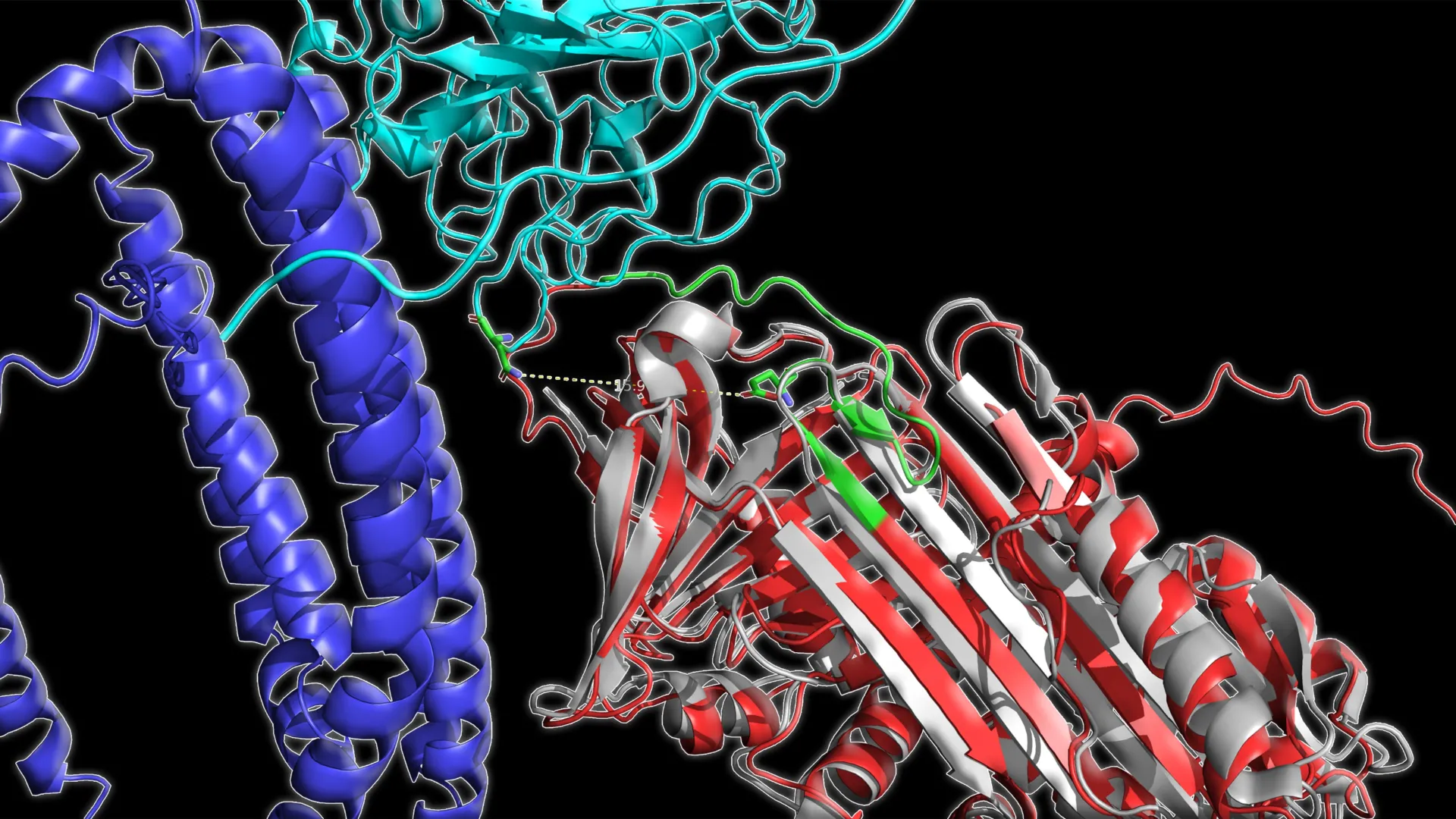
An estimated 7.2 million Americans aged 65 and older are currently living with Alzheimer’s disease, a figure that underscores the profound public health challenge posed by this neurodegenerative condition. For decades, the diagnosis of Alzheimer’s has largely relied on identifying the presence and quantity of specific proteins in the cerebrospinal fluid or blood – primarily amyloid-beta (Aβ) and phosphorylated tau (p-tau). While these biomarkers have been instrumental in advancing research and clinical understanding, a growing consensus among scientists suggests they may not capture the very earliest, subtle biological shifts that herald the onset of the disease. This diagnostic limitation has been a significant hurdle in the quest for timely intervention, as effective treatments are believed to be most impactful when administered before substantial neuronal damage occurs.
However, a groundbreaking development from researchers at Scripps Research is poised to transform the landscape of Alzheimer’s diagnostics. In findings published on February 27, 2026, in the prestigious journal Nature Aging, the scientific team unveiled a novel blood test that shifts the diagnostic paradigm from quantifying protein levels to analyzing their structural integrity within the bloodstream. This innovative approach has demonstrated a remarkable ability to identify distinct structural alterations in three key plasma proteins, which are strongly correlated with an individual’s Alzheimer’s status. The study’s success in accurately differentiating between cognitively normal individuals, those with mild cognitive impairment (MCI), and patients diagnosed with Alzheimer’s disease signals a potential breakthrough for earlier and more precise diagnosis, paving the way for more effective therapeutic strategies.
The genesis of this research stems from a fundamental understanding of neurodegenerative diseases. As articulated by senior author John Yates, a distinguished professor at Scripps Research, "Many neurodegenerative diseases are driven by changes in protein structure. The question was, are there structural changes in specific proteins that might be useful as predictive markers?" This central inquiry guided the team’s exploration into the intricate world of protein folding and its potential as a diagnostic tool for Alzheimer’s.
Unraveling the Mystery of Proteostasis and Alzheimer’s
For many years, the pathological hallmarks of Alzheimer’s disease have been inextricably linked to the accumulation of amyloid plaques and tau tangles within the brain. These abnormal protein aggregates are considered central players in the cascade of neuronal dysfunction and death characteristic of the disease. However, contemporary scientific thought is increasingly pointing towards a more systemic failure in a crucial cellular process known as proteostasis.
Proteostasis refers to the complex biological machinery responsible for ensuring that proteins within cells are correctly folded into their functional three-dimensional shapes and that misfolded or damaged proteins are efficiently cleared. This delicate balance is essential for cellular health and function. As individuals age, the efficiency of the proteostasis system naturally declines. This decline makes proteins more susceptible to misfolding during their synthesis or during routine cellular maintenance processes. The hypothesis underpinning the Scripps Research study is that if the proteostasis system is disrupted in the brain, leading to the formation of misfolded proteins associated with Alzheimer’s, then similar structural anomalies might also manifest in proteins circulating throughout the body, detectable in the blood.
A Deep Dive into Blood Protein Structure
To test this compelling hypothesis, the research team embarked on a comprehensive analysis of plasma samples collected from a diverse cohort of 520 participants. This cohort was meticulously divided into three distinct groups: cognitively normal adults, individuals diagnosed with mild cognitive impairment (MCI), and patients with a confirmed diagnosis of Alzheimer’s disease. MCI is often considered a transitional stage between normal aging and dementia, characterized by subtle cognitive changes that are noticeable to the individual and their family but do not significantly impair daily life.
The researchers employed advanced mass spectrometry techniques to meticulously examine the plasma samples. This powerful analytical tool allowed them to probe the structural characteristics of proteins by assessing the accessibility of specific amino acid residues. Essentially, they were able to determine which parts of a protein were exposed to the surrounding environment (indicating a more "open" structure) and which were tucked away internally (suggesting a more "closed" or stable conformation). Changes in these exposure patterns are direct indicators of alterations in protein folding and overall structure.
Following the structural analysis, the team harnessed the power of machine learning algorithms. These sophisticated computational tools were trained to identify intricate patterns within the structural data that could be linked to the different stages of Alzheimer’s disease. By feeding the machine learning models the structural profiles of proteins alongside the known diagnostic status of the participants, the researchers aimed to uncover predictive signatures of the disease.
Revealing a Clear Pattern of Structural Deviation
The results of this rigorous analysis yielded a striking and consistent pattern. As Alzheimer’s disease progressed from normal cognition through MCI to a full Alzheimer’s diagnosis, specific blood proteins exhibited a clear trend towards becoming less structurally "open." These observed structural modifications proved to be far more informative for discerning the stage of the disease than simply measuring the absolute concentration of these proteins, which is the basis of current biomarker tests. This finding is particularly significant, as it suggests that the functional integrity and conformational state of proteins, rather than their mere quantity, may hold the key to early and accurate Alzheimer’s detection.
Three Proteins Emerge as Key Indicators of Alzheimer’s Progression
Among the multitude of proteins analyzed in the plasma samples, three stood out for their exceptionally strong correlation with Alzheimer’s disease status. These proteins are:
- C1QA (Complement C1q A Chain): This protein is a crucial component of the complement system, an integral part of the immune system that plays a role in inflammation and the clearance of cellular debris. Dysregulation of the complement system has been implicated in neuroinflammation, a process that is increasingly recognized as a significant contributor to Alzheimer’s pathogenesis.
- Clusterin: This protein is a ubiquitous chaperone molecule involved in a variety of biological processes, including protein folding, lipid transport, and the clearance of aggregated proteins, including amyloid-beta. Its role in amyloid removal makes it a particularly interesting candidate in the context of Alzheimer’s.
- Apolipoprotein B (ApoB): ApoB is the primary protein component of low-density lipoproteins (LDLs), often referred to as "bad cholesterol." It plays a critical role in transporting fats throughout the bloodstream and is essential for the structural integrity of blood vessels. Growing evidence suggests a link between vascular health, cholesterol metabolism, and the risk and progression of Alzheimer’s disease.
The profound correlation between structural changes in these three proteins and Alzheimer’s disease status was met with considerable excitement by the research team. Co-author Casimir Bamberger, a senior scientist at Scripps Research, remarked on the exceptional nature of their findings: "The correlation was amazing. It was very surprising to find three lysine sites on three different proteins that correlate so highly with disease state." Lysine sites are specific amino acid residues within a protein that can be involved in various structural and functional aspects.
The researchers developed a model based on these structural changes at specific sites within C1QA, clusterin, and apolipoprotein B. This model demonstrated impressive accuracy in classifying participants. When distinguishing between the three main groups (cognitively normal, MCI, and Alzheimer’s), the overall accuracy of the test was approximately 83%. The accuracy further escalated when comparing just two groups directly, for instance, between healthy individuals and those with MCI, reaching over 93%. This level of precision suggests the potential for highly reliable diagnostic capabilities.
Validating the Model: Consistency and Longitudinal Tracking
A critical aspect of scientific validation is ensuring that findings are reproducible and robust. The three-protein structural model proved its reliability not only when tested on independent groups of participants but also when researchers analyzed blood samples that had been collected months apart. This longitudinal testing is crucial for demonstrating that the identified structural markers are stable and reflect the underlying disease state over time, rather than being transient fluctuations.
In repeat tests conducted on samples taken months apart, the panel of structural protein markers maintained a high degree of accuracy, identifying disease status with approximately 86% reliability. More significantly, the model was capable of reflecting changes in an individual’s diagnosis over time, suggesting its potential utility in monitoring disease progression and response to treatment. Furthermore, the study revealed a strong association between the calculated "structural score" and the results of cognitive tests, providing a direct link between the blood biomarker and functional cognitive decline. A more moderate, yet still significant, association was also observed with MRI measurements indicating brain shrinkage, another hallmark of neurodegenerative processes.
These comprehensive validations collectively suggest that analyzing the structural characteristics of plasma proteins could serve as a powerful complement to existing amyloid and tau biomarker tests. By focusing on structural changes that are intrinsically linked to the fundamental biological processes underlying Alzheimer’s disease, this novel method holds promise for not only identifying disease stages with greater precision but also for monitoring disease progression and, crucially, for evaluating the efficacy of therapeutic interventions.
The Road Ahead: Early Detection and Therapeutic Implications
The potential impact of this research on the future of Alzheimer’s care cannot be overstated. "Detecting markers of Alzheimer’s early is absolutely critical to developing effective therapeutics," emphasized Professor Yates. The current challenges in developing successful Alzheimer’s treatments are often attributed to the late stage at which patients are typically diagnosed. By the time symptoms become apparent and amyloid and tau pathology is widespread, significant and often irreversible neuronal damage has already occurred.
The ability to detect Alzheimer’s disease in its nascent stages, perhaps even before the onset of noticeable cognitive symptoms, could revolutionize treatment strategies. If interventions can be initiated when the disease is in its earliest phases, there is a greater possibility of slowing or halting its progression, thereby preserving long-term memory and cognitive function. This paradigm shift from late-stage management to early-stage intervention is a central goal of Alzheimer’s research worldwide.
Before this promising blood test can be integrated into routine clinical practice, further extensive research is necessary. Larger-scale clinical trials with extended follow-up periods are essential to confirm these initial findings in broader and more diverse populations. Such studies will help to solidify the diagnostic accuracy, refine the predictive capabilities, and establish the test’s reliability across different demographic groups and varying disease severities.
Beyond Alzheimer’s disease, the Scripps Research team is also exploring the broader applicability of their structural profiling methodology. The underlying principle of analyzing protein folding abnormalities as indicators of disease could potentially be extended to investigate other neurodegenerative conditions, such as Parkinson’s disease, as well as other complex diseases like various forms of cancer. This suggests that the technique could represent a fundamental advancement in biomarker discovery across a spectrum of human illnesses.
The study, titled "Structural signature of plasma proteins classifies the status of Alzheimer’s disease," was authored by a multidisciplinary team of researchers. In addition to Professor John Yates and Dr. Casimir Bamberger from Scripps Research, the contributing authors include Ahrum Son, Hyunsoo Kim, and Jolene K. Diedrich from Scripps Research; Heather M. Wilkins, Jeffrey M. Burns, Jill K. Morris, and Russell H. Swerdlow from the University of Kansas Medical Center; and Robert A. Rissman from the University of California San Diego.
This pioneering research was generously supported by funding from the National Institutes of Health, specifically through grants RF1AG061846-01, 5R01AG075862, P30AG072973, and P30-AG066530. The collaborative efforts and substantial financial investment underscore the global commitment to understanding and combating Alzheimer’s disease, a commitment that is now bolstered by this significant advancement in diagnostic science.