Ferry Irwandi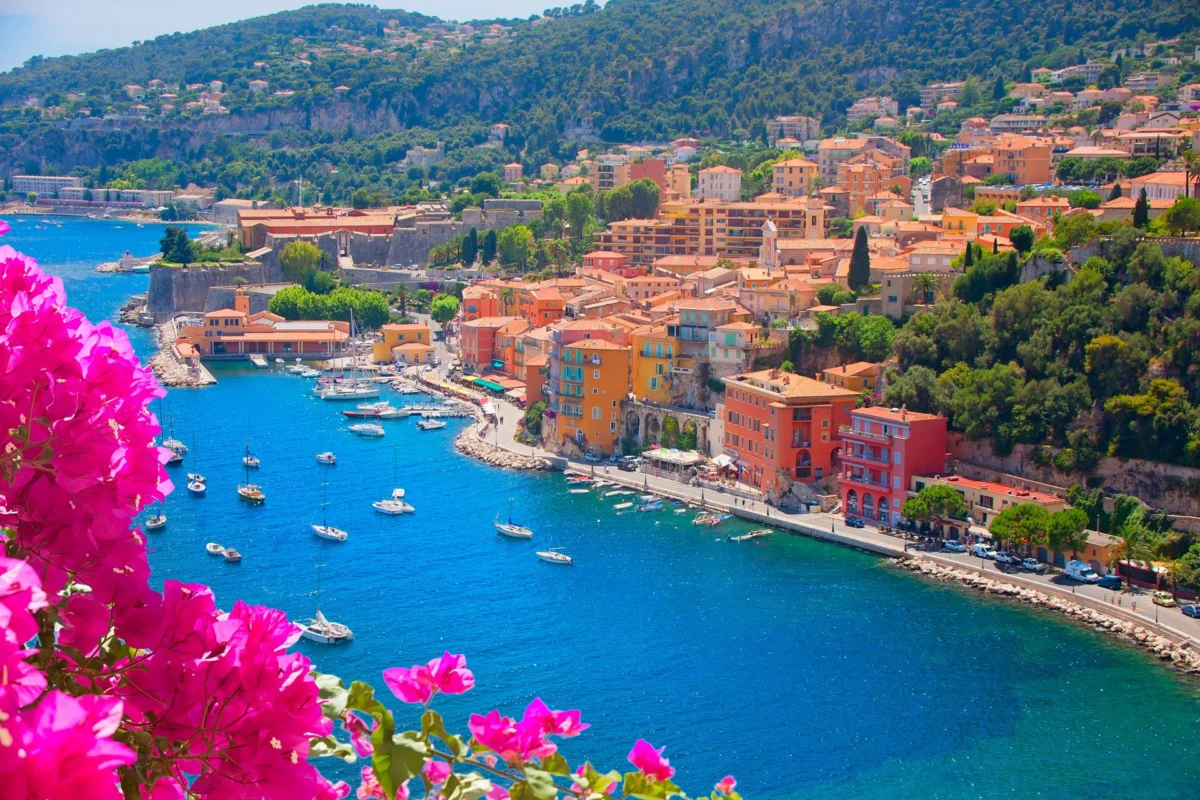
The village of Saint-Tropez, long synonymous with the zenith of Mediterranean luxury and the enduring legacy of Brigitte Bardot, is currently undergoing a period of profound anticipation as it prepares for its latest role on the global stage. In April, the production of HBO’s critically acclaimed and culturally dominant anthology series, The White Lotus, will commence filming its fourth season within the winding streets and exclusive beach clubs of this French Riviera enclave. This development marks a significant chapter in the village’s history, promising to amplify the "set-jetting" phenomenon that has previously transformed filming locations in Sicily and Thailand into hyper-saturated tourist destinations.
While the world perceives Saint-Tropez as a perpetual playground for the global elite, the reality for its 4,000 permanent residents during the month of March is one of stark, quiet contrast. The off-season atmosphere is characterized by a pale sun, milky skies, and a lingering winter chill that keeps the famous Place des Lices devoid of its usual pétanque players. Boutiques remain shuttered, and the harbor, typically teeming with superyachts, faces the brisk winds of the Mistral in relative solitude. It is within this vacuum of activity that the logistical machinery for The White Lotus has begun to churn, signaling a shift from the village’s traditional rhythms to the high-stakes environment of international television production.
The Economic Catalyst: Analyzing the White Lotus Effect
The decision to film the fourth installment of Mike White’s series in Saint-Tropez is expected to yield a significant economic impact, a trend industry analysts have dubbed the "White Lotus Effect." Data from previous seasons suggests that the show’s influence on travel patterns is both immediate and overwhelming. Following the premiere of the second season, which was filmed at the Four Seasons San Domenico Palace in Taormina, Sicily, the hotel reportedly received over 3,000 booking requests within a single week. Similarly, the third season’s focus on Thailand resulted in a measurable surge in international interest, extending well beyond the specific filming properties to the broader national tourism sector.
Regional tourism officials in the Provence-Alpes-Côte d’Azur (PACA) region indicate that reservations for the upcoming spring season are already showing exceptional strength. While official production details remain under strict non-disclosure agreements, the correlation between the filming announcement and the uptick in luxury travel inquiries is difficult to ignore. Travel designers and concierge services specializing in the French Riviera report that high-net-worth clients are increasingly seeking "insider access" to the locations featured in the show, even before the first frame has been captured.

Logistical Mobilization and the Search for Authenticity
Behind the scenes, the logistical demands of a production of this scale are already manifesting in the surrounding areas. Production teams have established a presence in Nice and Saint-Tropez, scouting for high-end accommodation to house a sprawling cast and crew. The demand for luxury vehicles and specialized logistics services has surged, creating a micro-economy of support staff and local vendors.
In Nice, the historic Victorine Studios recently hosted a casting call for extras for an "unspecified American series," a move widely understood to be for The White Lotus. The call drew a significant turnout of Gen-Z applicants and local aspiring actors, many of whom queued for hours for a chance to appear in the background of the series. This casting effort underscores the production’s need for a diverse and authentic-looking "crowd" to populate the village’s streets, beach clubs, and hotels, reflecting the show’s signature blend of social satire and aesthetic opulence.
Local Perspectives: Opportunity Versus Saturation
The reaction among Saint-Tropez’s long-standing business community is a mixture of pragmatic optimism and cautious apprehension. For multi-generational establishments, the influx of a new wave of media-driven tourism represents both a boon and a potential burden.
At Rondini, the venerable sandal shop that has operated in the village since 1927, the perspective is one of historical detachment. Alain Rondini, the third-generation patron of the atelier, remains largely unfazed by the television frenzy. As his shop prepares to celebrate its centenary next year, Rondini emphasizes that Saint-Tropez is a small village with finite capacity. His daughter, Anaïs, suggests that if the production draws visitors during the "shoulder" months of April, May, and June, it could provide a welcome boost to the local economy without exacerbating the existing congestion of the peak summer months.
This sentiment is echoed by Viviane, the owner of the high-end boutique Blabla, who has witnessed decades of media cycles in the village. Having seen the local frenzy caused by past reality shows like Loft Story, she warns that while spring filming is manageable, the "White Lotus" effect during July and August could prove detrimental to the village’s infrastructure. The concern among residents is that the village, which already struggles with traffic and overcrowding during the height of summer, may reach a breaking point if the show’s popularity attracts a permanent "tidal wave" of set-jetters.

A Legacy of Drama: The Historical Context of Saint-Tropez
To understand the resonance of The White Lotus in Saint-Tropez, one must look to the village’s storied past. The show’s central premise—wealthy individuals engaging in decadent and often destructive behavior in paradise—is a theme that has played out in real time on the Riviera for over half a century.
Frédéric Mauch, author of L’Épi Plage: Une Saga Tropézienne, notes that the village has always functioned as a "Comédie Humaine," a theater of characters ranging from artists and playboys to Hollywood icons and industrial magnates. During the 1960s, beach clubs like Épi Plage served as the epicenter of a hedonistic culture that predated modern celebrity obsession. The era of Roger Vadim, Françoise Sagan, and Brigitte Bardot established Saint-Tropez as a location where the boundaries of social norms were frequently tested.
Mauch reflects that the darker side of the glamour—jealousy, broken dreams, and the tragedies inherent in a high-stakes social scene—makes Saint-Tropez the perfect spiritual home for Mike White’s narrative style. In many ways, television is simply catching up with a reality that has existed in the village’s backstreets and private villas for decades.
Institutional Responses and Future Projections
The hospitality sector in Saint-Tropez is positioning itself to capitalize on the renewed global spotlight. Iconic institutions such as the Hôtel Byblos, a cornerstone of the village’s social life since its opening in 1967, view the production as an opportunity to reinforce the village’s status as a premier global destination. Antoine Chevanne, chairman of the Floirat Signatures collection, views the series as the latest chapter in Saint-Tropez’s evolution, noting that the village has a unique ability to reinvent itself for each new generation of travelers.
Newer boutique hotels, such as Arev Saint-Tropez, are also preparing for an extended season. By reopening earlier in the spring, these establishments aim to cater to the production’s needs and the early-arriving tourists hoping to catch a glimpse of the filming process. The focus for these luxury operators is on maintaining a balance between the high-volume interest generated by the show and the personalized, high-touch service that defines the Saint-Tropez experience.

Broad Implications for Riviera Tourism
The filming of The White Lotus in Saint-Tropez serves as a case study in the power of visual media to dictate global tourism trends. As "set-jetting" continues to grow as a primary motivator for travel among younger demographics, destinations must grapple with the logistical and social implications of becoming a cinematic backdrop.
For Saint-Tropez, the challenge lies in preserving the authentic charm of its 4,000-resident community while accommodating the demands of a global audience. The village’s infrastructure—narrow streets, limited parking, and a fragile coastal environment—is ill-equipped for indefinite growth. However, the potential for increased revenue during the off-season provides a compelling argument for embracing the production.
As the production crew arrives this April, the eyes of the travel and entertainment industries will be fixed on the Côte d’Azur. Whether The White Lotus will fundamentally alter the identity of Saint-Tropez or simply become another colorful anecdote in its long history of mischief and luxury remains to be seen. For now, the village waits in the quiet of March, aware that the calm is merely a prelude to a new era of global fascination.