Ferry Irwandi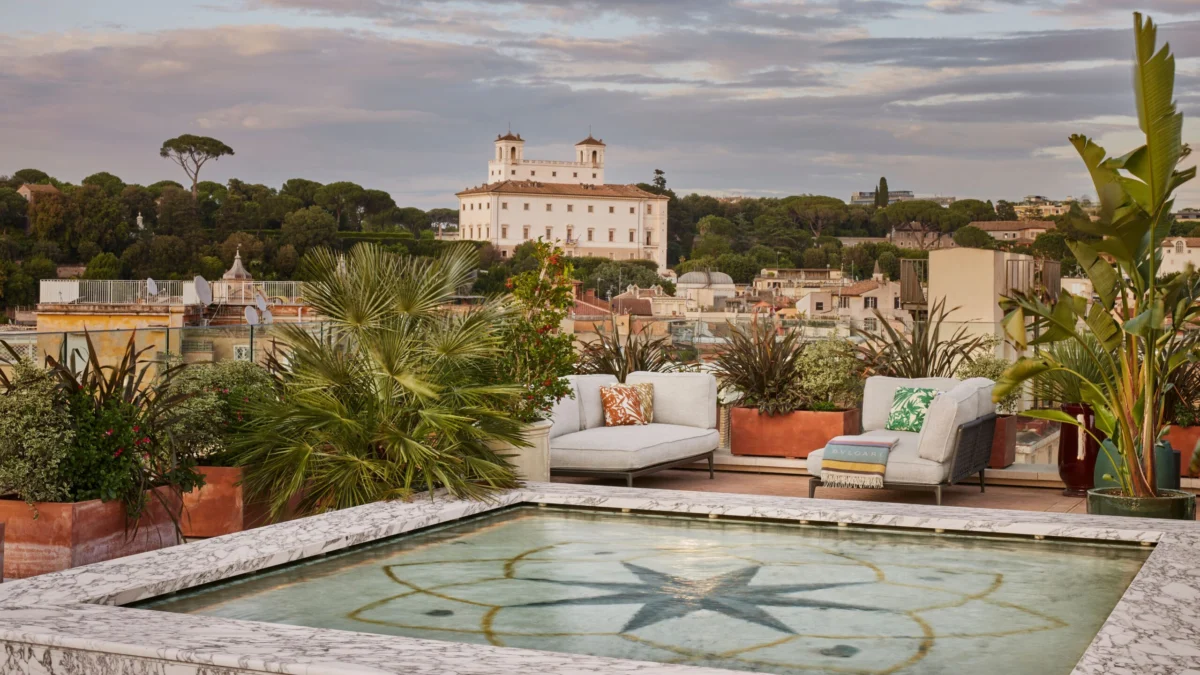
The city of Rome is currently undergoing a transformative shift in its hospitality sector, evolving from a landscape once dominated by family-owned boutiques and localized brands into a global epicenter for high-end international hotel chains. According to the latest data from Tourism Rome, the Italian capital has ascended to the position of the second-largest market for five-star hotel rooms in Europe, trailing only London. This surge in luxury inventory marks a significant departure from the city’s market structure as recently as 2008, signaling a new era of institutional investment and a pivot toward high-spending international demographics.
The Transformation of the Eternal City’s Hospitality Landscape
For decades, the Roman hotel market was characterized by a fragmented array of independent properties and heritage brands that catered to a traditional tourist base. However, the current decade has seen an aggressive influx of global luxury marques. This development is not merely a quantitative increase in room supply but a qualitative shift in the city’s service standards and architectural integration.
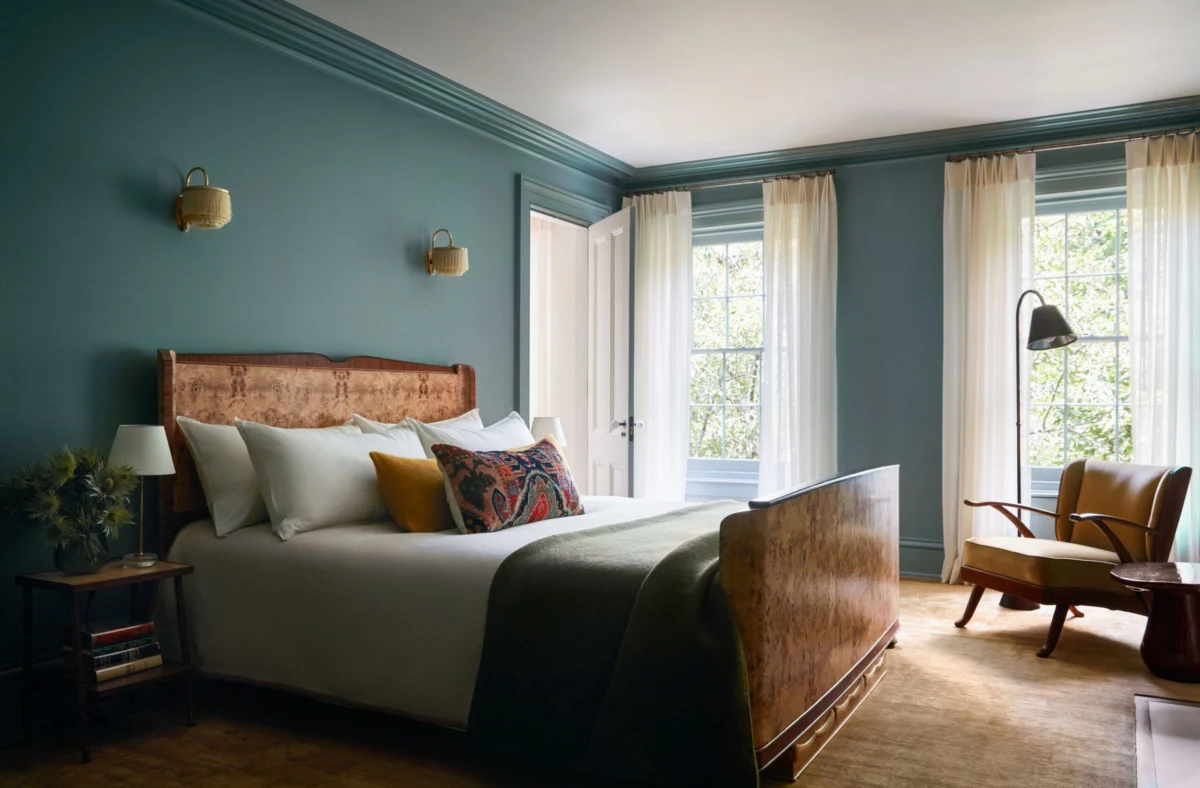
The expansion is led by a diverse roster of properties, ranging from the meticulously restored historic palazzos to contemporary, art-themed guesthouses. Industry analysts point to the opening of the Bulgari Hotel Roma and the Six Senses Rome as pivotal moments that redefined the city’s luxury ceiling. These establishments have introduced a level of amenities—including expansive wellness centers, rooftop destination dining, and high-concept interior design—that were previously scarce in the city center.
The move toward internationalization is reflected in the pipeline of upcoming openings. Brands such as Rosewood, Four Seasons, and Baccarat have all secured prime real estate within the city, often repurposing decommissioned institutional buildings or historic banks. This trend suggests a long-term confidence in Rome’s ability to sustain high average daily rates (ADR) and attract a global elite who prioritize brand consistency and modern luxury over traditional Roman hospitality models.
A Historical Chronology of Rome’s Market Evolution
To understand the current boom, it is necessary to examine the trajectory of the Roman hotel market over the last fifteen years. In 2008, the hospitality scene was largely static. Most five-star accommodations were concentrated in a few legendary "Grand Dames" like the Hotel Hassler or the Hotel de Russie. These properties, while iconic, operated within a market that had relatively little competition from outside the Italian borders.
The timeline of the current expansion can be broken down into three distinct phases:
- 2008–2015: The Preservation Era. During this period, Rome remained a city of independent operators. International brands were present but limited to a few established players. The focus was on preserving the status quo, with little appetite for large-scale redevelopment of historic assets.
- 2016–2021: The Institutional Pivot. Following a period of economic recovery, international investment funds began identifying Rome as an undervalued market compared to Paris and London. Early projects were greenlit, focusing on the conversion of "Palazzi" into luxury suites.
- 2022–Present: The Luxury Explosion. Post-pandemic travel trends, characterized by "revenge spending" and a preference for ultra-luxury experiences, accelerated existing projects. In 2023 and 2024, Rome saw a record number of five-star room deliveries, coinciding with the city’s preparation for the 2025 Jubilee.
This chronological shift has altered the city’s urban fabric. Neighborhoods like the Via Veneto, which had seen a decline in prestige since the "La Dolce Vita" era of the 1960s, are now experiencing a renaissance as major brands revitalize dormant properties along the historic thoroughfare.
Market Data and Economic Indicators
The scale of Rome’s hospitality growth is supported by robust economic indicators. Data from the Rome Tourism Board and various hospitality consultancy firms indicate that the city has outperformed many of its European peers in terms of growth in the luxury segment.
Recent reports highlight that Rome’s five-star inventory has grown by over 30% in the last five years. This growth is supported by a surge in the Average Daily Rate (ADR). In 2023, luxury ADR in Rome surpassed €1,000 in peak season for the first time in history at several top-tier properties. Despite these rising costs, occupancy rates have remained stable, driven by a 25% increase in arrivals from North America and emerging markets in Asia and the Middle East.
Furthermore, the economic impact extends beyond the hotels themselves. The influx of high-net-worth individuals has spurred a secondary boom in the luxury retail and fine dining sectors. Areas surrounding the Spanish Steps and the Pantheon have seen a corresponding increase in high-end storefront renovations, as brands seek to align their physical presence with the upgraded hotel landscape.
Official Responses and Strategic Municipal Planning
Local government officials have expressed a mix of optimism and strategic caution regarding the rapid expansion. Alessandro Onorato, Rome’s Councilor for Tourism, Fashion, and Great Events, has frequently cited the hotel boom as a testament to Rome’s renewed global competitiveness. In recent public statements, the municipal government has emphasized that the goal is to attract "quality tourism" rather than just increasing the volume of visitors.
"Rome is no longer just a museum to be visited; it is a destination to be experienced at the highest levels of global excellence," the Tourism Department noted in a recent policy briefing. The city has implemented several initiatives to facilitate this growth, including streamlined permitting processes for the restoration of historic buildings, provided they adhere to strict cultural heritage preservation guidelines.
However, the rapid growth has also prompted calls for better infrastructure management. With the 2025 Jubilee expected to bring an estimated 35 million visitors to the city, the municipal government is under pressure to ensure that the luxury boom does not lead to the further "Disneyfication" of the historic center. Officials are working on balancing the needs of high-end tourists with the preservation of local residential life, particularly in neighborhoods like Trastevere and Monti.
Broader Implications and Strategic Analysis
The transformation of Rome into a luxury hospitality powerhouse has several long-term implications for the city and the broader European travel market.
Economic Resilience: By diversifying its hotel offerings and attracting international brands, Rome is building a more resilient tourism economy. International brands bring with them global loyalty programs and marketing budgets that ensure a steady stream of high-spending visitors, even during economic downturns that might affect domestic or budget travel segments.
Urban Revitalization: The hospitality boom is serving as a catalyst for urban renewal. Many of the new luxury hotels are located in formerly neglected or underutilized institutional buildings. The renovation of these structures preserves Roman architectural heritage while modernizing the city’s infrastructure. For instance, the conversion of the former headquarters of the BNL bank into the Rome EDITION hotel has revitalized a significant block near the Via Veneto.
Shift in Tourism Demographics: The city is successfully shifting its image from a "once-in-a-lifetime" budget destination to a recurring luxury destination. This shift is crucial for sustainable tourism management. High-end travelers typically contribute more to the local economy per capita while placing less strain on public transport and mass-market infrastructure compared to large tour groups.
The Talent Challenge: One of the most significant hurdles facing this expansion is the labor market. The sudden influx of five-star rooms has created an unprecedented demand for skilled hospitality professionals. Industry experts note that there is a current shortage of staff trained to the rigorous standards of international luxury brands. This has led to a competitive hiring environment and a renewed focus on hospitality education within Italy.
Future Outlook: The Road to 2025 and Beyond
As Rome approaches the 2025 Jubilee, the momentum of hotel development shows no signs of waning. The event is expected to serve as a global stage for the city’s new hospitality identity. Beyond 2025, the challenge will be to maintain the high standards and occupancy rates that have justified the current investment surge.
The focus is likely to shift toward the outskirts and less-explored neighborhoods. While the Centro Storico is nearing saturation, sophisticated hideaways and resort-style properties are beginning to emerge on the city’s fringes, offering a "rural-urban" experience that appeals to repeat visitors looking for a different perspective on the Eternal City.
In conclusion, Rome’s evolution into a premier luxury destination is a multifaceted phenomenon driven by international capital, strategic municipal planning, and a global shift in travel preferences. While the city remains rooted in its millennia-old history, its hospitality sector is now firmly positioned at the forefront of the modern luxury market, rivaling the world’s most established capitals in both scale and sophistication. The coming years will determine how effectively the city can balance this newfound commercial success with the preservation of its unique cultural soul.