Ronny Sianturi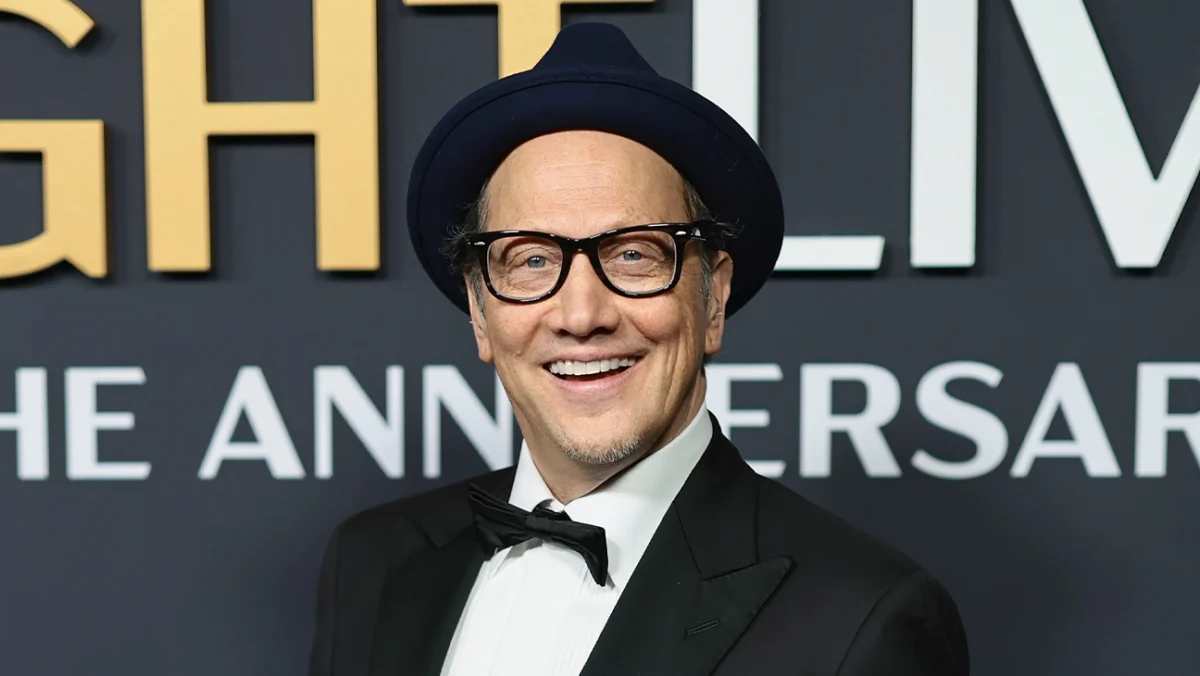
Comedian and actor Rob Schneider has ignited a public debate by advocating for the reinstatement of a mandatory military draft for young Americans, citing the ongoing geopolitical tensions, particularly the recent escalation of conflict with Iran. Schneider, who has no prior military service, took to the social media platform X (formerly Twitter) to articulate his controversial proposal. His call for a universal two-year service obligation for all 18-year-olds, with an option for overseas or domestic volunteer service, has been met with a spectrum of reactions, prompting a renewed examination of conscription in the United States.
Schneider’s Proposal: A Call for National Unity and Service
In his series of posts on X, Schneider articulated a vision of national service as a cornerstone of American citizenship. He argued that such a program would foster a deeper sense of national unity and appreciation for the freedoms the United States offers. "We must once again recommit ourselves to one Nation under God, indivisible," Schneider stated. "Therefore, we must restore the military draft for our Nation’s young people." He elaborated on his proposal, suggesting that "Each and every American, at eighteen years of age, must serve two years of military service. They could also choose to serve part of that time overseas or in country in a volunteer capacity."
Schneider emphasized what he perceives as the inherent link between rights and responsibilities in a democratic society. "Being a citizen of the United States gives us unparalleled Freedoms and opportunities that are the envy of the world," he wrote. "However, these Freedoms that we cherish do not come without a cost. By protecting and preserving these Freedoms, young people, regardless of race, creed or religion will be united in service to their country and just as importantly, to each other."
The actor outlined several perceived benefits of reinstating a draft, extending beyond national defense. He posited that mandatory service would provide young adults with rigorous physical training that could benefit them throughout their lives. Furthermore, he suggested that a conscripted military would ensure a readily available standing army capable of responding not only to external threats but also to domestic crises such as natural disasters. Schneider also expressed a belief that military service would instill a greater appreciation for the nation and its democratic ideals, contrasting this with what he implied is a less patriotic environment in some university settings. He invoked the historical sacrifice of service members, stating, "Service is a solemn reminder of the men and women before them who ‘paid the last full measure of devotion’ so that we may enjoy these Freedoms."
Perhaps one of the most significant justifications offered by Schneider was the potential impact on foreign policy decision-making. He argued that a draft would ensure that elected officials would be more judicious in deploying troops, as their own children would be subject to the same service requirements. "Also, very importantly, we would have in service every segment of our society represented so that our elected officials would be more hesitant and not cavalier about sending their own sons and daughters off to a faraway war unless it was truly in our Nation’s interests," he explained. Schneider concluded his appeal by framing the discussion as urgent and essential for the nation’s future, stating, "This discussion and implementation must begin. To the young people of America, this is your country and your future. We will leave this great and Free Nation in your good hands for your children and for your children’s children. God Bless the United States of America!"
Historical Context: The Evolution of Conscription in the U.S.
The concept of a military draft, or conscription, has a long and complex history in the United States, evolving significantly since the nation’s inception. While the early days of the republic relied primarily on voluntary enlistment and militia service, the demands of large-scale conflicts necessitated more structured forms of manpower mobilization.
Early Wars and the Militia System: During the Revolutionary War and the War of 1812, the primary source of military personnel was the state militia. These citizen-soldiers were expected to serve for limited periods, primarily defending their own states. However, as conflicts escalated, reliance on these localized forces proved insufficient, leading to calls for a more nationalized approach.
The Civil War and the First Federal Draft: The American Civil War marked a turning point with the introduction of the first federal conscription laws by both the Union and the Confederacy. The Union passed the Enrollment Act of 1863, which established a national draft system. While it allowed for substitutes to be hired or for draftees to pay a fee to avoid service, it was deeply unpopular and led to widespread protests, most notably the New York City Draft Riots of 1863. The Confederacy also implemented conscription, recognizing the critical need for manpower to sustain its war effort.
World War I and the Selective Service Act: The United States’ entry into World War I in 1917 necessitated a massive mobilization of troops. The Selective Service Act of 1917 established a more organized and comprehensive draft system, overseen by the newly created Selective Service Administration. This act required all men between the ages of 21 and 30 to register, and over 24 million men eventually registered, with nearly 3 million inducted into service. This era solidified the idea of a national draft as a tool for large-scale warfare.
World War II and Universal Service: World War II saw the broadest application of conscription in American history. The Selective Training and Service Act of 1940, enacted even before the U.S. officially entered the war, required all men between the ages of 21 and 35 to register. Subsequent legislation expanded the age range and duration of service. By the end of the war, approximately 10 million men had been drafted into the armed forces, playing a crucial role in the Allied victory.
The Vietnam War and the End of the Draft: The Vietnam War era was characterized by significant public opposition to the conflict and, consequently, to the draft. The Selective Service System continued to operate, but the protests and a growing sense of unfairness led to calls for its abolition. In 1969, the first draft lottery was held, aiming to introduce an element of randomness into the selection process. However, the movement towards an all-volunteer force gained momentum. The last conscription call was made on December 7, 1972, and the draft officially ended in 1973, replaced by a professional, all-volunteer military.
The Selective Service System Today: Despite the end of the active draft, the Selective Service System remains in place. Federal law requires most male U.S. citizens and immigrants aged 18 to 25 to register. This registration is intended to provide a pool of potential draftees in the event of a national emergency requiring a rapid expansion of the armed forces. However, no draft has been initiated since 1973, and the system’s current role is largely administrative.
Geopolitical Context: The Iran Conflict and its Implications
Rob Schneider’s call for a draft comes at a time of heightened geopolitical tensions, particularly concerning the United States’ relationship with Iran. The conflict, which Schneider broadly references as an "ongoing war," has seen significant developments in recent years.
Escalation of Tensions: The U.S.-Iran relationship has been fraught with challenges for decades, but a notable escalation occurred towards the end of February. The military strikes mentioned in the original article, coordinated by the Trump administration and Israel, targeted Iranian military infrastructure, nuclear facilities, and leadership. These actions were a response to a series of provocations and perceived threats emanating from Iran and its proxies in the region.
Regional Instability: The broader geopolitical landscape is characterized by a complex web of alliances and rivalries. Iran’s nuclear program, its support for various militant groups across the Middle East, and its ballistic missile development are significant concerns for the United States and its allies, including Israel. The region has experienced ongoing instability, with conflicts in Syria, Yemen, and Iraq often involving Iranian influence or direct support for various factions.
Potential for Wider Conflict: Any significant military engagement between the U.S. and Iran carries the risk of broader regional conflict, potentially drawing in other nations and exacerbating existing humanitarian crises. The presence of U.S. military personnel and assets throughout the Middle East, coupled with Iran’s regional proxy network, creates a volatile environment where miscalculation or escalation could have severe consequences.
Debate over Military Intervention: The prospect of prolonged or intensified military involvement in the Middle East inevitably raises questions about the sustainability of an all-volunteer force and the burden placed on those serving. This context provides fertile ground for discussions about alternative approaches to military service, such as conscription, which could theoretically distribute the burden more widely and potentially alter public and political attitudes towards military intervention.
Analysis of Schneider’s Proposal: Potential Impacts and Criticisms
Rob Schneider’s advocacy for a reinstatement of the military draft presents a multifaceted proposition with potential benefits and significant drawbacks. Analyzing these aspects provides a clearer understanding of the complexities involved.
Potential Benefits of a Draft (as articulated by Schneider and proponents):
- Enhanced National Unity and Social Cohesion: A universal draft could foster a sense of shared purpose and national identity among young Americans from diverse backgrounds. By bringing together individuals from different socioeconomic strata, ethnicities, and geographic locations, mandatory service could break down societal divisions and cultivate mutual understanding and respect. This shared experience of service could create a stronger bond among citizens and a greater appreciation for the collective good.
- Increased Military Preparedness and Readiness: A conscripted force would ensure a constant and substantial pool of personnel, potentially allowing for greater flexibility in military operations and a more robust capacity to respond to both foreign threats and domestic emergencies. The rigorous training inherent in military service could also yield a more physically fit and disciplined populace, as Schneider suggested.
- Greater Public Scrutiny of Military Engagements: The argument that a draft would make elected officials more hesitant to engage in prolonged or unnecessary conflicts is a significant point. When the children of policymakers and influential citizens are directly subject to the risks of military service, the decision-making process regarding war and peace could become more deliberate and accountable. This could lead to a more cautious and less cavalier approach to foreign intervention.
- Civic Education and Appreciation for Freedoms: Proponents argue that military service can instill a profound understanding of civic duty, sacrifice, and the value of democratic freedoms. Exposure to the realities of service and the sacrifices made by previous generations could cultivate a deeper appreciation for the nation’s founding principles and the responsibilities that accompany citizenship.
- Workforce Development and Skill Acquisition: Beyond military skills, mandatory service could provide young people with valuable vocational training, discipline, and leadership experience that could translate into success in civilian careers. Structured programs could offer pathways to acquiring in-demand skills, benefiting both the individual and the broader economy.
Potential Criticisms and Challenges:
- Economic and Personal Disruption: A mandatory two-year service requirement would inevitably disrupt the educational and career trajectories of millions of young Americans. This could lead to significant delays in college enrollment, professional development, and personal life milestones. The economic impact on individuals and families could be substantial, particularly for those from lower-income backgrounds who may rely on immediate employment to support themselves or their families.
- Cost and Bureaucratic Complexity: Implementing and managing a nationwide draft system would entail immense logistical and financial costs. The Selective Service System would need to be significantly expanded and funded to handle registration, induction, training, and placement of millions of individuals annually. This would require a substantial bureaucratic infrastructure and significant government expenditure.
- Questionable Military Effectiveness and Morale: Critics often question the effectiveness of a conscripted military compared to a professional, all-volunteer force. While a draft ensures numbers, it may not guarantee the same level of motivation, commitment, and specialized expertise that characterizes a volunteer force. Lower morale among unwilling conscripts could potentially impact unit cohesion and operational effectiveness.
- Civil Liberties Concerns and Social Inequality: The concept of mandatory service raises fundamental questions about individual liberty and freedom of choice. Critics argue that forcing citizens into military service infringes upon their autonomy. Furthermore, historical drafts have often been criticized for loopholes and exemptions that disproportionately benefited the wealthy or well-connected, leading to accusations of social inequality in who serves and who does not.
- Lack of Current Need and Political Feasibility: Given that the U.S. military currently operates as an all-volunteer force and has not required conscription for over five decades, many question the immediate necessity of a draft. The political climate surrounding such a proposal is also highly charged. Public opinion on conscription is divided, and any attempt to reinstate it would likely face significant opposition and political hurdles. The White House has explicitly stated there are no immediate plans for a draft, underscoring the current political reality.
- Alternative Service Models: Many argue that if the goal is national service and civic engagement, there are less intrusive and potentially more effective alternatives to a military draft. Programs like AmeriCorps, Peace Corps, and various civilian service initiatives already provide opportunities for individuals to contribute to their communities and country without mandating military induction.
Official Stance and Public Reaction
As of the reporting of Rob Schneider’s comments, official government responses have been minimal, reflecting the low probability of immediate policy changes. The White House has reiterated that there are no immediate plans to reinstate the military draft. This stance aligns with the established policy of maintaining an all-volunteer force, a model that has been in place since 1973.
Public reaction to Schneider’s proposal has been varied and vocal. Social media platforms, where Schneider initially shared his views, have become a hub for debate. Many have praised Schneider for his patriotic sentiments and for raising an important discussion about national service and civic responsibility. Supporters often echo his points about unity, sacrifice, and the potential for a draft to foster a more engaged citizenry and a more cautious foreign policy.
Conversely, a significant portion of the public has expressed strong opposition to the idea. Critics often highlight the disruptions to personal lives and careers, the potential for reduced military effectiveness, and the infringement on individual liberties. Many veteran groups and defense analysts have also voiced skepticism, emphasizing the success and professionalism of the current all-volunteer force. The historical context of draft resistance during the Vietnam War also looms large in public memory, suggesting that a return to conscription could be highly contentious.
The debate initiated by Rob Schneider underscores a recurring societal conversation about the nature of citizenship, national service, and the balance between individual freedom and collective responsibility, particularly in times of international uncertainty. While the immediate prospect of a reinstated draft remains remote, Schneider’s comments have undeniably reignited a discussion that touches upon fundamental aspects of American society and its relationship with its military.