Johny Marice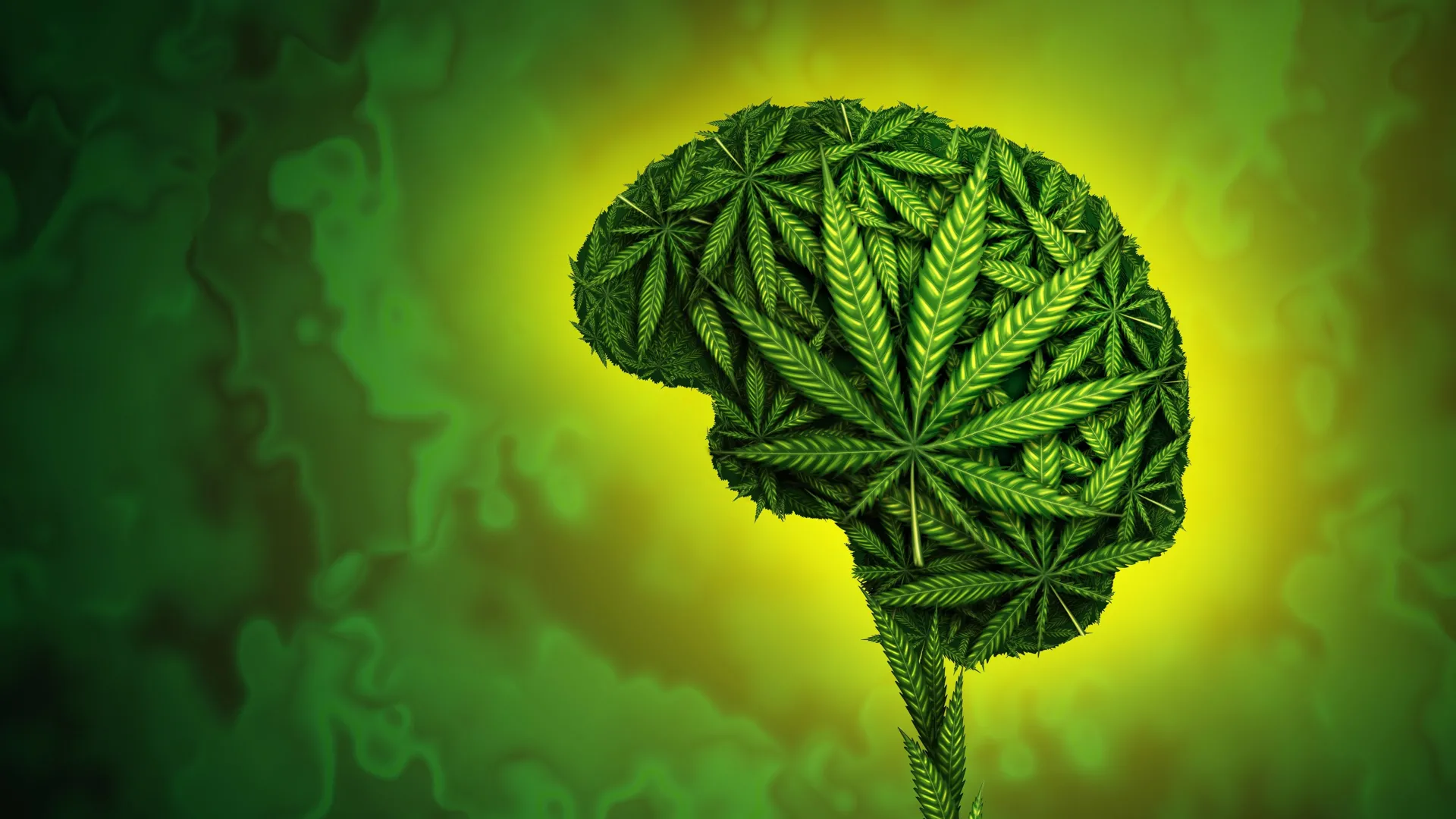
A groundbreaking analysis published in the esteemed medical journal The Lancet has delivered a significant blow to the widespread perception of medicinal cannabis as a panacea for common mental health disorders. The comprehensive study, representing the most extensive examination to date of cannabinoid safety and efficacy across a broad spectrum of psychiatric conditions, concludes that medicinal cannabis demonstrates little to no effectiveness in treating anxiety, depression, or post-traumatic stress disorder (PTSD). This finding is particularly impactful given the burgeoning use of cannabis for medical purposes globally, with a substantial portion of users reporting its application for mental health symptom management.
The research, a systematic review and meta-analysis encompassing 54 randomized controlled trials (RCTs) conducted over a 45-year period (1980-2025) from around the world, meticulously scrutinized the available evidence. The study was funded by the National Health and Medical Research Council (NHMRC), underscoring its independence and scientific rigor.
A Shifting Landscape of Medical Cannabis Use
The findings emerge at a critical juncture, as the therapeutic potential of cannabis has gained considerable traction in public discourse and clinical practice. In the United States and Canada, for instance, recent surveys indicate that approximately 27% of individuals aged 16-65 have utilized cannabis for medical reasons. Alarmingly, close to half of these individuals report using it specifically to alleviate symptoms related to mental health challenges. This widespread adoption, often driven by anecdotal evidence and a desire for alternative treatments, now faces a stark re-evaluation in light of this robust scientific scrutiny.
Dr. Jack Wilson, the lead author of the study and a researcher at the University of Sydney’s Matilda Centre, emphasized the profound implications of these results. "Our findings raise serious questions about the current landscape of approving and prescribing medicinal cannabis for conditions such as anxiety, depression, and PTSD," Dr. Wilson stated. He further elaborated on the potential downsides of routine cannabis use for these conditions, cautioning that it could inadvertently lead to negative mental health outcomes. "Though our paper didn’t specifically look at this, the routine use of medicinal cannabis could be doing more harm than good by worsening mental health outcomes, for example a greater risk of psychotic symptoms and developing cannabis use disorder, and delaying the use of more effective treatments," he explained.
Nuanced Findings for Other Conditions
While the study delivered a clear verdict on anxiety, depression, and PTSD, it did identify some limited indications of potential benefits for a select few other conditions. Medicinal cannabis showed some promise in addressing cannabis use disorder (also known as cannabis dependency), autism, insomnia, and tics or Tourette’s syndrome. However, Dr. Wilson was quick to temper expectations regarding these findings, stressing that the supporting evidence for these uses remains weak and requires further investigation.
"The overall quality of evidence for these other conditions, such as autism and insomnia, was low," Dr. Wilson clarified. "In the absence of robust medical or counseling support, the use of medicinal cannabis in these cases are rarely justified." He reiterated that for conditions like epilepsy, multiple sclerosis, and certain types of pain, where there is established evidence for medicinal cannabis’s efficacy in reducing seizures, managing spasticity, and alleviating pain, the study’s focus on mental health disorders reveals a significant disparity.
Regarding autism, Dr. Wilson pointed out that while the study observed some evidence of symptom reduction, the highly individualized nature of the autistic experience necessitates extreme caution in interpreting these results. "In the case of autism specifically, while the study showed some evidence medicinal cannabis could assist with a reduction in symptoms, it is worth noting that there is no one — or universal — experience of autism, so this finding should be treated with caution."
Mixed Results in Substance Use Disorders
The research also delved into the complex interplay between medicinal cannabis and various substance use disorders, revealing a spectrum of outcomes. For individuals struggling with cannabis dependence, cannabis-based treatments demonstrated a degree of potential efficacy. The study found that when administered alongside psychological therapy, an oral formulation of cannabis could indeed help reduce cannabis smoking, mirroring the role of methadone in treating opioid use disorder. "Similar to how methadone is used to treat opioid-use disorder, cannabis medicines may form part of an effective treatment for those with a cannabis-use disorder," Dr. Wilson noted.
However, the picture darkened considerably when examining the impact of medicinal cannabis on cocaine-use disorder. In these cases, the study observed a concerning trend: cannabis use appeared to exacerbate cravings for cocaine. "However, when medicinal cannabis was used to treat people with cocaine-use disorder, it increased their cravings," Dr. Wilson stated unequivocally. "This means it should not be considered for this purpose and may, in fact, worsen cocaine dependence." This finding underscores the critical need for condition-specific assessments and highlights the potential for unintended negative consequences when cannabis is used without stringent medical guidance.
A Call for Enhanced Regulatory Oversight
The rapid proliferation of medicinal cannabis use and prescribing practices has become a focal point of concern for leading medical organizations worldwide, including the American Medical Association. Experts have voiced apprehension regarding the existing regulatory frameworks, citing a lack of comprehensive oversight and persistent uncertainty surrounding the true effectiveness and safety profiles of many cannabis-based products.
The Lancet study’s authors advocate for a more evidence-based approach to prescribing medicinal cannabis, emphasizing the need for clinicians to have access to reliable, independent assessments of benefits and risks. "Our study provides a comprehensive and independent assessment of the benefits and risks of cannabis medicines, which may support clinicians to make evidence-based decisions, helping to ensure patients receive effective treatments while minimising harm from ineffective or unsafe cannabis products," Dr. Wilson concluded.
Implications for Clinical Practice and Public Health
The implications of this landmark study are far-reaching, particularly for healthcare providers, policymakers, and individuals seeking treatment for mental health conditions. The findings challenge the prevailing narrative that cannabis is a universally safe and effective treatment for a wide range of ailments. Instead, they emphasize the importance of rigorous scientific evaluation and the need for personalized treatment plans based on robust evidence.
For clinicians, the study serves as a crucial reminder to exercise caution when considering medicinal cannabis for mental health disorders. It underscores the imperative to prioritize treatments with established efficacy and safety profiles, while engaging in open and honest conversations with patients about the limited evidence base for cannabis in these contexts. The potential for cannabis to exacerbate certain mental health conditions or to delay access to more effective therapies warrants careful consideration.
Policymakers may find these findings influential in shaping future regulations and guidelines surrounding the prescription and accessibility of medicinal cannabis. The study’s call for stronger regulation aligns with growing concerns about product quality, labeling, and marketing practices within the burgeoning cannabis industry. Ensuring that patients have access to safe and effective treatments, while mitigating the risks associated with unproven or potentially harmful products, should be a paramount public health objective.
For individuals seeking relief from mental health symptoms, the study encourages a critical evaluation of treatment options. While anecdotal evidence and personal experiences can be powerful, they should be weighed against the findings of large-scale, scientifically rigorous research. Consulting with healthcare professionals to explore evidence-based treatment pathways remains the most prudent course of action.
The study’s comprehensive nature, spanning decades of research and encompassing a substantial number of trials, lends significant weight to its conclusions. It represents a pivotal moment in the ongoing discourse surrounding medicinal cannabis, urging a more discerning and evidence-driven approach to its application, particularly in the complex realm of mental health. The long-term impact of this research could be a more responsible and effective integration of cannabis into therapeutic practices, prioritizing patient well-being and scientific integrity above all else.
Conflicts of Interest and Acknowledgements
The authors of the study have disclosed potential conflicts of interest relevant to their work. Wayne Hall and Myfanwy Graham have received consultation fees from the World Health Organization. Wayne Hall has also received payment for expert testimony on the risks of cannabis use. Myfanwy Graham is a member of the Medicinal Cannabis Expert Working Group for the Australian Department of Health, Ageing and Disability, and has received funding from the Therapeutic Goods Administration for independent evidence reviews on medicinal cannabis. All other authors have declared no competing interests.