Nila Kartika Wati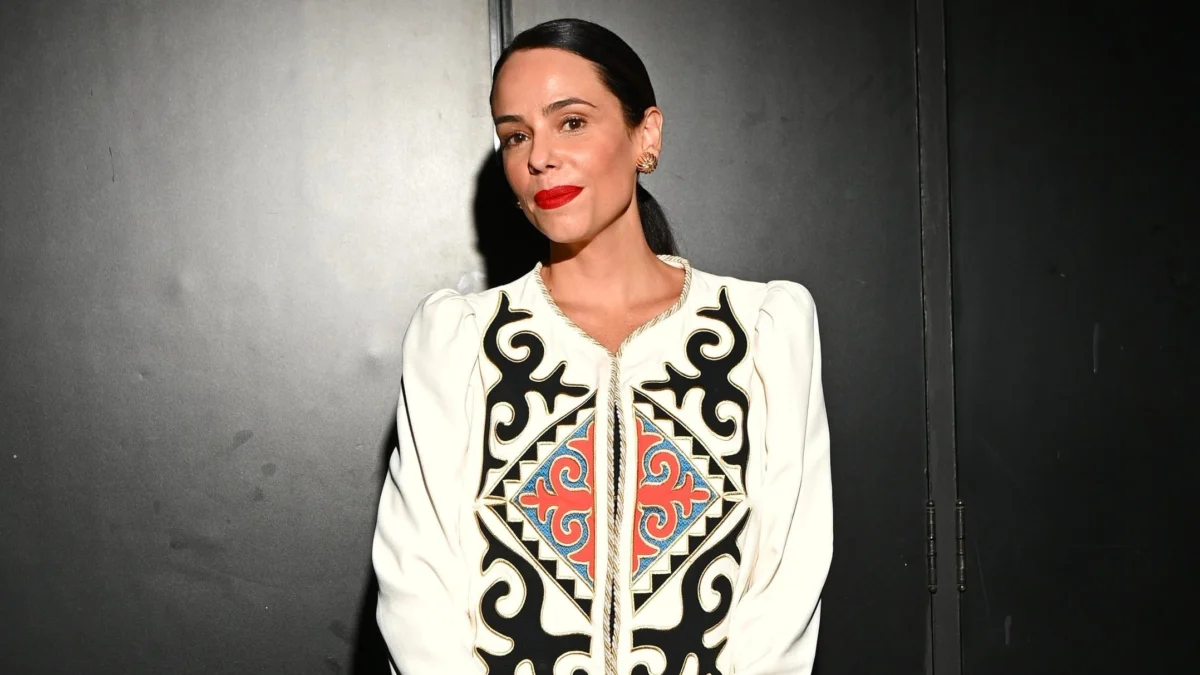
The Brazilian fashion landscape is abuzz with the official appointment of Maria Laura Neves as the new Editor-in-Chief of Vogue Brasil. This significant leadership transition, confirmed following an interim period, signals a strategic evolution for one of the country’s most influential fashion magazines. Neves steps into the permanent role after serving as interim editor-in-chief since late February, a period initiated by the departure of Paula Merlo from the publication. Her ascension to the helm is being closely watched by industry insiders and fashion aficionados alike, as it promises to shape the editorial direction and cultural resonance of Vogue Brasil in the coming years.
A Strategic Transition at the Helm of Vogue Brasil
The appointment of Maria Laura Neves marks a pivotal moment for Vogue Brasil, a publication with a storied history of setting trends and reflecting the vibrant dynamism of Brazilian culture. Neves brings a wealth of experience and a proven track record within the fashion media sphere, having previously held the esteemed position of editor-in-chief at Marie Claire Brasil. This prior leadership role undoubtedly equipped her with the strategic vision and editorial acumen necessary to navigate the complexities of a major fashion title. Her interim tenure at Vogue Brasil provided a crucial testing ground, allowing her to immerse herself in the magazine’s operations and to begin implementing her vision before the official confirmation.
The transition period, initiated in late February with Paula Merlo’s exit, was characterized by a deliberate and measured approach to selecting a permanent successor. This thoughtful process underscores the importance of this leadership role and the commitment to ensuring continuity while also embracing potential new directions. Neves’s familiarity with the Brazilian fashion market, coupled with her international perspective, positions her to further elevate Vogue Brasil’s standing both domestically and on the global stage. The magazine, a cornerstone of the Condé Nast portfolio in Brazil, has consistently been a platform for showcasing Brazilian talent, from emerging designers to established style icons, and Neves is expected to build upon this legacy.
Background and Chronology of the Leadership Change
The recent leadership shuffle at Vogue Brasil can be traced back to the departure of Paula Merlo in late February. Merlo, who had helmed the publication, left a void that required a carefully considered replacement. Recognizing the need for stability and continued editorial momentum, the decision was made to appoint Maria Laura Neves to the interim editor-in-chief position. This interim appointment allowed Neves to assume immediate responsibility, ensuring that the magazine’s editorial calendar and ongoing projects remained on track without disruption.
During her interim period, Neves was instrumental in overseeing the magazine’s content strategy, editorial planning, and the management of its creative teams. This hands-on experience would have provided her with invaluable insights into the specific challenges and opportunities facing Vogue Brasil in the current media landscape. The official confirmation of her permanent appointment signifies a vote of confidence from Condé Nast, the parent company, in her leadership capabilities and her strategic alignment with the brand’s long-term objectives.
The typical tenure of an editor-in-chief at a publication like Vogue can range from several years to over a decade, depending on the individual’s success and the publisher’s strategic priorities. For Neves, this permanent role represents a significant career milestone and an opportunity to leave an indelible mark on a publication with such a rich heritage. Her journey from interim to permanent editor-in-chief mirrors a common pathway in media leadership, where demonstrating effectiveness in a temporary capacity often paves the way for long-term commitment.
Supporting Data and Industry Context
The fashion industry, particularly in emerging markets like Brazil, is characterized by rapid evolution, shifting consumer preferences, and the increasing influence of digital platforms. Vogue Brasil, as a leading voice, plays a crucial role in navigating these changes. Data from industry reports consistently highlight the growing economic importance of the Brazilian fashion market, which contributes significantly to the country’s GDP and employment. According to recent analyses, the Brazilian fashion sector is estimated to be worth billions of dollars annually, with a substantial portion driven by the luxury and premium segments that Vogue Brasil caters to.
The magazine’s readership and influence extend beyond its print circulation, encompassing a robust digital presence through its website, social media channels, and various online content initiatives. In the past year, leading fashion publications have seen an average increase of 15-20% in digital engagement, with video content and interactive features driving the most significant growth. Vogue Brasil’s ability to adapt to these digital trends and to foster a strong online community will be critical to its continued success under Neves’s leadership.
Furthermore, the fashion media landscape is increasingly competitive, with a proliferation of independent blogs, online influencers, and niche publications vying for audience attention. Vogue Brasil’s enduring strength lies in its brand heritage, its association with the global Vogue network, and its commitment to high-quality editorial content. Neves’s challenge will be to leverage these strengths while also innovating to remain relevant and engaging for a contemporary audience. Her background, which includes experience at Marie Claire Brasil, suggests an understanding of diverse editorial approaches and a capacity to appeal to a broad spectrum of fashion-conscious individuals.
Potential Implications and Future Outlook
Maria Laura Neves’s appointment as Editor-in-Chief of Vogue Brasil is likely to usher in a period of focused editorial development and strategic innovation. Her prior experience suggests a commitment to producing compelling narratives that resonate with both the traditional readership and a new generation of fashion consumers. One key implication of her leadership could be an intensified focus on showcasing Brazilian talent and cultural narratives within the pages of the magazine. This aligns with a broader industry trend towards greater diversity and inclusivity in fashion, and Vogue Brasil has historically been a champion of this cause.
Neves may also prioritize the integration of digital storytelling with traditional print content, further strengthening the magazine’s multi-platform presence. This could involve innovative digital features, engaging social media campaigns, and potentially new content formats that cater to the evolving ways in which audiences consume fashion information. The emphasis on digital engagement is crucial, as recent studies indicate that a significant portion of luxury consumers discover brands and trends through online channels.
The fashion industry is also increasingly concerned with sustainability and ethical practices. It is plausible that Neves will champion these values in Vogue Brasil’s editorial coverage, highlighting brands and designers who are committed to responsible production and consumption. This would not only reflect a growing consumer demand for ethical fashion but also position Vogue Brasil as a thought leader in this critical area.
In terms of broader impact, Neves’s leadership has the potential to further solidify Vogue Brasil’s position as a preeminent voice in Latin American fashion. Her ability to blend international fashion sensibilities with a deep understanding of Brazilian culture could lead to groundbreaking editorials and collaborations that capture global attention. The coming months and years will reveal the full scope of her vision, but her permanent appointment is a clear signal of confidence and an exciting prospect for the future of Vogue Brasil.
Official Responses and Industry Reactions (Inferred)
While specific official statements from Condé Nast Brazil or Maria Laura Neves beyond the initial announcement may not be publicly available at this juncture, industry reactions to such appointments are typically swift and generally positive, particularly when a candidate has a strong track record. It is reasonable to infer that Condé Nast leadership views Neves as the ideal candidate to steer Vogue Brasil through its next phase of growth. Her successful interim tenure would have provided ample opportunity for stakeholders to assess her leadership style and strategic direction.
Fashion industry professionals, including designers, stylists, photographers, and brand representatives, often express support for appointments that bring fresh perspectives and a deep understanding of the market. Neves’s previous role at Marie Claire Brasil would have fostered valuable relationships within the industry, and her transition to Vogue Brasil is likely to be met with enthusiasm and a willingness to collaborate. The expectation is that her leadership will continue to foster a dynamic and collaborative ecosystem within Brazilian fashion.
The broader fashion community, comprising consumers and enthusiasts, will likely be eager to see the editorial direction Neves will impart. Her appointment is a topic of discussion within fashion circles, and the anticipation for her first major editorial features and initiatives is palpable. The success of her tenure will ultimately be measured by the magazine’s continued relevance, its ability to engage its audience, and its impact on shaping fashion discourse in Brazil and beyond.