Johny Marice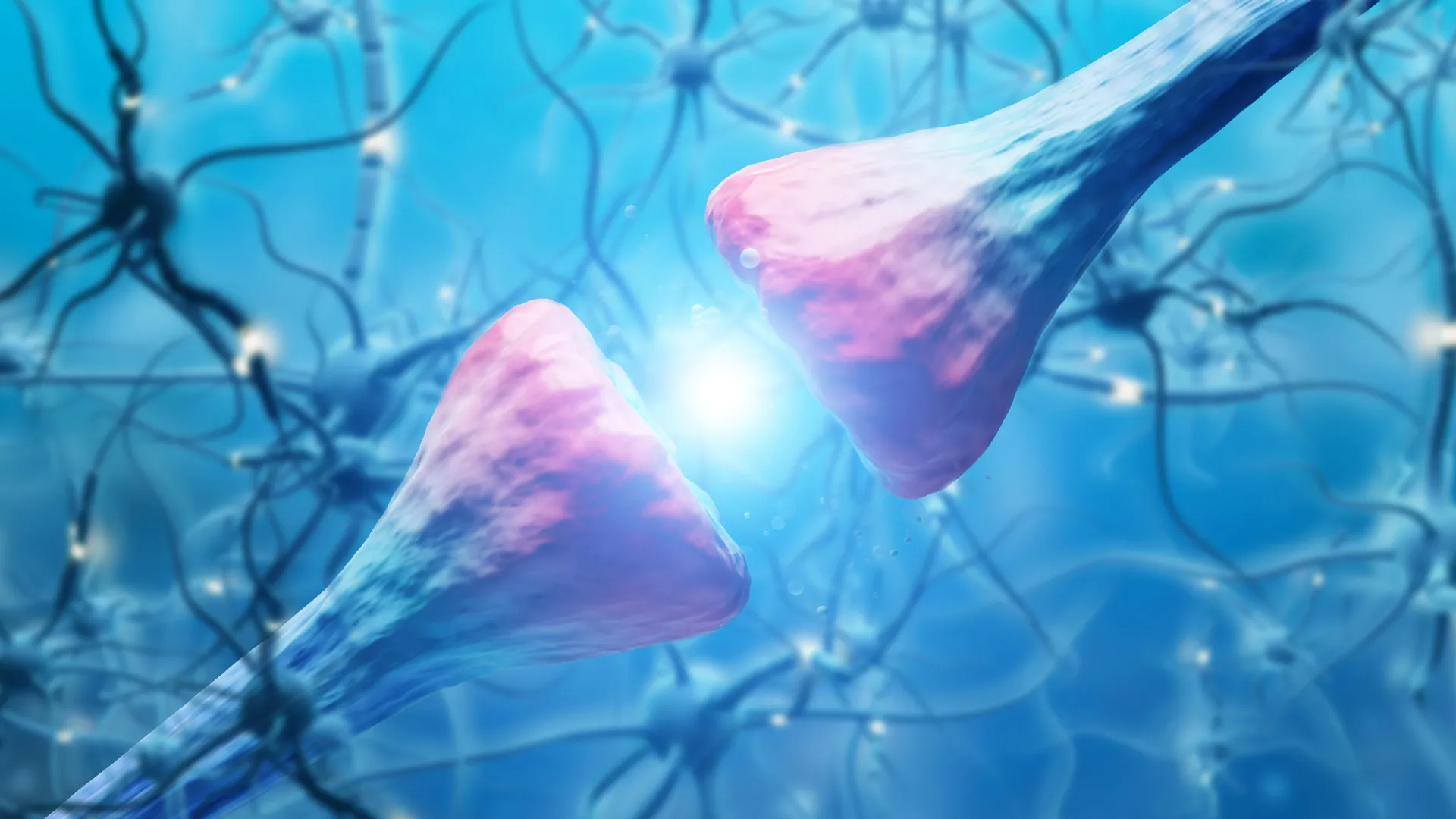
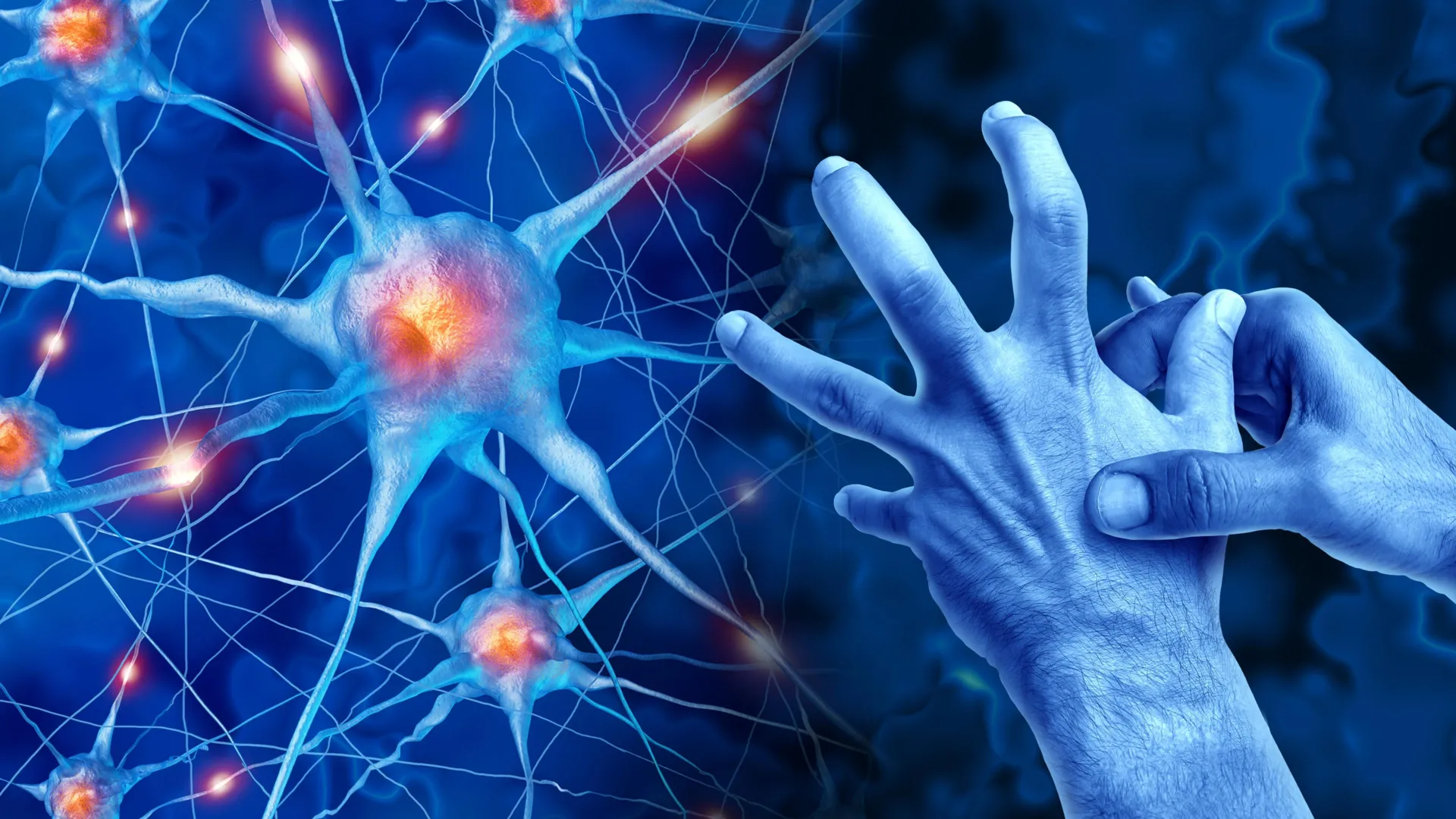
The persistent struggle against cocaine addiction, often perceived as a battle of willpower, is increasingly understood to stem from profound and lasting biological alterations within the brain. Groundbreaking research from Michigan State University (MSU) has illuminated how cocaine use fundamentally rewrites neural circuits, creating an overwhelming compulsion that makes resisting the urge to relapse extraordinarily difficult. This pivotal study, supported by the National Institutes of Health and published in the esteemed journal Science Advances, not only offers a deeper understanding of cocaine addiction’s stubborn nature but also illuminates promising avenues for future therapeutic interventions.
"Addiction is a disease in the same sense as cancer," stated senior author A.J. Robison, a professor of neuroscience and physiology at MSU. "We need to find better treatments and help people who are addicted in the same sense that we need to find cures for cancer." This analogy underscores the critical shift in perspective from viewing addiction as a moral failing to recognizing it as a complex medical condition requiring robust scientific solutions.
The Elusive Cure: Why Cocaine Addiction Remains a Public Health Crisis
Cocaine addiction represents a significant public health challenge, affecting an estimated one million individuals across the United States. Despite its widespread impact, there is currently no medication specifically approved by the Food and Drug Administration (FDA) to treat cocaine addiction directly. Unlike opioid addiction, which is often characterized by severe and immediate physical withdrawal symptoms that can be managed with pharmacological interventions, discontinuing cocaine use typically does not precipitate such acute physical distress. This absence of overt physical withdrawal, however, belies the profound psychological and neurological entrenchment of the addiction, making abstinence exceptionally challenging.
The underlying reason for this difficulty lies in cocaine’s potent impact on the brain’s reward system. The drug induces a massive surge of dopamine, a neurotransmitter crucial for pleasure, motivation, and reinforcement. This flood of dopamine creates an intensely positive reinforcement loop, leading the brain to associate cocaine use with extreme reward and pleasure, effectively overriding the perception of its harmful consequences. This powerful conditioning mechanism is a primary driver of compulsive drug-seeking behavior.
The insidious nature of this biological reprogramming is evident in the stark relapse statistics. Even for individuals who successfully achieve initial abstinence, the propensity to return to cocaine use remains alarmingly high. National surveys indicate that approximately 24% of individuals who have previously used cocaine relapse to weekly use, and an additional 18% seek treatment again within a year of their initial attempt to quit. These figures highlight the enduring power of the addiction and the critical need for more effective, long-term treatment strategies.
Unraveling the Molecular Mechanism: DeltaFosB as a Key Regulator
At the heart of this persistent drive toward relapse, a specific molecule has emerged as a crucial factor: a protein known as DeltaFosB. Andrew Eagle, the lead author of the MSU study and a former postdoctoral researcher in Dr. Robison’s lab, identified DeltaFosB as a pivotal player in the neurobiological underpinnings of cocaine addiction.
To meticulously investigate DeltaFosB’s role, Eagle employed a sophisticated adaptation of CRISPR technology. This advanced gene-editing tool allowed researchers to precisely examine how DeltaFosB influences specific neural circuits in the brains of mice when exposed to cocaine. The choice of mouse models is a common and ethically sound practice in neuroscience research, as these animals share significant genetic and neurobiological similarities with humans, allowing for the study of complex processes that would be unfeasible to investigate directly in human subjects.
The experiments conducted with these mouse models yielded compelling results, illustrating that DeltaFosB functions as a critical genetic switch. It actively modulates the expression of genes within the intricate circuit connecting the brain’s mesolimbic reward pathway, often referred to as the reward center, and the hippocampus. The hippocampus, a region vital for memory and learning, plays a significant role in associating environmental cues with drug-related experiences, thus contributing to the formation of strong addiction memories.
With sustained cocaine use, DeltaFosB demonstrably accumulates within this crucial reward-hippocampal circuit. As its levels escalate, the protein begins to fundamentally alter the functional properties of neurons and reshapes the circuit’s responsiveness to the drug. This accumulation and subsequent alteration of neural activity are not merely correlational; they are causally linked to the development and maintenance of addictive behaviors.
"This protein isn’t just associated with these changes, it is necessary for them," Eagle emphasized, underscoring the protein’s indispensable role. "Without it, cocaine does not produce the same changes in brain activity or the same strong drive to seek out the drug." This assertion is a significant scientific breakthrough, pinpointing DeltaFosB as a direct instigator of the neurobiological adaptations that drive cocaine craving and relapse.
Amplifying Cravings: The Role of Calreticulin and Gene Regulation
Beyond identifying DeltaFosB as a central regulator, the research team delved deeper to uncover additional genes that are orchestrated by DeltaFosB following prolonged cocaine exposure. Among these identified genes, calreticulin emerged as particularly significant. Calreticulin is a protein known to play a role in regulating intracellular calcium storage and is involved in cell adhesion and the modulation of neuronal communication.
The MSU researchers’ experiments revealed that calreticulin, under the influence of DeltaFosB, actively increases the excitability and signaling within specific brain pathways. These pathways are intrinsically linked to the motivational systems that drive individuals to continue seeking cocaine. In essence, calreticulin, by upregulating these pathways, acts as an accelerant for the neurobiological processes that solidify and reinforce addiction, intensifying the compulsive drive to obtain and use the drug. This discovery provides a more granular understanding of how the long-term biological changes induced by cocaine manifest as persistent and overwhelming cravings.
A Beacon of Hope: Targeting DeltaFosB for Future Treatments
While the groundbreaking findings were derived from studies involving mouse models, the implications for human health are substantial. The researchers are optimistic that these results may translate to human addiction due to the shared genetic makeup and conserved neural circuits across mammalian species. This biological homology offers a strong foundation for developing human-specific therapeutic strategies.
The MSU team is actively pursuing the development of novel compounds designed to specifically target DeltaFosB. In collaboration with researchers at the University of Texas Medical Branch in Galveston, Texas, and supported by a grant from the National Institute on Drug Abuse (NIDA), this ambitious project focuses on creating and rigorously testing molecules capable of modulating DeltaFosB’s interaction with DNA. The objective is to develop pharmacological agents that can effectively inhibit or control the detrimental gene regulation processes initiated by DeltaFosB in the context of cocaine addiction.
"If we could find the right kind of compound that works in the right way, that could potentially be a treatment for cocaine addiction," Dr. Robison articulated, acknowledging the long road ahead. "That’s years away, but that’s the long-term goal." This long-term vision represents a significant paradigm shift in addiction treatment, moving towards therapies that address the underlying biological mechanisms rather than solely focusing on behavioral interventions or symptom management.
Exploring Sex Differences: A Crucial Next Frontier
Looking ahead, the research agenda is expanding to encompass critical questions regarding the influence of sex hormones on these addiction-related brain circuits. A significant next phase of investigation will involve examining how hormonal fluctuations and differences between males and females might impact the neurobiological pathways implicated in cocaine addiction.
Understanding these potential sex-based variations is paramount. Scientific literature has previously suggested that addiction risks and treatment responses can differ between men and women, though the precise neurobiological underpinnings of these disparities are not fully understood. By investigating these differences, the research team aims to shed light on why addiction vulnerability may vary between sexes and, crucially, to pave the way for more personalized and effective treatment approaches that are tailored to the unique biological profiles of individuals. This inclusive approach to addiction research is vital for ensuring that therapeutic strategies are equitable and effective for all populations.
The comprehensive findings from Michigan State University mark a significant advancement in the scientific understanding of cocaine addiction. By demystifying the biological underpinnings of relapse and identifying key molecular targets, this research offers a renewed sense of hope for developing more effective treatments and ultimately mitigating the devastating impact of cocaine addiction on individuals and society. The journey from laboratory discovery to clinical application is often lengthy, but the identification of DeltaFosB as a critical driver of cocaine cravings represents a substantial leap forward in the ongoing battle against this complex disease.