Kang Muslim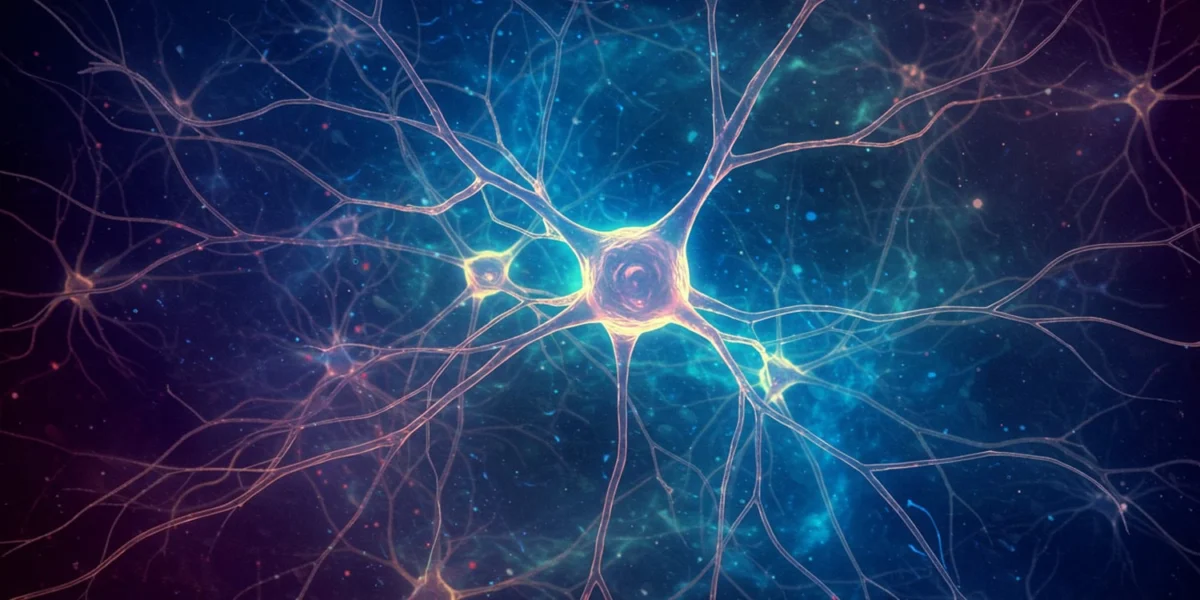
The research provides a critical breakthrough in understanding the heterogeneity of autism, a condition that has long challenged the medical community due to its wide range of symptoms and genetic origins. By analyzing the electrophysiological signatures of these organoids, the study identifies distinct patterns that differentiate neurotypical individuals from those with various forms of syndromic and idiopathic autism. This development paves the way for a new era of personalized medicine, where treatments can be tested on a patient’s own biological surrogate before being administered clinically.
The Limitations of Traditional Neurodevelopmental Models
For decades, the study of neurodevelopmental disorders has relied heavily on animal models, particularly rodents. While these models have provided foundational insights into basic biology, they often fail to capture the unique complexities of the human neocortex. Human brain development involves specific cellular lineages and architectural nuances that are not present in mice or rats. This "translational gap" has been a significant hurdle in the development of effective psychiatric medications, with many drugs showing promise in animals only to fail in human clinical trials.
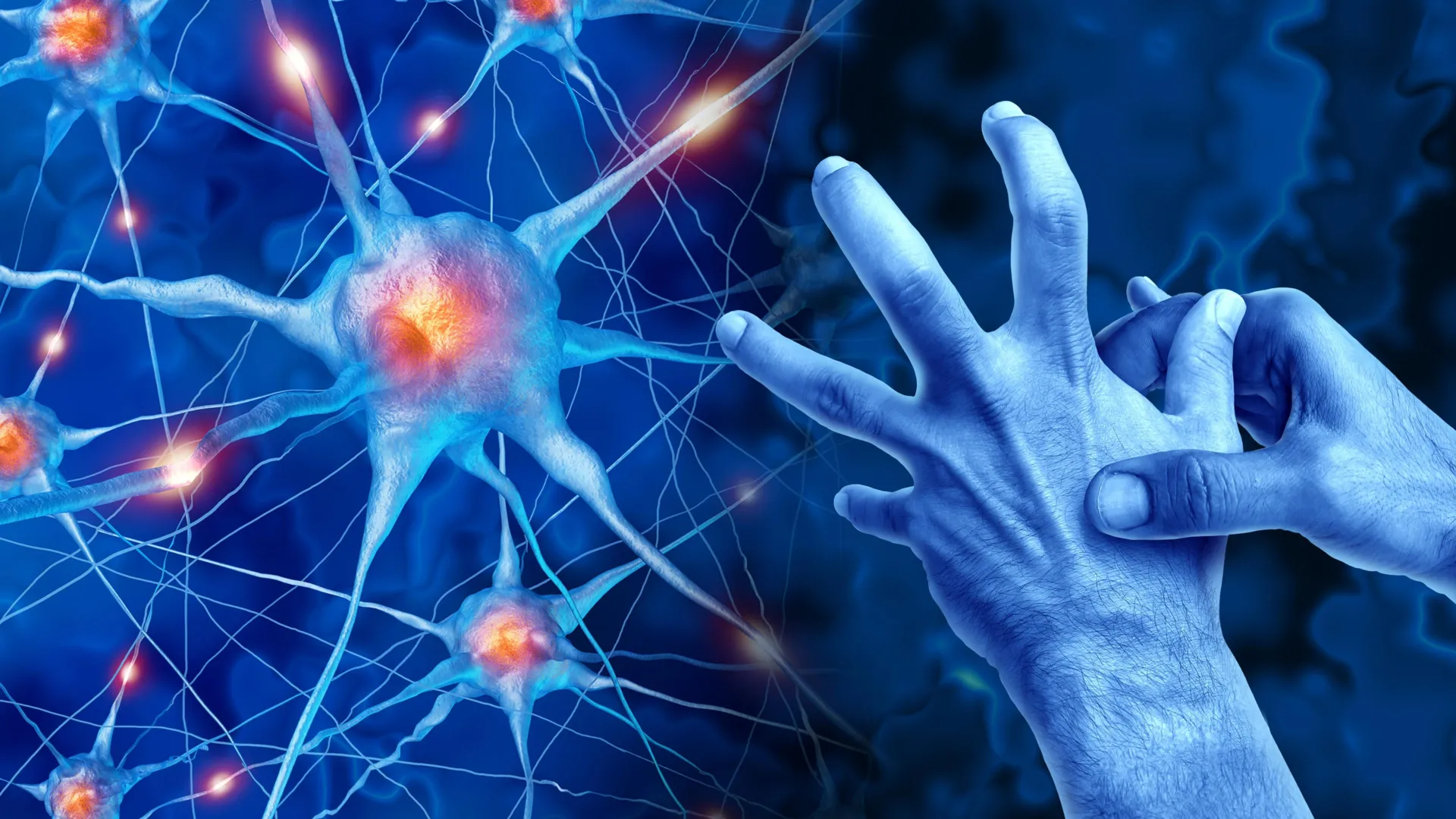
Autism, in particular, presents a unique challenge. It is characterized by a spectrum of social communication differences and repetitive behaviors, but the underlying biology is incredibly diverse. While approximately 10% to 30% of cases are "syndromic"—meaning they are linked to a known genetic mutation—the vast majority are "idiopathic," where the cause remains unknown. Because the human brain is inaccessible for direct cellular study during development, researchers have turned to brain organoids as a viable alternative. These three-dimensional clusters of cells mimic the early stages of brain development, offering a window into how genetic variations manifest as functional differences in neural networks.
Methodology: From Urine Samples to Neural Networks
The study’s methodology represents a significant advancement in non-invasive clinical research. Lead author Nisim Perets, CEO and co-founder of Itay&Beyond, and his team collected urine samples from a cohort of 15 participants. This group consisted of 11 individuals diagnosed with ASD and four neurotypical controls. The ASD group was further subdivided: ten participants had syndromic autism involving mutations in the SHANK3, PPP2R5D, SCN2A, GRIN2B, and STXBP1 genes, while one participant had idiopathic autism.
The process of creating the brain models followed a rigorous chronology:
- Cell Extraction: Epithelial cells, which line the urinary tract and are naturally shed into urine, were harvested from the samples.
- Reprogramming: Using Nobel Prize-winning technology, these cells were "reprogrammed" into induced pluripotent stem cells (iPSCs). These cells possess the unique ability to differentiate into any cell type in the human body.
- Organoid Maturation: Over a period of approximately 60 days, these iPSCs were directed to grow into more than 400 individual brain organoids. These models, while only a few millimeters in size, retain the exact genetic profile of the donor.
- Electrophysiological Analysis: Once the organoids reached maturity, they were placed on multi-electrode arrays (MEAs). These microchips, embedded with high-sensitivity sensors, allowed researchers to record the "conversations" between neurons—measuring 18 distinct electrical features, including firing rates, burst frequencies, and network synchronization.
Decoding the Electrical Signatures of Autism
The findings revealed a stark contrast between the control group and the autism-derived models. The neurotypical control organoids displayed a high degree of consistency, with their electrical activity patterns clustering closely together during data analysis. This suggested a "standard" baseline for healthy neural development at this stage of growth.
In contrast, the ASD-derived organoids showed significant divergence, often correlating with their specific genetic mutations:
Idiopathic Autism and Hypoactivity
The organoids derived from the individual with idiopathic autism exhibited a state of "hypoactivity." These samples showed significantly lower neuronal firing rates and fewer synchronized bursts of activity compared to the controls. This suggests that in some forms of autism, the primary neurological challenge may be a lack of sufficient network engagement or a "quieting" of neural communication.
Syndromic Autism and Hyperactivity
Conversely, most syndromic autism models demonstrated "hyperactivity." Organoids linked to the STXBP1, PPP2R5D, and GRIN2B mutations showed markedly increased firing rates. However, the nature of this hyperactivity varied. For instance, SCN2A-linked samples exhibited mixed firing rates but had a noticeably reduced electrical signal amplitude, indicating that while the neurons were active, the strength of their signals was compromised.
The Role of Specific Genetic Mutations
The study highlighted how different genes govern different aspects of brain function:
- SHANK3: Often associated with Phelan-McDermid syndrome, this gene is crucial for synapse formation. Organoids with this mutation showed impaired network adaptation.
- STXBP1: Mutations here are often linked to early-onset epilepsy. These organoids showed a pronounced collapse in network connectivity following electrical stimulation.
- SCN2A: This gene encodes a sodium channel essential for action potentials. The altered amplitudes in these models reflect the direct impact of the mutation on the neuron’s ability to generate electrical charges.
Synaptic Plasticity and Network Fragility
One of the most profound aspects of the study was the examination of short-term synaptic plasticity—the brain’s ability to strengthen or weaken connections in response to activity. In a healthy brain, this balance allows for learning and the filtering of sensory information.
The researchers applied brief electrical stimulations to the organoids to observe how they adapted. The control organoids maintained a stable and resilient network structure. However, the autism-derived organoids showed severe imbalances. Those with STXBP1 and SHANK3 mutations exhibited increased "short-term depression" (a temporary weakening of signals) and decreased "short-term potentiation" (a temporary strengthening).
Particularly striking was the "fragility" observed in the PPP2R5D and STXBP1 models. These networks appeared highly connected initially but experienced a catastrophic drop in connectivity immediately after stimulation. This finding may explain why individuals with certain types of autism experience sensory overload or "meltdowns"; their neural networks may lack the structural resilience to process and recover from external stimuli.
Implications for Personalized Medicine and AI
The ability to differentiate between autism subpopulations using electrophysiological data has immediate implications for the pharmaceutical industry. Currently, many autism treatments are prescribed on a trial-and-error basis. By using patient-derived organoids, clinicians could theoretically test a battery of medications on a patient’s lab-grown brain tissue to see which compound best normalizes their specific electrical "fingerprint."
Nisim Perets emphasized that the technology is already being utilized for this purpose. "Our technology is already being used to test drugs and compounds for pharma companies and academic institutions," Perets stated. He noted that Itay&Beyond is developing proprietary drugs specifically tailored to these identified subpopulations.
Furthermore, the study’s impact extends beyond clinical psychology. The researchers suggested that these biological neuronal networks could serve as new models for artificial intelligence. By studying how human neural networks process information with extreme energy efficiency, computer scientists may be able to develop more advanced, biologically inspired AI architectures and brain-computer interfaces (BCIs).
Analysis of Broader Impacts and Future Directions
While the study is a major step forward, the scientific community maintains a cautious optimism. Brain organoids are simplified models; they lack blood vessels, an immune system, and the complex regional architecture of a mature human brain. They represent the "fetal" stage of development, meaning they may not fully capture the complexities of an adult brain.
However, the fact that these models could replicate specific clinical histories—such as abnormal rhythmic bursting in a sample from a patient with a history of seizures—is highly encouraging. It suggests that even in their simplified state, organoids capture the essential "logic" of an individual’s neural circuitry.
The transition from invasive skin biopsies to non-invasive urine samples also democratizes this type of research. It allows for larger-scale studies involving children and individuals with high support needs who might not tolerate more invasive procedures. As the database of "electrical fingerprints" for various genetic conditions grows, the potential for a diagnostic tool that identifies the specific biological "type" of autism at an early age becomes increasingly realistic.
The study concludes that the future of neurodevelopmental treatment lies in recognizing that "autism" is not a single entity, but a collection of distinct biological conditions that happen to share a common clinical description. By focusing on the unique electrophysiological signatures of each individual, the medical field moves closer to a future where neurodivergence is understood and supported at the cellular level.