Ronny Sianturi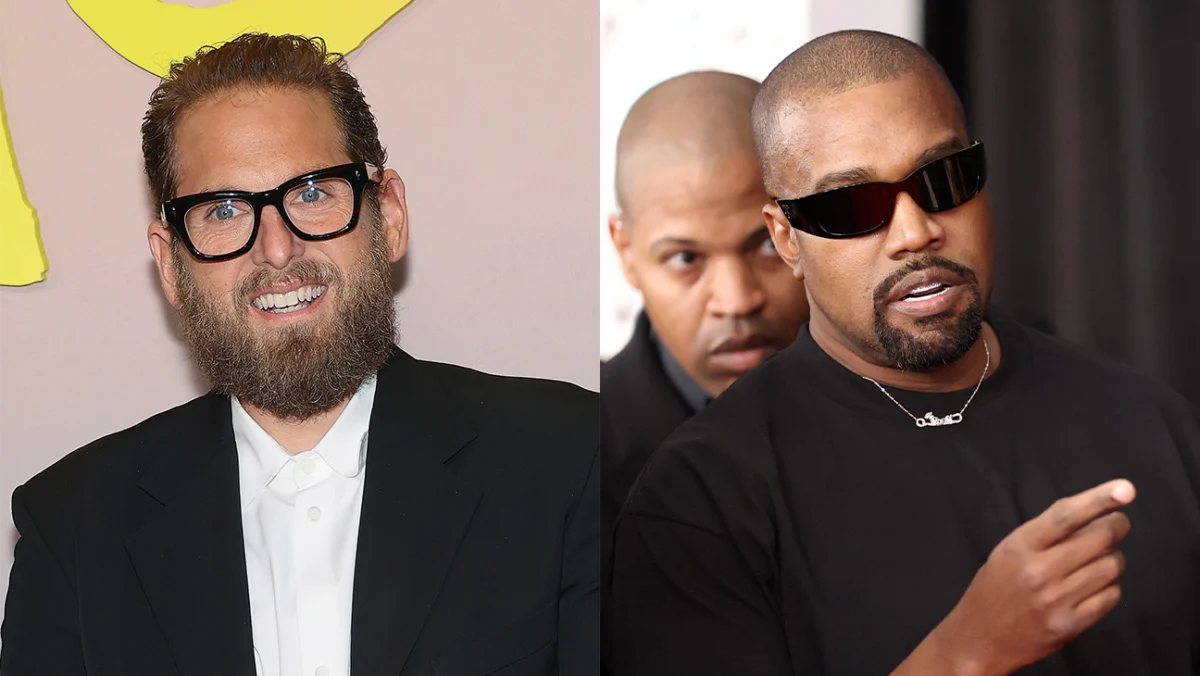
Actor and filmmaker Jonah Hill has introduced a pointed jest involving Kanye West, also known as Ye, in his latest directorial effort, Outcome. The comedic jab, which centers on West’s widely publicized antisemitic remarks and a peculiar 2023 Instagram post where he claimed that watching Hill’s performance in 21 Jump Street made him "like Jewish people again," has ignited further discussion surrounding the rapper’s controversial public persona and its impact on cultural discourse. Hill, who is himself Jewish, discussed the genesis of the joke and his complex feelings about West’s actions during a recent appearance on Apple Music’s The Zane Lowe Show.
The inclusion of the joke in Outcome stems directly from a 2023 social media post by West. In this post, the artist, who has faced severe condemnation for a string of antisemitic statements and the release of a song titled "Heil Hitler," seemingly attempted to mend fences with the Jewish community by referencing Hill’s popular 2012 action-comedy. Hill characterized West’s declaration as a "bizarre public thing" intended as a form of appeasement. "I felt that he did this bizarre public thing to kind of make up, like, ‘It’s all good cause I love Jonah,’" Hill stated, reflecting on the post. He continued, expressing a desire for reconciliation and healing, "It just sat with me in a way that it’s, like, all good. I love him still, and I hope whatever happens, he can heal or whatever, and everyone can heal from all that stuff. … I hope he can heal and make it right with the people he needs to make it right [with] in the Jewish community. Me and him got no beef."
The Genesis of the Cinematic Jab
The specific joke in Outcome unfolds when a character’s assistant remarks, "We did the research and it turns out hating Jews doesn’t hurt your career, it helps it." This statement is then visually underscored by the appearance of West’s photograph. Hill elaborated on the deliberate nature of this comedic insertion during his conversation with Lowe. He emphasized that the joke was not solely intended as a personal attack on West, with whom he has had past interactions.
"The reason why I put that in there was not just to take a shot at Kanye. I love the Kanye that I’ve met over the years. I love the artist. I think there is no artist I probably love more across any genre ever. I think he is probably the greatest artist ever to live. And he thinks that," Hill explained, a hint of amusement in his voice. He acknowledged West’s undeniable artistic genius while simultaneously condemning his hateful rhetoric. "He’s a genius, and the stuff with the hate stuff sucks. What are you going to say? It sucks, no matter who you are, to hear that. Now, do I know what’s going on? No. Am I going to punch someone while they’re down? No, of course not."
Hill’s intention, as he articulated, was to directly address the jarring disconnect between West’s public pronouncements and his continued professional success. "I just put that in there like, yo, you’re going to put the 21 Jump Street poster up there and say you don’t hate Jews anymore? That’s pretty wild. I’m gonna put a picture of you saying that hating Jews helps your career. Obviously, that’s a joke on my part. It doesn’t help your career, but it’s me just having fun. I’m a comedian." This framing highlights Hill’s perspective that the joke serves as a satirical commentary on the bizarre nature of celebrity and public perception, particularly in the face of severe ethical transgressions.
Broader Cultural Commentary
In a separate interview with SiriusXM’s Julia Cunningham, Hill further contextualized the joke, positioning it as a broader critique of the often contradictory and perplexing nature of contemporary culture. He suggested that the joke aims to expose the "culture’s fucking weird and it always has been and it always will be. And one of the funny things about it is like you can go on a Jew-hating tour and then sell out [SoFi Stadium]." This sentiment underscores the public’s complex relationship with figures who engage in harmful rhetoric yet maintain significant platforms and commercial success.
This observation by Hill is particularly relevant given West’s recent concert performances. Despite the widespread condemnation of his antisemitic remarks, West has experienced considerable success in his live appearances. He recently sold out two nights at SoFi Stadium in Inglewood, California, for concerts supporting his album Vultures. Furthermore, he is slated to headline the U.K.’s Wireless Festival. This booking has occurred despite significant backlash, leading several companies, including Pepsi, to withdraw their sponsorships. Notably, the festival’s managing director has defended West’s inclusion as a headliner, advocating for "forgiveness and hope."
A Pattern of Controversy
The instances cited by Hill are part of a larger pattern of controversial behavior and statements by Kanye West. Beyond his antisemitic rhetoric and the "Heil Hitler" song, West has engaged in other actions that have drawn widespread criticism. In early 2025, a Super Bowl ad promoted his Yeezy website, which featured swastika-emblazoned t-shirts. While West did issue an apology for his antisemitic statements in a Wall Street Journal advertisement earlier this year, he has not extensively addressed the broader controversies surrounding his actions. This pattern of offensive statements followed by apologies, or periods of silence, has created a complex and often disturbing public narrative around the artist.
The Chronology of West’s Controversies and Hill’s Response
The timeline of West’s antisemitic remarks and public outcry is a crucial backdrop to understanding Hill’s comedic commentary:
- Late 2022: Kanye West makes a series of increasingly egregious antisemitic statements across multiple interviews and social media platforms. These remarks include praise for Adolf Hitler and the denial of the Holocaust, leading to widespread condemnation from public figures, organizations, and the general public.
- October 2022: Adidas terminates its partnership with West, citing his antisemitic remarks. This decision marks a significant financial blow to the artist and signals the broad rejection of his statements by major corporations.
- December 2022: West appears on Alex Jones’s Infowars, where he reiterates his antisemitic views and expresses admiration for Hitler, further intensifying the backlash.
- Early 2023: Amidst escalating criticism and the severing of numerous business ties, West makes the now-infamous Instagram post referencing Jonah Hill and 21 Jump Street, suggesting that Hill’s performance had a positive impact on his views regarding Jewish people.
- 2023-2024: West continues to release music and schedule performances, often in the face of continued public scrutiny. His album Vultures and associated concerts demonstrate a degree of continued public engagement, despite the lingering controversy.
- February 2024: West releases a Super Bowl ad that directs viewers to his Yeezy website, which subsequently displays swastika imagery.
- Early 2024 (WSJ Ad): West issues a formal apology for his antisemitic statements in an advertisement placed in The Wall Street Journal.
- Mid-2024: Jonah Hill discusses the Kanye West joke in his film Outcome on The Zane Lowe Show and in an interview with SiriusXM, providing context for his comedic choices and reflecting on the broader cultural implications of West’s actions.
Supporting Data and Implications
The financial and professional repercussions of West’s antisemitic remarks have been substantial. Estimates suggest that West lost billions of dollars in endorsement deals and business partnerships following his offensive statements. Companies like Adidas, Balenciaga, and Gap severed ties, impacting his Yeezy brand significantly. This economic fallout, however, has not entirely diminished his reach within certain artistic and fan circles.
Hill’s joke in Outcome serves as a form of artistic commentary, using humor to confront uncomfortable truths. By juxtaposing West’s hateful rhetoric with his continued ability to command large audiences and sell out venues, the joke highlights a societal tendency to separate artistic output from the personal conduct of artists, a phenomenon that has been debated extensively in the entertainment industry. The implication is that such a separation, while perhaps understandable for some fans of the art, raises ethical questions about the normalization of harmful ideologies.
Furthermore, Hill’s own position as a prominent Jewish figure engaging with this topic adds a layer of personal significance. His nuanced approach—acknowledging West’s artistic merit while unequivocally condemning his hateful speech—reflects a common sentiment among those grappling with the complexities of separating the art from the artist. His expressed hope for West’s healing and reconciliation with the Jewish community suggests a desire for accountability and positive change, rather than solely punitive measures.
The broader impact of Hill’s joke and his commentary lies in its contribution to the ongoing cultural conversation about antisemitism, celebrity accountability, and the role of art in society. By embedding this commentary within a film, Hill offers a platform for audiences to consider these issues through a comedic yet critical lens. The fact that a joke referencing such a sensitive and contentious issue can be included in a mainstream film underscores the persistent presence of these controversies in the cultural consciousness. The continued success of artists who have engaged in harmful rhetoric, despite widespread condemnation, remains a complex and often troubling aspect of the contemporary entertainment landscape, a tension that Jonah Hill’s cinematic jab effectively illuminates.