Nila Kartika Wati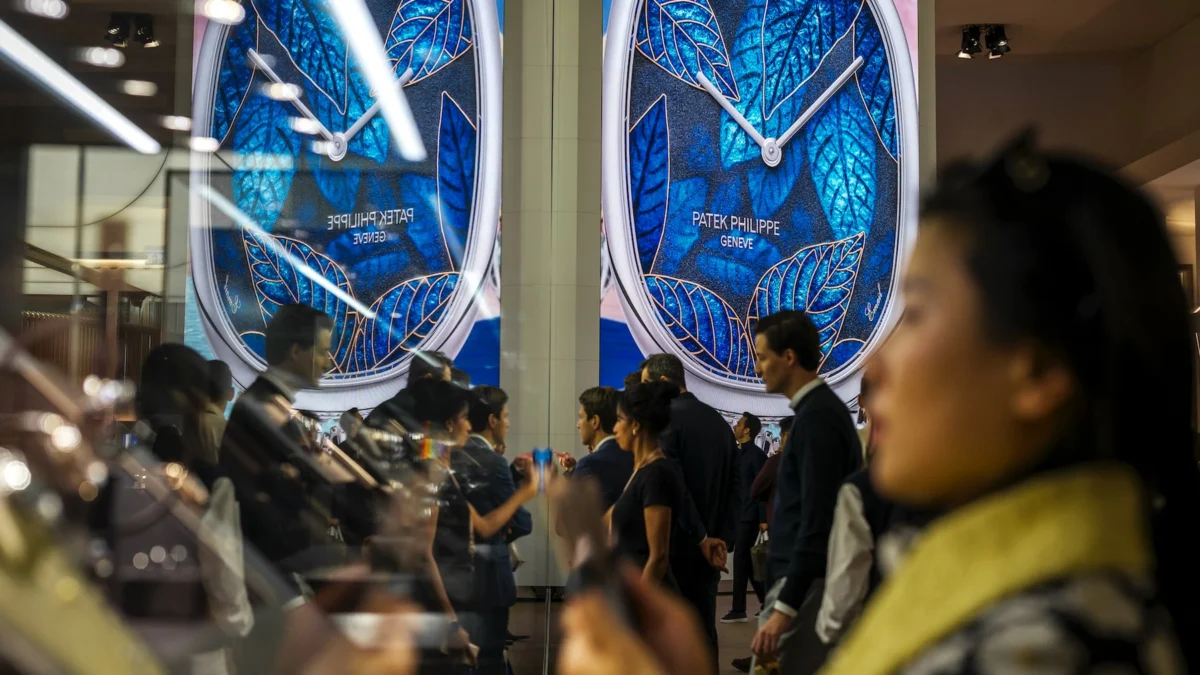
The global luxury watch industry, a sector often perceived as insulated from the vagaries of geopolitical instability, is finding itself increasingly intertwined with international events. As the industry prepares for its flagship annual fair, Watches & Wonders Geneva, scheduled to commence on April 1, 2025, a palpable sense of caution is permeating the sector. Watches expert Robin Swithinbank, in his latest bi-monthly briefing, highlights how the escalating tensions in the Middle East are casting a long shadow over the industry’s growth prospects, prompting a re-evaluation of market dynamics and future outlook. This period of uncertainty arrives as the industry grapples with the dual challenge of maintaining its heritage of exclusivity and craftsmanship while adapting to evolving consumer behaviors and a dynamic global landscape.
Watches & Wonders Geneva: A Barometer for the Industry
Watches & Wonders Geneva, held annually in the heart of Switzerland’s watchmaking capital, serves as the undisputed apex event for the luxury horology sector. This prestigious fair brings together the most renowned maisons, from titans like Rolex and Patek Philippe to emerging independent brands, to unveil their latest creations, innovations, and collections. For decades, it has been the primary platform for industry professionals, collectors, and the media to gauge the pulse of the market, identify emerging trends, and secure significant business deals. The event’s significance extends beyond mere product launches; it functions as a critical barometer, reflecting the health, innovation, and future direction of the entire luxury watch ecosystem.
The 2025 edition, while poised to showcase groundbreaking timepieces and reinforce the enduring appeal of Swiss watchmaking, is unfolding against a backdrop of considerable global unease. The ongoing conflict in the Middle East, a significant market for luxury goods, has introduced a layer of complexity that industry leaders are diligently assessing. This region, characterized by a discerning clientele with a strong appreciation for high-end watches, has historically been a vital contributor to the sector’s revenue streams. Disruptions to travel, economic uncertainty, and a general sentiment of instability can invariably impact discretionary spending on luxury items.
The Ripple Effect of Middle Eastern Tensions on Luxury Sales
The Middle East, encompassing key markets such as the United Arab Emirates, Saudi Arabia, and Qatar, represents a substantial consumer base for luxury watches. High net worth individuals in these regions have long been ardent collectors and significant purchasers of timepieces from esteemed brands. The current geopolitical climate, however, presents several challenges that could dampen demand.
Firstly, disruptions to travel and tourism directly affect the purchasing power of individuals who often engage in luxury shopping during international travel. Furthermore, regional instability can lead to a general sentiment of caution, prompting consumers to prioritize essential expenditures over non-essential luxury purchases.
Secondly, economic repercussions stemming from the conflict, such as fluctuating energy prices and potential impacts on global trade routes, can indirectly influence consumer confidence and disposable income. While the ultra-wealthy may be more insulated, a broader economic slowdown can still influence spending patterns across various segments of the luxury market.
Thirdly, the psychological impact of prolonged conflict cannot be underestimated. A pervasive sense of unease can lead to a more conservative approach to spending, even among those with significant wealth. This "wait-and-see" attitude can translate into delayed purchasing decisions for high-value items like luxury watches.
Data from industry reports in previous years has consistently shown a robust demand from the Middle East for Swiss watches, with the region often ranking among the top export destinations. For instance, the Federation of the Swiss Watch Industry (FH) has frequently cited the Middle East as a key growth driver. However, the current geopolitical situation necessitates a revised forecast, with potential for a slowdown in growth or even a contraction in sales from this crucial market. Experts are closely monitoring economic indicators and consumer sentiment surveys from the region to ascertain the precise magnitude of this impact.
A Look Back: The Resilience and Evolution of the Watch Industry
The luxury watch industry has a storied history of resilience, having weathered numerous economic downturns and technological shifts. From the quartz crisis of the 1970s to the rise of smartwatches in the 21st century, the sector has consistently demonstrated its ability to adapt and innovate while preserving its core values.
The quartz crisis, for example, threatened to decimate the Swiss mechanical watch industry. However, rather than succumbing, Swiss manufacturers responded by focusing on the intrinsic value of mechanical movements, craftsmanship, and heritage, effectively repositioning mechanical watches as luxury art objects rather than mere timekeeping devices. This strategic pivot allowed them to carve out a distinct niche and thrive alongside the more affordable and functional quartz watches.
More recently, the advent of smartwatches posed another challenge. While some predicted the demise of traditional watches, the industry found a way to coexist. Smartwatches carved out their own segment, catering to a different consumer need for connectivity and functionality, while mechanical luxury watches solidified their position as status symbols, heirlooms, and investments. Brands like Apple, Samsung, and Garmin have successfully captured the tech-savvy consumer, while traditional Swiss brands have emphasized their timeless appeal and enduring value.
This historical context is crucial for understanding the industry’s current approach to challenges. The leadership at major watchmaking houses is acutely aware of the lessons learned from past disruptions. Their strategies often involve a long-term perspective, focusing on brand equity, product innovation, and cultivating enduring customer relationships rather than reacting solely to short-term market fluctuations.
Navigating the Present: Industry Reactions and Anticipated Strategies
While official statements from the major watch brands at Watches & Wonders Geneva are typically measured and forward-looking, the underlying sentiment among industry stakeholders is one of cautious optimism tempered by realism. The anticipation is that the brands will leverage the fair to reinforce their core strengths: unparalleled craftsmanship, timeless design, and the emotional connection associated with owning a piece of horological history.
Inferred strategies from past industry responses to crises suggest that brands will likely:
- Emphasize Heritage and Craftsmanship: With uncertainty in the market, consumers often gravitate towards enduring value. Brands will likely highlight the artisanal skills, meticulous attention to detail, and the generations of expertise that go into creating each timepiece. This reinforces the idea of a luxury watch as an investment in lasting quality.
- Focus on Core Markets: While the Middle East remains important, brands may discreetly adjust their marketing and sales efforts to focus more intensely on regions less affected by the current geopolitical tensions, such as North America and parts of Asia.
- Reinforce Exclusivity and Limited Editions: To maintain desirability and command premium pricing, brands may further emphasize limited production runs and exclusive collections. This not only caters to the collector market but also creates a sense of urgency and heightened value, even in uncertain times.
- Strengthen Direct-to-Consumer (DTC) Channels: The pandemic accelerated the trend towards DTC sales, and this will likely continue. Brands may invest further in their own boutiques, online retail platforms, and personalized customer experiences to mitigate reliance on potentially volatile wholesale channels.
- Innovate Strategically: While major disruptive innovations might be reserved for more stable periods, brands will undoubtedly showcase advancements in materials, complications, and design that appeal to both traditionalists and a new generation of watch enthusiasts. The focus will be on evolution rather than revolution.
The Patek Philippe booth, as seen in the accompanying image from April 1, 2025, at Watches & Wonders Geneva, often serves as a microcosm of the industry’s enduring appeal. The meticulous display of their timepieces, attracting keen interest from visitors, underscores the inherent desire for luxury and precision. While this particular image captures a moment of engagement, the broader context of the fair is one where such interactions are crucial for shaping future demand and reinforcing brand loyalty. The brands on display are not just selling watches; they are selling stories, legacies, and symbols of achievement.
Broader Impact and Long-Term Implications
The current geopolitical climate and its potential impact on the luxury watch industry serve as a stark reminder of the interconnectedness of global affairs and commerce. The industry’s ability to navigate these challenges will not only determine its short-term financial performance but also shape its long-term trajectory.
- Diversification of Markets: The reliance on specific, high-spending regions has always been a potential vulnerability. This period of tension may prompt a more concerted effort to diversify sales channels and marketing strategies across a broader geographical spectrum.
- Evolving Consumer Priorities: The ongoing global discussions around sustainability, ethical sourcing, and social responsibility are increasingly influencing consumer purchasing decisions, even in the luxury sector. Brands that can effectively communicate their commitment to these values may find themselves better positioned for future growth.
- The Enduring Allure of Tangible Assets: In times of economic and geopolitical uncertainty, tangible assets like luxury watches, which hold intrinsic value and are perceived as enduring investments, often see renewed interest. This could, in the medium to long term, create a counterbalancing effect to any immediate slowdown.
- Technological Integration: While mechanical watches remain the pinnacle of luxury for many, the industry will continue to explore how technology can be integrated in non-intrusive ways, perhaps in terms of customer experience, authentication, or even subtle functionalities that enhance the ownership of a traditional timepiece.
The watches expert Robin Swithinbank’s assessment underscores a critical juncture for the luxury watch industry. As Watches & Wonders Geneva opens its doors, it does so with the customary display of horological brilliance, but also with a heightened awareness of the external forces shaping its future. The sector’s ability to adapt, innovate, and remain true to its heritage will be tested, but history suggests that the enduring allure of fine watchmaking, coupled with strategic foresight, will enable it to navigate these turbulent waters and continue to tick forward. The dialogue initiated by Swithinbank serves as a vital reminder that even in the seemingly timeless world of luxury watches, the geopolitical pendulum inevitably swings, demanding vigilance and adaptability from all stakeholders.