Jono Maryono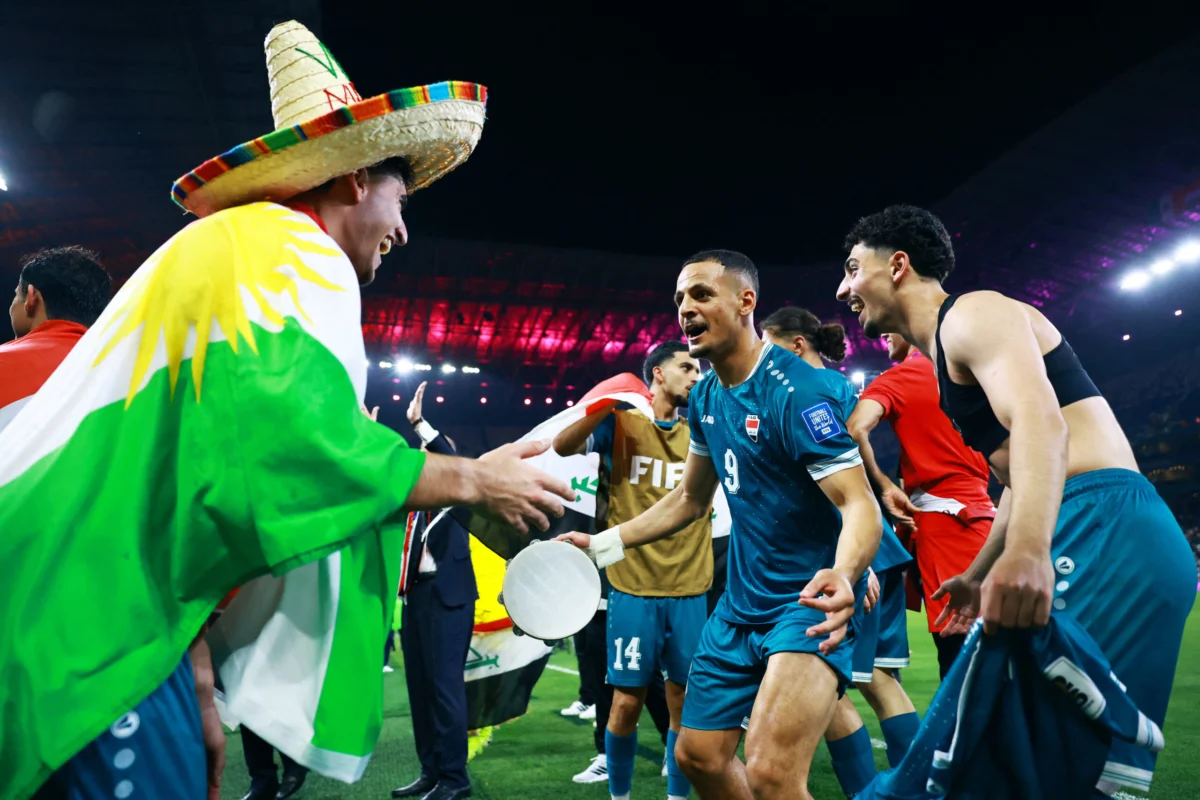
Iraq has officially ended a four-decade drought, clinching their first FIFA World Cup appearance since 1986 with a dramatic 2-1 victory over Bolivia in the intercontinental playoffs held in Mexico. The triumph, secured at the iconic Monterrey Stadium in Guadalupe, marks a monumental achievement for Iraqi football, designating them as the 48th nation to qualify for the expanded 2026 tournament.
The "Lions of Mesopotamia," as the Iraqi national team is affectionately known, battled through a tense encounter against their South American counterparts. Goals from the dynamic duo of Ali Al-Hamadi and Aymen Hussein proved decisive, etching their names into the annals of Iraqi sporting history. The victory not only signifies a return to the pinnacle of international football but also provides a much-needed beacon of joy and national pride amidst ongoing regional complexities.
A Match Defined by Resilience and Determination
The decisive playoff final unfolded on Tuesday at the Monterrey Stadium, a venue steeped in footballing history and a co-host for the upcoming World Cup. Iraq’s journey to this point was fraught with challenges, including significant travel disruptions and logistical hurdles stemming from the volatile geopolitical situation in the Middle East. Despite these adversities, the team showcased remarkable resilience and unwavering focus.
The match began with an immediate surge of optimism for the Iraqi contingent. In the 10th minute, Ali Al-Hamadi found the back of the net, delivering a crucial early lead and igniting the hopes of supporters worldwide. This breakthrough provided the perfect start for a team carrying the weight of expectation from a nation yearning for this moment.

However, Bolivia, themselves on the cusp of a World Cup qualification that would have been their first since 1994, refused to cede ground. Their tenacity was rewarded in the 38th minute when Moises Paniagua leveled the score. The equalizer came after a period of sustained pressure from the South American side, demonstrating their capability to compete at this high level. The first half concluded with the scoreline precariously balanced, setting the stage for a gripping second-half showdown.
The deadlock was ultimately broken shortly after the interval, in the 53rd minute. A well-orchestrated attacking move saw Marko Farji deliver a pinpoint cross, which Aymen Hussein expertly converted from close range. This decisive goal, a testament to Hussein’s predatory instincts, proved to be the match-winner, sending the Iraqi bench and their passionate supporters into a frenzy. The remaining minutes were a display of resolute defending from Iraq, as they successfully weathered Bolivia’s attempts to find another equalizer.
Navigating Adversity: The Road to Mexico
The qualification for the 2026 FIFA World Cup was far from a straightforward path for Iraq. Weeks prior to their crucial playoff final, the team’s participation hung precariously in the balance. The escalating conflict in the Middle East had created significant travel chaos, severely impacting the squad’s ability to assemble and prepare effectively.
In a testament to the challenging circumstances, Iraq’s head coach, Graham Arnold, publicly appealed to the tournament organizers to postpone their fixture. This plea was aimed at allowing the squad sufficient time to gather, train, and acclimatize for the all-important match that would determine their World Cup fate. The emotional toll and logistical complexities faced by the players were immense, underscoring the depth of their commitment.
Ultimately, the team and coaching staff managed to arrive in Mexico just one week before the playoff final. They commenced their preparations in the host city, racing against time to build cohesion and tactical understanding. This compressed preparation period highlights the extraordinary mental fortitude displayed by the Iraqi players and staff.

A Coach’s Pride and a Nation’s Joy
Following the historic victory, a visibly elated Coach Graham Arnold lauded his players for their extraordinary effort and unwavering spirit. "I must congratulate the players who played with real Iraqi mentality, fighting and putting their bodies on the line, and that’s why we won the game," Arnold stated. His words underscored the grit and determination that defined the team’s performance on the field.
Arnold also acknowledged the broader significance of the win for his adopted nation. "I am so happy that we’ve made 46 million people happy, and especially with what’s going on in the Middle East at the moment," he remarked. The triumph serves as a powerful symbol of hope and unity for Iraq, offering a much-needed respite from regional tensions.
The Australian tactician also extended his respect to their opponents, Bolivia. "You’ve got to give full credit to Bolivia, because they played well. And it was just through the great defending from our players, who put their bodies on the line as I said, and we defended the crosses really well. That’s why we won the game," Arnold added, acknowledging the competitive nature of the match.
Group Stage Draw and Future Prospects
With their qualification secured, Iraq now turns its attention to the 2026 FIFA World Cup, which will be co-hosted by Canada, Mexico, and the United States. The draw for the tournament has placed Iraq in what is widely considered a formidable Group I. They are set to face strong opposition in the form of France, Norway, and Senegal.
The Iraqi campaign will commence on June 16 in Boston, where they will lock horns with Norway. Their second fixture is scheduled for June 22 in Philadelphia, against the formidable 2018 World Cup champions, France. The group stage concludes on June 26 in Toronto, Canada, with a match against Senegal. Navigating this challenging group will require Iraq to maintain their high level of performance and tactical discipline.

The Intercontinental Playoff Landscape
Iraq and the Democratic Republic of Congo emerged as the two seeded teams in the intercontinental playoff tournament, earning direct qualification to the finals based on their continental rankings. Both nations lived up to their billing, securing victories in their respective playoff matches to round out the 48-team field for the expanded World Cup. The Democratic Republic of Congo clinched their spot by defeating Jamaica 1-0 in an earlier fixture.
Bolivia’s path to the playoff final involved a preceding victory over Suriname in Monterrey. Similarly, Jamaica had overcome New Caledonia to reach their playoff encounter. These playoff matches provided a crucial pathway for nations from different confederations to compete for the final coveted World Cup spots.
A Return to the World Stage: Historical Context
Iraq’s previous and only appearance at the FIFA World Cup was in Mexico in 1986. During that tournament, they participated in Group C alongside hosts Mexico, Belgium, and Paraguay. Despite the immense pride of reaching the global stage, their campaign ended without a victory, as they lost all three of their group matches. The current generation of Iraqi footballers has now surpassed that historical achievement, marking a significant milestone in the nation’s footballing journey.
The 2026 FIFA World Cup, set to be the largest in history with 48 participating teams, promises to be a spectacle of global football. Iraq’s inclusion adds a compelling narrative of resilience and determination to the tournament, showcasing the power of sport to unite and inspire. Their journey from the challenges faced in qualification to securing a spot on the world’s biggest sporting stage is a testament to the enduring spirit of Iraqi football. The nation will undoubtedly rally behind its team as they prepare to compete against some of the world’s best on the grandest of stages.