Jono Maryono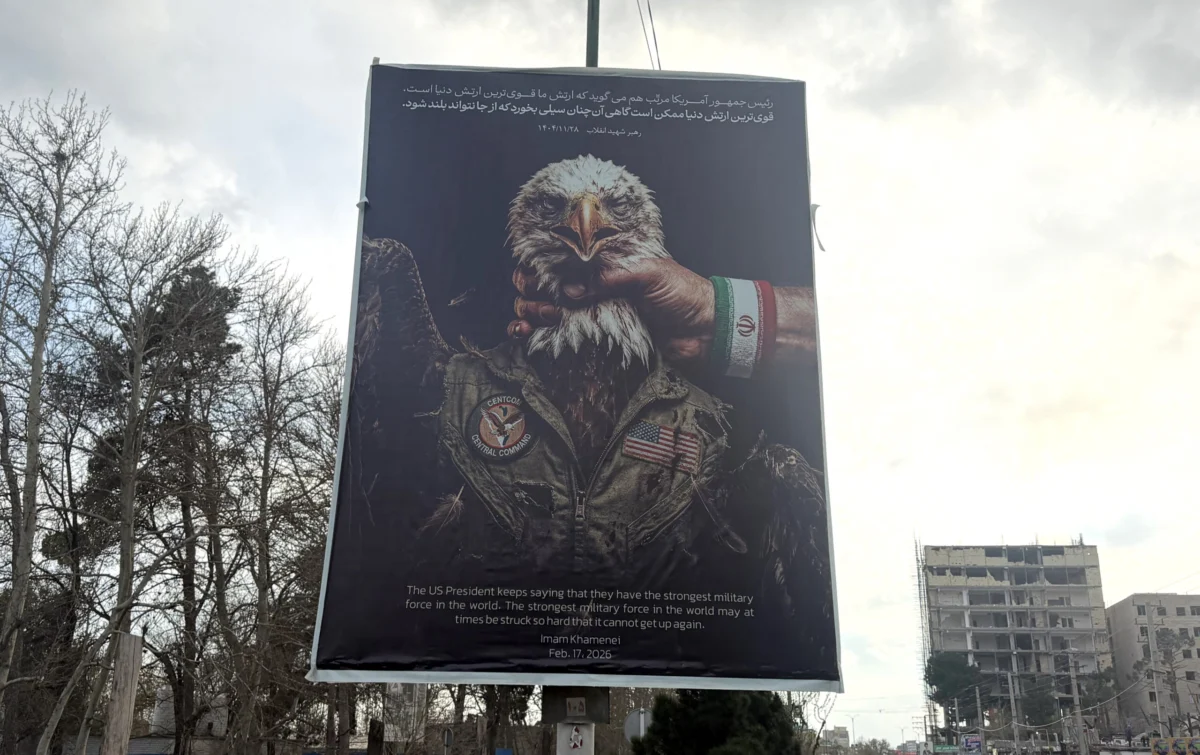
Tehran, Isfahan, and numerous other Iranian cities have become the focal points of intensified aerial bombardments attributed to the United States and Israel, as local military commanders express readiness for a protracted conflict that could include potential US ground incursions. The sustained attacks, which have punctuated the days and nights since the conflict’s inception over a month ago, have led to significant disruptions, including widespread electricity outages in the capital. The Ministry of Energy confirmed damage to a major power transfer line due to shrapnel and shockwaves, though it reported that repairs were completed within hours.
The strikes have not been limited to the capital. Industrial zones in Karaj and surrounding towns have also been targeted. The Israeli military, in a move to preempt further civilian casualties, released an aerial map warning citizens to avoid an area in Vardavard, west of Tehran, which houses numerous pharmaceutical companies. One of the most prominent targets reported was Tofigh Darou, a major pharmaceutical firm, believed to have been struck by multiple projectiles. This strike carries significant implications for Iran, where over 90 percent of its medicines are produced domestically due to enduring US sanctions. Tofigh Darou is a critical supplier of ingredients for a wide array of drugs, including life-saving cancer medications and immunomodulators used to treat conditions like multiple sclerosis.
In the central Iranian province of Isfahan, residents experienced a night of intense bombardment. Heavy bunker-buster munitions were reportedly dropped on a mountainous region adjacent to the metropolis, in what appears to be a deliberate effort to target military installations. The impact of these powerful munitions triggered secondary explosions, described as some of the most significant since the war began on February 28th. These explosions illuminated the night sky and generated powerful sonic reverberations felt across the city.
Further northwest, in Zanjan, local media outlets have broadcast footage depicting extensive damage to a building identified as the "administrative department" of Hosseinieh Azam, a prominent religious center. Authorities have confirmed at least four fatalities and several injuries, though the identities of the deceased have not been disclosed.
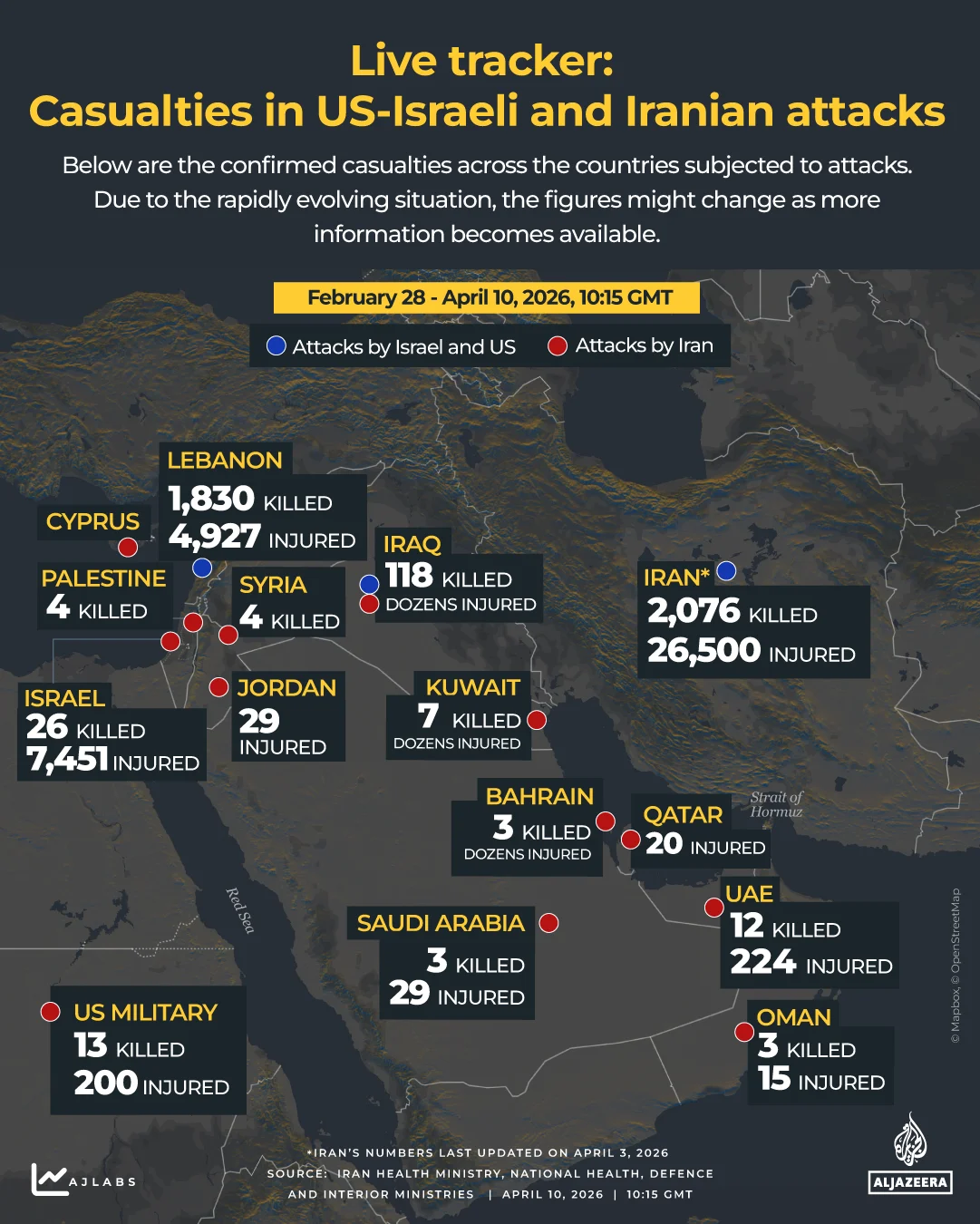
Iranian authorities have presented a grim toll, stating that over 2,000 individuals have been killed as a direct result of US-Israeli strikes since the war’s commencement. The scale of destruction is further evidenced by the reported impact on a substantial number of residential units, educational institutions, healthcare facilities, and historical sites across the country.
The offensive has also encompassed strategic civilian and military infrastructure. This week alone, US and Israeli warplanes have reportedly targeted multiple civilian nuclear sites, key steel manufacturers and their power sources, petrochemical plants, and the Iran University of Science and Technology in Tehran. The university’s facilities are particularly noteworthy, as it was the site where an imaging satellite was developed. The conflict’s human cost has also been evident in targeted assassinations; a professor instrumental in advancing Iran’s missile program was killed along with his two children at their home in northern Tehran the previous week.
Adding to the escalating tensions, US President Donald Trump has reiterated threats to target Iran’s vital oil and gas infrastructure, power generation facilities, and potentially all of the nation’s water desalination plants. These statements underscore the strategic nature of the ongoing conflict, aiming to cripple Iran’s economic and essential service capabilities.
Commanders Signal Defiance Amidst Escalating Attacks
Despite the relentless onslaught, top commanders within Iran’s Islamic Revolutionary Guard Corps (IRGC), widely believed to be orchestrating the war effort and shaping the nation’s future, have maintained a posture of defiance. On Tuesday, the spokesperson for the Khatam al-Anbiya Central Headquarters of the IRGC declared that Iran’s adversaries were "humiliated and on the path of destruction." This statement comes as the US reportedly contemplates ground attacks on strategic islands along Iran’s southern coast.
Ebrahim Zolfaghari, addressing the potential US ambition to control the Strait of Hormuz through military action, stated in a video message that such an endeavor would be a "wish they [the US] will take forever to the grave." His remarks coincided with reports of an Iranian drone attack that ignited a fire on a Kuwaiti tanker docked at Dubai Port.
The IRGC has also released footage showcasing ballistic missile launches directed at Israel and other regional nations. Additionally, they presented evidence of shooting down what they claim were two US military MQ-9 Reaper drones. The IRGC has vowed retaliatory strikes against technology companies in the region with alleged links to the US and Israel.
State television has featured analysts who posit that a US ground incursion could, paradoxically, benefit the Islamic Republic. The argument suggests that American forces would face significant attrition while attempting to dislodge entrenched IRGC positions on strategic islands. Ali Fadavi, a senior IRGC commander, articulated this sentiment during a televised interview on Tuesday, asserting that "American vessels are the most vulnerable point of the enemy." He further alleged that US warships were transmitting "fake signals" from their transponders, indicating a strategic deception intended to mask their true proximity to Iranian shores and, in his view, showcasing the "full preparedness of our forces."
Ali Akbar Velayati, a former foreign minister and long-serving foreign policy advisor, characterized any potential ground aggression as an escalation that would transform the conflict into a "historical and civilizational defense," echoing the framing employed by Israeli and US officials who have described the war in such terms.
Iran Intensifies Internal Repression and Executions
Concurrently with the external conflict, Iranian authorities have maintained a stringent stance against any perceived internal dissent, issuing warnings through state media of severe repercussions, including execution by hanging. The judiciary confirmed the execution of two individuals on Tuesday morning, identified as armed members of the Mojahedin-e-Khalq (MEK) group, which Tehran designates as a terrorist organization. These executions follow a series of similar actions on Monday and in preceding weeks, some of which were linked to the nationwide protests that swept Iran in January, resulting in widespread casualties.
The United Nations and various human rights organizations have accused Iranian state forces of conducting an extensive and brutal crackdown on peaceful demonstrators. However, Iranian authorities consistently blame "terrorists" and "rioters" allegedly backed by the United States and Israel for the unrest.
Alireza Jahangir, the judiciary’s spokesman, announced on Tuesday that new indictments have been issued against 200 individuals accused of being "mercenaries" collaborating with the US and Israel. These accusations reportedly include documenting and disseminating footage of air strikes to foreign media outlets, an act considered defiance of the theocratic establishment. The judiciary has reiterated that national security offenses carry severe penalties, including the full confiscation of assets and capital punishment. Several Iranian celebrities and business figures, both domestically and abroad, have already had their assets seized for their opposition to the Islamic Republic.
The government of President Masoud Pezeshkian convened its first cabinet meeting since the war’s outbreak late Monday. Images from the meeting depicted a makeshift setting, suggesting the need for secure and undisclosed locations for such gatherings.
Reports from Israel’s Channel 14 have alleged that President Pezeshkian has been seeking to secure negotiating authority with the United States, coinciding with US President Trump’s claims of progress in talks. However, the Israeli outlet also reported that IRGC chief Ahmad Vahidi rejected this initiative, expressing reluctance to make concessions to the US and Israel. Iran has not officially commented on these reports. During the cabinet meeting, President Pezeshkian was quoted as stating that "Any decision-making about ending the war will be adopted strictly while considering all raised conditions and in the framework of ensuring dignity, security and interests of the great Iranian nation," emphasizing Iran’s demands for guarantees and reparations.
Broader Implications and Regional Instability
The sustained military actions by the US and Israel against Iran, coupled with Iran’s internal crackdown and defiant rhetoric, signal a significant escalation of the conflict in the Middle East. The targeting of pharmaceutical facilities, nuclear sites, and critical infrastructure suggests a strategy aimed at degrading Iran’s capabilities across multiple sectors. The potential for a US ground invasion, though vehemently opposed by Iran, remains a looming threat that could drastically alter the regional geopolitical landscape.
The Iranian leadership’s emphasis on a "civilizational defense" and its framing of the conflict as a struggle against foreign interference underscore the deep ideological underpinnings of the current confrontation. The IRGC’s readiness to engage in a war of attrition and its claims of naval vulnerability for US forces indicate a commitment to protracted resistance.
The executions and indictments against alleged collaborators highlight the Iranian government’s strategy of consolidating power and suppressing internal opposition during a period of heightened external pressure. This approach risks further alienating segments of the population and potentially fueling future dissent, even as the government seeks to project an image of national unity against foreign adversaries.
The regional implications are profound, with potential spillover effects into neighboring countries and continued disruption of global energy markets. The ongoing conflict is not merely a bilateral confrontation but a complex web of geopolitical interests, ideological divides, and strategic calculations that will likely shape the region for years to come. The international community faces the challenge of navigating this volatile environment and seeking pathways toward de-escalation, even as the rhetoric from all sides suggests a deepening commitment to continued hostilities. The economic impact, particularly on global supply chains and energy prices, is also a significant concern, adding another layer of complexity to an already dire situation. The war’s duration and ultimate outcome remain uncertain, but its immediate consequences are undeniably devastating for the Iranian people and destabilizing for the wider region.