Danny Garick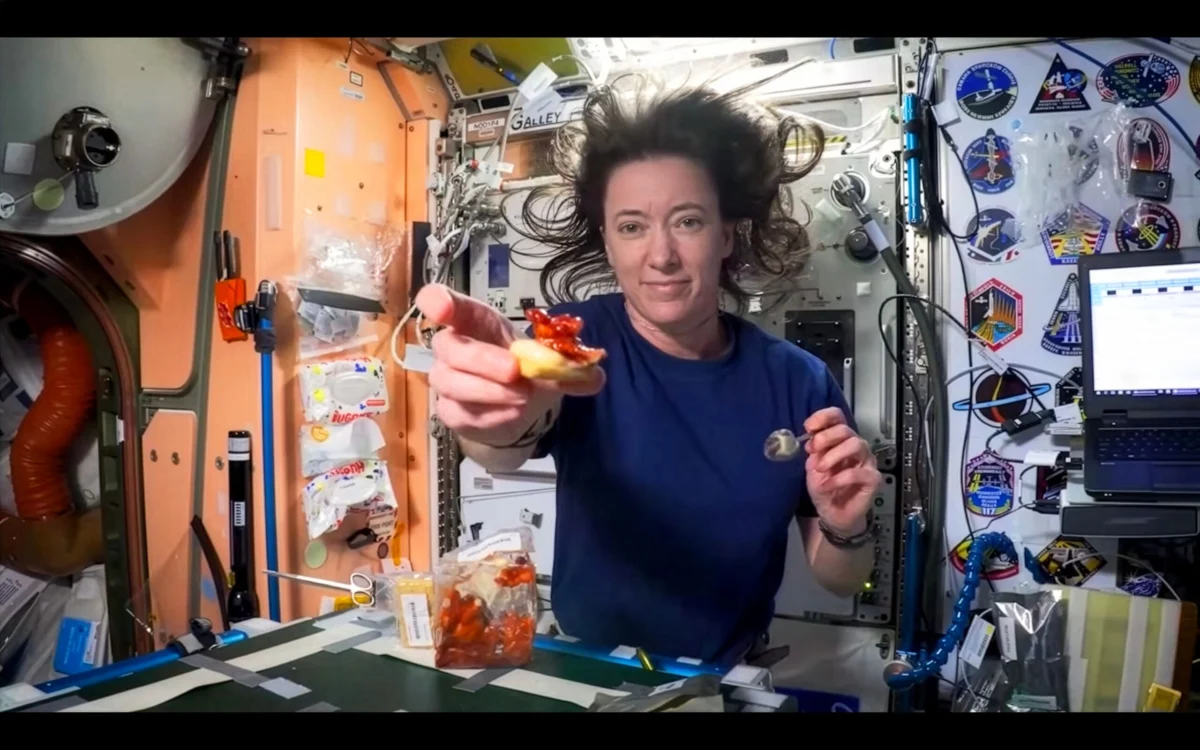
The landscape of the global food industry is undergoing a period of intense transformation, marked by high-stakes corporate consolidations, precedent-setting legal battles, and the logistical complexities of sustaining human life during long-duration space travel. From the launch of the Artemis II lunar mission to a massive $29.1 billion acquisition in the wholesale sector, these developments highlight the intersection of technological innovation, regulatory oversight, and consumer advocacy. As government administrations face litigation over trade policies and major corporations respond to public pressure regarding product integrity, the food and beverage sector remains a central theater for broader economic and social debates.
Nutritional Logistics and Menu Innovation for the Artemis II Mission
The commencement of the Artemis II mission marks a pivotal moment in aerospace history, representing the first crewed endeavor to orbit the moon since the conclusion of the Apollo program in 1972. While the primary objectives of the mission are technical and exploratory, the management of the crew’s nutritional needs has emerged as a sophisticated field of food science. Unlike the early era of exploration, where mariners relied on shelf-stable but nutritionally deficient staples such as hardtack and salted meats, modern space travel requires a precise balance of caloric density, psychological satisfaction, and shelf-life stability.
NASA’s food laboratory has curated a menu of 189 unique items for the 10-day journey. This selection process involves rigorous preflight testing where crew members sample and rate various options. The final menu is a compromise between astronaut preference, nutritional requirements, and the physical constraints of the spacecraft. Among the notable inclusions are five varieties of hot sauce, intended to compensate for the diminished sense of taste often experienced by astronauts in microgravity due to fluid shifts in the body.
The manifest also includes 58 tortillas, which have become a staple of space flight because they do not produce crumbs—a significant hazard to sensitive equipment in a weightless environment. Other items include barbecued beef brisket, spicy green beans, and a "vanilla breakfast drink." Each item is vacuum-sealed or dehydrated to withstand the rigors of launch and the radiation environment of deep space. This mission serves as a critical test for the food systems that will eventually support longer-duration missions to Mars, where resupply will be impossible.
Market Consolidation and Antitrust Concerns in Wholesale Distribution
In a move that has sent shockwaves through the restaurant industry, Sysco, the nation’s largest food service distributor, has announced the acquisition of Restaurant Depot for $29.1 billion. This merger represents a significant consolidation of power within the supply chain, as Restaurant Depot has long been a primary resource for independent restaurant owners and small-scale caterers who rely on its "cash and carry" model to avoid the delivery minimums and contract requirements of larger distributors.
Industry analysts suggest that the integration of these two entities could face intense scrutiny from the Federal Trade Commission (FTC) and the Department of Justice (DOJ). The primary concern involves the potential for a monopoly that could limit competition and drive up wholesale prices. For independent restaurants already operating on thin profit margins—often between 3% and 5%—any increase in the cost of goods sold could be catastrophic.
The timeline for the finalization of this deal extends into 2027, allowing for an extensive regulatory review process. If approved, the merger would grant Sysco unprecedented access to the independent restaurant market, potentially altering the pricing structures for everything from fresh produce to paper goods. Critics of the deal argue that reduced competition in the wholesale sector invariably leads to higher menu prices for consumers, as restaurants are forced to pass on increased costs to maintain viability.
Legal Resolutions and Nutritional Transparency in Functional Foods
The functional food sector has recently been focused on the legal proceedings involving David Protein, a prominent brand in the high-protein snack market. A class-action lawsuit filed against the company, which alleged significant discrepancies between the advertised nutritional content and the actual ingredients of its protein bars, has been unceremoniously dropped.
The initial complaint claimed that David Protein’s products contained up to 400% more fat and 80% more calories than stated on the packaging. These allegations sparked a firestorm on social media and raised questions about the oversight of nutritional labeling in the rapidly growing "clean label" industry. Peter Rahal, the founder of David Protein and a co-founder of RXBar, took a public stance to defend the integrity of his products, asserting that the company’s internal testing and third-party audits confirmed the accuracy of their labels.
The dismissal of the lawsuit without a public explanation has led to various interpretations within the legal community. While some speculate that a private settlement may have been reached, others suggest the plaintiffs may have found their lab results were unable to withstand the rigors of a court challenge. Regardless of the reason, the case underscores the increasing pressure on food tech companies to provide transparent and verifiable data to a health-conscious consumer base that is increasingly skeptical of marketing claims.
Trade Policy Litigation: Burlap & Barrel v. The Administration
The economic impact of international trade policies has become a focal point for small businesses, as evidenced by the lawsuit filed by spice company Burlap & Barrel against the Trump administration’s tariff structures. The company, which specializes in direct-trade spices sourced from smallholder farmers globally, argues that the imposed tariffs represent an unconstitutional burden on small-scale importers.
Tariffs on food and beverage imports have fluctuated significantly in recent years, affecting everything from European wines to Southeast Asian spices. Burlap & Barrel’s leadership has likened their legal challenge to historical protests against taxation, emphasizing that the current trade environment creates an uneven playing field that favors large multinational corporations with the resources to absorb or bypass such costs.
The broader implications of this lawsuit are significant for the specialty food industry. If the court finds in favor of the importers, it could set a precedent for challenging how tariffs are applied to essential agricultural goods. Currently, skyrocketing costs in the restaurant and hospitality sectors are being driven in part by these import duties, contributing to a cycle of inflation that affects both the producer and the end consumer.
Consumer Advocacy and the Reversal of Corporate Recipe Changes
In a rare victory for consumer advocacy, the Hershey Company has announced that it will revert the recipe for Reese’s products to their original formulation following a period of sustained public criticism. The controversy began when consumers noticed changes in the texture and flavor profile of the iconic peanut butter cups, leading to widespread complaints across digital platforms and food industry columns.
This reversal highlights the power of brand loyalty and the risks associated with altering legacy products. In the consumer packaged goods (CPG) industry, companies often attempt to optimize recipes to reduce costs or improve shelf stability. However, as demonstrated by the Reese’s case, such changes can alienate a core demographic. The decision to "change back" is a strategic move to protect brand equity and restore consumer trust.
The incident serves as a case study for other food manufacturers considering reformulations. It demonstrates that in an era of instant communication, public sentiment can directly influence corporate policy. The restoration of the original recipe is expected to be completed across all production lines by the end of the current fiscal year, marking a successful outcome for the grassroots "save the recipe" movement.
Broader Impact and Industry Outlook
The events of the past week illustrate a food industry at a crossroads. The technological achievements of the Artemis II mission provide a glimpse into the future of food preservation and nutrition, while the Sysco acquisition and the Burlap & Barrel lawsuit highlight the ongoing struggle for economic balance in a globalized market.
Furthermore, the legal drama surrounding David Protein and the consumer-led victory at Reese’s emphasize the growing importance of transparency and authenticity. As the industry moves forward, the ability of companies to navigate complex regulatory environments while maintaining the trust of their customers will be the primary determinant of success. For independent operators and consumers alike, these developments signal a period of continued volatility and the need for vigilant engagement with the systems that produce and distribute the world’s food supply.
The trajectory of these stories suggests that the coming years will be defined by a tension between corporate efficiency and the preservation of quality and competition. Whether in the vacuum of space or the aisles of a wholesale warehouse, the evolution of how we eat remains a reflection of our technological capabilities and our societal values.