Ana Megawati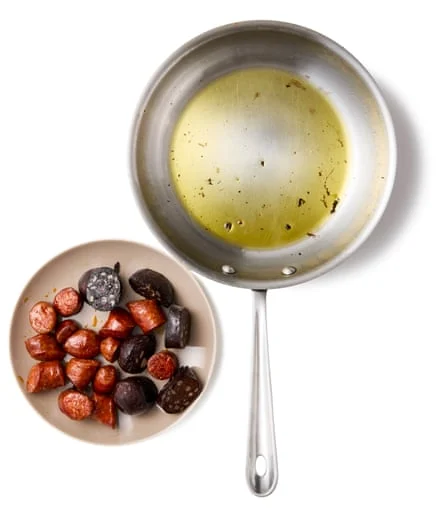
Feijoada, a hearty and deeply satisfying bean stew enriched with pork and sausages, stands as a culinary cornerstone, celebrated as both a "marvellous standby of the Portuguese kitchen" by food writer Edite Vieira and a national dish in Brazil. This robust, one-pot meal embodies centuries of culinary evolution, reflecting diverse historical influences, regional adaptations, and a persistent debate over its precise origins. While its history remains partially shrouded in mystery, its widespread appeal, adaptability, and profound cultural significance are undeniable.
The Historical Tapestry: Tracing Feijoada’s Roots

The exact genesis of Feijoada is a subject of passionate contention among culinary historians and enthusiasts. One prominent theory posits that the dish originated in northern Portugal. Proponents of this view, often found within Portuguese culinary circles, argue that Feijoada developed as a practical peasant dish, born from necessity and resourcefulness. In a time when food preservation and economy were paramount, dried beans provided a staple, while various cuts of pork, including less desirable parts, offered flavour and sustenance. This perspective suggests the dish was a natural evolution of local ingredients and traditional cooking methods, eventually traveling to Brazil with Portuguese colonisers and adapting to the resources available in the New World.
Conversely, the Brazilian iteration, frequently cited as the country’s national dish, presents a compelling counter-narrative. The Oxford Companion to Food highlights the West African "love of beans" as a foundational element, suggesting a strong influence from enslaved African populations brought to Brazil. Some scholars and culinary figures, such as those featured in Vittles Magazine, propose that the Brazilian version might even be a South American creation that subsequently influenced European cuisine upon the return of colonisers. This theory suggests that the extensive use of black beans, combined with a wider array of pork cuts—often the cheaper, discarded parts given to slaves—formed the basis of a distinctly Brazilian culinary identity that later made its way back to Portugal, where it was re-adapted.
This fascinating historical ping-pong underscores a broader truth about many beloved traditional dishes: their histories are often complex, multi-layered, and intertwined with migration, trade, and cultural exchange. The precise timeline and sequence of adaptations across continents will likely remain a topic of academic discussion rather than definitive resolution. What is universally agreed upon, however, is Feijoada’s fundamental appeal: its simplicity of preparation, ease of adaptation to various tastes and budgets, and its profoundly satisfying nature.
The Core Components: Beans and Their Variations
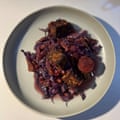
The choice of beans is central to any Feijoada, though regional and personal preferences dictate a wide spectrum of options. In Brazil, black beans reign supreme, giving the national dish its characteristic dark hue and rich, earthy flavour. However, within Portugal, a consensus on the "best" variety is notably absent, reflecting a diverse culinary landscape.
Prominent Portuguese food writers and chefs showcase this variety:
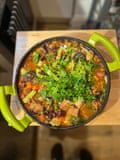
- David Leite, whose family heritage traces to the Azores, often opts for white beans, known for their creamy texture and mild flavour.
- Edite Vieira, in her authoritative work The Taste of Portugal, suggests butter beans or kidney beans, offering different textural and flavour profiles.
- Leandro Carreira, in Portugal: the Cookbook, specifically calls for butter beans, valuing their substantial size and creamy interior.
- Nuno Mendes, a celebrated chef, demonstrates a preference for a medley, employing "a combination of butter beans, red kidney beans and cannellini" in his popular book Lisboeta.
Despite the flexibility, practical considerations for home cooks arise. While the idea of a bean medley is appealing for its varied textures and flavours, such as Mendes’s approach, it presents a challenge in cooking. Different bean varieties possess distinct cooking times, often resulting in some becoming mushy while others remain firm. For those committed to a multi-bean approach, cooking them separately is a viable, albeit more time-consuming, option.
The quality and sourcing of dried beans also significantly impact the final dish. In certain markets, such as British supermarkets, securing high-quality, fresh dried beans can be increasingly difficult. Bags of butter beans, for instance, may contain cracked or wizened legumes that resist softening even after extensive soaking. This issue highlights a potential chicken-and-egg scenario: whether supermarkets stock fewer dried beans due to declining consumer demand, or demand wanes because of inconsistent quality. For optimal results, sourcing beans from specialty grocers with high turnover or reputable online suppliers is often recommended.
For those seeking a quicker alternative, Márcia of the Plant Based Portuguese website offers a practical solution: using tinned beans (kidney or white). While this approach may sacrifice some of the deep, slow-cooked flavour developed from dried beans, it significantly reduces preparation time while still yielding a delicious and substantial stew. Adaptations for tinned beans typically involve adding them later in the cooking process, alongside sautéed vegetables and tomatoes, and supplementing with vegetable stock and white wine to compensate for reduced cooking liquid.

The Heart of the Matter: Pork and Its Partners
Tradition dictates that Feijoada is fundamentally a celebration of pork. Even in dishes where the overall meat content is not excessive, the flavour derived from various pork products is considered integral. The dish is remarkably accommodating, allowing for a wide array of "pig-shaped" ingredients, each contributing unique textures and flavour notes.
Essential Cured Meats:
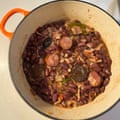
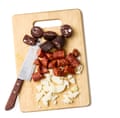
- Chouriço: This Portuguese sausage is a cornerstone. It shares a common ancestry with its more widely known Spanish cousin, chorizo, but typically features a lighter hand with paprika and a more pronounced presence of garlic and wine or vinegar. Sourcing authentic Portuguese chouriço from specialist grocers or online suppliers is ideal. In its absence, a sweet (rather than spicy) Spanish chorizo can serve as a suitable, if not entirely identical, substitute.
- Morcela: Portuguese blood sausage, or morcela, is another traditional inclusion. Unlike the fresh Spanish morcilla or French boudin noir, morcela is typically dry-cured, making it distinct. Its rich, savoury flavour is difficult to replicate precisely, but other smoked blood puddings or black puddings can be used as alternatives.
Beyond these staples, other pork components contribute to the dish’s complexity:
- Pork Belly: Often cooked alongside the beans, pork belly renders fat that infuses the beans with richness and depth, forming a foundational flavour layer for the entire stew. When available, including the ribs from pork belly further enhances the broth.
- Streaky Bacon or Pancetta: David Leite and Edite Vieira both incorporate cubed streaky bacon or pancetta, adding another layer of cured pork flavour and texture.
- Cured Lard: Leandro Carreira’s recipe notably includes cured lard, further bolstering the stew’s richness.
- Offal and Lesser Cuts: For the truly traditional and adventurous, Carreira’s Feijoada might feature pork ribs, trotters, and ears. These ingredients, while requiring significant slow cooking to become tender, contribute gelatinous textures and profound savouriness, though they are not deemed essential for a successful and satisfying Feijoada. Portuguese specialist shops often sell these components bundled specifically for this purpose.
The method of cooking these meats is also a point of culinary debate. Traditionally, cured meats like chouriço and morcela are slow-simmered directly in the stew. However, a modern adaptation, particularly for cured sausages, involves frying them first to render their fat into the pan, then setting them aside and reintroducing them closer to serving. This technique prevents the sausages from becoming bland and chewy from prolonged simmering, ensuring their distinct flavours and textures are preserved. Softer blood puddings, like black pudding, are best gently stirred in at the end to warm through, preventing them from disintegrating.
Modern Adaptations: The Plant-Based Frontier

In an era of evolving dietary preferences, traditional dishes like Feijoada are undergoing significant transformations. Márcia of the Plant Based Portuguese website offers a compelling vegan rendition, substituting pork products with tempeh soaked in soy sauce, garlic, and paprika, alongside optional vegan chorizo. While this adaptation caters to a growing demographic, it naturally diverges from the traditionalist view that Feijoada’s essence lies in its meat components. For those not bound by Portuguese culinary heritage or a specific affinity for this dish, other plant-based bean stews might offer a more direct route to a satisfying vegan meal. However, Márcia’s version demonstrates the versatility of the dish’s structure and the creative potential within traditional recipes. Notably, in plant-based versions, a generous use of olive oil is crucial to compensate for the richness typically provided by animal fats.
Aromatics and Vegetables: Building the Flavor Profile
Beyond beans and meat, the aromatic base and complementary vegetables are vital to Feijoada’s depth and complexity. Every variation begins with a foundation of onions and garlic, which are gently sautéed to release their fragrant compounds.

- Aromatic Enhancements: Mendes, aiming for a "fresher and more fragrant" take, incorporates carrots and celery into his initial sauté. These vegetables, while perhaps not strictly traditional in all historical contexts, contribute a welcome lightness and sweetness, balancing the richness of the meat and beans.
- Tomatoes: A consistent element across most Feijoada recipes is the inclusion of tomatoes, whether as a purée (Leite, Márcia) or fresh, diced fruit. Tomatoes provide essential acidity and umami, deepening the savoury profile of the broth. The quality of tomatoes is paramount; for optimal flavour, especially outside of peak growing season, high-quality tinned chopped tomatoes are often preferred.
- Spices and Heat: Paprika plays a significant role, contributing both a rich colour and a mild, sweet heat. While less prevalent in Portuguese cuisine than in neighbouring Spain, perhaps due to Portugal’s historical embrace of piri-piri peppers, paprika is a welcome addition to Feijoada. For those desiring more warmth, additional dried chilli flakes (Leite) or a malagueta pepper (often substituted with a Thai chilli, as suggested on culinary forums) can be incorporated.
- Cabbage: A more recent, but increasingly popular, addition is shredded savoy cabbage. Stirred in towards the end of cooking, it transforms Feijoada into an even more complete one-pot meal, adding a touch of bitterness and texture that complements the rich stew. While some may prefer it served on the side, its inclusion in the pot streamlines the meal.
Culinary Best Practices and The Art of Slow Cooking
Crafting a perfect Feijoada is a testament to the art of slow cooking and patient layering of flavours. The process begins with meticulous preparation:
- Soaking: Dried beans require an overnight soak (at least eight hours) to rehydrate and reduce cooking time.
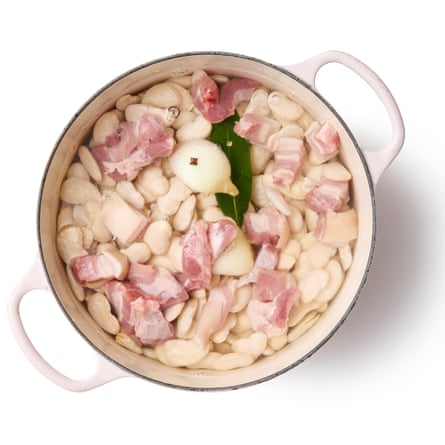
- Initial Simmer: The soaked beans are then simmered with aromatics—typically a clove-studded onion and bay leaves—alongside pork belly. This gentle cooking process tenderises the beans and infuses them with the savoury essence of the pork. The cooking liquid from the beans is invaluable and should be reserved.
- Building the Soffritto: While the beans cook, the aromatic base for the stew is prepared. Diced onions, and optionally carrots and celery, are sautéed in olive oil or rendered pork fat until soft. Crushed garlic and sweet paprika are then stirred in briefly before adding tinned or fresh tomatoes, which are cooked down until their liquid evaporates and their flavours concentrate.
- Combining and Slow Simmer: Once the beans are tender, they are drained (retaining the liquor), and, along with the partially cooked pork belly, added to the vegetable base. Enough of the reserved bean liquor is added to cover the ingredients, and the stew is brought to a gentle simmer. This phase allows the flavours to meld and deepen, and the pork belly to become meltingly tender.
- Final Touches: The pre-fried chouriço and morcela are added towards the end, preserving their texture and flavour. If using softer black pudding, it is gently poached in the stew for a few minutes before the other sausages and shredded cabbage are stirred in, cooking until the cabbage wilts.
A hallmark of many slow-cooked stews, and particularly true for Feijoada, is that its flavours continue to develop and deepen over time. As Leandro Carreira aptly points out, "this is one of those dishes that really does taste better the next day." The extended resting period allows the various components to marry more fully, resulting in a more harmonious and profoundly satisfying meal.
Broader Impact and Enduring Legacy
Feijoada transcends its role as mere sustenance; it is a cultural ambassador, a culinary anchor that connects communities across continents. Its evolution reflects historical narratives of colonialism, migration, and the fusion of diverse culinary traditions. The dish serves as a testament to human ingenuity in creating nourishing, flavourful meals from readily available and often economical ingredients.
In the contemporary culinary landscape, Feijoada continues to evolve. The emergence of plant-based interpretations signals a willingness to adapt traditional dishes to modern dietary demands, even as purists champion the time-honoured meat-centric versions. This ongoing adaptation ensures the dish’s relevance and enduring appeal for future generations, regardless of their dietary choices.
Ultimately, Feijoada’s enduring legacy lies in its versatility, its comforting richness, and its profound ability to bring people together around a shared table. Whether enjoyed in a bustling Lisbon tasca, a vibrant Rio de Janeiro restaurant, or a home kitchen anywhere in the world, this robust bean stew stands as a delicious and deeply meaningful symbol of culinary heritage.