Nila Kartika Wati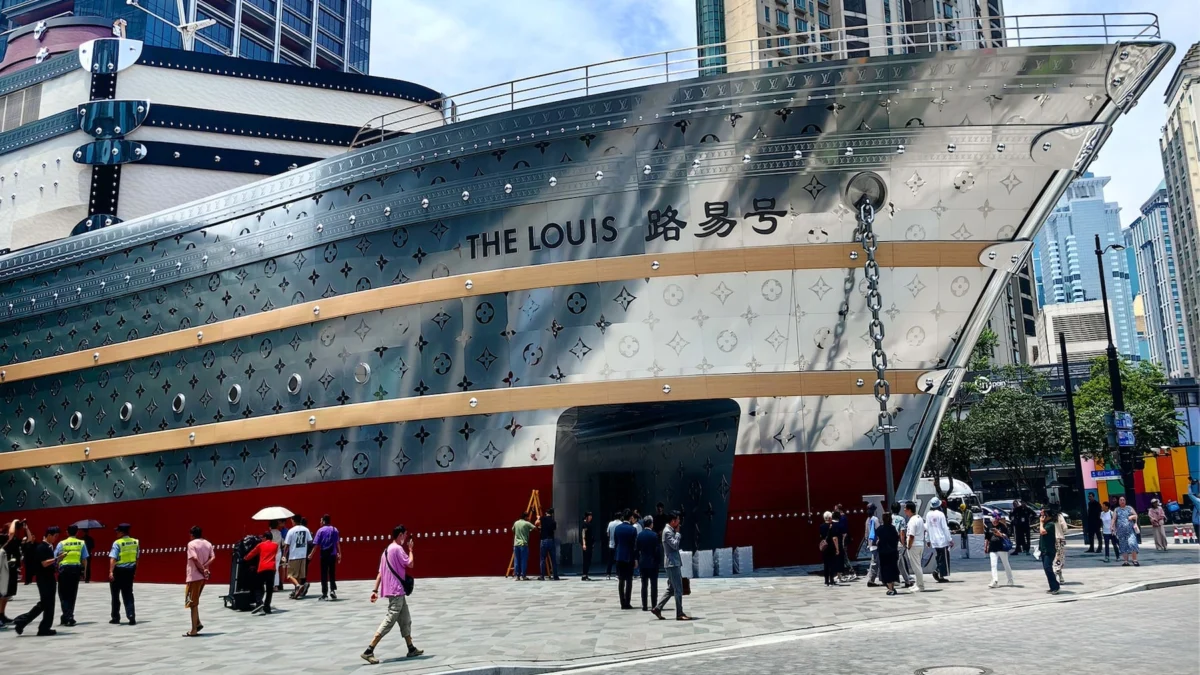
A significant downturn in consumer demand has compelled the triumvirate of European luxury powerhouses – LVMH Moët Hennessy Louis Vuitton, Kering, and Richemont – to undertake a comprehensive re-evaluation of their extensive brand portfolios, intricate organizational structures, and expansive retail networks. This strategic pivot marks a departure from the aggressive expansionist strategies that have historically fueled their remarkable growth, signaling a new era of measured consolidation and portfolio optimization in response to evolving market conditions and heightened scrutiny from investors and top management. The industry, accustomed to years of uninterrupted expansion, is now grappling with a more complex and discerning consumer landscape, necessitating a recalibration of business models and a deeper focus on core strengths.
The impetus for this profound reassessment stems from a confluence of factors that have emerged over the past eighteen months. Persistent inflation, geopolitical uncertainties, and a general cooling of consumer sentiment in key markets have directly impacted discretionary spending, particularly on high-value luxury goods. While the ultra-high-net-worth segment has demonstrated resilience, the broader luxury consumer base, often more sensitive to economic headwinds, has begun to curtail expenditures. This shift is reflected in recent financial reports from the major conglomerates, which, while still demonstrating profitability, have shown a deceleration in revenue growth compared to the booming post-pandemic years. For instance, LVMH, the world’s largest luxury group, reported a more modest year-on-year sales increase of 4% in the first quarter of 2024, a stark contrast to the double-digit growth experienced in preceding periods. Similarly, Kering has faced significant challenges with its flagship Gucci brand, leading to a decline in overall group performance. Richemont, heavily reliant on jewelry and watches, has also navigated a more challenging environment, with some of its key Maisons experiencing softer demand.
A Shifting Landscape: The Drivers of Strategic Re-evaluation
The current strategic introspection is not an isolated event but rather a response to a multi-faceted recalibration of the global luxury market. The unbridled optimism of the post-COVID era, characterized by a surge in pent-up demand and a robust appetite for aspirational purchases, has given way to a more pragmatic and discerning consumer. Several key trends are contributing to this shift:
- Economic Uncertainty and Inflationary Pressures: Rising inflation rates across major economies have eroded purchasing power, forcing consumers to prioritize essential spending. This has a disproportionate impact on luxury goods, which are often the first to be deferred during times of economic uncertainty.
- Geopolitical Instability: Ongoing conflicts and political tensions in various regions have disrupted supply chains, impacted travel retail, and created a general sense of unease, influencing consumer confidence and spending habits.
- Maturing Chinese Market: While China remains a critical engine for luxury growth, the market is exhibiting signs of maturation. The rapid, almost insatiable, demand of the past is being replaced by a more considered approach, with consumers seeking greater value, authenticity, and brand relevance. Furthermore, shifts in domestic consumption patterns and a greater emphasis on local brands are also playing a role.
- Sustainability and Ethical Considerations: Consumers, particularly younger demographics, are increasingly scrutinizing the environmental and social impact of luxury brands. Companies are under pressure to demonstrate genuine commitment to sustainable practices, ethical sourcing, and responsible production.
- Digital Saturation and the Experiential Imperative: While e-commerce has become indispensable, the novelty of online luxury shopping has waned. Consumers are now seeking richer, more immersive brand experiences, both online and offline, that go beyond transactional purchases. This includes personalized services, exclusive events, and engaging storytelling.
Portfolio Pruning and Performance Optimization
In light of these evolving dynamics, the three luxury conglomerates are undertaking a granular examination of their vast brand portfolios. This involves identifying underperforming assets, divesting non-core businesses, and strategically investing in those brands with the strongest growth potential and market resonance.
LVMH: The world’s largest luxury group, with its diverse portfolio spanning fashion, wines and spirits, perfumes and cosmetics, watches and jewelry, and selective retailing, is reportedly scrutinizing the performance of individual brands within its fashion and leather goods division. While Louis Vuitton and Christian Dior remain colossal pillars of strength, other brands may be subject to strategic adjustments, including potential restructuring, repositioning, or even divestment if they fail to align with the group’s long-term vision and profitability targets. The group’s recent emphasis on experiential retail, exemplified by the monumental Louis Vuitton structure unveiled in Shanghai, suggests a focus on creating impactful brand moments that resonate with consumers.
Kering: Kering has been particularly vocal about its strategic recalibration, especially following the significant performance challenges faced by Gucci. The group has already signaled a commitment to reinvesting in Gucci’s brand equity and creative direction. Beyond Gucci, Kering is likely assessing the overall contribution of its other Maisons, such as Saint Laurent, Bottega Veneta, and Balenciaga, to ensure they are operating at peak efficiency and contributing to the group’s profitability. Discussions around the future of some smaller brands or those in less dynamic market segments may be ongoing.
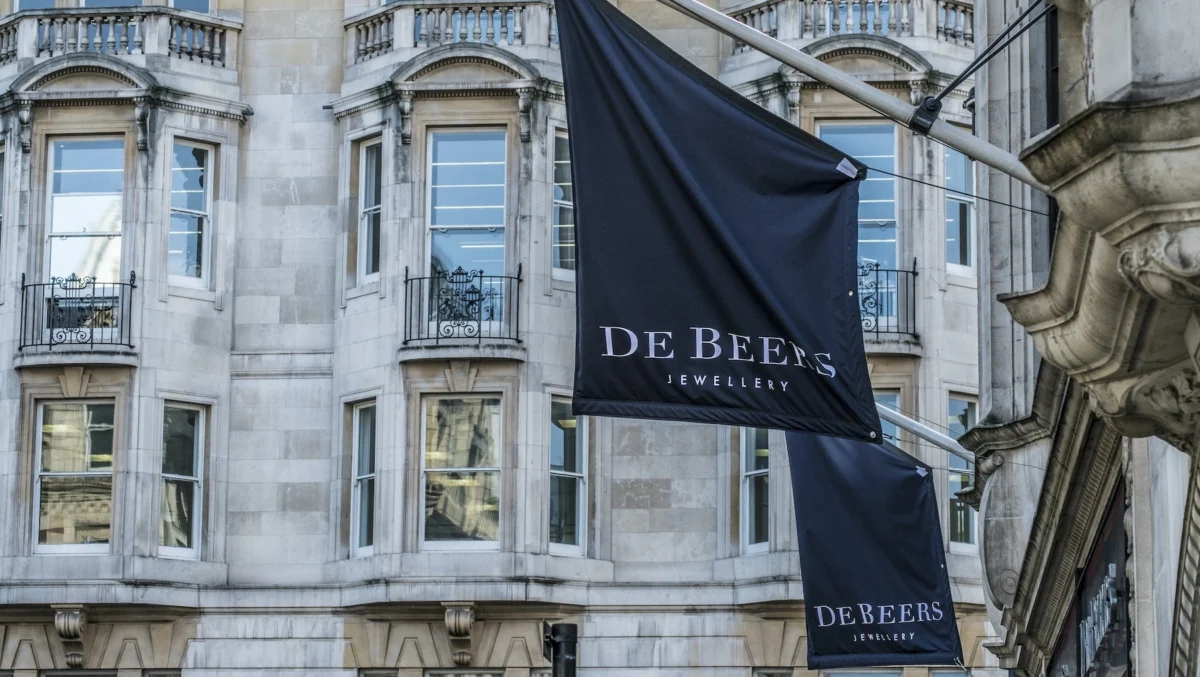
Richemont: As a group primarily focused on high-end jewelry and watchmaking, Richemont’s strategic review is likely concentrating on optimizing its portfolio of iconic Maisons like Cartier, Van Cleef & Arpels, and its watch brands. The company has historically been less acquisitive than its peers, preferring to nurture and develop its existing brands. However, in the current climate, a thorough assessment of operational efficiencies, retail footprint rationalization, and the potential for strategic partnerships or joint ventures within its existing structure is probable. The group’s strong performance in jewelry has provided a buffer, but a sustained slowdown in the watch sector could necessitate more decisive actions.
Organizational Restructuring and Network Rationalization
Beyond brand portfolio management, the luxury giants are also undertaking significant organizational restructuring and rationalization of their retail networks. This involves streamlining hierarchies, enhancing operational agility, and optimizing the physical presence of their brands in key global markets.
Organizational Structures: Top management is reportedly pushing for flatter organizational structures, increased inter-brand collaboration where beneficial, and a greater emphasis on data-driven decision-making. This aims to accelerate the pace of innovation, improve responsiveness to market shifts, and enhance overall efficiency. There is also a renewed focus on talent management, ensuring that the right individuals are in place to lead brands through this period of transition.
Store Networks: The expansionist spree of opening new flagship stores in prime locations is likely being tempered. Instead, the focus is shifting towards optimizing existing retail spaces, enhancing the in-store customer experience, and ensuring a seamless integration between online and offline channels. This may involve closing underperforming stores, relocating others to more strategic areas, and investing in experiential retail concepts that offer more than just product sales. For example, brands are exploring the integration of art, culture, and personalized services within their retail environments to create unique and memorable encounters. The significant investment in the Louis Vuitton structure in Shanghai, described as a "conceptual landmark," underscores this move towards creating destination-worthy retail experiences.
Investor and Management Scrutiny
The current strategic reassessment is occurring under a microscope of intense scrutiny from both institutional investors and the internal leadership of these luxury conglomerates. Shareholders are increasingly demanding greater transparency, accountability, and a clear return on investment. The era of accepting growth at any cost is over; investors now expect sustainable, profitable growth driven by sound strategic decisions.
Top management within LVMH, Kering, and Richemont are reportedly engaged in rigorous internal reviews, challenging existing strategies and demanding a clear rationale for every investment and operational decision. This heightened level of oversight is pushing the organizations to be more disciplined, data-informed, and agile in their responses to market dynamics. The emphasis is on long-term value creation rather than short-term revenue boosts, a subtle but significant shift in strategic imperative.
Broader Implications for the Luxury Industry
The strategic recalibration by Europe’s luxury titans will undoubtedly send ripples across the entire global fashion and luxury ecosystem.
- Increased Focus on Core Competencies: Brands that can clearly articulate their unique value proposition and excel in their core competencies are likely to emerge stronger. This will put pressure on those that have diversified too broadly or relied on superficial brand messaging.
- Consolidation and Divestitures: The trend of portfolio optimization may lead to further consolidation within the industry, with larger groups acquiring smaller, promising brands or divesting those that do not fit their strategic direction.
- Emphasis on Experiential Retail: The investment in unique and immersive retail experiences will likely become a benchmark for success. Brands that can offer more than just products, but also memorable moments and emotional connections, will capture consumer loyalty.
- Heightened Importance of Data and Technology: The use of data analytics to understand consumer behavior, personalize offerings, and optimize operational efficiency will become even more critical.
- Sustainability as a Competitive Differentiator: Genuine and demonstrable commitment to sustainability will transition from a "nice-to-have" to a fundamental requirement for brand relevance and consumer trust.
In conclusion, the current period of introspection for LVMH, Kering, and Richemont represents a critical juncture for the luxury industry. By diligently re-examining their brand portfolios, organizational structures, and retail networks, these giants are not merely reacting to market pressures but are proactively shaping the future of luxury. Their strategic agility and ability to adapt to the evolving demands of the discerning global consumer will be paramount in navigating this new era and securing their long-term dominance in the high-end market. The next few years will be a testament to their strategic foresight and operational resilience.