Johny Marice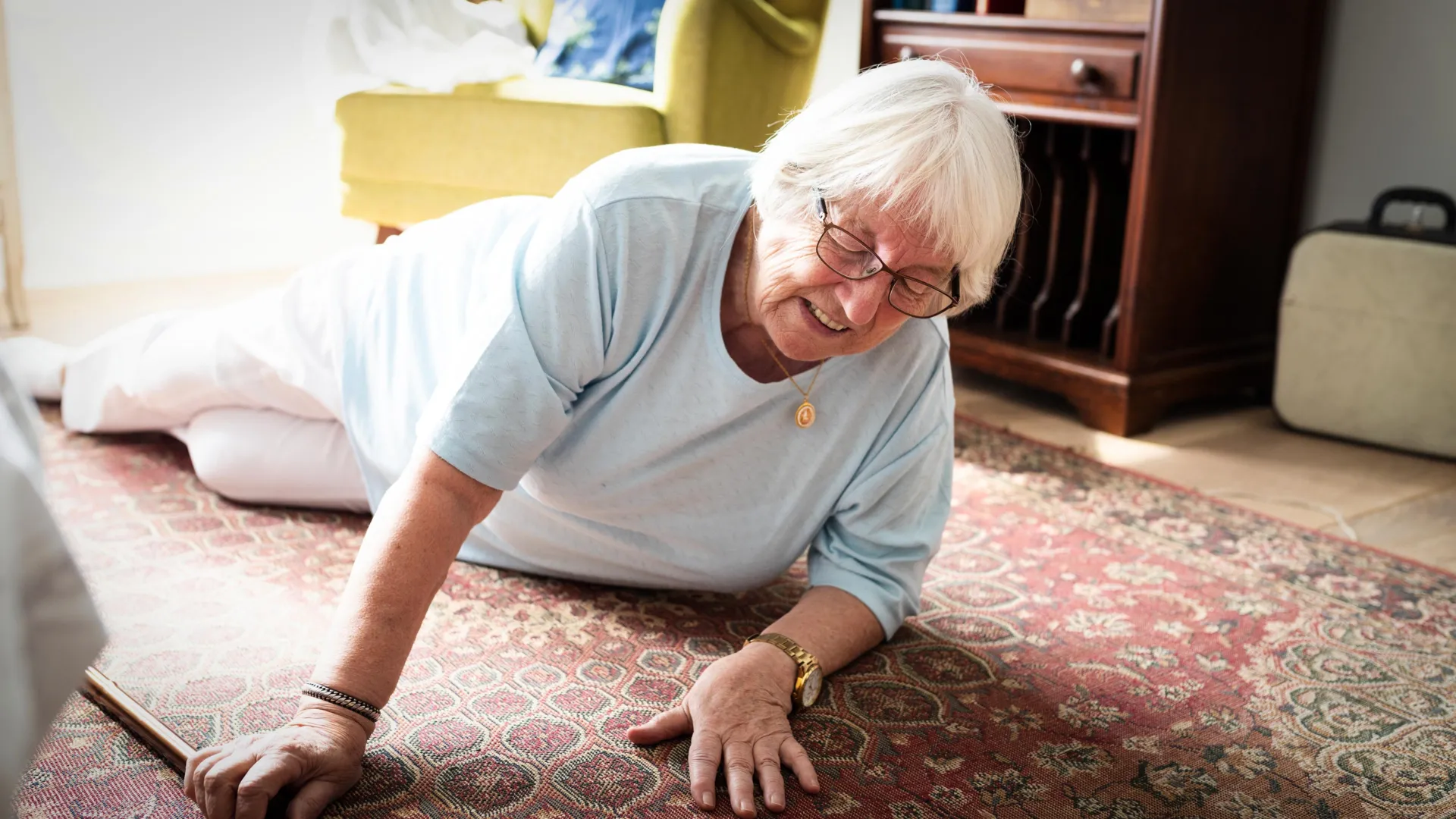
A groundbreaking study from Emory University, led by Professor Lena Ting, is shedding new light on the intricate ways aging and Parkinson’s disease compromise the brain and muscle’s ability to maintain and regain balance. The research, published in the esteemed journal eNeuro, meticulously details how these conditions necessitate greater neurological and muscular effort for even minor postural adjustments, ultimately leading to a diminished capacity for effective balance recovery. This pioneering work holds significant promise for identifying individuals at heightened risk of falls, enabling proactive interventions to prevent debilitating injuries.
Unraveling the Neural and Muscular Dance of Balance
The human body’s capacity to maintain balance is a complex interplay of sensory input, neural processing, and muscular activation. This delicate equilibrium is constantly challenged by environmental factors and our own movements. When these systems function optimally, the brain can swiftly orchestrate a series of automatic responses to prevent a fall. However, as we age, and particularly with the onset of neurodegenerative conditions like Parkinson’s disease, this finely tuned system can become significantly impaired.
Professor Ting and her team at Emory University embarked on a mission to dissect these age- and disease-related changes. Their research builds upon foundational experiments where young, healthy adults were subjected to sudden destabilizations, akin to a rug being unexpectedly pulled from beneath their feet. In these initial studies, the researchers observed a rapid, reflexive response originating in the brainstem, which quickly engaged specific muscle groups to counteract the perturbation. When the destabilization was more pronounced, a secondary, more complex response emerged, involving a broader cascade of neural activity across the brain and coordinated muscle engagement. This established a baseline understanding of how a healthy system reacts to balance challenges.
The Latest Findings: Increased Effort, Decreased Efficacy
The recent study shifted focus to older adults, categorizing them into two groups: those without Parkinson’s disease and those diagnosed with the condition. The methodology mirrored the earlier experiments, introducing controlled destabilizations to assess balance recovery. The results were striking and provided critical insights into the altered mechanics at play.
In both groups of older adults, even minor disruptions to their balance elicited a significantly more robust and energy-intensive response from both the brain and their musculature compared to younger individuals. This heightened neural and muscular engagement suggests that the aging brain and the Parkinsonian brain are working overtime simply to maintain a stable posture.
"Balance recovery takes more energy and engagement from the brain in these populations," explained Professor Ting in a statement accompanying the study’s release. "We found that, when people require more brain activity to balance, they have less robust ability to recover their balance." This statement underscores a crucial paradox: the very effort exerted to maintain balance is, in essence, drawing resources away from the ability to recover from a loss of balance. This increased cognitive load and muscular exertion can be a precursor to falls.
The Role of Muscle Co-contraction: A Stiffening Effect
Beyond the increased neural activity, the researchers identified another significant factor contributing to impaired balance in older adults, particularly those with Parkinson’s: altered muscle coordination. The study observed a phenomenon where, upon activating a muscle to stabilize the body, the opposing muscle would simultaneously tighten. This co-contraction, or increased stiffness, can impede fluid and efficient movement.
Imagine trying to quickly adjust your stance; ideally, one set of muscles would contract while the opposing set relaxes or lengthens to allow for the necessary movement. However, in the observed older adults, this reciprocal inhibition seemed to be compromised. Both sets of muscles were engaged, leading to a rigid, less adaptable response. This added stiffness not only wastes energy but also restricts the range of motion and the speed at which the body can make corrective adjustments, directly correlating with poorer performance in balance tasks.
For individuals with Parkinson’s disease, this muscular rigidity is a well-known symptom. However, this study demonstrates that even in older adults without a Parkinson’s diagnosis, a similar pattern of increased muscle co-contraction can emerge, contributing to their susceptibility to falls. This suggests that the underlying mechanisms of muscle control and coordination are susceptible to the aging process itself, independent of specific neurodegenerative diseases, though exacerbated by them.
A Novel Diagnostic Approach: Predicting Fall Risk
The implications of this research extend far beyond a mere understanding of the physiological mechanisms. The team believes their experimental approach, which meticulously measures brain and muscle responses to destabilization, could pave the way for a novel diagnostic tool. By analyzing the patterns of muscle activity in response to a controlled balance perturbation, such as the "rug pull" scenario, researchers and clinicians might be able to non-invasively assess an individual’s risk of falling.
"We may be able to determine whether someone has increased brain activity simply by assessing muscle activity after pulling a rug out from under you," Professor Ting stated, highlighting the potential for this simpler assessment method. The logic is that if the brain is working harder to achieve balance, this increased neural drive will manifest in observable muscular responses, even if those responses are not entirely efficient. By quantifying these muscle responses, researchers can infer the underlying neural effort.
This approach offers a significant advantage over current methods of fall risk assessment, which often rely on observational tests or questionnaires that may not capture the subtle, underlying physiological changes. A direct, objective measure of the body’s reactive capabilities could provide a more accurate and earlier prediction of fall risk.
Timeline and Future Directions
The research journey leading to these findings involved several stages of investigation. Initial experiments in the early 2020s focused on establishing baseline responses in young, healthy adults. This foundational work, likely conducted in well-equipped biomechanics and neuroscience laboratories, involved sophisticated motion capture systems, electromyography (EMG) to measure muscle activity, and electroencephalography (EEG) or other neuroimaging techniques to monitor brain activity.
The subsequent phase, culminating in the recent eNeuro publication, involved the careful recruitment and testing of older adult cohorts. Ethical considerations, informed consent, and rigorous participant screening would have been paramount throughout this process. The data collection and analysis for this latest study would have spanned several years, involving meticulous processing of complex biomechanical and neurophysiological data.
The next steps for Professor Ting and her team involve refining this assessment method. Further research will be necessary to validate the findings across larger and more diverse populations. Optimization of the "rug pull" perturbation, potentially exploring variations in force and direction, may also be undertaken to capture a broader spectrum of balance challenges. The ultimate goal is to translate this research into a clinical tool that can be readily adopted by healthcare professionals.
Broader Impact and Implications: Preventing Falls Before They Happen
The societal and individual impact of improved fall risk assessment is profound. Falls are a leading cause of injury, hospitalization, and even mortality among older adults. The economic burden of falls, including medical costs and lost productivity, is substantial. More importantly, the fear of falling can lead to reduced mobility, social isolation, and a diminished quality of life for individuals who become overly cautious.
If refined, the technique developed by Ting’s team could revolutionize how fall risk is managed. Early identification of at-risk individuals would empower them to take proactive steps to improve their stability. This could include targeted balance training programs, tailored exercise regimens focusing on strength and flexibility, and environmental modifications to reduce hazards. Such interventions, implemented before a fall occurs, can significantly reduce the likelihood of injury and maintain independence.
This research also has implications for the rehabilitation of individuals with Parkinson’s disease. Understanding the specific ways their balance systems are compromised can lead to more personalized and effective therapeutic strategies. By addressing the underlying neural and muscular deficits identified in the study, rehabilitation efforts could be optimized to improve both balance control and the ability to recover from perturbations.
The scientific community has reacted with keen interest to these findings. Experts in geriatric medicine and neurology have acknowledged the significance of the research, recognizing its potential to address a critical unmet need in elder care. While specific named reactions are not publicly available at this stage, the publication in eNeuro, a journal known for its rigorous peer-review process, indicates strong scientific validation. The implications for public health are considerable, offering a tangible pathway toward a future where falls are prevented rather than simply treated.
In conclusion, Professor Lena Ting’s research at Emory University represents a significant leap forward in our understanding of balance control in aging and Parkinson’s disease. By meticulously detailing the increased neural and muscular demands and the detrimental effects of muscle co-contraction, the study not only illuminates the complex physiological challenges faced by these populations but also offers a promising avenue for early detection and intervention, ultimately aiming to enhance the safety and independence of countless individuals.