Layla Zulfa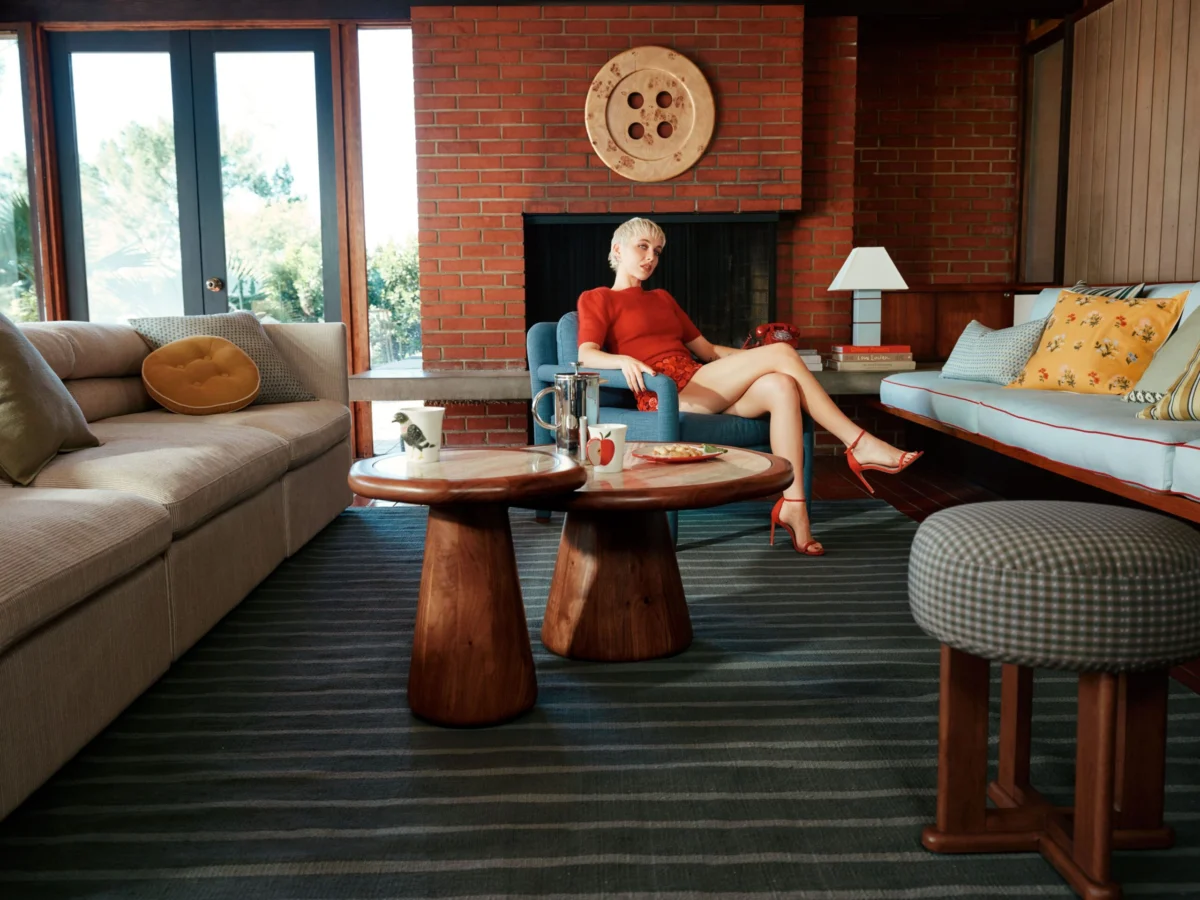
Digital entrepreneur and cultural tastemaker Emma Chamberlain has officially transitioned from the screen to the showroom, announcing a comprehensive collaboration with global design retailer West Elm. The collection, which includes a diverse array of furniture, textiles, and decorative accessories, marks a significant evolution for Chamberlain, who first gained prominence as a YouTube creator before expanding into the beverage industry with Chamberlain Coffee and the media landscape with her award-winning podcast, Anything Goes. This latest venture into the home category follows years of public interest in her personal aesthetic, which was solidified in 2022 when Architectural Digest featured her Los Angeles residence—a project that garnered millions of views and established her as a legitimate voice in contemporary interior design.

From Viral Home Tour to Commercial Design
The genesis of the West Elm x Emma Chamberlain collection can be traced back to Chamberlain’s intensive involvement in the renovation of her own home. Working alongside the Los Angeles-based interiors firm Proem, Chamberlain immersed herself in the technical and creative aspects of spatial design. According to the designer, the process of conceptualizing her living space served as a catalyst for a deeper professional interest in the field. She noted that the initial project pushed her to experiment with "funky" elements and unconventional ways to cultivate what she describes as a "magical space."
Chamberlain’s rise within the design world reflects a broader trend of "creator-led" retail, where influencers with high engagement and distinct personal styles are tapped to bring a fresh perspective to legacy brands. For West Elm, a subsidiary of Williams-Sonoma, Inc., the partnership represents a strategic move to capture the attention of a younger, design-conscious demographic that values authenticity and narrative-driven products.

Design Philosophy: Balancing Whimsy and Utility
The collection is defined by a specific tension between playfulness and practicality. Chamberlain has been vocal about her desire to avoid "preciousness" in the home, opting instead for items that invite use and evoke a sense of humor. Key leitmotifs in the collection—including pigeons, apples, and buttons—are deeply personal, often mirroring the tattoos found on Chamberlain’s own body.
Among the standout pieces is a ceramic pigeon pitcher, which serves as a centerpiece for the decorative accessory line. Other notable items include:

- The Button Side Table: A sculptural piece featuring a top shaped like a garment button, retailing for approximately $149.
- The Curved Vanity: A centerpiece of the furniture line crafted from walnut and birch veneers, retailing for $699.
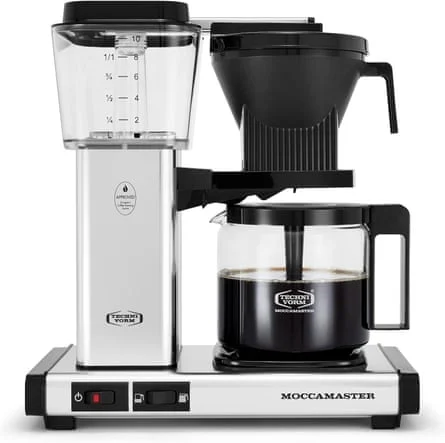
- The Perforated Coffee Cart: A modern, industrial-leaning piece designed to house brewing equipment, priced at $599.
- The Arched Back Dining Chair: An upholstered seating option that emphasizes organic shapes, retailing for $349.
Despite the whimsical nature of these designs, Chamberlain insists on a rigorous standard of functionality. "The most important thing I learned from my own house project is that you have to balance aesthetics with functionality," she stated. This philosophy led to the exclusion of items that looked appealing but failed to meet comfort or durability standards. The collection emphasizes longevity, with the designer expressing a desire to create "nothing disposable."
Chronology of Emma Chamberlain’s Aesthetic Evolution
The launch of the West Elm collection is the culmination of a decade-long trajectory in the public eye.

- 2017–2019: Chamberlain rises to internet stardom on YouTube, characterized by a raw, "relatable" editing style. During this period, her personal style begins to influence global fashion trends, such as the resurgence of thrifted clothing and "VSCO girl" aesthetics.
- 2020: She launches Chamberlain Coffee, signaling her transition from content creator to business mogul.
- 2022: The Architectural Digest "Open Door" tour of her Los Angeles home becomes a viral sensation. The video remains one of the most-watched features in the series, praised for its eclectic mix of mid-century modern, bohemian, and artisanal elements.
- 2024–2025: Development begins on the West Elm collaboration. Chamberlain works closely with the brand’s in-house design teams to translate her vision into mass-market products.
- April 2026: The collection officially debuts in the April issue of Architectural Digest and becomes available for purchase through West Elm’s digital and physical retail channels.
Supporting Data and Market Context
The partnership comes at a time when the global home decor market is experiencing sustained growth. According to market research data, the global home decor market was valued at approximately $715 billion in 2022 and is projected to reach over $930 billion by 2030. Within this sector, there is a growing demand for "personality-driven" furniture that departs from the minimalist "millennial gray" trend of the previous decade.
Furthermore, Gen Z and younger Millennials are increasingly prioritizing the home as a space for self-expression. A 2023 report on consumer behavior indicated that 62% of Gen Z consumers prefer to buy from brands that offer unique, limited-edition collaborations. By leveraging Chamberlain’s 15 million+ Instagram followers and nearly 12 million YouTube subscribers, West Elm is positioning itself at the intersection of high-end design and digital culture.

Financial analysts note that Williams-Sonoma, Inc. has a history of successful high-profile collaborations. Previous partnerships with figures like Billy Cotton and Joseph Altuzarra have helped the brand maintain its premium positioning while staying relevant in a competitive market. The Chamberlain collection is expected to drive significant traffic to West Elm’s e-commerce platform, which accounts for a substantial portion of the company’s total revenue.
Industry Reactions and Professional Implications
The design industry has largely responded with curiosity and cautious optimism. Traditionalists often view influencer-led lines with skepticism, questioning the depth of design knowledge involved. However, Chamberlain’s collaboration with Proem and her public commitment to the "design process" have provided her with a level of credibility rarely afforded to digital creators.

Retail experts suggest that the "Chamberlain effect" could influence how other home retailers approach product development. "What we are seeing is the professionalization of the influencer," says one retail consultant. "Emma isn’t just putting her name on a product; she is participating in the material selection and the ergonomic testing. This raises the bar for what a ‘celebrity’ collaboration looks like in the home sector."
The inclusion of specific pieces like the "Curved Vanity" also taps into a resurgent interest in dedicated grooming spaces. As wellness and "self-care rituals" become more central to lifestyle marketing, pieces that facilitate these activities—like a specialized dressing table—are seeing increased sell-through rates.

Broader Impact and Future Outlook
The West Elm x Emma Chamberlain collection is more than a simple product launch; it is a case study in the longevity of digital-native brands. By moving into durable goods like furniture, Chamberlain is diversifying her portfolio and insulating her brand from the volatility of social media algorithms.
The collection also highlights a shift in interior design trends toward "eclectic maximalism" or "cluttercore," where spaces are filled with objects that have sentimental or narrative value. The use of natural materials like acacia wood and walnut veneers, paired with "funky" shapes and playful motifs, suggests a move toward homes that feel curated and lived-in rather than staged.

As the collection hits showrooms, the focus will shift to consumer reception and the durability of the products in real-world settings. Chamberlain has expressed a desire for her designs to be "things people can grow and evolve with." If the collection succeeds in maintaining its appeal beyond the initial hype cycle, it could pave the way for a permanent "Chamberlain Home" line, further cementing her status as a multi-hyphenate mogul in the lifestyle space.
Ultimately, the collaboration serves as a bridge between the high-concept world of Architectural Digest and the accessible retail environment of West Elm. It validates the idea that a home can be both "chic" and "whimsical," reflecting the complex, multifaceted identity of the modern consumer. Chamberlain herself summarized the goal of the collection by stating, "I hope I have chic undertones," a sentiment that captures the aspirational yet grounded nature of her debut into the world of professional design.