Danny Garick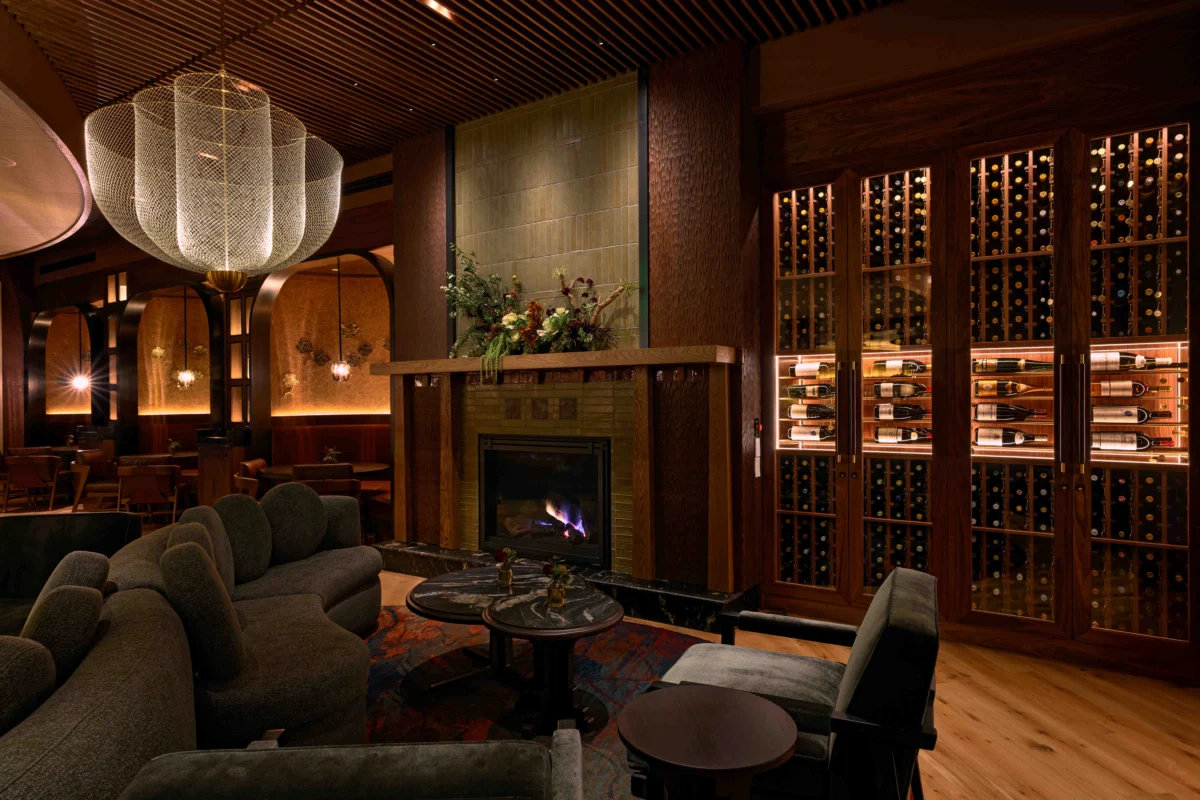
The flagship fine-dining destination at the Disneyland Resort, Napa Rose, has officially entered a new era following an extensive year-long renovation and a comprehensive overhaul of its beverage program. Located within the Disney’s Grand Californian Hotel & Spa, the restaurant reopened its doors after a hiatus that began in April 2025, signaling a strategic shift toward ultra-premium guest experiences that contrast with the traditional casual fare found within the neighboring theme parks. Under the leadership of newly appointed Wine Director Patrick Kirchen, the establishment has transitioned from a local favorite known for its regional wine list into a sophisticated temple of California viticulture, boasting a cellar of 1,500 labels and a staff of 56 newly certified sommeliers.
A Strategic Pivot in Theme Park Hospitality
The transformation of Napa Rose is part of a broader trend within the global theme park industry to capture a growing demographic of affluent travelers seeking high-end culinary experiences. While Disneyland remains synonymous with iconic snacks such as the Dole Whip and churros, the resort has steadily expanded its "elevated" portfolio, which includes the exclusive Club 33 and the 21 Royal private dining experience. The reopening of Napa Rose represents the most significant investment in the resort’s public-facing fine dining in over a decade.
Patrick Kirchen, an integral figure in the reopening team, has redefined the restaurant’s mission. No longer merely a high-end alternative for park-goers, the new Napa Rose seeks to compete with the premier dining rooms of Los Angeles and San Francisco. Kirchen’s role expanded beyond the wine list to influence the interior design and the kitchen’s menu, ensuring a cohesive narrative centered on the history and topography of California’s wine country.
Chronology of the Transformation
The timeline for the reimagining of Napa Rose was carefully managed to align with the resort’s long-term infrastructure upgrades.
- April 2025: Napa Rose closed its doors for a comprehensive "refresh." While the restaurant had maintained a loyal following since its inception nearly 25 years ago, management determined that the interior aesthetic—often described as "wilting"—required a modern update to match the evolving standards of the luxury hospitality market.
- May 2025 – January 2026: The interior was stripped and redesigned in a sophisticated Craftsman style, paying homage to the architectural heritage of the Grand Californian Hotel. Simultaneously, Kirchen initiated a rigorous staff training program.
- February 2026: The restaurant entered a soft-launch phase, testing new menu items such as the "Laughing Tiger" and refined Wagyu beef preparations.
- March 2026: The official grand reopening took place, debuting the floor-to-ceiling climate-controlled wine cabinets and the newly expanded outdoor patios.
Architectural and Aesthetic Reimagining
The redesign of Napa Rose marks a departure from the traditional "Disney whimsy" found in other resort establishments. The new aesthetic is characterized by a polished yet homey Craftsman style, utilizing sleek dark wood and a palette of rich brown and gold tones. Notably absent are character motifs or overt references to Disney intellectual property. Instead, the decor serves as a tribute to the geography of California.
Key design elements include:
- Topographic Symbolism: The carpeting features abstract imagery inspired by California’s diverse terrain, from the coastal ridges to the valley floors.
- Artisanal Lighting: Showy chandeliers designed to mimic heavy clusters of grapes on the vine hang above the dining tables.
- The Wine Library: The previously wide-open dining space has been partitioned into intimate, cozy rooms by the installation of floor-to-ceiling climate-controlled cabinets. These cabinets house 3,800 bottles, serving as both a functional cellar and a visual centerpiece of the restaurant’s 1,500-label collection.
- Historical Murals: Gold murals encircle the main dining room, illustrating the evolution of Napa Valley’s viticulture, with specific nods to foundational varietals like Zinfandel and Cabernet Sauvignon.
Unprecedented Staff Specialization and Education
Perhaps the most significant enrichment of the Napa Rose experience is the professionalization of its entire service staff. During the renovation period, Kirchen enrolled 56 staff members—including bartenders, waitstaff, and line cooks—into an intensive 10-week, introductory-level sommelier certification course.
The initiative achieved a 100% pass rate, an achievement that Disney leadership is now using as a pilot program for other high-end venues. The success of this training has prompted discussions about expanding Court of Master Sommelier training to other premium Disneyland restaurants, such as Carthay Circle and the private Club 33. This move ensures that every guest interaction, whether at the bar or the main dining table, is informed by a professional level of wine knowledge.

Staff are trained not only in technical pairing but also in the "soft skills" of wine guidance. Kirchen encourages his team to act as guides rather than gatekeepers, using a guest’s preferences in movies, pop culture, or past memorable meals to help demystify the selection process. This approachable philosophy is intended to lower the barrier of entry for visitors who may find a 1,500-label list intimidating.
Culinary Evolution: From the "Smiling Tiger" to the "Laughing Tiger"
The menu at Napa Rose has undergone a parallel evolution, moving toward more complex, seasonal preparations while honoring its "cult-favorite" roots. The kitchen has introduced a cocktail program that emphasizes sustainability by repurposing culinary byproducts. For example, vodka-infused strawberries used in kitchen preparations are pulverized into a powder for use in signature drinks at the bar.
The dining menu highlights include:
- The Laughing Tiger: A reincarnation of the famous "Smiling Tiger Salad," this dish has been reimagined as a spicy beef small bite with coconut dressing, exclusively available on the lounge menu.
- Wagyu Beef: A centerpiece of the main dining room, served with a house-made grape mustardo that bridges the gap between the kitchen and the cellar.
- Seasonal Seafood: Featuring sautéed fish topped with a delicate, airy lemon foam, emphasizing the light, acidic profiles common in California coastal cuisine.
Furthermore, the "Chef’s Table"—widely considered the most coveted seat in the resort—has been integrated into the online booking system, increasing accessibility for guests who previously had to navigate a complex reservation process.
Broader Implications for the California Wine Industry
The reopening of Napa Rose is not merely a corporate milestone for Disney; it represents a significant economic opportunity for California winemakers. Kirchen has established a database for his staff that catalogs the stories of individual producers, focusing on their farming techniques, family histories, and environmental practices, such as organic or biodynamic viticulture.
For many boutique California wineries, a placement on the Napa Rose list can be financially transformative. Given the high volume of international and domestic visitors at the Disneyland Resort, the restaurant serves as a premier showroom for the state’s wine industry. Kirchen’s commitment to supporting local vendors reinforces the restaurant’s identity as an authentic ambassador of California culture.
Market Context and Future Outlook
The "elevated" dining tier at Disneyland comes at a time when consumer spending on experiences is outpacing spending on goods. While a meal at Napa Rose is significantly more expensive than standard theme park options, the demand for "top-tier" accessible dining remains high. Kirchen asserts that guests are increasingly seeking layers of sophistication even within the context of a theme park vacation.
Industry analysts suggest that the success of the Napa Rose model—combining high-level staff certification with a focused, regional narrative—could serve as a blueprint for Universal’s upcoming Epic Universe and other competing theme park expansions. By removing the traditional "Disney whimsy" in favor of a mature, education-focused atmosphere, Napa Rose is successfully courting a demographic that values culinary authenticity as much as entertainment.
As the restaurant settles into its first full year of operation post-refresh, the impact of its 1,500-label cellar and its 56 sommeliers will likely set a new benchmark for what is possible in the intersection of luxury hospitality and theme park tourism. For Patrick Kirchen and his team, the mission remains clear: to prove that even in the "Happiest Place on Earth," a thought-provoking Merlot can be the star of the show.