Layla Zulfa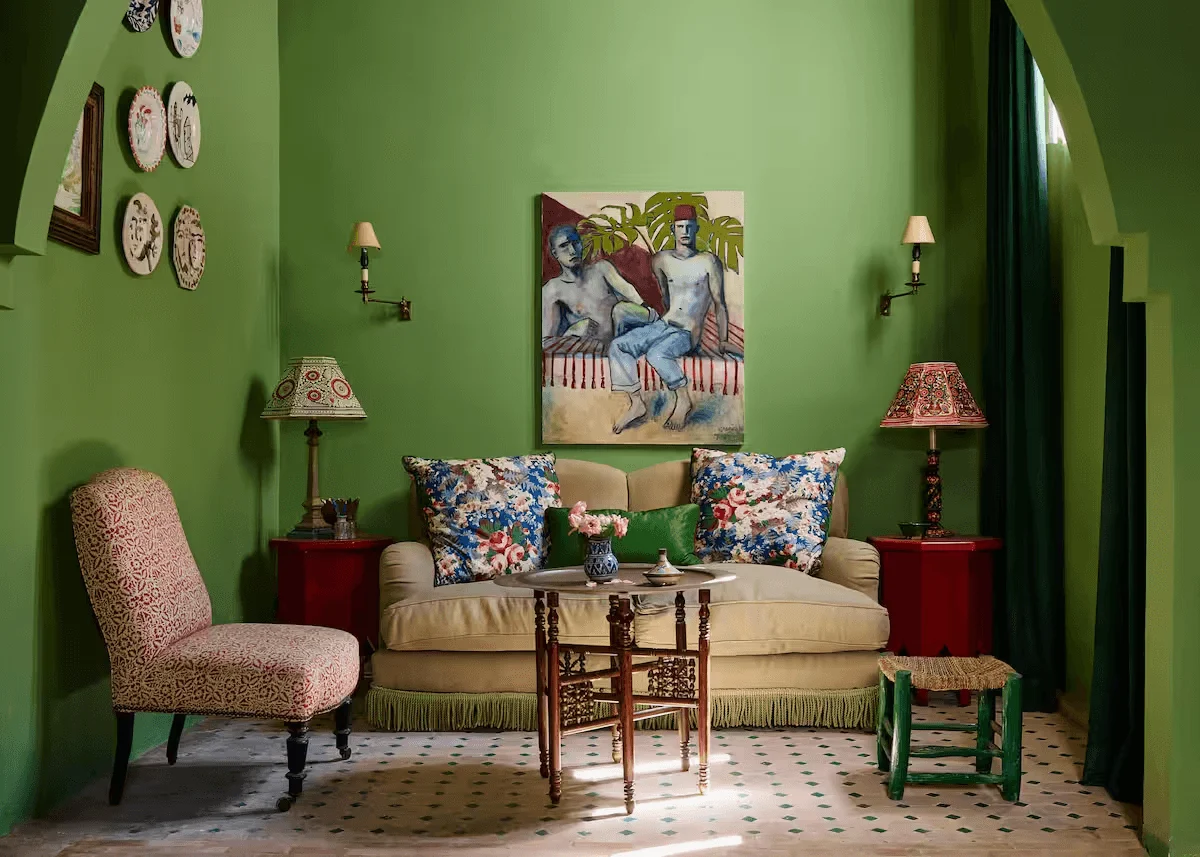
The Moroccan tourism sector has undergone a profound transformation over the last decade, transitioning from a destination primarily known for budget-friendly excursions and traditional package tours to a global epicenter for high-end, design-conscious travel. At the heart of this evolution is the proliferation of short-term rental properties, particularly through platforms like Airbnb, which have allowed private owners to showcase the country’s unique architectural heritage. Unlike the minimalist trends dominating Western urban centers, Moroccan luxury rentals emphasize a maximalist synthesis of "Zellige" tilework, "Tadelakt" plastering, and mid-century modern sensibilities. This shift reflects a broader trend in global travel where the accommodation itself is no longer merely a utility but a primary destination.
The Socio-Economic Context of Moroccan Tourism
In 2023, Morocco welcomed a record-breaking 14.5 million tourists, a significant milestone that underscores the resilience of its hospitality sector following the global pandemic and the Al Haouz earthquake. The Moroccan Ministry of Tourism, Handicrafts, and the Social and Solidarity Economy has actively promoted "Vision 2030," a strategic roadmap aimed at attracting 26 million annual visitors by the end of the decade. Central to this strategy is the diversification of accommodation types. While traditional five-star hotels remain a staple, there is an increasing demand for "Riads"—traditional Moroccan houses with interior courtyards—that offer a more intimate and authentic experience of the medinas (historic city centers).
The integration of professional interior design into these short-term rentals has created a niche market for "design-conscious travelers." These individuals often prioritize aesthetic integrity, local craftsmanship, and architectural significance. Consequently, the rental market in cities like Marrakech, Essaouira, and Tangier has become a competitive arena where owners collaborate with international architects to blend Moorish traditions with contemporary luxury.
Marrakech: The Epicenter of Riad Culture
Marrakech remains the primary driver of the Moroccan rental market. The city’s medina, a UNESCO World Heritage site, provides a dense architectural fabric that is ideal for the Riad model.
Riad Sadaka: A Study in Wellness and Tradition
Located near the Rahba Lakdima (Spice Traders’ Square), Riad Sadaka exemplifies the modern Moroccan wellness retreat. With a starting price of approximately $541 per night, it represents the premium tier of the market. The property features five uniquely colored bedrooms and focuses on sensory experiences, utilizing on-site fountains and avian life to create a tranquil environment. This property highlights the trend of including comprehensive service packages—such as heated pools, free breakfast, and on-site spa treatments—within the private rental framework, effectively blurring the line between a boutique hotel and a private home.
Riad Isobel and Riad Keltoum: Professional Curation
The market has also seen an influx of properties owned and operated by professional decorators. Riad Isobel, located in Marrakech, combines high-end boutique aesthetics with the comfort of a residence. It features remote-controlled climate systems and curated local art, addressing the technical needs of modern travelers while maintaining cultural authenticity. Similarly, Riad Keltoum in the trendy Mouassine district leverages bohemian decor and traditional wood carvings. These properties demonstrate how the "Medina lifestyle" is being repackaged for a demographic that demands both historical atmosphere and modern infrastructure, such as high-speed Wi-Fi and updated kitchens.
Riad Zayan and the Boutique Movement
Riad Zayan, starting at $293 per night, focuses on the "understated luxury" segment. By utilizing earth tones and artisanal textiles, it offers a quieter alternative to the vibrant maximalism found elsewhere in the city. Its inclusion of a summer kitchen and a heated plunge pool reflects a growing requirement for properties to offer year-round utility, catering to the winter tourism surge in Marrakech.
Coastal Evolution: Essaouira and the Modern Villa
Moving away from the dense urbanism of Marrakech, the coastal city of Essaouira offers a different architectural vernacular. Traditionally a hub for artists and surfers, the city’s rental market has matured significantly.
Villa Heritage: A Coastal Synthesis
Set just outside the UNESCO-listed medina, Villa Heritage offers a modern interpretation of Moroccan coastal living. Priced from $598 per night, the property utilizes smooth Tadelakt walls and oversized windows to integrate the Atlantic Ocean views into the living space. This property illustrates the departure from "inward-looking" architecture toward a model that engages with the surrounding landscape. By incorporating Moorish platters and antique tagine dishes into a minimalist frame, it appeals to a demographic that appreciates traditional motifs without the clutter of traditional layout.
Charming Refuge: Personality and Preservation
Within the Essaouira ramparts, properties like the "Charming Refuge" (from $181 per night) focus on the preservation of original features like stained glass and elaborate tilework. These properties often serve a dual purpose: they act as a "sanctuary" from the high-wind environment of the coast while providing proximity to the city’s burgeoning gallery and seafood scene.
Tangier and the Northern Renaissance
Tangier has recently experienced a resurgence, fueled by significant infrastructure investments, including the Al Boraq high-speed train connecting it to Casablanca and Rabat. This has made the city more accessible to international travelers and weekenders from the Moroccan interior.
Maison Maggie: Color and Context
Maison Maggie, a townhouse located just outside the old town, represents the "Northern" style of Moroccan design. It utilizes a bold palette—pear green, shamrock, and rouge—to echo the vibrant, cosmopolitan history of Tangier. Starting at $229 per night, it caters to travelers interested in the city’s literary and artistic heritage, providing a base within walking distance of the Kasbah and the city’s historic cafés.
Fez and Casablanca: Tradition Meets Utility
While Marrakech is the commercial heart of tourism, Fez remains its intellectual and spiritual center. The rental market here is characterized by a stricter adherence to historical preservation.
The Secret Patio: Digital Nomad Integration
"The Secret Patio" in Fez (from $142 per night) is an example of how traditional architecture is being adapted for the modern workforce. By installing fast fiber Wi-Fi and smart TVs within a setting of zellige tiles and hand-cut lanterns, the property attracts "digital nomads" and remote workers who wish to stay in the heart of the world’s largest car-free urban area without sacrificing connectivity.
Casablanca: The Minimalist Glasshouse
In contrast to the Riads of the interior, Casablanca’s market reflects its status as a modern commercial hub. The "Tiny Home" (from $89 per night) is a glasshouse studio that emphasizes compact, sculptural design. It represents a departure from the traditional Moroccan courtyard model, focusing instead on daylight, floor-to-ceiling windows, and functional office space. This reflects the city’s role as a transit point for business travelers and younger tourists seeking a contemporary urban experience.
Market Analysis and Broader Implications
The professionalization of the Moroccan Airbnb market has several broader implications for the country’s economy and urban fabric.
- Economic Impact and Craftsmanship: The demand for high-end rentals has provided a consistent revenue stream for Moroccan artisans. The intricate tilework, wood carving, and plastering seen in these properties are almost exclusively produced by local craftsmen, ensuring the survival of traditional techniques that might otherwise have faced decline.
- Urban Gentrification and Preservation: The renovation of Riads in the medinas of Marrakech and Fez has led to the preservation of historical structures that were in danger of collapse. However, this has also sparked discussions regarding gentrification, as the rising value of these properties often displaces local families and shifts the medina’s demographic from a residential community to a tourist-centric zone.
- Sustainability and Modernization: Modern Moroccan rentals are increasingly incorporating sustainable technologies. Heated pools, while energy-intensive, are frequently being paired with solar heating systems, and the use of traditional materials like Tadelakt offers natural insulation properties that reduce the need for air conditioning.
Future Outlook
Looking forward, the Moroccan short-term rental market is expected to continue its upward trajectory. The upcoming 2030 FIFA World Cup, which Morocco will co-host with Spain and Portugal, is anticipated to bring an unprecedented influx of international visitors. This will likely drive further investment into the luxury rental sector, particularly in cities like Casablanca, Rabat, and Tangier.
The trend toward "experiential" and "design-led" travel shows no signs of slowing down. As travelers become more discerning, the success of Moroccan Airbnbs will depend on their ability to offer more than just a place to sleep. They must provide a curated narrative—one that respects the country’s rich architectural history while offering the seamless luxury and technological integration required by the modern global citizen. The properties highlighted in this analysis represent the vanguard of this movement, setting a benchmark for the future of North African hospitality.