Kang Muslim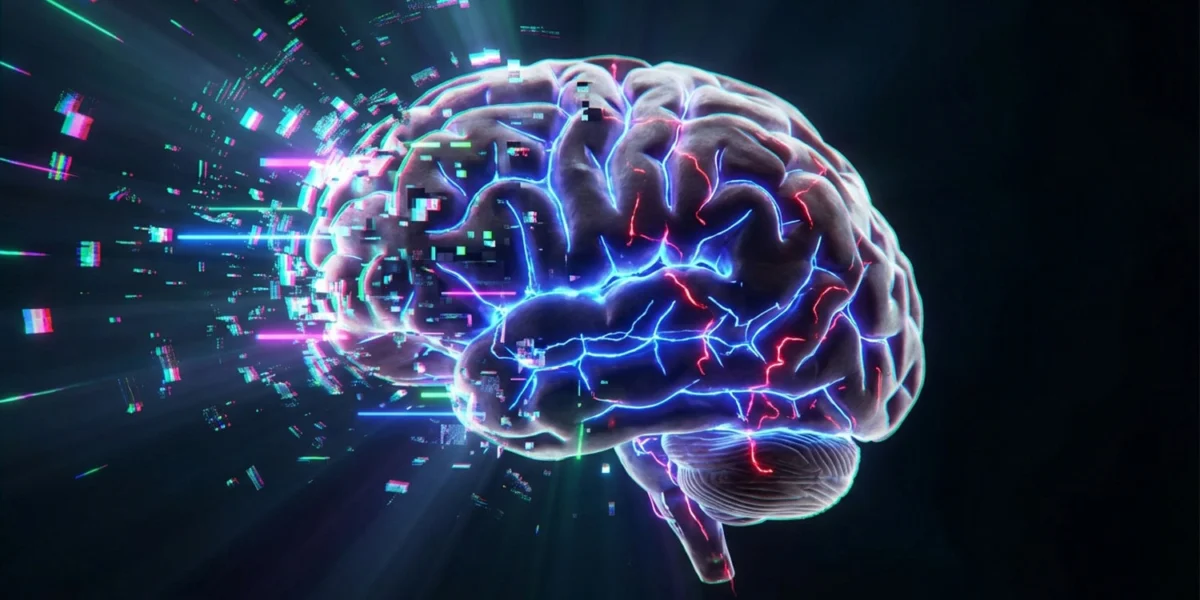
The Cognitive Cost of Context Switching
The shift toward bite-sized content represents one of the most significant changes in human information consumption since the advent of the internet. While traditional media—such as books, documentaries, or feature films—rely on a continuous narrative arc, modern social media feeds are characterized by rapid context switching. A user may view a 15-second cooking tutorial followed immediately by a political commentary, a dance trend, and a news snippet.
Psychologists have long warned that this "choppiness" imposes a heavy cognitive load. The brain is forced to orient itself to a new setting, tone, and subject matter every few seconds. This process, known as context switching, prevents the mind from entering a state of "flow" and hinders the formation of a unified mental schema. According to the research led by Meiting Wei of Yunnan Normal University and Central China Normal University, this lack of narrative continuity does more than just distract the viewer; it weakens the very neural pathways required to recall the information later.
Methodology: Mapping the Fragmented Mind
To investigate the physiological impact of these media formats, the research team recruited 57 university students. The selection process was rigorous, ensuring that participants did not suffer from pre-existing mental health conditions or clinical media addictions that could skew the results. The goal was to observe how a healthy, neurotypical brain handles different information delivery systems.
The participants were divided into two groups. The first group watched a 10-minute continuous video detailing the history and attractions of a relatively obscure tourist destination. The second group watched the same information, but it was broken into seven distinct short clips totaling 10 minutes. Crucially, the researchers controlled for content: both groups were exposed to the same facts, the same number of words, and the same visual cues. The only variable was the presence of narrative breaks and scene shifts.
Following the viewing session, all participants were placed in a functional magnetic resonance imaging (fMRI) scanner. While inside, they were asked to complete a memory retrieval task, answering multiple-choice questions about the content they had just seen. The fMRI allowed the scientists to monitor blood oxygen level-dependent (BOLD) signals, providing a real-time map of which brain regions were working—and which were struggling—during the recall process.
Statistical Disparities in Memory Recall
The behavioral data from the experiment revealed a stark contrast in performance. The group that watched the continuous 10-minute video achieved an average accuracy rate of 66 percent on the memory test. In comparison, the group that watched the fragmented short videos scored an average of only 43 percent.
This 23-point gap suggests that information delivered in short bursts is significantly less likely to be encoded into long-term memory. The researchers noted that while short videos might feel engaging or "easy" to consume, the lack of a cohesive narrative structure makes it difficult for the brain to "tag" information for later retrieval. In the continuous video group, the narrative served as a thread that bound disparate facts together, making them easier to pull from the memory bank as a single, organized package.
Neurological Insights: The Weakened Triple-Region Response
The fMRI data provided a biological explanation for the poor test scores. The researchers identified three specific regions of the brain that showed significantly lower activation in the short-video group: the left claustrum, the left caudate nucleus, and the left middle temporal gyrus.
The Left Claustrum: The Neural Conductor
The claustrum is a thin, mysterious sheet of neurons that acts as a central hub, coordinating signals across different cortical regions. It is often described by neuroscientists as the "conductor" of the brain’s orchestra, helping to integrate sensory information into a singular conscious experience. In the short-video group, the claustrum was notably underactive. This suggests that the fragmented nature of the media prevented the brain from synthesizing the various sights and sounds into a coherent mental representation.
The Left Caudate Nucleus: The Executive Manager
The caudate nucleus is deeply involved in goal-directed behavior and the management of cognitive resources. It helps the brain stay on task and search for specific pieces of information during a test. The reduced activity in this region among short-video viewers indicates a breakdown in "retrieval effort." Essentially, the brain appeared less motivated or less capable of performing a targeted search for the correct answers, potentially defaulting to passive guessing rather than active recollection.
The Left Middle Temporal Gyrus: The Librarian of Meaning
The middle temporal gyrus plays a vital role in language processing and the comprehension of deep, thematic meanings. When we understand the "point" of a story, this area lights up. The low activation in this region for the fragmented group suggests that they were processing the videos as isolated data points rather than a meaningful story. They could hear the words, but they failed to grasp the holistic context that makes information memorable.
The Breakdown of Neural Connectivity
Beyond the underactivation of specific regions, the study highlighted a failure in neural "communication." The researchers observed a weakened functional connection between the caudate nucleus and the claustrum in participants who watched short videos.
In a healthy learning environment, these two regions work in tandem: the caudate directs the search for information, and the claustrum integrates the retrieved details. When this connection is frayed, the brain’s executive control system loses its ability to manage the integration of information. This finding is particularly concerning for educators, as it suggests that even if students are "paying attention" to short instructional videos, their internal neural architecture may not be synchronizing the information effectively.
The Paradox of Micro-Learning and "Brain Rot"
The study arrives at a time when the educational sector is increasingly leaning into "micro-learning." Many schools and corporate training programs have adopted short-form video modules under the assumption that they are more engaging for a generation raised on social media. However, the findings by Wei and her colleagues suggest that this trend may be counterproductive for complex subjects that require deep understanding and long-term retention.
The term "brain rot" has moved from internet slang into the lexicon of developmental psychologists. It refers to a state of mental lethargy and decreased cognitive flexibility caused by over-consumption of low-effort, high-stimulation content. While the study did not use the term "brain rot" in a clinical sense, the evidence of "strained" neural systems in frequent short-video users provides a physiological framework for the phenomenon. The researchers found that individuals who reported a high failure in self-control regarding their media habits actually showed increased connectivity between certain brain regions during the test, which the team interpreted as a sign of the brain overworking to compensate for a highly inefficient retrieval system.
Implications for Policy and Digital Health
The implications of this research extend into the realms of public health and technology regulation. If the very structure of short-form video platforms is detrimental to memory and cognitive integration, there may be a need for "digital nutrition" labels or platform features that encourage longer-form consumption.
Experts in child development have already begun citing such studies to advocate for age-restricted access to infinite-scroll platforms. Unlike adults, whose neural pathways are relatively set, children and adolescents possess highly plastic brains that are more susceptible to being "rewired" by the rapid-fire stimulus of short-form media. If the brain is trained from a young age to expect a new context every 15 seconds, the ability to focus on a 60-minute lecture or a 300-page book may be severely compromised.
Limitations and Future Directions
While the study offers groundbreaking insights, the researchers noted several limitations. The sample size of 57 students, while sufficient for an fMRI study, is relatively small and focused on a specific age demographic (university students). It remains unclear if older adults, who grew up with different media habits, or younger children, whose brains are still developing, would show the same patterns of neural underactivation.
Additionally, the study used a "between-subjects" design, meaning different people were in each group. Future research could utilize a "within-subjects" design, where the same individual is tested on both long-form and short-form content to account for baseline differences in memory capacity.
The research team concluded that while short videos have a place in modern life—perhaps for teaching simple, isolated tasks or providing quick entertainment—they are a poor substitute for continuous narratives when it comes to substantive learning. As the digital age progresses, the challenge for society will be balancing the convenience of bite-sized content with the biological necessity of the focused, integrated mind.