Ferry Irwandi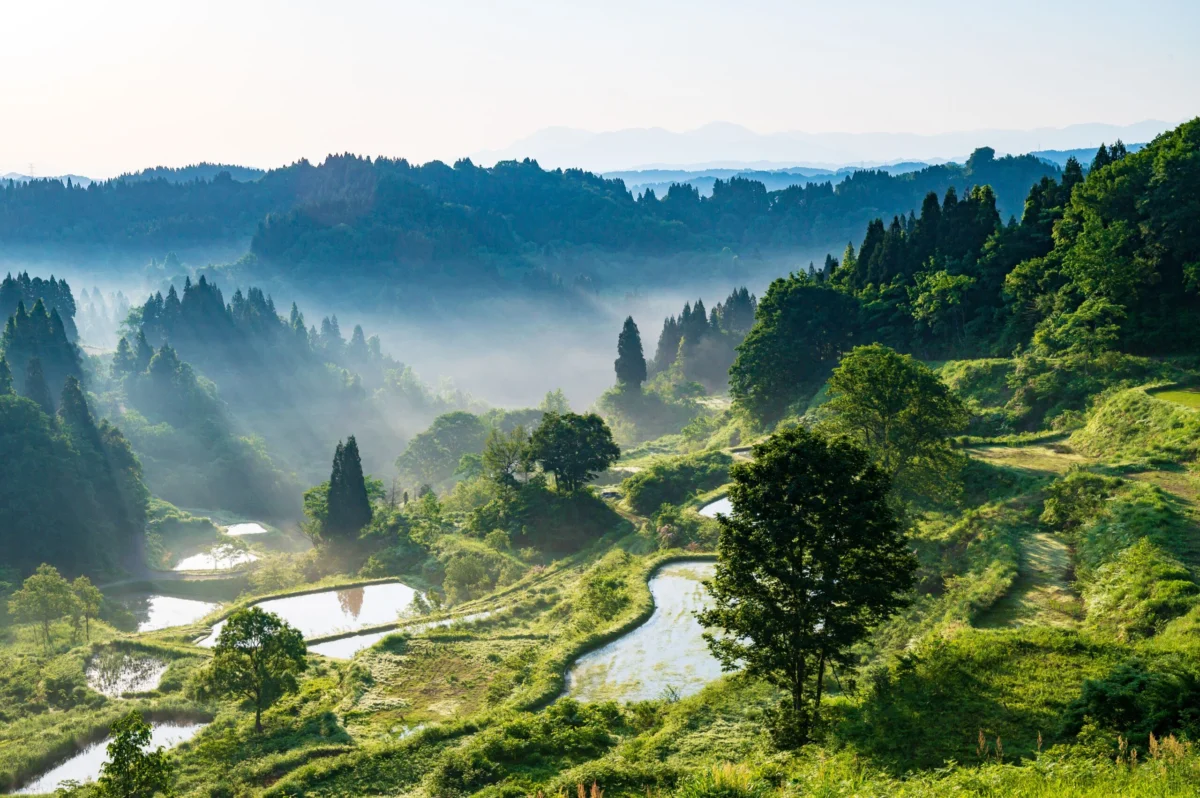
Japan’s tourism sector has reached unprecedented heights in recent years, solidifying its position as a primary global destination with a record-breaking 42.7 million international visitors recorded in 2025. This surge in momentum has continued into the following year, with February alone seeing nearly 3.5 million inbound tourists, a 6.4% increase over the same period in the previous year. While the traditional "Golden Route"—comprising the dense urban corridors of Tokyo, Kyoto, and Osaka—continues to experience significant congestion, a strategic shift is occurring as travelers seek "quiet pockets" and authentic cultural immersion. Niigata Prefecture, situated less than two hours north of Tokyo via the Joetsu Shinkansen, has emerged as a critical focal point for this new wave of regional exploration. Known historically as Japan’s "rice country" and the heartland of premium sake, Niigata is currently redefining itself through a sophisticated blend of contemporary art, industrial heritage, and sustainable "satoyama" living.

The Satoyama Philosophy and Regional Identity
Central to Niigata’s appeal is the concept of satoyama, a term describing the harmonious coexistence between human settlements and the surrounding mountain wilderness. In a prefecture characterized by some of the highest snowfall levels in the world, this philosophy is not merely aesthetic but a survival strategy. The heavy winter snowpack, often reaching depths of ten feet or more, dictates the architecture, the preservation of food, and the rhythm of agricultural life.
For decades, Niigata’s identity was primarily tied to its status as the nation’s top rice producer, specifically for the prized Koshihikari grain. However, the local government and private stakeholders have spent the last quarter-century diversifying the region’s economic and cultural output. This transition has been marked by a move toward high-value experiential tourism that leverages the prefecture’s unique geography—stretching from the rugged peaks of the Japanese Alps to the fertile plains and the expansive Sea of Japan coastline.

A Chronology of Cultural Revitalization
The transformation of Niigata into a global cultural destination can be traced through several key milestones:
- The Year 2000: The Inception of Echigo-Tsumari. The launch of the Echigo-Tsumari Art Field marked a turning point for rural revitalization. Spanning 293 square miles of mountainous terrain, it was designed to address the issues of aging populations and abandoned infrastructure.
- 2018: The Tunnel of Light. The renovation of the Kiyotsu Gorge Tunnel by MAD Architects transformed a traditional scenic site into a world-renowned art installation, proving the power of site-specific architecture in driving tourism.
- 2020-2024: The Rise of Sustainable Luxury. The opening and expansion of eco-lodges like Satoyama Jujo demonstrated that traditional Japanese architecture could be successfully integrated with modern Scandinavian design and sustainable practices.
- 2025-2026: Gastronomic Recognition. The establishment of the Niigata Gastronomy Awards has brought international attention to the region’s fermentation culture and coastal cuisine, culminating in several Michelin-star recognitions and Grand Prix awards for local establishments.
The Echigo-Tsumari Art Field: A Global Benchmark
The Echigo-Tsumari Art Field is arguably the cultural heart of the region. With approximately 200 permanent installations scattered across rice paddies, forests, and decommissioned schools, it represents one of the world’s largest outdoor art initiatives. Unlike traditional galleries, the Art Field requires visitors to navigate the landscape, fostering a direct connection with the environment.

A primary example of this is the Kiyotsu Gorge, where the "Tunnel of Light" installation utilizes mirrored surfaces to reflect the seasonal changes of the gorge—vibrant greens in summer and stark whites in winter. While the site closes during the peak of the winter snows for safety, its operation from spring through late autumn has become a significant driver of foot traffic to the Tokamachi area. The success of this model has prompted other Japanese prefectures to explore similar "art-as-revitalization" strategies to combat the hollowing out of rural communities.
Industrial Heritage and the Tsubame-Sanjo Metalworking District
Niigata’s contribution to Japan’s soft power extends into the industrial sector, specifically in the Tsubame-Sanjo area. For over 200 years, this district has been the center of Japanese metalworking. Gyokusendo, a copper workshop founded in 1816, remains a flagship of this heritage. The workshop specializes in tsuiki—the art of hammering a single sheet of copper into complex shapes like teapots and vases.

In recent years, Gyokusendo and other local manufacturers have opened their doors to "industrial tourism." Tours allow visitors to witness the intense physical labor and precision required in the craft. This transparency has not only preserved ancient techniques but has also created a direct-to-consumer market for high-end Japanese craftwork. The resilience of these workshops, some of which still repair products sold over a century ago, offers a stark contrast to the global trend of "planned obsolescence" and has resonated strongly with environmentally conscious travelers.
Gastronomy: The Intersection of Fermentation and Geography
Niigata’s culinary landscape is fundamentally shaped by its climate. The "Snow Country" (Yukiguni) tradition of preserving food under snow has led to a highly developed fermentation culture. At Hakko House, owner-chef Sho Suzuki has pioneered a model that combines a private villa rental with an immersive education in fermentation. Guests are invited to participate in the preparation of meals using miso, koji, and other preserved ingredients, often visiting the on-site miso factory.

The coastal influence is equally significant. In the northern town of Murakami, a former castle town, the thousand-year history of salmon cuisine is preserved at restaurants like Kikkawa and Izutsuya. Here, whole salmon are salted and hung from rafters to undergo a slow fermentation process aided by the cold, humid winds of the Sea of Japan. This technique, unique to the region, produces a flavor profile that cannot be replicated through modern industrial methods.
Furthermore, Niigata’s sake industry is undergoing a creative renaissance. As domestic alcohol consumption declines, breweries are shifting focus toward educational tourism. Aoki Sake Brewery, with a 300-year history, now offers tours of its "snow cellars," where sake is aged using natural snowfall as a refrigerant. This zero-energy cooling method is increasingly cited by environmental analysts as a model for sustainable industrial practices.

Sado Island: A UNESCO-Listed Microcosm of Japanese History
Located off the coast of Niigata City, Sado Island serves as a historical and cultural microcosm. Reachable by ferry, the island recently gained global attention with the UNESCO listing of the Sado Kinzan gold mine. The island’s history as a place of exile for intellectuals and artists in ancient times has left it with a rich cultural legacy, including a unique form of Noh theater and the world-famous Kodo taiko drumming troupe.
Sado’s commitment to "town-hotel" concepts, such as Nipponia Sado Aikawa, reflects a broader trend in Japanese hospitality. By restoring merchant houses and integrating guests into the existing fabric of the 400-year-old mining town, these accommodations prevent the "resortification" of rural areas. This approach ensures that tourism revenue benefits local artisans and restaurateurs directly, supporting the socio-economic health of the island.

Broader Impact and Future Outlook
The rise of Niigata as a premier travel destination has significant implications for Japan’s national tourism strategy. For the Japanese National Tourism Organization (JNTO), Niigata serves as a proof-of-concept for "decentralized tourism." By offering high-speed rail access to regions with distinct cultural identities, Japan can alleviate the pressure on its major cities while stimulating rural economies.
Analysts suggest that Niigata’s success lies in its refusal to compromise its local identity for the sake of mass tourism. The prefecture has focused on "slow travel"—longer stays, deep cultural engagement, and seasonal appreciation. Whether it is the 10-foot snow walls of winter, the golden rice fields of autumn, or the medicinal waters of Matsunoyama Onsen, Niigata offers a version of Japan that is both ancient and forward-looking.

As the next Echigo-Tsumari Art Triennale approaches in the summer of 2027, the region is bracing for continued growth. However, the focus remains on the satoyama balance. For the international traveler, Niigata represents a side quest that has become the main event: a place where the modern Shinkansen drops you into a world defined by the slow, deliberate rhythm of the seasons.
Logistics and Accessibility
To reach Niigata from Tokyo, the Joetsu Shinkansen provides efficient transport to major hubs.

- Tokyo to Echigo-Yuzawa: Approximately 75 minutes. This area is the primary gateway for skiing at resorts like Gala Yuzawa (which has its own station) and for exploring the southern Art Field.
- Tokyo to Niigata City: Approximately 2 hours. This provides access to the coastal regions and the ferry terminals for Sado Island.
While the immediate station vicinities are accessible via taxi and public transport, exploring the vast Echigo-Tsumari Art Field or the rural rice terraces typically requires a rental car or the booking of private hire services. The best time to visit depends on the desired experience: winter (December to March) for world-class powder skiing and snow culture; spring (April to June) for cherry blossoms and rice planting; and summer (July to September) for the lush green landscapes of the art festivals and coastal hiking.