Layla Zulfa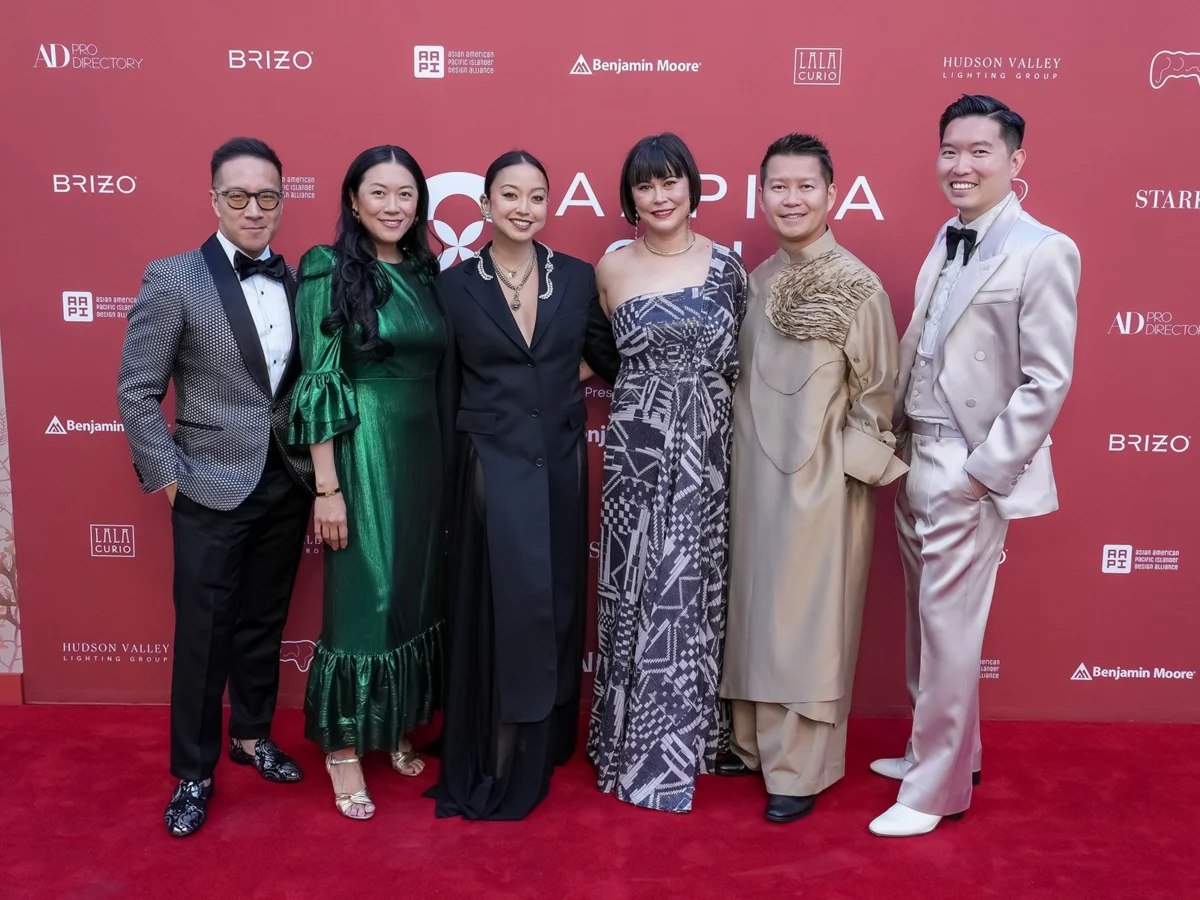
The convergence of cultural heritage and professional distinction took center stage on May 6 at the Audrey Irmas Pavilion in Los Angeles, as the Asian American Pacific Islander Design Alliance (AAPIDA) hosted its inaugural gala. The event, titled “An Evening of Light,” drew more than 300 architects, interior designers, and industry stakeholders to celebrate the contributions of AAPI professionals to the global design landscape. The evening was marked by a poignant display of traditional attire, including a gold silk Vietnamese áo dài worn by Will Nguyen, founder of the Los Angeles design gallery Collective Form. Nguyen’s attire, tailored in Vietnam and delivered just days before the event, served as a visible symbol of the cultural reclamation that defined the night’s proceedings.
Founded five years ago by prominent designers Jessica Davis of Atelier Davis and Young Huh of Young Huh Interior Design, AAPIDA has evolved from a nascent professional network into a robust national nonprofit organization. The alliance was established with the specific mission of engaging, promoting, and advocating for Asian Americans working across the home and design industries. While the organization has previously focused on workshops, educational seminars, and mentorship programs, the 2026 gala represented its most significant public-facing milestone to date. According to co-founder Young Huh, an AD100 designer, the primary objective of the gala was to foster a sense of physical community that had previously been mediated through digital platforms and smaller regional gatherings.

A Landmark Venue for a Milestone Event
The choice of the Audrey Irmas Pavilion as the venue for the inaugural gala was a deliberate nod to the intersection of AAPI identity and architectural innovation. Located in the heart of Los Angeles’ Koreatown, the pavilion was designed by Shohei Shigematsu of the internationally renowned firm OMA (Office for Metropolitan Architecture). The building, known for its trapezoidal openings and intricate geometric facade, provided a modern, culturally resonant backdrop for the assembly.
The guest list reflected the high-level influence of AAPI professionals in contemporary design. Attendees included AD100 architects and designers such as Jamie Bush and Leo Marmol, as well as media figures like Bobby Berk of Queer Eye, designer Mikel Welch, and Sarah Jane Ho, star of Mind Your Manners. The presence of these figures underscored the gala’s role as a nexus for high-level networking and industry recognition.
Chronology of the Evening: From Recognition to Celebration
The gala followed a structured program that balanced formal recognition with cultural performance. The evening was emceed by comedian Dylan Adler, who maintained a tone that many attendees described as a “far-flung family reunion.” This atmosphere was facilitated by the geographical diversity of the guests, many of whom traveled from hubs such as New York, Atlanta, Chicago, Seattle, Texas, and Hawaii to attend.

The formal program included several high-profile award presentations designed to honor various stages of professional achievement:
- Lifetime Achievement Award: Master artisan and designer Robert Kuo was honored for his decades-long career. Kuo is widely recognized for his ability to reinterpret traditional Chinese decorative techniques—such as cloisonné, repoussé, and lacquerwork—within a contemporary minimalist framework. His work is frequently cited as a bridge between ancestral craftsmanship and modern luxury design.
- Student Scholarship Awards: In a commitment to the future of the industry, AAPIDA awarded scholarships to Calvin Ma and Loren Brittany Cruz. These awards are part of the alliance’s broader initiative to mitigate the financial barriers that often prevent AAPI students from entering high-cost design programs.
- Industry Ally Award: Benjamin Moore received this honor in recognition of its consistent support for AAPI designers and its internal corporate efforts to promote diversity and equity.
The physical awards themselves were works of art, commissioned from furniture and lighting designer John Pomp. Pomp, known for his artisanal glasswork and metal fabrication, created custom pieces that reflected the “Evening of Light” theme.
Cultural Performances and Artistic Representation
The programming was enriched by performances that highlighted the dual identity of many AAPI professionals. Singer-songwriter Milck performed her anthem "Quiet," a song that gained international prominence during the Women’s March and has since become a staple of social justice movements. The performance held personal significance for the organization, as Milck and AAPIDA executive board member Noz Nozawa have been close friends since kindergarten.

The evening also featured a performance by Kishin Daiko, a taiko drumming group that brought a percussive energy to the pavilion. These performances served not only as entertainment but as a medium for expressing the resilience and vibrancy of the AAPI community. Jessica Davis, in her address to the guests, noted that the night was a “testament to the strength of community, the power of creativity, and the importance of representation across our industries.”
Industry Context: The Growing Influence of AAPI Designers
The inaugural AAPIDA gala comes at a time of shifting demographics and increasing calls for diversity within the American design industry. While the AAPI community has historically been well-represented in technical roles within architecture and engineering, the "bamboo ceiling" has often limited visibility in leadership and high-profile creative positions.
According to data from the American Institute of Architects (AIA), while Asian Americans make up a significant percentage of architecture students, their representation in firm leadership remains disproportionately low compared to their white counterparts. Organizations like AAPIDA aim to address this disparity by providing the networking and mentorship necessary for career advancement.

The economic impact of AAPI professionals in the design sector is also substantial. As the fastest-growing ethnic group in the United States, Asian Americans possess significant purchasing power and are increasingly influential as both creators and consumers of luxury home goods and architectural services. By formalizing a professional alliance, AAPIDA is positioning its members to better capture this market share and influence global design trends.
Broader Implications and Future Outlook
The success of the gala indicates a maturing of the AAPIDA organization and a growing appetite for identity-based professional associations in the design world. The event was supported by AD PRO, the professional wing of Architectural Digest, which served as the media sponsor. This partnership highlights the industry’s recognition of AAPIDA as a vital organ of the design community.
The evening concluded with closing remarks from Eric Chang, whose speech touched upon the complexities of struggle, identity, and the specific challenges faced by first- and second-generation immigrants in creative fields. His words reportedly left many in the audience moved, emphasizing the emotional weight of the gathering.

However, the night ended on a festive note with a karaoke afterparty that lasted until 2:00 a.m. The inclusion of karaoke was described by attendees as an essential cultural touchstone. Will Nguyen remarked that "it’s not an Asian party without karaoke," a sentiment that underscored the evening’s successful blend of professional gravitas and cultural authenticity.
Conclusion: A New Chapter for Inclusive Design
The inaugural AAPIDA gala has set a high bar for future industry events. By moving beyond the traditional confines of professional networking and incorporating elements of cultural pride, scholarship, and advocacy, the alliance has demonstrated that professional excellence and cultural identity are not mutually exclusive.
As AAPIDA enters its next phase of growth, the organization plans to expand its mentorship programs and increase its advocacy for AAPI representation in design media and corporate leadership. The "Evening of Light" was more than just a social gathering; it was a strategic assertion of presence in an industry that is increasingly recognizing the value of diverse perspectives. For the 300 guests who gathered at the Audrey Irmas Pavilion, the event served as a reminder that while the path to professional recognition can be fraught with challenges, the strength of a unified community provides a powerful light forward.