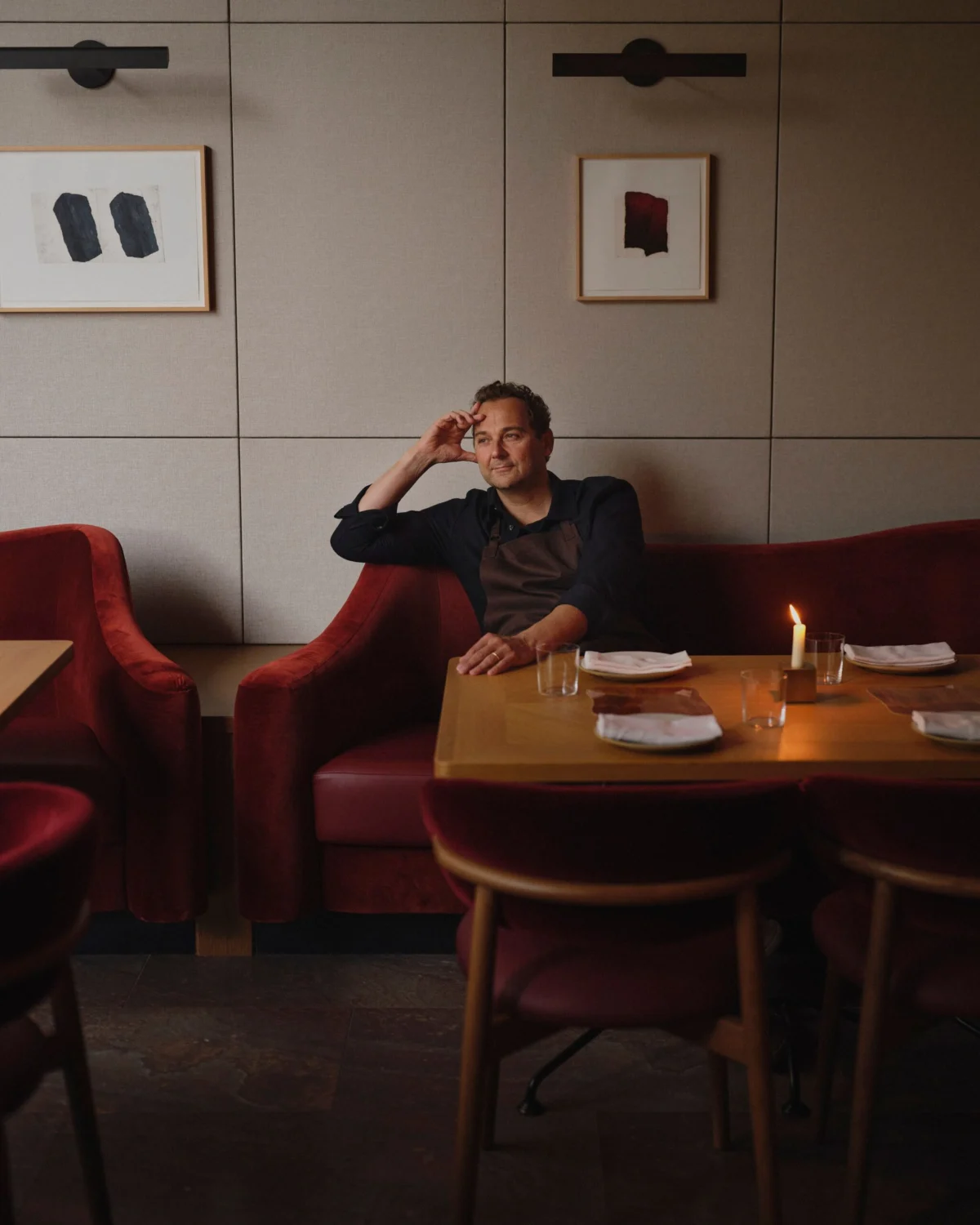
Danny Garick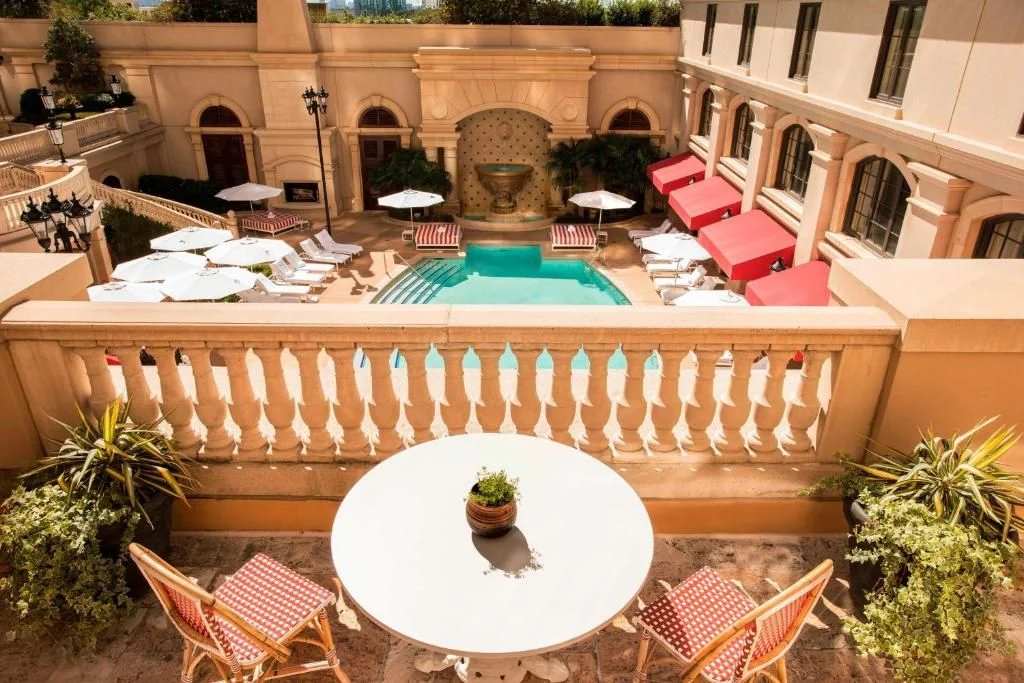
Atlanta has long been celebrated for its deep-rooted Southern traditions, but the city’s contemporary culinary landscape has expanded far beyond the classic tropes of fried chicken and biscuits. Today, the metropolitan area serves as a sophisticated hub for international flavors, Michelin-starred fine dining, and innovative "industrial restoration" concepts that breathe new life into historic structures. For the modern traveler, the challenge lies not just in finding an exceptional meal, but in selecting a strategic home base that provides seamless access to the city’s distinct epicurean districts. From the walkable trails of the Old Fourth Ward to the high-gloss towers of Buckhead and the burgeoning "Brunch Mile" on the Southside, the intersection of hospitality and gastronomy has become the primary driver of Atlanta’s tourism economy.
The Old Fourth Ward: A Nexus of Walkability and Innovation
The Old Fourth Ward, colloquially known as O4W, has undergone a radical transformation over the last decade, fueled largely by its proximity to the Atlanta Beltline’s Eastside Trail. Once an industrial heartland, it is now a premier destination for those seeking a mix of casual excellence and refined technique. The neighborhood’s food scene is characterized by a "morning-to-night" ecosystem. Establishments like Chrome Yellow Trading Co. and Little Tart bakery provide the initial caffeine and pastry anchors, while Kinship Butcher & Sundry offers a masterclass in artisanal meat preparation, featuring sandwiches like the "double double" breakfast sausage or griddled pork belly with "drunken" mustard on brioche.
The economic impact of the O4W development is inextricably linked to Ponce City Market, a massive adaptive reuse project in the former Sears, Roebuck & Co. building. This food hall serves as a central clearinghouse for culinary talent, such as Chef Meherwan Irani’s Botiwalla, which translates the vibrant street food of India into an accessible, award-winning format.

For travelers, the newly opened Forth hotel serves as the neighborhood’s flagship accommodation. Positioned as a hybrid between a luxury hotel and a local membership club, Forth reflects the mid-century modern aesthetic currently trending in high-end hospitality. Its onsite dining options—including the Italian steakhouse Il Premio and the Mediterranean-focused Elektra—ensure that the culinary experience begins before a guest even leaves the property. The rooftop bar, Moonlight, has already become a focal point for the city’s nightlife, offering panoramic views that highlight the neighborhood’s densification.
West Midtown: From Warehouses to Michelin Stars
If the Old Fourth Ward represents the spirit of the Beltline, West Midtown represents the power of industrial restoration. The area’s trajectory was fundamentally altered in 1999 when Chef Anne Quatrano moved her flagship restaurant, Bacchanalia, from Buckhead to the Westside Provisions District. This move acted as a catalyst, proving that fine dining could thrive in a landscape of revitalized warehouses and active railway lines.
Today, West Midtown is home to some of the most critically acclaimed restaurants in the Southeastern United States. Steven Satterfield’s Miller Union continues to set the standard for farm-to-table dining, while Ford Fry’s The Optimist remains a staple for sustainable seafood. The neighborhood has also become the epicenter of Atlanta’s high-end Japanese cuisine, with Mujō establishing itself as the gold standard for omakase.
The area is also a hub for Atlanta’s indie beverage industry. Monday Night Brewing, Bold Monk Brewing, and Urban Tree Cidery have turned the district into a "brewery crawl" destination. The "Little Italia" development near Georgia Tech further diversifies the area, offering authentic Neapolitan pies at Antico Pizza Napoletana and artisanal gelato at Caffè Antico.

To accommodate the influx of business and leisure travelers drawn to this district, Sentral has emerged as a key lodging provider. Originally designed as upscale apartments, Sentral offers a residential-style experience with full kitchens and laundry facilities, catering to the growing "bleisure" market—professionals who combine business trips with leisure exploration. Its location on the bustling Howell Mill Road corridor places guests within walking distance of retail wine shops like Perrine’s and specialized coffee houses like Prevail Union.
Buckhead: The Persistence of Luxury and the New Guard
Buckhead has historically been synonymous with Atlanta’s wealth and "quiet luxury." For decades, the dining scene was dominated by the Buckhead Life Group’s stalwarts, such as Chops, Atlanta Fish Market, and Pricci. While these institutions remain popular, a new generation of operators is introducing modern, produce-forward concepts to the district.
Le Bon Nosh, for instance, focuses on French-inspired fare that highlights local provisions, while Storico Fresco Alimentari brings a high level of technical proficiency to handmade pastas. Lucian Books and Wine has carved out a unique niche by combining a sophisticated wine program with a curated retail bookstore, appealing to a demographic that values intellectual and sensory stimulation in equal measure.
The St. Regis Atlanta remains the architectural and social anchor of the neighborhood. The hotel is home to Atlas, a Michelin-starred destination led by Chef Freddy Money. Atlas is notable not only for its opulent tasting menus but also for the museum-quality art that adorns its walls, creating a multi-sensory environment that defines the Buckhead "flex." The property’s shared courtyard also hosts Delbar, a Middle Eastern concept that has seen explosive growth in Atlanta, and Himitsu, a highly exclusive, reservation-only Japanese cocktail lounge.

Midtown: The Cultural and Corporate Heart
As the city’s central business district, Midtown is defined by a skyline in constant flux. The return-to-office mandates of the post-pandemic era have revitalized the area’s dining rooms. Lazy Betty, a high-concept restaurant with international pedigree, recently moved to Midtown, signaling the neighborhood’s growing prestige.
The Woodruff Arts Center, home to the High Museum of Art, has also expanded its culinary offerings with the opening of Elise in August 2025. Named after Beethoven’s "Für Elise," the restaurant focuses on French and Italian seafood presentations, bridging the gap between the city’s cultural and culinary institutions. Midtown’s international character is further bolstered by The Consulate, which features a rotating global menu, and El Valle, a sophisticated Mexican concept.
For those seeking a more intimate stay, the Hotel Granada offers a historic alternative to the corporate glass towers. Built in 1923 and located on West Peachtree, the boutique property features Spanish-inspired architecture and a basement cocktail lounge, May Peel, which has become a favorite for locals seeking a "hideaway" atmosphere.
The Southside Renaissance: The Tri-Cities and the Airport Corridor
While many visitors rarely venture far from Hartsfield-Jackson International Airport, the surrounding "Tri-Cities" of East Point, College Park, and Hapeville are experiencing a significant culinary boom. College Park’s Main Street has earned the nickname "Brunch Mile" due to its dense concentration of popular Black-owned eateries, including The Breakfast Boys and Nouveau Bar and Grill.

The Southside is also a destination for authentic heritage cooking. Virgil’s Gullah Kitchen and Bar introduces diners to the flavors of South Carolina’s Lowcountry, while Tom, Dick & Hank is recognized for serving some of the region’s best soul food, specifically its smoked turkey legs and seasoned collards. In Hapeville, the scene is increasingly diverse, with Dua Vietnamese and the Thai-influenced Paper Plane offering high-quality alternatives to standard airport fare.
The Kimpton Overland Hotel provides the premier lodging option in this sector. Located adjacent to the Porsche North American headquarters, the hotel offers a rooftop bar with direct views of the Porsche test track. This unique positioning makes it a favorite for automotive enthusiasts and corporate travelers who prefer the tranquility of the Southside over the congestion of the city center.
Analytical Implications: The Future of Atlanta’s Hospitality Sector
The evolution of these five neighborhoods suggests a broader trend in urban development: the "culinary-centric" city model. Atlanta’s growth is no longer driven solely by corporate relocation but by the lifestyle amenities that attract a global workforce. The arrival of the Michelin Guide in 2023 served as a formal validation of this progress, providing an estimated 15% to 20% increase in reservation demand for recognized establishments.
Furthermore, the data indicates a shift toward "experiential" hospitality. Modern travelers are increasingly eschewing traditional hotel chains in favor of properties like Forth or Hotel Granada, which offer a distinct sense of place and integrated dining experiences. As the Atlanta Beltline continues to expand and the city prepares for major international events, such as the 2026 FIFA World Cup, the synergy between neighborhood identity, culinary innovation, and strategic lodging will remain the cornerstone of the city’s economic and cultural vitality.

The "spirit and soulful flavors" of the city are no longer confined to a single district; they are distributed across a sophisticated urban network. For the visitor, the key to a successful stay in "The A" is recognizing that the city is a collection of villages, each offering a unique plate and a unique perspective on the modern South.