Danny Garick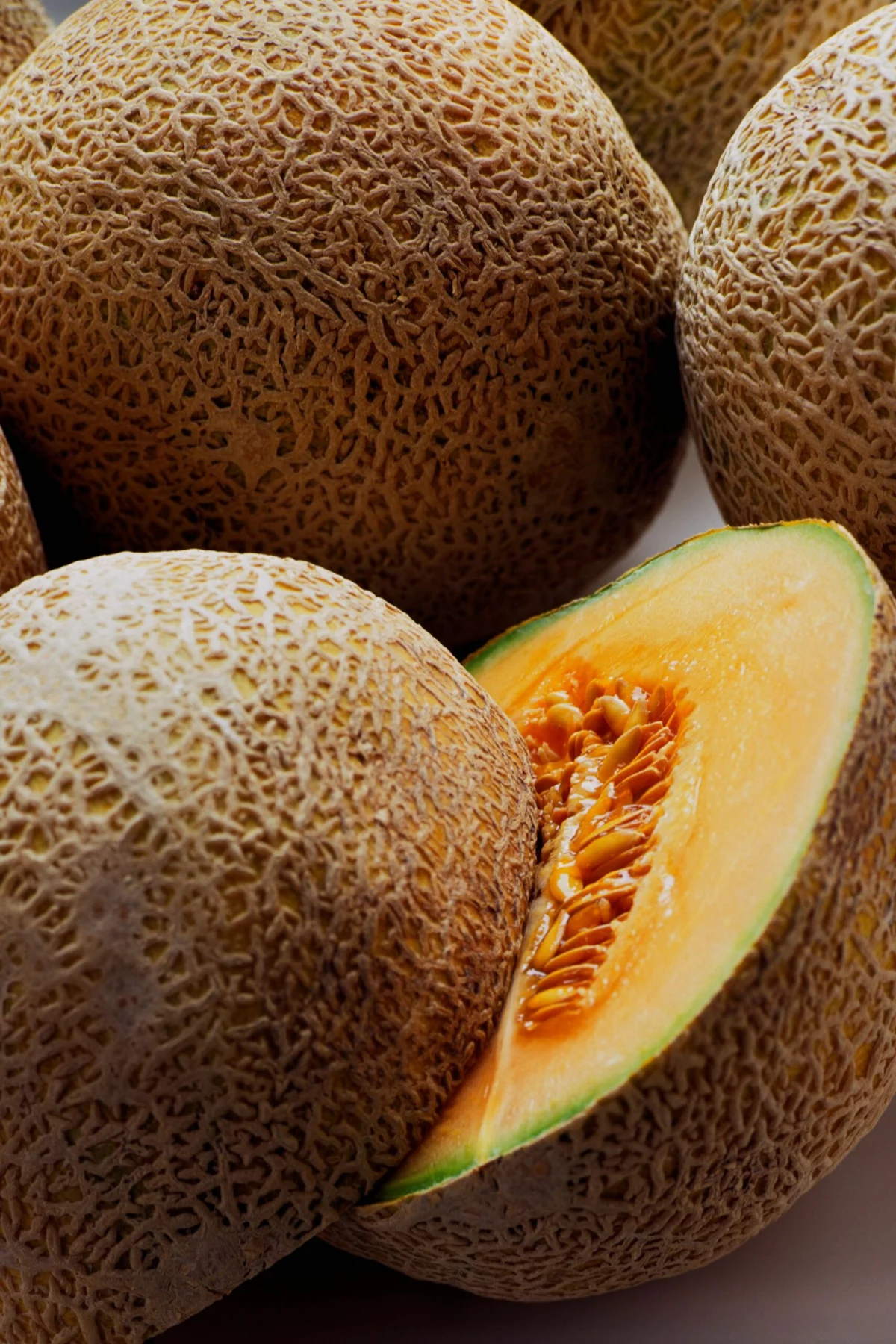
The cantaloupe, a staple of the North American summer harvest, represents a intersection of seasonal culinary delight and rigorous food safety requirements. As temperatures rise across the hemisphere, the demand for this hydrating muskmelon increases, yet the preparation process remains a point of concern for both home cooks and professional food handlers. To transition from a whole, field-grown fruit to a refined culinary component—whether for simple wedges, sophisticated fruit salads, or savory relishes—one must adhere to a standardized protocol that prioritizes stability, efficiency, and hygiene. This guide details the essential methodology for processing cantaloupe and similar melons, such as honeydew, while providing the necessary agricultural and nutritional context that defines this fruit’s role in the global food economy.
The Critical Importance of Pre-Processing Hygiene
The first and most vital phase of cantaloupe preparation is the thorough cleaning of the exterior rind. While the orange flesh of the melon is protected by a thick skin, the unique texture of the cantaloupe—a "netted" or reticulated rind—creates a complex surface area that easily traps soil, irrigation water residues, and microbial contaminants. According to data from the Centers for Disease Control and Prevention (CDC), melons have historically been linked to various foodborne illness outbreaks, including Salmonella and Listeria monocytogenes. These pathogens often reside on the surface of the fruit and are transferred to the internal flesh via the blade of a knife during the slicing process.
To mitigate this risk, the fruit must be scrubbed under cool, running potable water. The use of a dedicated vegetable brush is recommended to reach into the crevices of the netting. It is a common misconception that because the rind is not consumed, it does not require cleaning; however, the mechanical action of the knife serves as a vector for cross-contamination. Public health officials emphasize that even "organic" or "farm-fresh" produce must undergo this cleaning stage to ensure that any bacteria picked up during transport or handling are neutralized before the fruit is breached.

Establishing a Stable Foundation: The Trimming Phase
Once the melon is cleaned and dried, the secondary phase involves structural preparation. The inherent spherical or oblong shape of a cantaloupe makes it inherently unstable on a flat cutting board, posing a significant risk for knife slips. To ensure safety, the "flat-base" method is employed by professional chefs globally. This involves trimming approximately one inch from both the stem end and the blossom end of the fruit.
By removing these poles, the cook creates two flat surfaces. Placing the melon upright on one of these flattened ends provides a secure, non-slip foundation. From this vertical position, the rind is removed by following the natural curvature of the fruit. Using a sharp chef’s knife, the cook should slice downward in strips, ensuring the cut is deep enough to remove both the hard outer skin and the pale, fibrous green layer immediately beneath it. This green flesh is often bitter and lacks the sugar content of the orange interior. If any green patches remain after the initial pass, they should be trimmed away to ensure a uniform texture and flavor profile in the final product.
Internal Processing: Halving and Seed Extraction
With the exterior removed, the melon is ready to be halved. The direction of this cut determines the aesthetic of the final pieces. Slicing the melon lengthwise (from pole to pole) results in long, elegant wedges suitable for plating with prosciutto or other charcuterie. Conversely, slicing crosswise (through the equator) produces rounder, half-moon shapes that are often preferred for dicing into uniform cubes.
The central cavity of the cantaloupe contains a dense cluster of seeds held together by a slippery, fibrous pulp. Using a large metal spoon, this core should be scooped out in a single, fluid motion. While many domestic preparations involve discarding these seeds, there is a growing movement toward "zero-waste" cooking that utilizes them. The seeds are high in protein and healthy fats; when rinsed and toasted, they can be used similarly to pumpkin seeds. Additionally, the surrounding pulp is highly aromatic and can be pressed through a fine-mesh sieve to extract juice for use in vinaigrettes, smoothies, or artisanal cocktails.

Final Fabrication: Wedges, Cubes, and Culinary Applications
The final stage of the process is the fabrication of the flesh into specific shapes based on the intended use. For casual consumption or as a side dish, the halved sections are typically sliced into wedges of varying thickness. For use in fruit salads, salsas, or savory relishes, these wedges are laid flat and sliced crosswise into bite-sized chunks or cubes.
The precision of these cuts is not merely for aesthetics; uniform sizing ensures a consistent mouthfeel and allows for even marination if the melon is being dressed with lime juice, mint, or chili powder. In professional kitchens, the "macedoine" or small dice is often used when cantaloupe is incorporated into savory applications, such as a topping for grilled fish or a component in a cold gazpacho.
Agricultural Context and Economic Impact
The cantaloupe (Cucumis melo var. reticulatus) is a member of the Cucurbitaceae family, which includes cucumbers, pumpkins, and squashes. While often referred to as a "cantaloupe" in North America, true cantaloupes are primarily a European variety (var. cantalupensis) characterized by a ribbed, non-netted skin. The North American variety is technically a muskmelon, though the terms are used interchangeably in trade and commerce.
In the United States, the commercial production of cantaloupes is concentrated in California and Arizona, which together account for the vast majority of the domestic supply. The industry is highly seasonal, with peak production occurring between June and August. Market data suggests that the cantaloupe remains one of the top five most consumed melons globally, valued for its high yield per acre and its resilience during transport compared to softer fruits. However, the industry faces ongoing challenges related to water scarcity in primary growing regions and the increasing costs of labor-intensive harvesting, as cantaloupes must still be picked by hand to ensure they have reached "full slip"—the stage where the fruit naturally detaches from the vine at peak ripeness.

Nutritional Profile and Health Implications
From a nutritional standpoint, the cantaloupe is an exceptional source of micronutrients. A single one-cup serving provides over 100% of the recommended daily intake of Vitamin A (in the form of beta-carotene) and nearly 100% of Vitamin C. These antioxidants play a critical role in immune function and skin health. Furthermore, the high water content (approximately 90%) and significant potassium levels make it an ideal food for hydration and electrolyte balance during periods of high heat.
The glycemic index of cantaloupe is moderate, but its high fiber content helps to mitigate rapid spikes in blood sugar, making it a viable option for individuals monitoring their carbohydrate intake. Nutritionists often highlight the fruit’s synergy with fats; for instance, consuming cantaloupe with a small amount of healthy fat (such as that found in nuts or cheese) can enhance the absorption of its fat-soluble Vitamin A.
Analysis of Contemporary Trends: Savory and Sustainable Prep
The modern culinary landscape has seen a shift in how cantaloupe is perceived. No longer relegated solely to the breakfast buffet, the fruit is increasingly utilized in savory contexts. Chefs are experimenting with grilling cantaloupe, where the high sugar content allows for rapid caramelization, creating a smoky-sweet profile that pairs well with balsamic reductions and feta cheese.
Furthermore, the "root-to-stem" philosophy has prompted a re-evaluation of the melon’s components. Beyond the seeds, some regional cuisines utilize the rind itself—once thoroughly cleaned—for pickling. Similar to watermelon rind pickles, cantaloupe rinds can be preserved in a brine of vinegar, sugar, and spices, offering a crunchy, tart condiment that reduces food waste and extends the shelf life of the harvest.

Conclusion: A Protocol for Quality and Safety
The preparation of a cantaloupe is a fundamental kitchen skill that bridges the gap between raw agricultural products and refined gastronomy. By following a structured approach—beginning with rigorous sanitation, moving through stabilizing cuts, and ending with precise fabrication—cooks can maximize the fruit’s potential while ensuring consumer safety. As the agricultural sector continues to evolve in response to climate and economic pressures, the value of the cantaloupe as a nutrient-dense, versatile, and refreshing staple remains undisputed. Whether served as a simple chilled wedge or a complex element of a modern dish, the success of the experience begins with the very first cut.