
 Reynand Wu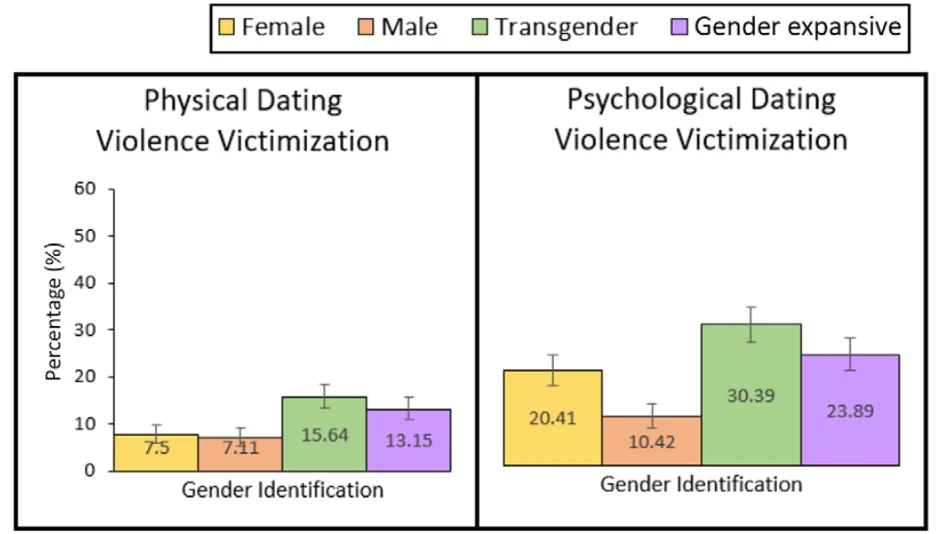
In recent years, sociological inquiry has increasingly turned its lens toward the evolving landscape of human connection, scrutinizing phenomena such as hookup culture and the myriad modern forms of dating. While this scholarly discourse has illuminated significant shifts in romantic and sexual engagement, it has too often overlooked a critically important demographic: the transgender community. Furthermore, much of this discussion has historically fixated narrowly on college campuses, failing to acknowledge the pervasive influence of dating apps across diverse age groups and social strata, thereby creating an incomplete picture of contemporary romantic dynamics. A more inclusive and nuanced examination reveals that trans individuals navigate a unique and often perilous terrain within the modern dating world, necessitating focused attention and systemic change.
A Crisis of Safety: Unpacking Dating Violence Against Trans Individuals
The imperative to center trans experiences in dating research is underscored by alarming statistics concerning violence and discrimination. A pivotal 2021 study, published in Pediatrics, revealed that trans youth face a significantly higher risk of dating violence compared to their cisgender peers. Specifically, trans youth were found to be twice as likely as cisgender women to have experienced physical dating violence, and fifty percent more likely to have endured psychological dating violence. These figures paint a stark picture of vulnerability, highlighting systemic issues that extend beyond typical dating challenges.
Further research has consistently echoed these concerns, delving into the specific forms of mistreatment trans individuals encounter. A 2023 study published in the Journal of Sex Research identified common experiences, most notably the dehumanizing phenomenon of fetishization and the constant burden of confronting others’ preconceived assumptions about trans people. Participants in this study articulated the frustration and emotional toll of these encounters. As one trans woman recounted, "Because I’m a trans woman, people instantly assume that I must be this massive bottom." A trans man echoed a similar sentiment, observing, "I just felt like they weren’t talking to me. They were talking to an idea they had about me." These testimonies illuminate the pervasive challenge of being seen as an object or an idea rather than a complete individual, undermining genuine connection and fostering an environment of emotional invalidation.
The implications of such experiences extend far beyond mere discomfort, contributing to a broader climate of anxiety and fear. Trans individuals often find themselves navigating a dating landscape where their identity is either exoticized, misunderstood, or outright rejected, leading to emotional distress and a heightened sense of insecurity. This unique burden distinguishes their dating experiences from those of cisgender individuals, calling for specific interventions and support mechanisms.
Navigating Digital Spaces: Disclosure and Danger on Dating Apps
The advent and widespread adoption of dating applications have fundamentally reshaped how people meet and connect, yet for trans individuals, these platforms present a complex paradox of opportunity and peril. While apps offer a potentially broader pool of prospective partners and a degree of anonymity that can be empowering, they also become sites where prejudice and discrimination can manifest acutely. Research examining trans people’s decisions to disclose their trans identity to prospective partners on dating apps reveals a deeply calculated approach, often driven by safety concerns.
A study published in Proceedings of the ACM on Human-Computer Interaction found that most trans participants proactively and explicitly disclosed their identity early in the dating process. This deliberate disclosure was not merely about honesty or authenticity, but critically, about personal safety. The fear of violence, rejection, or even physical harm loomed large in their decision-making. One participant, who was genderfluid and resided in a rural area, articulated this profound anxiety, stating that when meeting someone face-to-face from a dating app, they invariably thought, "that person could be the person that kills me." This chilling sentiment underscores the extreme vulnerability and constant vigilance many trans individuals must maintain.
However, not all trans individuals opt for explicit, upfront disclosure. Some engage in "softer" disclosure methods, strategically showcasing different facets of their identity on apps that allow for multiple profile pictures or nuanced self-descriptions. This approach might involve subtly signaling their identity through chosen aesthetics, interests, or communities they identify with, hoping to attract understanding partners while perhaps mitigating immediate exposure to potential hostility. The choice between explicit and softer disclosure highlights the difficult balance trans individuals must strike between seeking genuine connection and protecting themselves in a world that can be openly hostile. Dating apps, while facilitating connections, often lack adequate mechanisms to protect trans users from harassment, misgendering, or outright abuse, placing the burden of safety squarely on the individual.
The Intersection of Identity and Vulnerability: Who is Most at Risk?
Within the trans community itself, vulnerability to dating violence is not monolithic; it is deeply shaped by intersectional identities. A 2021 study published in Social Sciences shed light on this crucial dimension, finding that Black, Indigenous, and People of Color (BIPOC), queer, and transfeminine individuals are disproportionately more likely to have experienced dating violence. This finding emphasizes that systemic racism, homophobia, and transphobia intersect to create layers of marginalization, amplifying the risks faced by certain segments of the trans population.
Further research, such as a 2022 study in Journal of Interpersonal Violence, specifically investigated the dating experiences of BIPOC trans women. This study uncovered a particularly insidious pattern: their cisgender male partners would frequently conceal their relationships from the public due to societal stigma. The consequences of this forced secrecy and societal shame were severe, ranging from physical violence to profound psychological trauma. One participant powerfully articulated the life-threatening implications of this secrecy: "We getting killed just because of the guys here were scared that they secret would come out." This statement highlights the lethal combination of transphobia and toxic masculinity, where a man’s fear of being "outed" for dating a trans woman can escalate to fatal violence.
To cope with these pervasive threats, BIPOC trans women described engaging in elaborate "survival strategies." These included maintaining hypervigilance in their interactions and surroundings, carefully selecting clothing to avoid being "found out" or targeted, and actively avoiding certain men known to be hostile or dangerous. These strategies, while essential for self-preservation, come at a significant cost, imposing immense mental and emotional burdens, restricting personal freedoms, and diminishing the potential for authentic, joyful romantic experiences. This continuous state of alert and self-modification underscores the profound impact of societal prejudice on the daily lives and romantic pursuits of BIPOC trans women.
Systemic Failures: The Legal and Societal Backdrops
The challenges faced by trans individuals in dating are not isolated incidents but are deeply embedded within broader societal and legal structures that perpetuate discrimination and violence. One particularly egregious example is the "trans panic defense." This legal strategy, still permissible in some jurisdictions, allows perpetrators of violent crimes to attempt to justify their actions by claiming a temporary loss of self-control after discovering their victim is transgender. Such defenses effectively shift blame from the assailant to the victim’s identity, legally sanctioning prejudice and undermining justice.
The history of "trans panic defenses" is rooted in homophobic and transphobic biases, reflecting a societal narrative that deems LGBTQ+ identities as inherently provocative or deserving of violent reaction. While the American Bar Association has officially called for the abolition of these defenses, and a growing number of U.S. states have banned them, their continued existence in any form sends a chilling message: that violence against trans people can be excused, implicitly devaluing trans lives. This legal loophole not only impedes justice for victims but also contributes to a culture of impunity for perpetrators, further endangering trans individuals in all aspects of their lives, including dating.
Beyond legal defenses, the current political and social climate significantly exacerbates the challenges for trans people. With trans visibility reaching unprecedented levels, there has also been a corresponding surge in anti-trans legislation across numerous countries and regions. These legislative attacks, often targeting healthcare, sports participation, and basic civil rights, contribute to a hostile environment that normalizes discrimination and fuels prejudice. This pervasive anti-trans sentiment in society directly translates into heightened risks in interpersonal interactions, including dating, where individuals may internalize and act upon these societal biases. The constant barrage of negative rhetoric and legislative threats creates an atmosphere of fear and anxiety, making the pursuit of safe and healthy relationships even more arduous for trans individuals.
Pathways to a Safer Future: Education, Technology, and Policy Reform
Addressing the multifaceted challenges faced by trans individuals in dating requires a comprehensive, multi-pronged approach that targets systemic issues through education, technological innovation, and legal reform. Researchers and advocates have proposed several critical remedies.
First and foremost is the implementation of comprehensive trans-inclusive education. This must extend beyond basic awareness to encompass detailed curricula in schools, sex education programs that explicitly affirm diverse gender identities and sexual orientations, and robust violence prevention training. Such educational initiatives have been shown to foster greater understanding, empathy, and comfort among both trans individuals and their cisgender partners. By demystifying trans identities, challenging stereotypes, and promoting respectful communication, these programs can equip individuals with the knowledge and skills necessary to navigate relationships inclusively and safely. This education should also extend to healthcare providers, law enforcement, and community leaders, ensuring that support systems are knowledgeable and affirming.
Second, dating app users, particularly trans individuals, have expressed a clear need for better filtering options and enhanced safety features. The current functionalities often fail to adequately protect trans users from harassment, misgendering, and unwanted interactions. As one study participant articulated, expressing frustration with prevalent negative encounters: "The majority of the interactions I have with cis men on dating apps are just shit, full stop . . . can I have less of them pop up?" This highlights a demand for more granular control over who appears in one’s feed, potentially allowing users to filter out individuals who express transphobic views or to connect more easily with allies and other LGBTQ+ individuals. Dating app companies have a significant responsibility to invest in robust content moderation, implement reporting mechanisms that are responsive and effective, and design algorithms that prioritize user safety and inclusivity over simple engagement metrics. This could include AI-powered tools to detect hate speech, stricter policies against harassment, and options for users to specify their gender identity and pronouns more accurately and visibly.
Finally, legal and policy reforms are crucial. A critical step is the nationwide prohibition of "trans panic defenses." Eliminating these defenses sends an unequivocal message that violence against trans people is never justified and will be prosecuted fairly. Beyond this, broader legal protections are needed, including comprehensive non-discrimination laws that explicitly cover gender identity in housing, employment, and public accommodations. Furthermore, strengthening hate crime legislation to include gender identity as a protected characteristic is essential to ensure that acts of violence against trans individuals are investigated and prosecuted with the seriousness they deserve. These legal frameworks create a safer societal environment that can, in turn, mitigate the risks encountered in personal interactions and dating.
Beyond Research: The Broader Societal Imperative
The research into the dating experiences of trans individuals offers more than just academic insights; it presents a profound societal imperative. The constant fear of violence, discrimination, and misunderstanding exacts a heavy toll on mental health, contributing to elevated rates of anxiety, depression, and PTSD within the trans community. Creating a future where trans people can seek romantic and sexual partners without pervasive fear is not merely about individual comfort but about upholding fundamental human rights and fostering a truly inclusive society.
As trans people continue to gain visibility and simultaneously face unprecedented legislative and social attacks, it becomes even more critical for social science research to illuminate their realities and guide efforts toward systemic change. This involves sustained funding for trans-inclusive research, collaboration between academics, community organizations, and policymakers, and the amplification of trans voices in public discourse. The responsibility for creating safer and less anxious futures for trans individuals in dating, and indeed in all aspects of life, falls not only on researchers and policymakers but on every member of society to challenge prejudice, educate themselves, and advocate for justice. Only through such concerted and compassionate efforts can we move towards a world where love, connection, and safety are accessible to all, regardless of gender identity.
Leah Long is a history and sociology student at Macalester College who researches and writes about trans history and politics.








