Nila Kartika Wati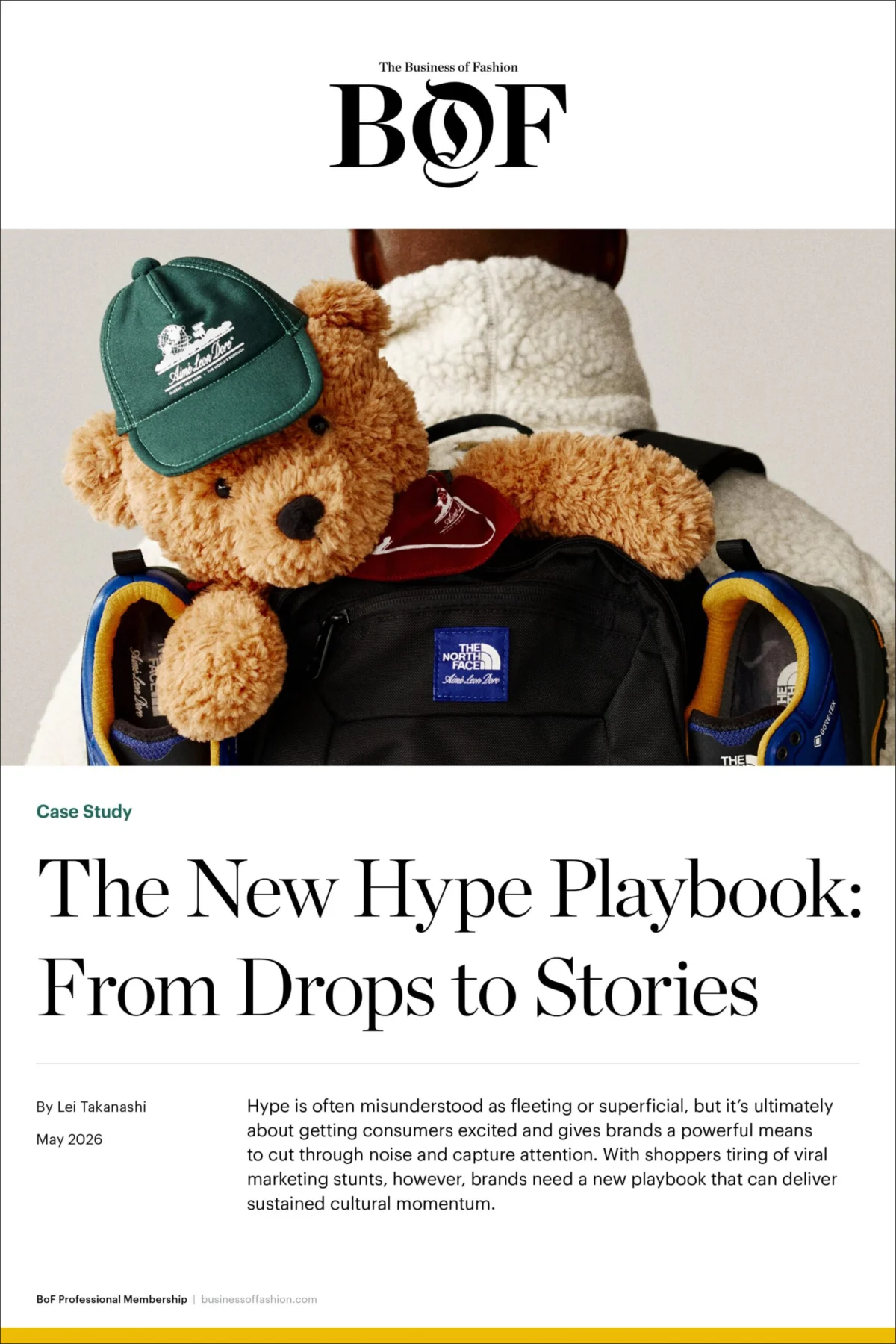
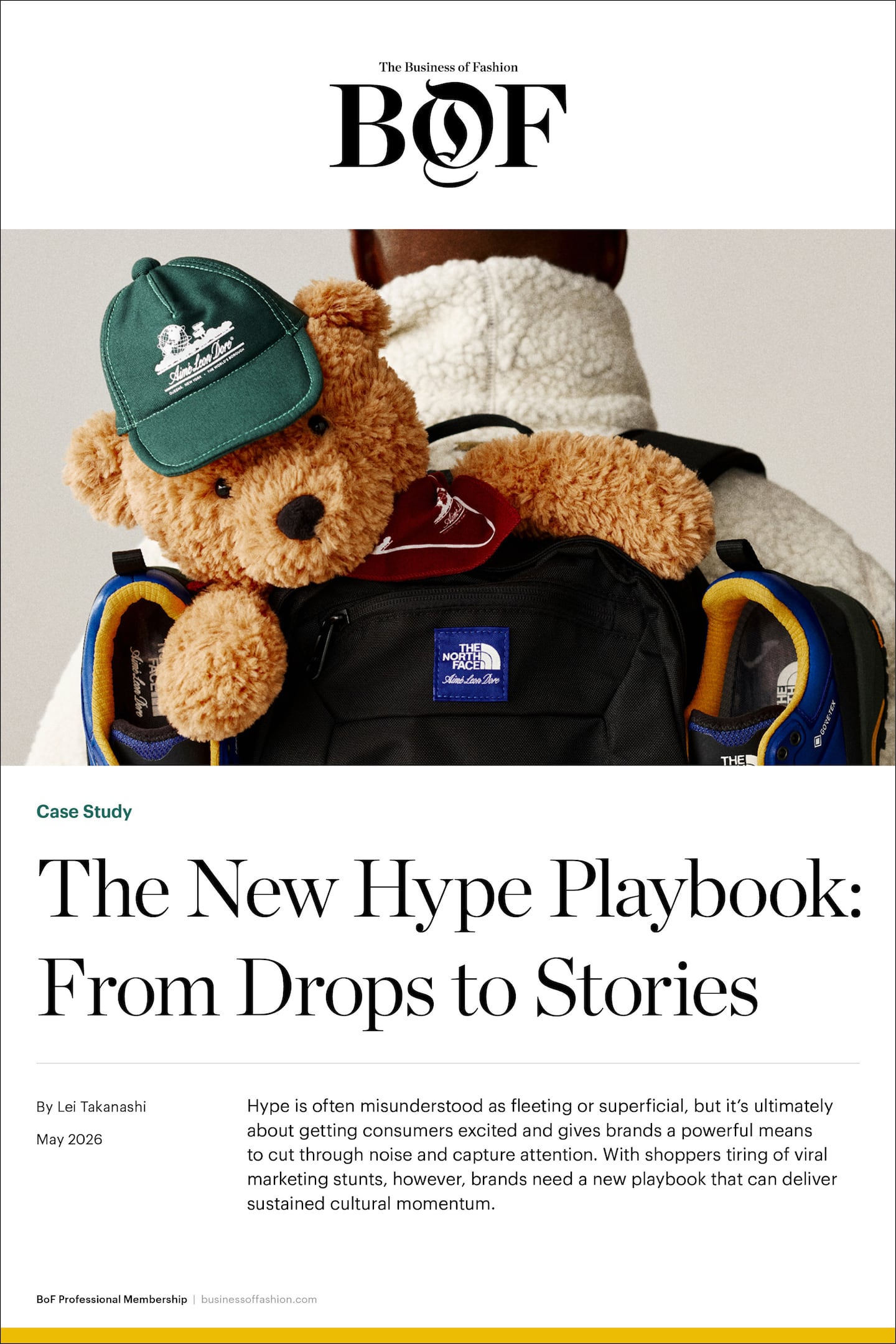
Hype, often misconstrued as a fleeting trend or superficial phenomenon, is fundamentally a powerful engine for generating consumer excitement and a crucial tool for brands striving to cut through the saturated market noise and capture attention. However, as shoppers increasingly exhibit fatigue with fleeting viral marketing stunts, a significant shift is required in brand strategies. The imperative now lies in developing a new playbook capable of cultivating sustained cultural momentum, moving beyond ephemeral buzz towards enduring relevance.
For years, the fashion and beauty industries have recognized the potent efficacy of hype, a concept long mastered by the sneakers and streetwear sectors. This strategic deployment of anticipation and desire has proven instrumental in driving sales and fostering brand loyalty. Yet, the landscape of consumer engagement is evolving rapidly. The digital age, while amplifying the reach of marketing efforts, has also accelerated the lifecycle of trends and fostered a discerning consumer base that is becoming more adept at identifying and dismissing inauthentic or short-lived marketing tactics. This necessitates a recalibration of how brands approach generating excitement, moving from ephemeral "drops" to more narrative-driven "stories" that resonate on a deeper, more meaningful level.
The Evolution of Hype: From Scarcity to Storytelling
The traditional "drop" model, characterized by limited-edition releases and timed availability, has been a cornerstone of hype generation. This strategy leverages the principle of scarcity to create urgency and exclusivity. Brands meticulously planned product launches, often accompanied by teaser campaigns and influencer collaborations, to build anticipation. The success of this model can be exemplified by the consistent sell-out rates of highly anticipated sneaker releases from brands like Nike and Adidas, which often generate millions of dollars in resale market value within hours of their initial launch. For instance, the 2020 release of the Travis Scott x Nike Air Jordan 1 Retro High OG, with its distinctive colorway and celebrity endorsement, saw immediate sell-outs and commanded resale prices well over triple its retail value, underscoring the power of scarcity and cultural alignment.
However, this model, while effective, can also lead to consumer burnout. The constant cycle of limited drops can feel exhausting, and the focus on immediate acquisition can overshadow genuine brand connection. Consumers are beginning to crave more than just the thrill of owning a scarce item; they are seeking brands that align with their values, tell compelling stories, and foster a sense of community. This has paved the way for a more nuanced approach to hype, one that prioritizes narrative and cultural integration.
The Rise of "Stories" in Brand Engagement
The shift towards "stories" signifies a move from transactional scarcity to relational engagement. This involves brands crafting compelling narratives that go beyond the product itself. These stories can encompass a brand’s heritage, its commitment to sustainability, its involvement in social causes, or its creative process. By weaving these elements into their marketing, brands aim to create a deeper emotional connection with consumers.
This transition is supported by evolving consumer preferences. A 2023 study by Deloitte found that 64% of consumers are more likely to purchase from brands that share their values. This indicates a growing demand for authenticity and purpose-driven marketing. Brands that successfully leverage storytelling can foster a more loyal customer base, as consumers feel a sense of belonging and shared identity with the brand.
Examples of this evolving strategy include:
- Patagonia’s Environmental Activism: The outdoor apparel company has consistently built its brand narrative around environmental stewardship. Their "Don’t Buy This Jacket" campaign in 2011, urging consumers to consider the environmental impact of their purchases, was a powerful demonstration of prioritizing values over immediate sales. This has cultivated an intensely loyal customer base that resonates with the brand’s mission.
- Veja’s Transparent Sourcing: The French footwear brand Veja has gained traction by openly communicating its commitment to ethical sourcing and sustainable materials. Their detailed website information about the origin of their rubber, cotton, and production processes builds trust and appeals to conscious consumers. This transparency, rather than exclusive drops, forms the core of their brand appeal.
- Dior’s Artistic Collaborations: While luxury brands like Dior have historically relied on exclusivity, their recent collaborations with artists, such as the KAWS x Dior collection, have focused on the artistic narrative and the creative dialogue between the brand and the artist. This approach elevates the product beyond mere fashion, embedding it within a broader cultural context.
Data Insights: The Shifting Sands of Consumer Attention
The effectiveness of traditional hype models is being challenged by data that highlights a growing desire for substance and authenticity. According to a recent report by Nielsen, brand purpose is becoming a significant driver of consumer purchasing decisions, with a growing percentage of consumers willing to pay a premium for products from brands that demonstrate social and environmental responsibility. Furthermore, the average attention span for online content has decreased, making it imperative for brands to capture interest quickly and sustain it through meaningful engagement.
The proliferation of social media platforms has democratized influence, but it has also fragmented audiences. While viral moments can still generate significant short-term buzz, their impact on long-term brand equity is often limited. Research from the Ehrenberg-Bass Institute suggests that while niche trends can gain rapid traction, sustained brand growth relies on broader reach and consistent messaging that appeals to a wider consumer base. This underlines the need for brands to move beyond fleeting viral moments and build enduring cultural relevance.
The "New Hype Playbook": Key Components
The "new hype playbook" is not a rejection of the principles of excitement and anticipation, but rather a strategic evolution of their application. It emphasizes:
- Narrative Integration: Brands must move beyond simply showcasing products and instead weave them into compelling stories. This includes highlighting craftsmanship, heritage, sustainability efforts, community impact, or the inspiration behind collections. The narrative should be authentic and consistently communicated across all touchpoints.
- Community Building: Fostering a sense of belonging and shared identity is crucial. This can be achieved through online forums, exclusive events, co-creation opportunities, and platforms for user-generated content. When consumers feel like part of a community, they become brand advocates.
- Purpose-Driven Marketing: Aligning brand values with consumer values is no longer a niche strategy but a mainstream expectation. Brands that demonstrate a genuine commitment to social and environmental causes can build deeper connections and foster loyalty. This requires authenticity and demonstrable action, not just rhetoric.
- Experiential Engagement: Beyond digital interactions, creating memorable in-person or immersive digital experiences can generate significant buzz and foster stronger emotional connections. This could range from pop-up shops that offer unique experiences to virtual reality fashion shows.
- Collaborative Storytelling: Partnering with artists, influencers, or other brands can inject fresh perspectives and expand reach. However, these collaborations should be strategic and authentic, contributing to the brand’s overall narrative rather than being mere transactional endorsements.
Implications for the Fashion and Beauty Industries
The shift in the hype playbook has significant implications for how brands operate and engage with consumers.
- Marketing Budgets: A greater proportion of marketing budgets may be reallocated from ephemeral campaign activations towards long-term content creation, community management, and purpose-driven initiatives.
- Product Development: Product development may become more intrinsically linked to brand narrative and values, with an emphasis on sustainable materials, ethical production, and products that facilitate storytelling.
- Retail Strategy: Retail spaces may evolve from transactional points of sale to experiential hubs that reinforce brand narratives and foster community engagement.
- Talent Acquisition: Brands will need to invest in talent that can craft compelling narratives, manage communities, and authentically embody brand values.
In conclusion, while the allure of hype remains a potent force in the fashion and beauty industries, its execution must adapt to the evolving demands of the modern consumer. The future of generating excitement lies not in fleeting viral moments, but in the strategic crafting of enduring stories that resonate with consumer values, foster genuine community, and cultivate lasting cultural momentum. Brands that embrace this evolution will be best positioned to thrive in an increasingly discerning marketplace.