Johny Marice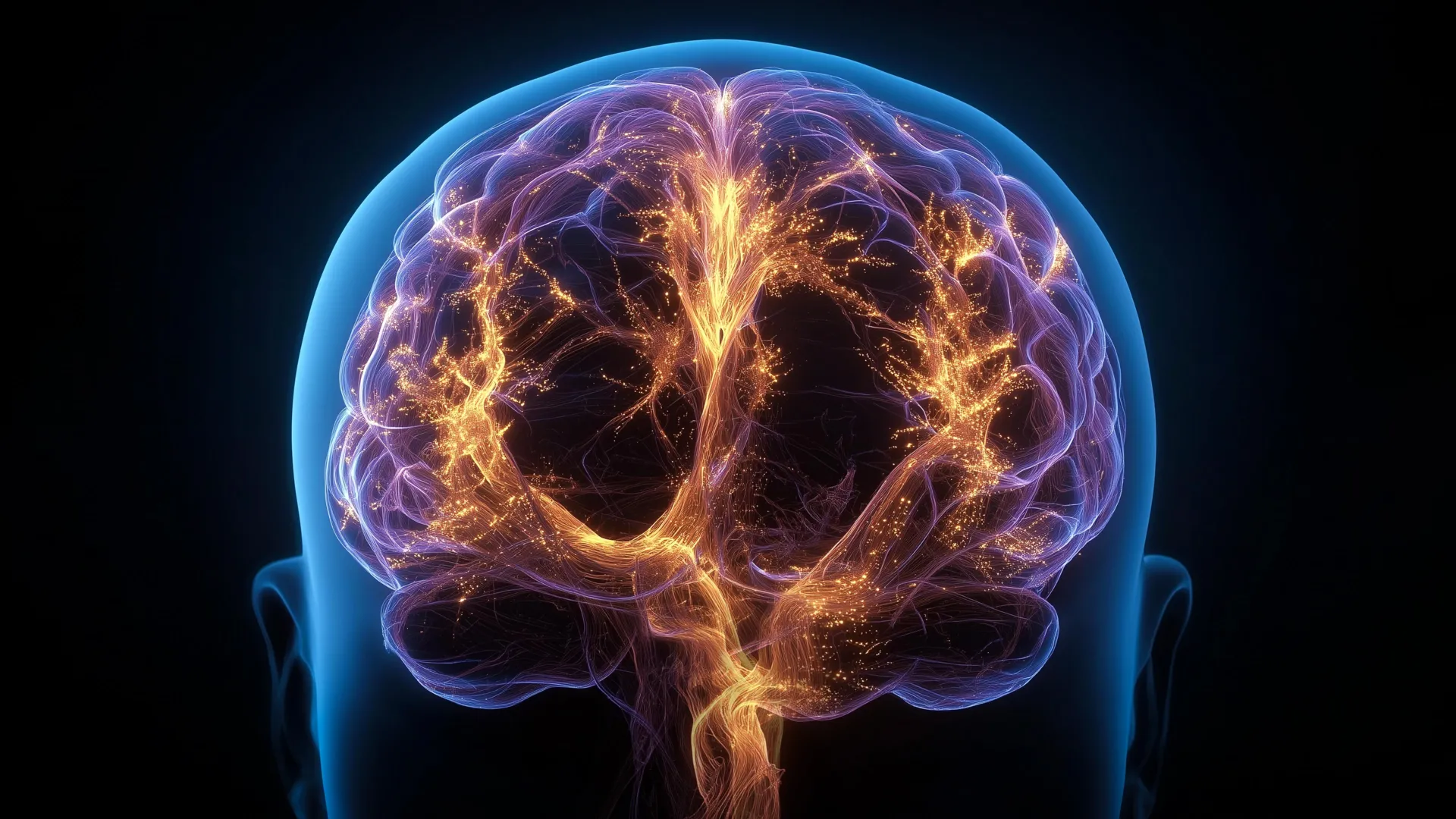
Neuroscientists have identified a distinct, measurable difference in brain structure between individuals exhibiting psychopathic traits and those with minimal or no such characteristics. A groundbreaking study, published in the esteemed Journal of Psychiatric Research, reveals that a key brain region integral to reward processing and motivation—the striatum—was found to be approximately 10 percent larger on average in individuals with psychopathic traits compared to a control group. This discovery, a collaborative effort by researchers from Nanyang Technological University, Singapore (NTU Singapore), the University of Pennsylvania, and California State University, provides compelling evidence for a biological underpinning of psychopathy, moving beyond purely social and environmental explanations.
Unveiling the Neurobiological Signature of Psychopathy
The striatum, situated deep within the forebrain, is a complex neural structure that plays a pivotal role in a wide array of critical functions. These include the planning and execution of movements, intricate decision-making processes, the generation and modulation of motivation, reinforcement learning, and the brain’s fundamental response to rewards. Utilizing advanced magnetic resonance imaging (MRI) techniques, the research team meticulously analyzed the brain structures of 120 participants in the United States.
Psychopathy itself is generally characterized by an egocentric and antisocial personality pattern. Individuals who display pronounced psychopathic traits frequently exhibit a marked reduction in empathy, a significant lack of remorse for their harmful actions, and, in certain instances, an elevated propensity for criminal behavior. It is crucial to note that not all individuals with psychopathic traits engage in criminal activities, nor are all perpetrators of crime classified as psychopaths. However, a substantial body of research consistently links psychopathy with an increased risk of violent behavior.
The Striatum: A Larger Reward Center
While previous research had posited an unusually high level of activity in the striatum of individuals with psychopathy, the question of whether its physical size was also implicated remained less clear. The findings published in the Journal of Psychiatric Research add significant weight to the argument that psychopathy is not solely shaped by social and environmental influences; biology demonstrably plays a role.
To rigorously investigate this link, the researchers employed MRI to scan the brains of their participants. Concurrently, each individual underwent an interview using the Psychopathy Checklist—Revised (PCL-R), a widely recognized and validated psychological assessment tool specifically designed to quantify psychopathic traits. The PCL-R is considered the gold standard in psychopathy assessment, with its scores correlating significantly with various indices of antisocial behavior, interpersonal manipulation, and affective deficits.
Assistant Professor Olivia Choy, a neurocriminologist from NTU’s School of Social Sciences and a co-author of the study, articulated the significance of these findings. "Our study’s results help advance our knowledge about what underlies antisocial behavior such as psychopathy," she stated. "We find that in addition to social environmental influences, it is important to consider that there can be differences in biology, in this case, the size of brain structures, between antisocial and non-antisocial individuals."
The implications of this research are far-reaching. By enhancing our understanding of the biological contributions to antisocial and criminal behavior, these findings could eventually lead to more refined theories of behavior and inform future strategies in policy development, prevention programs, and therapeutic interventions.
What the Striatum May Reveal About Risk and Reward Seeking
Delving deeper into the anatomy, the striatum is a component of the basal ganglia, a collection of neuronal clusters nestled deep within the brain. The basal ganglia serve as crucial relay stations, receiving extensive information from the cerebral cortex. This input is vital for higher-level cognitive functions, including conscious thought, social comportment, and the intricate ability to filter and prioritize sensory information.
Over the past two decades, the scientific community has increasingly recognized that the striatum’s influence extends beyond motor control and reward processing. Emerging evidence suggests a strong connection to social behavior and difficulties in navigating complex social interactions.
By correlating the MRI scan data with the results of the psychopathy assessments, the researchers uncovered a significant link between a larger striatum and a heightened need for stimulation. This includes a propensity for thrill-seeking, intense excitement, and impulsive behaviors. The published study indicated that stimulation-seeking and impulsivity partially accounted for the observed relationship between striatal volume and psychopathy, explaining an impressive 49.4 percent of the association.
Professor Adrian Raine, a distinguished figure in the Departments of Criminology, Psychiatry, and Psychology at the University of Pennsylvania and a co-author of the study, emphasized the heritability aspect. "Because biological traits, such as the size of one’s striatum, can be inherited from parent to child, these findings give added support to neurodevelopmental perspectives of psychopathy—that the brains of these offenders do not develop normally throughout childhood and adolescence," he explained. This perspective suggests that genetic predispositions can manifest as altered brain development trajectories, potentially leading to the structural differences observed.
Examining Psychopathic Traits Beyond Prison Populations
A particularly innovative and crucial aspect of this study was its inclusion of participants from the general community, rather than confining the research solely to incarcerated populations. This deliberate choice allowed the researchers to investigate psychopathic traits within a broader and more representative demographic, providing a more nuanced understanding of how these traits manifest in everyday life.
Professor Robert Schug, from the School of Criminology, Criminal Justice, and Emergency Management at California State University, Long Beach, and another co-author, highlighted the significance of this sampling strategy. "The use of the Psychopathy Checklist—Revised in a community sample remains a novel scientific approach: helping us understand psychopathic traits in individuals who are not in jails and prisons, but rather in those who walk among us each day," he commented. This approach is vital for understanding the full spectrum of psychopathic traits and their impact on society at large, not just within the confines of the criminal justice system.
Furthermore, the study included 12 women in its sample. The researchers reported a notable finding: for the first time, psychopathy was linked to an enlarged striatum in adult females, mirroring the pattern observed in males. While acknowledging the small sample size for females, which necessitates further investigation, this finding suggests that the observed brain pattern may not be exclusive to men. This opens new avenues for research into potential sex-based differences or similarities in the neurobiology of psychopathy.
Intriguingly, typical human brain development involves a process where the striatum tends to shrink as a child matures. This developmental trajectory raises the compelling possibility that psychopathy may be intrinsically connected to differences in brain development occurring throughout childhood and adolescence. These developmental differences could influence the formation and connectivity of neural pathways critical for social cognition, emotional regulation, and impulse control.
The Interplay of Brain Development and Environment
Assistant Professor Choy further elaborated on the need for continued research into the developmental aspects of the striatum. "A better understanding of the striatum’s development is still needed," she stated. "Many factors are likely involved in why one individual is more likely to have psychopathic traits than another individual. Psychopathy can be linked to a structural abnormality in the brain that may be developmental in nature. At the same time, it is important to acknowledge that the environment can also have effects on the structure of the striatum." This underscores a sophisticated interplay between innate biological predispositions and environmental influences, a concept central to understanding complex behavioral disorders.
Professor Raine reinforced this point by drawing a connection between the striatum’s function and observed behaviors. "We have always known that psychopaths go to extreme lengths to seek out rewards, including criminal activities that involve property, sex, and drugs," he remarked. "We are now finding out a neurobiological underpinning of this impulsive and stimulating behavior in the form of enlargement to the striatum, a key brain area involved in rewards." This observation aligns with the striatum’s role in processing dopamine, a neurotransmitter heavily implicated in reward pathways and motivation, suggesting that individuals with psychopathy may have a dysregulated reward system that drives them toward high-risk, high-reward activities.
Evolving Understanding: A Wider Brain Network
Since the publication of the 2022 study in the Journal of Psychiatric Research, subsequent research has continued to build upon and refine our understanding of psychopathy’s relationship with brain structure and network connectivity.
A 2025 study published in the European Archives of Psychiatry and Clinical Neuroscience examined 39 adult men diagnosed with psychopathy. This research identified that antisocial lifestyle traits were associated with reduced volumes in several brain regions, including specific areas within the basal ganglia, thalamus, basal forebrain, pons, cerebellum, orbitofrontal cortex, dorsolateral-frontal cortex, and insular cortex. The researchers concluded that these widespread reductions point to disruptions in frontal-subcortical circuits, which are critically involved in regulating behavioral control and executive functions. This finding suggests that psychopathy may not be confined to a single brain region but rather involves a more diffuse pattern of structural abnormalities impacting crucial control mechanisms.
Another significant analysis, conducted in 2025 and published in Neuroscience and Biobehavioral Reviews, synthesized findings from 38 functional neuroimaging studies focused on psychopathy. While individual studies often highlighted different specific brain locations, the aggregated data appeared to converge on a shared functional brain network. This network encompasses the default mode network (involved in self-referential thought and mind-wandering) and subcortical regions. The authors of this meta-analysis argued that psychopathy might be more accurately understood through a network-level perspective of brain function rather than by focusing on isolated regions. This holistic view emphasizes the interconnectedness of brain systems and how their collective functioning, or dysfunction, contributes to complex behavioral phenotypes.
Collectively, these later findings add a crucial layer of nuance to the initial 2022 striatum study. The enlarged striatum finding remains a vital clue, particularly given its established role in reward processing, stimulation-seeking, and impulsivity. However, the evolving scientific consensus suggests that psychopathy likely represents a more comprehensive pattern of brain differences. These differences extend to the modulation of motivation, the processing of emotions, the capacity for impulse control, and the intricacies of social cognition and behavior.
Associate Professor Andrea Glenn from the Department of Psychology at The University of Alabama, who was not involved in the 2022 study, commented on the cumulative evidence. "By replicating and extending prior work, this study increases our confidence that psychopathy is associated with structural differences in the striatum, a brain region that is important in a variety of processes important for cognitive and social functioning," she stated. "Future studies will be needed to understand the factors that may contribute to these structural differences."
Scientists are actively continuing to unravel the complex question of why the striatum might be enlarged in individuals with psychopathic traits. Future research endeavors will likely focus on clarifying the intricate interplay between genetics, developmental trajectories, life experiences, and environmental factors in shaping the specific brain systems that govern reward-seeking behaviors, impulse control, and the manifestation of antisocial conduct. The journey to fully comprehend the neurobiological underpinnings of psychopathy is ongoing, promising further insights into this challenging and impactful area of human behavior.