Danny Garick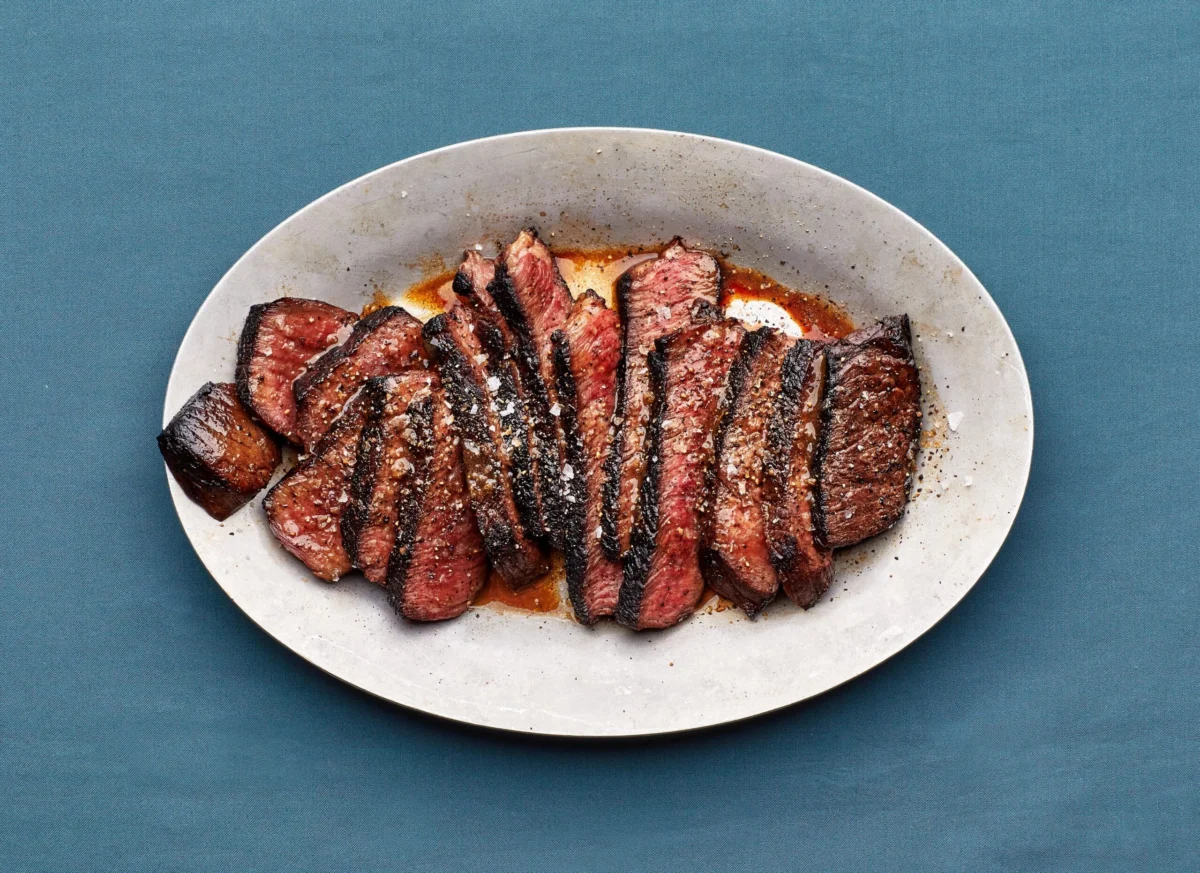
The culinary landscape of the 21st century is increasingly defined by the intersection of gourmet technique and economic pragmatism, a trend exemplified by the resurgence of the London broil. While often misunderstood as a specific cut of beef, the London broil is fundamentally a preparation method designed to transform lean, often tough muscular cuts into succulent, steakhouse-quality entrees. Modern culinary experts have refined this traditional approach, moving away from the eponymous broiler in favor of a stovetop cast-iron searing method that offers greater control and more consistent results. By utilizing chemical tenderizers like baking soda and adhering to strict temperature management, home cooks are now achieving results that rival high-end establishments at a fraction of the cost.
The Anatomy of a Culinary Misnomer
The term London broil is a historical curiosity in the world of gastronomy. Despite its name, the dish has no verified origin in the United Kingdom; it is a distinctly North American creation that gained popularity in the mid-20th century. Historically, it was one of the first recipes to gain traction in American households as a way to prepare flank steak, which was once considered a "throwaway" cut. As demand for flank steak rose and its price increased, butchers and home cooks transitioned to using the top round, a leaner and more affordable cut from the hindquarter of the cow.
In contemporary butchery, the London broil label is often applied to various thick, lean cuts, primarily the top round, bottom round, or flank. These muscles are characterized by their low fat content and high connective tissue, which makes them inherently tough if not treated correctly. The modern stovetop technique addresses these physical properties through a combination of enzymatic breakdown, moisture retention, and precise thermal application.
The Chemistry of Tenderness: The Role of Baking Soda
One of the most significant advancements in home steak preparation is the integration of "velveting" techniques, a practice long used in Chinese cuisine to tenderize meat. This involves the application of a small amount of sodium bicarbonate, or baking soda, to the marinade. The inclusion of baking soda serves a dual purpose: it alters the pH level on the surface of the meat and enhances the Maillard reaction.
From a scientific perspective, the baking soda raises the pH of the meat’s surface, making it more alkaline. This chemical shift prevents the proteins from bonding too tightly when heated, which is the primary cause of toughness in lean cuts. Furthermore, an alkaline environment accelerates the Maillard reaction—the chemical reaction between amino acids and reducing sugars that gives browned food its distinctive flavor. When the baking soda interacts with acidic components of a marinade, such as vinegar or citrus juice, a mild effervescence occurs. This reaction not only signals the start of the tenderization process but also helps the flavors of the marinade penetrate deeper into the muscle fibers.
Economic Drivers and the Rise of Value Cuts
The shift toward London broil and similar "value" cuts is driven by broader economic trends within the global protein market. According to recent consumer data, the price of premium beef cuts like ribeye and New York strip has seen a significant increase due to supply chain fluctuations and rising grain costs. As a result, consumers are seeking out leaner, more affordable alternatives that provide high protein content without the premium price tag.
The London broil represents a strategic choice for the budget-conscious gourmet. While a prime ribeye may retail for significantly more per pound, a top round steak prepared with professional techniques offers a comparable sensory experience. This "steakhouse energy on a weeknight budget" reflects a growing consumer desire for culinary luxury that does not compromise financial stability. Market analysts suggest that the popularity of these techniques will continue to grow as home cooks become more proficient in using science-based methods to enhance lower-cost ingredients.
Chronology of Preparation: From Marinade to Plating
Achieving the perfect London broil requires a disciplined timeline and attention to detail. The process begins well before the meat touches the pan.
- Preparation and Piercing: The steak is first pricked all over with a fork. This mechanical tenderization creates pathways for the marinade to enter the interior of the meat, ensuring that the seasoning is not merely superficial.
- The Marination Phase: The meat is submerged in a savory marinade containing the baking soda tenderizer. While traditional recipes might suggest long marination times, modern experts suggest that even 30 to 60 minutes can be effective due to the chemical assistance of the sodium bicarbonate.
- Temperature Equilibrium: Before cooking, the steak should be brought closer to room temperature. This ensures more even heat distribution during the searing process, preventing a cold center in an otherwise charred exterior.
- The Sear: Utilizing a heavy cast-iron skillet, the steak is seared over high heat. The cast iron provides superior heat retention, which is crucial for creating a crust on a lean cut without overcooking the interior.
- Thermal Monitoring: A meat thermometer is employed to ensure the internal temperature does not exceed 130°F to 135°F (medium-rare). Because the London broil is so lean, any internal temperature beyond this range results in the rapid evaporation of moisture, leading to a dry and rubbery texture.
- The Resting Period: Once removed from the heat, the steak must rest for at least 10 minutes. This allows the muscle fibers to relax and reabsorb the juices that were pushed toward the center during cooking.
- Slicing Against the Grain: The final, and perhaps most critical, step is slicing. By identifying the direction of the long muscle fibers (the grain) and cutting perpendicular to them, the cook shortens the fibers, making the meat significantly easier to chew.
Technical Analysis of Thermal Application
The preference for the stovetop method over the traditional broiler is rooted in the physics of heat transfer. Broilers provide intense radiant heat from above, which can be inconsistent depending on the distance of the rack from the element and the specific calibration of the oven. This often leads to a "gray band" of overcooked meat surrounding a raw center.
In contrast, the cast-iron skillet provides conductive heat. When the meat makes direct contact with the hot surface, heat is transferred more efficiently and evenly. This method allows the cook to monitor the browning in real-time and adjust the heat source as necessary. Furthermore, the stovetop method allows for the "basting" technique—adding butter and aromatics to the pan in the final minutes of cooking to enhance flavor and moisture—a technique that is impossible under a broiler.
Supporting Data: Temperature and Texture
Culinary research indicates a direct correlation between internal temperature and consumer satisfaction in lean beef cuts. Data from food science laboratories show that at 140°F (medium), the collagen in lean cuts begins to contract significantly, expelling moisture at an accelerated rate. By the time a London broil reaches 150°F (medium-well), it has lost up to 20% of its total weight in moisture. This underscores the necessity of the "medium-rare" rule for this specific preparation.
Furthermore, studies on mechanical tenderness show that slicing "against the grain" can reduce the force required to bite through a piece of meat by as much as 50% to 70%. This simple mechanical act is often the difference between a successful meal and a failed one, regardless of the quality of the marinade or the precision of the cook.
Expert Insights and Culinary Standards
Professional chefs emphasize that the London broil is a test of a cook’s patience and precision. "The biggest mistake people make with lean cuts is treating them like a fatty ribeye," says one veteran butcher. "You can’t just throw it on the heat and hope for the best. You have to respect the structure of the muscle."
Culinary educators also point to the versatility of the leftover marinade as a sign of a sophisticated kitchen. By boiling the reserved marinade, cooks can create a pan sauce that reinforces the flavors of the dish. The addition of cold butter at the end of this process—a technique known as monter au beurre—emulsifies the sauce, providing a rich mouthfeel that compensates for the leanness of the beef.
Broader Implications for Home Gastronomy
The refinement of the London broil technique is part of a larger movement toward "democratized gastronomy." As high-quality culinary information becomes more accessible through digital platforms and expert-curated content, the barrier to entry for professional-grade cooking continues to lower. The ability to produce a high-end steakhouse meal using budget-friendly cuts and scientific principles empowers consumers to maintain a high standard of living even in fluctuating economic climates.
Moreover, the focus on leaner cuts aligns with modern nutritional trends that favor high-protein, lower-fat diets. By mastering the London broil, the home cook bridges the gap between health-conscious eating and the indulgence of a traditional steak dinner. This evolution of technique ensures that the London broil, once a simple mid-century staple, remains a relevant and celebrated fixture in the modern kitchen.
As we look toward the future of home cooking, the emphasis on understanding the "why" behind the "how"—the science of pH, the physics of heat, and the anatomy of the ingredient—will continue to define the successful home chef. The London broil serves as a perfect case study in this approach: a dish where the mastery of technique triumphs over the cost of the raw material.