Layla Zulfa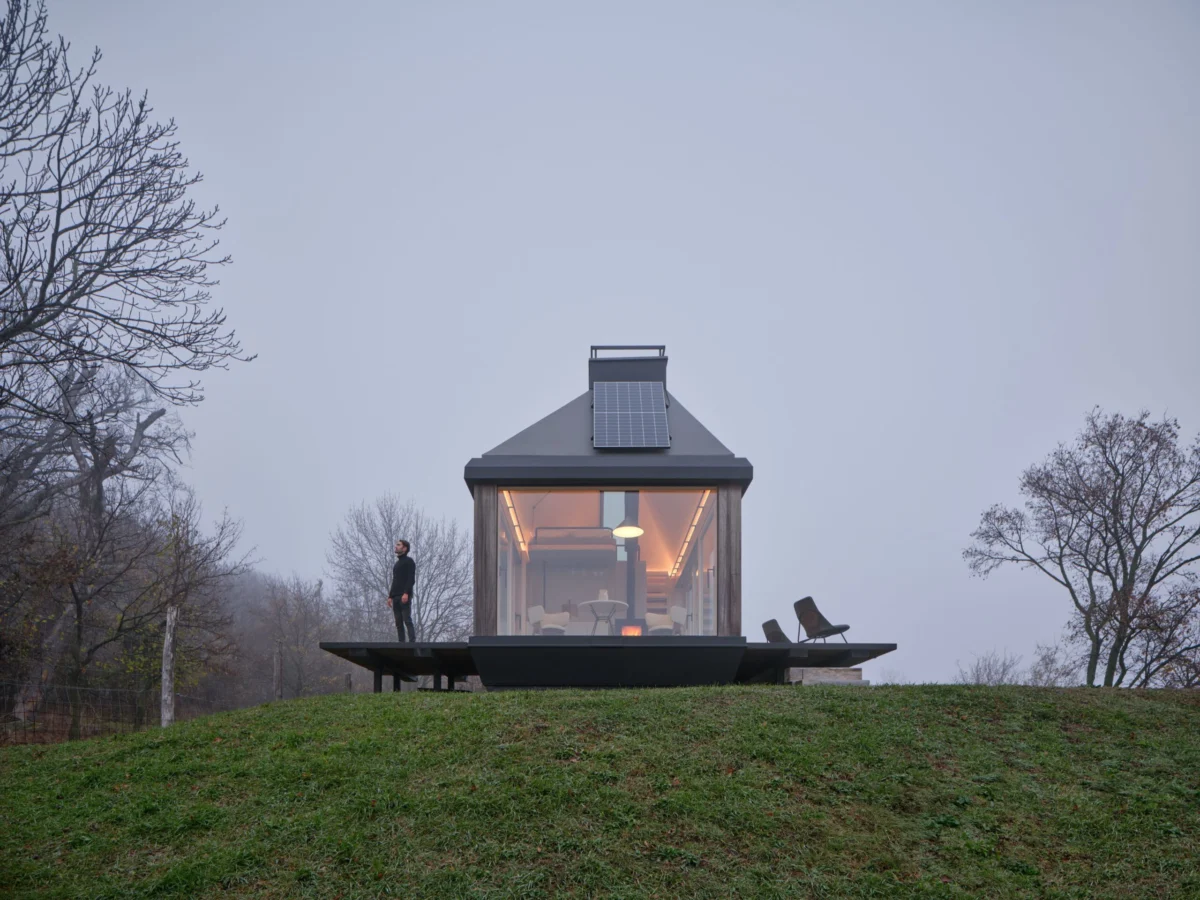
The prefabricated housing industry, once defined by the utilitarian kit homes of the early 20th century, is undergoing a profound technological and architectural renaissance that positions it as a primary solution to contemporary housing shortages and environmental concerns. As urban populations swell and the cost of traditional "stick-built" construction continues to outpace median wage growth, architects, urban planners, and environmental scientists are increasingly looking toward factory-controlled environments to deliver the next generation of residential infrastructure. The transition from the historic Sears Catalog homes to the high-tech, sustainable modules of today represents more than just a change in aesthetic; it reflects a fundamental shift in how society perceives the lifecycle of a building, from resource extraction to long-term energy consumption.
The Historical Context: From Catalog Kits to Architectural Innovation
The concept of prefabrication is not a modern novelty but a refined evolution of a century-old industrial process. Between 1908 and 1940, Sears, Roebuck and Co. revolutionized the American housing market by selling more than 70,000 "kit homes" through their mail-order catalogs. These packages included all the necessary materials—precisely cut lumber, nails, shingles, and even plumbing fixtures—shipped via railroad to aspiring homeowners who would then assemble the structures themselves or hire local labor. While these homes provided a pathway to ownership for the burgeoning middle class, they were often limited by the logistical constraints of the era and a lack of insulation and modern structural standards.
Following World War II, the demand for rapid housing for returning veterans led to further experimentation with prefabrication, most notably with the Lustron Home—a porcelain-enameled steel house intended to be mass-produced like an automobile. However, these early efforts often struggled with public perception, as "prefab" became synonymous with "temporary" or "low-quality" housing.
The modern era of prefabrication, however, has shed this stigma. Today’s industry is driven by advanced Computer-Aided Design (CAD) and Computer-Aided Manufacturing (CAM), allowing for precision that traditional on-site construction cannot match. Architects are no longer restricted to "cookie-cutter" designs; instead, they are utilizing prefabrication to create bespoke, high-end residences that prioritize both form and function.
Technical Methodologies: Modular vs. Flat-Pack Systems
To understand the current state of the industry, one must distinguish between the two primary methodologies of prefabrication: modular construction and flat-pack (or panelized) systems. Each offers distinct advantages depending on the site location, budget, and desired architectural complexity.
Modular Construction
Modular housing involves the construction of entire room "boxes" or sections in a factory setting. These units are typically 80% to 95% complete upon leaving the facility, often including interior finishes, electrical wiring, plumbing, and even appliances. As Daniel Lopez-Perez, cofounder of Polyhaus, notes, the primary constraint of modular construction is logistics. Because these units are transported as three-dimensional volumes, their dimensions are strictly governed by the width of highway lanes and the capacity of transport trucks. While this method allows for the fastest on-site assembly—often taking only a few days to secure the modules—the transportation costs and physical limitations of the road network can be significant.
Flat-Pack and Panelized Systems
In contrast, flat-pack systems involve the factory production of individual wall, floor, and roof panels that are shipped flat on a truck and assembled on-site. This method significantly reduces transportation emissions and costs, as multiple homes can often be shipped in the space required for a single modular unit. Flat-pack designs offer greater architectural flexibility, allowing for larger open spans and unique geometries that might be difficult to transport as a pre-assembled box. However, they require more on-site labor and a longer construction timeline compared to their modular counterparts.
Economic and Efficiency Data: The Case for Factory Building
The economic arguments for prefabrication are grounded in the principles of industrial efficiency. Avi Friedman, a professor of architecture at McGill University and a leading authority on sustainable housing, emphasizes that the factory environment provides fabricators with superior control over the end product. This controlled setting eliminates the variables of weather delays, which can account for up to 20% of the timeline in traditional construction.
Supporting data suggests that prefabrication can reduce total construction time by 30% to 50%. While the upfront factory costs may be comparable to traditional builds, the reduction in on-site labor hours and the accelerated timeline result in significant overall cost savings, particularly in high-interest environments where "time is money" for developers.
Furthermore, material management is vastly improved. In a traditional construction site, material waste—ranging from lumber off-cuts to damaged drywall—can account for nearly 30% of the total material weight. In a factory setting, CAD software optimizes cuts to minimize waste, and any remaining scraps can be easily sorted and recycled within the facility. Industry reports indicate that factory-built homes generate up to 80% less waste than site-built equivalents.
Environmental Implications and Sustainability
Sustainability is perhaps the most compelling driver of the modern prefab movement. Beyond waste reduction, prefabricated homes are often designed with a "fabric-first" approach to energy efficiency. Because components are joined in a factory using precision jigs and tools, the building envelope is typically much tighter than that of a site-built home. This superior airtightness reduces thermal bridging and significantly lowers the energy required for heating and cooling.
Key environmental benefits include:
- Reduced Site Disturbance: Since the majority of the work happens off-site, the local ecosystem at the build site is subjected to less noise, dust, and heavy machinery traffic.
- Lower Carbon Footprint: Optimized logistics and reduced trips for subcontractors (plumbers, electricians, and carpenters) to the site lower the overall carbon emissions associated with the construction process.
- Material Innovation: Many prefab companies are at the forefront of using sustainable materials, such as Cross-Laminated Timber (CLT), which acts as a carbon sink, and high-performance recycled insulation.
Addressing the Global Housing Crisis and Regulatory Hurdles
The scalability of prefabricated housing makes it a vital tool for addressing the global housing crisis. In regions like North America and Western Europe, the shortage of affordable housing has reached a breaking point. Prefabricated Tiny Homes and Accessory Dwelling Units (ADUs) are increasingly being used to increase urban density without the need for massive high-rise developments.
However, for prefabrication to reach its full potential, several systemic barriers must be addressed. Avi Friedman points out that the industry requires significant investment in prefabrication plants to achieve the economies of scale necessary to drive prices down further. Additionally, the public’s perception of prefab as a "lesser" form of housing remains a hurdle, despite the high-quality outputs of modern firms.
From a regulatory standpoint, many local zoning laws and building codes were written with traditional construction in mind. Financing also remains a challenge; many banks are hesitant to provide traditional mortgages for homes that are built off-site, often requiring specialized "chattel loans" or complex construction-to-permanent financing that can be difficult for the average consumer to navigate.
The Role of Technology and Future Outlook
The future of the prefabricated landscape is increasingly intertwined with automation and artificial intelligence. Companies are now experimenting with robotic assembly lines that can frame a house with sub-millimeter precision in a matter of hours. 3D printing is also entering the prefab space, with companies "printing" concrete walls in a factory setting before shipping them to the site.
Architects are also using generative design to create customizable prefab templates. This allows a homeowner to select a base model and "plugin" various modules or finishes to suit their specific needs, effectively ending the era of "cookie-cutter" designs. This level of customization, combined with the speed and sustainability of factory production, suggests that the housing industry is on the cusp of a permanent structural shift.
As demonstration projects continue to prove the durability and aesthetic appeal of these structures, the transition toward prefabrication is expected to accelerate. The integration of smart home technology, renewable energy systems like solar glass, and modular greywater recycling systems are becoming standard features in the prefab market, positioning these homes as the "smartphones" of the housing world—integrated, efficient, and constantly evolving.
In conclusion, while the Sears kits of the past provided a glimpse into the potential of mass-produced housing, the modern prefabricated movement is a sophisticated response to the complex challenges of the 21st century. Through the marriage of architectural innovation, industrial efficiency, and environmental stewardship, prefab homes are no longer just an alternative; they are becoming the benchmark for how we will live in an increasingly crowded and resource-constrained world. The success of this transition will ultimately depend on the continued collaboration between innovative architects, forward-thinking policymakers, and an informed public ready to embrace a new standard of residential living.