
 Reynand Wu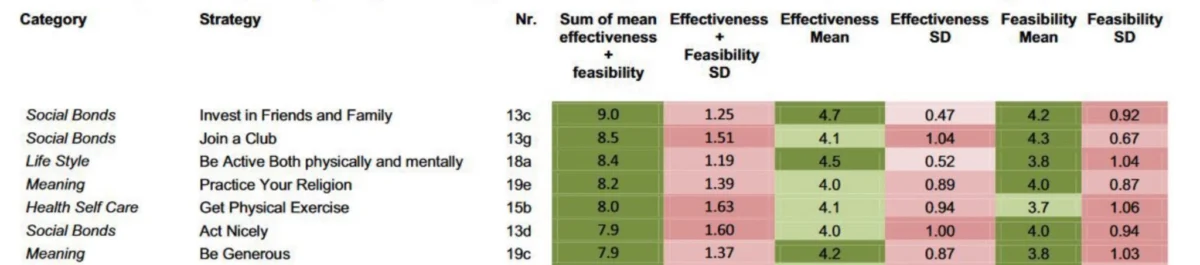
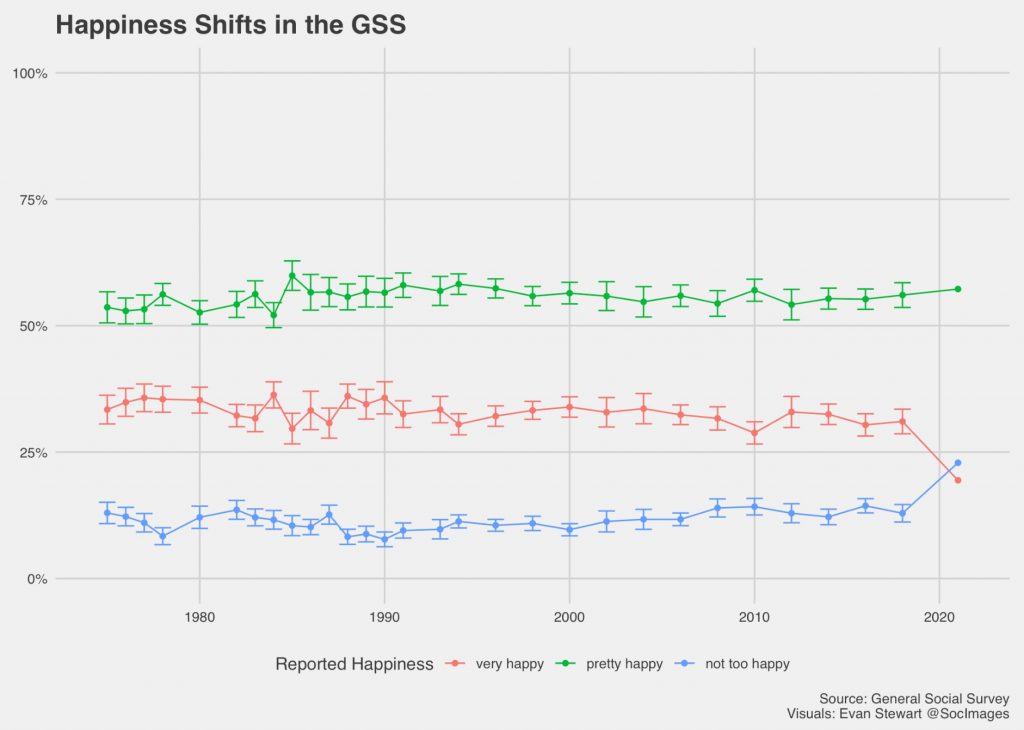
As the new year unfolds, marking another surge in COVID-19 cases across the nation, a discernible and concerning trend in public sentiment continues to solidify: a prolonged downturn in self-reported happiness. Data from the venerable General Social Survey (GSS), a cornerstone of American social science research, indicates that a drop in perceived wellbeing, first observed early in the pandemic, has not only persisted but deepened, prompting a critical re-evaluation of societal priorities and the very definition of a thriving populace. This sustained dip in national contentment, coinciding with ongoing public health challenges, highlights the urgent need for a holistic approach to wellbeing, one that extends beyond individual coping mechanisms to embrace collective strategies, particularly those fostering robust social connections.
The Pandemic’s Enduring Shadow on Public Sentiment
The initial shockwaves of the COVID-19 pandemic in early 2020 ushered in unprecedented levels of uncertainty, fear, and disruption. Lockdowns, economic anxieties, health concerns, and the stark reality of widespread illness and death fundamentally altered daily life. Surveys conducted during this period quickly captured a significant decline in self-reported happiness. What began as a transient response to a crisis, however, has evolved into a more entrenched pattern. The latest release of General Social Survey data, collected by the National Opinion Research Center (NORC) at the University of Chicago, reveals that this trend of diminishing happiness continued into 2021, mirroring consistent findings from NORC’s earlier pandemic tracking surveys.
The GSS, administered since 1972, provides a critical long-term barometer of American attitudes and behaviors. Its consistent methodology, primarily through in-person interviews, has historically offered a stable benchmark for tracking social change. The shift to an online administration method for some parts of the survey during the pandemic could theoretically introduce some variance, yet researchers emphasize that the observed pattern of declining happiness aligns with other indicators and previous NORC findings, suggesting a genuine societal shift rather than merely a methodological artifact. The percentage of Americans reporting themselves as "very happy" has notably decreased, while those identifying as "not too happy" have seen a corresponding increase, painting a stark picture of a nation grappling with persistent malaise.
A Chronology of Discontent: Tracing Happiness Through the Pandemic
The trajectory of national happiness has largely shadowed the unfolding phases of the pandemic. In early 2020, as the virus spread globally and lockdowns became widespread, immediate shifts in mental health metrics were recorded. Initial surveys indicated spikes in anxiety, depression, and stress, often accompanied by a decline in reported life satisfaction. The novelty of the situation and the abrupt disruption of routines contributed to this initial downturn.
As 2020 progressed, periods of slight recovery were sometimes noted, perhaps due to adaptations to remote work, the initial easing of restrictions, or the first hopes for vaccine development. However, these improvements were often fragile, quickly undermined by subsequent waves of infection, renewed restrictions, or the emergence of new variants. The year 2021, which saw the widespread rollout of vaccines, brought a brief surge of optimism. Yet, this optimism was tempered by vaccine hesitancy, continued societal divisions, and the emergence of highly transmissible variants like Omicron, which led to record-breaking case numbers and renewed anxieties about health and safety. The GSS data for 2021 thus captures a period where, despite medical advancements, the collective psychological toll of the prolonged crisis continued to deepen, suggesting that the societal fabric itself was under strain.
Beyond the GSS, other surveys corroborate this narrative. The World Happiness Report, which tracks global happiness levels, has consistently noted the pandemic’s impact, albeit with some regional variations in resilience. Furthermore, studies by organizations like Gallup and the Pew Research Center have similarly documented elevated rates of stress, anxiety, and loneliness among various demographic groups, particularly younger adults and those with pre-existing mental health conditions. Economic disruptions, job losses, and inflation have also played a significant role, exacerbating financial stress and contributing to a pervasive sense of insecurity that directly impacts wellbeing.
Sociology’s Lens: Connecting Individual Wellbeing to Societal Structure
The persistent decline in national happiness has naturally drawn significant attention from academic fields dedicated to understanding human behavior and societal dynamics. Sociologists, in particular, are uniquely positioned to analyze how broader social structures and collective experiences shape individual wellbeing. As researchers like Evan Stewart, an assistant professor of sociology at the University of Massachusetts Boston, frequently emphasize, the field plays a crucial role in not only diagnosing societal problems but also in identifying potential solutions that transcend individual effort. This perspective is vital, especially when confronting widespread distress that cannot be solely attributed to personal failings or addressed through individualistic "self-help" narratives.
It is within this academic discourse that a particularly insightful study, titled "Experts’ Views on How to Increase Life Satisfaction" by Michaella Vanore, Martijn Burger, and Erik van Ingen (2019), has garnered significant attention. This research, widely discussed in academic circles and amplified through platforms like Twitter, sought to synthesize the collective wisdom of leading experts in happiness research. The authors employed a rigorous methodology, conducting extensive interviews and surveys with specialists from various disciplines—psychology, economics, sociology, and public health—to identify and rank interventions most likely to enhance life satisfaction, based on their comprehensive understanding of the existing research literature. The study’s findings offer a compelling framework for understanding and addressing the current happiness deficit.
Beyond the Individual: The Dual Approach to Wellbeing
Two pivotal insights emerged from the expert consensus study, challenging conventional wisdom about happiness. First, the experts unequivocally ranked both personal solutions and policy solutions as crucial for improving life satisfaction. This distinction is profoundly significant because it shifts the narrative away from a purely individualistic understanding of happiness. For decades, the dominant cultural discourse, often amplified by the self-help industry, has framed happiness as primarily an individual responsibility—a state to be achieved through personal effort, mindset adjustments, or consumer choices.
The expert consensus, however, posits that while personal actions are undoubtedly important, they are insufficient in isolation. Societal structures, public policies, and community frameworks play an equally, if not more, critical role in shaping collective wellbeing. This recognition underscores the sociological principle that individual experiences are deeply intertwined with collective realities. Policies related to economic stability (e.g., minimum wage, unemployment benefits), access to healthcare, education, environmental quality, and urban planning all have profound implications for the daily lives and overall satisfaction of citizens. A society structured to support its members, therefore, is inherently a happier society. This perspective advocates for a multi-pronged approach where individual agency is bolstered by supportive systemic conditions.
The Unifying Power of Social Connections
The second, and perhaps most striking, finding from the expert study centered on the overwhelming importance of social relationships. Across both personal and policy categories, a significant number of the top-ranked solutions were explicitly about fostering and strengthening social bonds. For individual actions, "investing in friends and family" and "joining a club or group" were consistently highlighted as highly effective strategies for boosting personal life satisfaction. These recommendations resonate with a vast body of psychological and sociological research that demonstrates the fundamental human need for belonging, connection, and mutual support.
From a policy perspective, experts identified initiatives such as "promoting voluntary work or civil service" and "reducing loneliness" as paramount for enhancing collective wellbeing. The consensus among these specialists was remarkably high, with low standard deviations indicating widespread agreement on the value of social bonds. This suggests that the benefits of strong social ties are not merely anecdotal but are robustly supported by empirical evidence across diverse research fields.
Deep Dive into Social Solutions:
- Investing in Friends and Family: This personal solution encompasses a range of behaviors: actively nurturing relationships, dedicating quality time, offering and receiving emotional support, engaging in shared activities, and demonstrating care and appreciation. In an increasingly digital world, intentional effort to maintain in-person connections or engage in meaningful virtual interactions becomes even more crucial. Strong familial and friendship ties provide a buffer against stress, offer a sense of belonging, and contribute to a resilient support network.
- Joining a Club or Group: This recommendation speaks to the power of community and shared purpose. Whether it’s a sports team, a book club, a religious congregation, a volunteer organization, or a hobby group, joining a collective provides opportunities for new connections, a sense of identity, and engagement in activities that align with personal interests. Such affiliations combat social isolation, foster a sense of shared responsibility, and can lead to the development of deep, supportive relationships beyond immediate family.
- Promoting Voluntary Work or Civil Service: This policy solution acknowledges the dual benefits of altruism. Individuals who volunteer often report increased life satisfaction, a greater sense of purpose, and reduced feelings of loneliness. For society, voluntary work strengthens community ties, addresses unmet needs, and builds social capital. Policies that facilitate and encourage civic engagement, such as accessible volunteer programs, recognition for service, or even national civil service initiatives, can therefore serve as powerful tools for enhancing collective wellbeing.
- Reducing Loneliness: Recognized as a public health crisis even before the pandemic, loneliness is a significant predictor of poor physical and mental health outcomes. Policy interventions aimed at reducing loneliness could include funding for community centers, supporting intergenerational programs, improving public spaces to encourage interaction, and developing digital inclusion initiatives for older adults or those with limited mobility. Addressing loneliness requires a concerted effort to build inclusive communities where individuals feel seen, valued, and connected.
Implications for Policy and Societal Resilience
The expert consensus study, while subject to the inherent limitations of any survey of current conventional wisdom, provides a potent validation for the core tenets of sociological inquiry. It underscores that human wellbeing is not merely an individual pursuit but a collective endeavor, deeply shaped by the quality of our social relationships and the policies that support them. This perspective moves beyond the often-oversimplified narratives of individual resilience to advocate for systemic interventions.
The implications for public policy are profound. In an era where mental health crises are escalating and societal fragmentation is a growing concern, these findings suggest that governments and community leaders should prioritize initiatives that explicitly foster social cohesion. This could manifest in various ways:
- Urban Planning: Designing cities and neighborhoods with public spaces that encourage interaction, walkability, and community gatherings.
- Community Investment: Funding local community centers, libraries, parks, and programs that bring people together across demographic lines.
- Workplace Policies: Encouraging healthy work-life balance, fostering team cohesion, and supporting employee well-being initiatives.
- Healthcare Integration: Recognizing loneliness and social isolation as critical health determinants and integrating social prescribing into healthcare systems.
- Educational Curricula: Incorporating social-emotional learning and community engagement opportunities from an early age.
Ultimately, the persistent decline in national happiness amidst ongoing global challenges serves as a powerful call to action. It compels societies to move beyond a narrow focus on economic indicators and disease control to embrace a broader vision of wellbeing—one that recognizes the profound and irreplaceable value of human connection. By prioritizing policies and personal actions that nurture social relationships, communities can build greater resilience, foster a deeper sense of belonging, and collectively navigate tough times, transforming individual struggles into shared strength. The future of national happiness may well depend on our collective ability to reconnect.








