Jono Maryono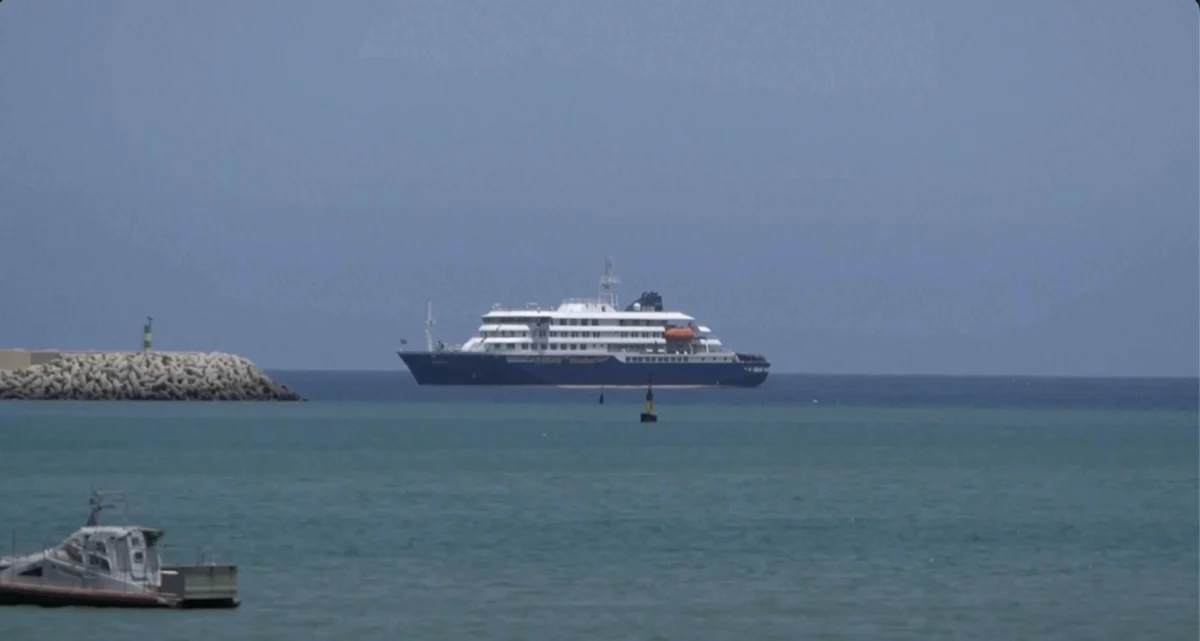
The European Union has announced it is closely monitoring a suspected hantavirus outbreak aboard the Dutch cruise ship MV Hondius, a vessel primarily operating in polar regions. The EU’s Public Health Emergency Preparedness and Response Authority (HERA) is actively coordinating with relevant member states and national health authorities to assess the situation and prepare a coordinated response should it become necessary. The alert was issued following initial reports of suspected cases among passengers and crew, prompting immediate concern within the bloc’s public health infrastructure.
Background: Hantavirus and the MV Hondius
Hantaviruses are a group of viruses carried by rodents, primarily mice and rats, that can cause two distinct types of illness in humans: hantavirus pulmonary syndrome (HPS) and hemorrhagic fever with renal syndrome (HFRS). HPS, more common in North and South America, is characterized by fever, muscle aches, fatigue, and eventually shortness of breath and fluid in the lungs. HFRS, prevalent in Europe and Asia, presents with fever, headache, back pain, and kidney problems, sometimes accompanied by rash and abdominal pain. Transmission to humans typically occurs through inhalation of virus-contaminated rodent excreta, urine, or saliva, or through bites from infected rodents. While human-to-human transmission is rare for most hantaviruses, it is a documented mode of spread for the Seoul virus, a strain found in Norway rats, which are common in port cities and can stow away on vessels.
The MV Hondius is a relatively new expedition cruise ship, built in 2019, designed for voyages to remote and challenging environments, including the Arctic and Antarctic. Its operational focus on polar tourism means that passengers and crew are often exposed to diverse ecosystems where rodent populations, though less common in extreme cold, can exist in warmer coastal areas or ports of call. The closed environment of a cruise ship, coupled with potential exposure during shore excursions in areas with rodent presence, raises specific concerns for disease transmission.
Timeline of the Suspected Outbreak
While specific dates for the initial onset of symptoms and the confirmation of suspected cases have not been publicly detailed by the EU or the ship’s operator, the announcement of EU monitoring suggests the situation has developed over recent days or weeks. The process likely began with crew or passengers reporting symptoms consistent with hantavirus infection to the ship’s medical staff. Following initial assessments and the identification of a pattern, the ship’s medical team would have raised an alert, potentially to the vessel’s operating company and the relevant maritime health authorities.
The EU’s involvement, through HERA, typically follows the escalation of a health threat that has the potential to spread across borders or impact multiple member states. This suggests that the initial reports were deemed significant enough to warrant a broader, coordinated European response. The timeline of EU engagement would involve receiving preliminary information, assessing its gravity, and then initiating communication channels with national public health agencies in countries where the ship might dock or where affected individuals might originate.
Supporting Data and Epidemiological Considerations
Hantavirus outbreaks are not uncommon, particularly in regions with rodent populations. For instance, in the United States, sporadic cases of HPS are reported annually, with outbreaks often linked to specific environmental conditions such as rainfall patterns that influence rodent populations. In Europe, HFRS is the primary concern, with endemic areas in several countries. Norway, in particular, has seen documented cases of hantavirus infection linked to rodents, including a notable increase in cases reported in 2020.
The specific strain of hantavirus, if identified, would be crucial in understanding transmission routes and potential severity. If the Seoul virus is involved, the risk of human-to-human transmission, though still low, becomes a factor to consider in public health planning. The incubation period for hantaviruses can range from a few days to several weeks, meaning that symptoms might appear in individuals after they have disembarked from the ship, necessitating robust surveillance systems in destination countries.
The MV Hondius’s itinerary is a key factor in assessing the potential geographic spread of the virus. Voyages to polar regions often involve stops in ports that can serve as entry points for rodents. Furthermore, the confined nature of a cruise ship can facilitate rapid transmission if hygiene protocols are not strictly maintained. The number of suspected cases, their severity, and the current health status of affected individuals are critical pieces of data that HERA and national authorities would be scrutinizing.
Official Responses and EU Coordination
The European Union’s Public Health Emergency Preparedness and Response Authority (HERA) plays a vital role in coordinating responses to cross-border health threats. Its announcement signifies a proactive approach to managing a potential public health crisis. HERA’s mandate includes monitoring health risks, assessing their potential impact, and supporting member states in their preparedness and response efforts.
In this instance, HERA’s role would involve:
- Information Gathering and Assessment: Collecting all available data on the suspected outbreak, including symptomology, number of cases, potential sources of infection, and the ship’s current location and itinerary.
- Coordination with Member States: Liaising with the public health authorities of EU member states that may be directly affected or could receive passengers or crew from the MV Hondius. This includes countries of origin for passengers, countries the ship is scheduled to visit, and countries where the ship is registered or operated from.
- Expert Consultation: Mobilizing scientific and medical experts to provide guidance on diagnosis, treatment, containment strategies, and risk assessment.
- Resource Mobilization: Identifying and potentially coordinating the provision of necessary resources, such as diagnostic kits, personal protective equipment (PPE), or medical expertise, if required by member states.
- Public Communication: Ensuring timely and accurate communication to the public and relevant stakeholders to prevent misinformation and promote appropriate health measures.
The EU’s statement that it is “coordinating with member states and health authorities to respond if needed” underscores a commitment to a unified, evidence-based approach. This suggests that contingency plans are being formulated, which could include measures such as enhanced screening at ports of entry, public health advisories for travelers, and support for diagnostic testing and contact tracing in affected countries.
Broader Impact and Implications
The suspected hantavirus outbreak on the MV Hondius, while currently confined to a single vessel, carries broader implications for the cruise industry and public health surveillance.
- Travel and Tourism Sector: Cruise ships, by their nature, bring together large numbers of people in a confined space, making them potential vectors for disease transmission. This incident highlights the ongoing need for robust health and safety protocols within the maritime travel sector, especially in the post-pandemic era. The cruise industry, which has faced significant reputational challenges due to past outbreaks, will be keenly aware of the need for swift and transparent management of this situation.
- Public Health Surveillance: The detection and monitoring of such outbreaks underscore the importance of integrated public health surveillance systems that can detect and respond to emerging infectious disease threats. The EU’s proactive stance suggests a well-functioning surveillance network capable of flagging potential cross-border health risks.
- Rodent Control and Environmental Health: The fundamental link between hantaviruses and rodents also points to the broader challenge of managing rodent populations in human environments, particularly in port cities and along trade routes. Environmental factors and human encroachment into wildlife habitats can influence rodent populations and, consequently, the risk of zoonotic disease transmission.
- International Cooperation: The EU’s involvement exemplifies the necessity of international cooperation in addressing global health security. Hantavirus infections are not confined by national borders, and effective control requires coordinated efforts between countries, international organizations, and the private sector.
The ongoing monitoring by the EU will be crucial in determining the extent of the outbreak and the necessary public health interventions. The focus will be on preventing further spread, ensuring the well-being of passengers and crew, and mitigating any potential public health impact on shore. The outcome of this situation will undoubtedly inform future preparedness strategies for similar health events within the travel and tourism industries.