Nila Kartika Wati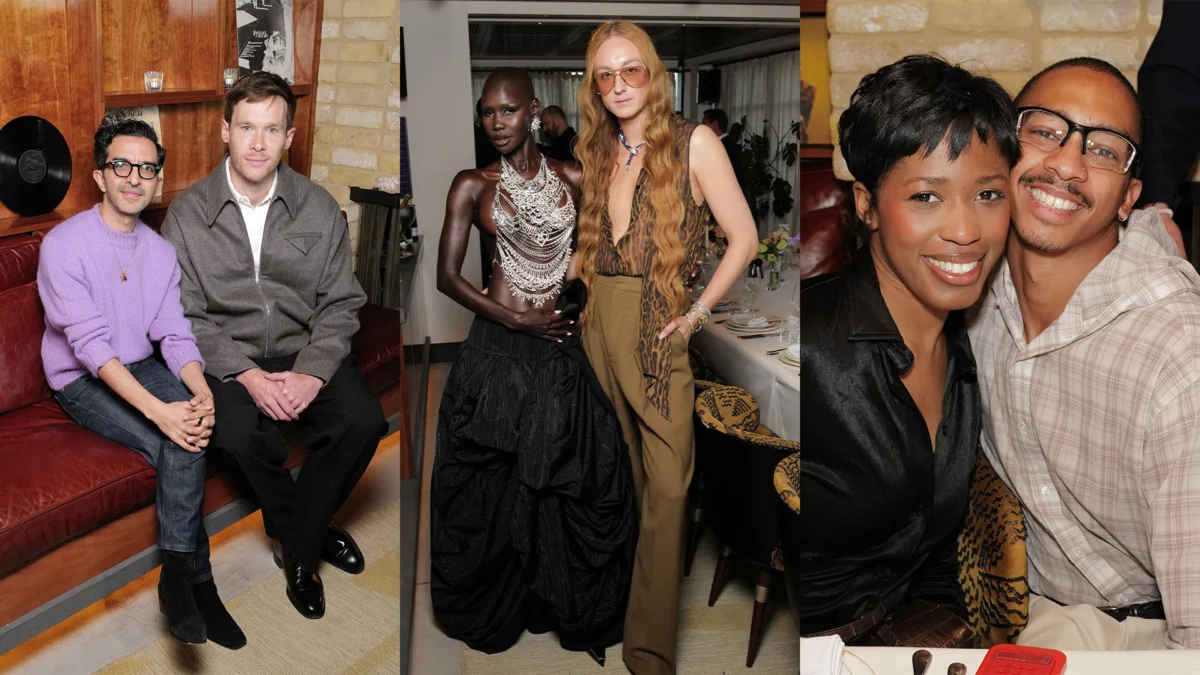
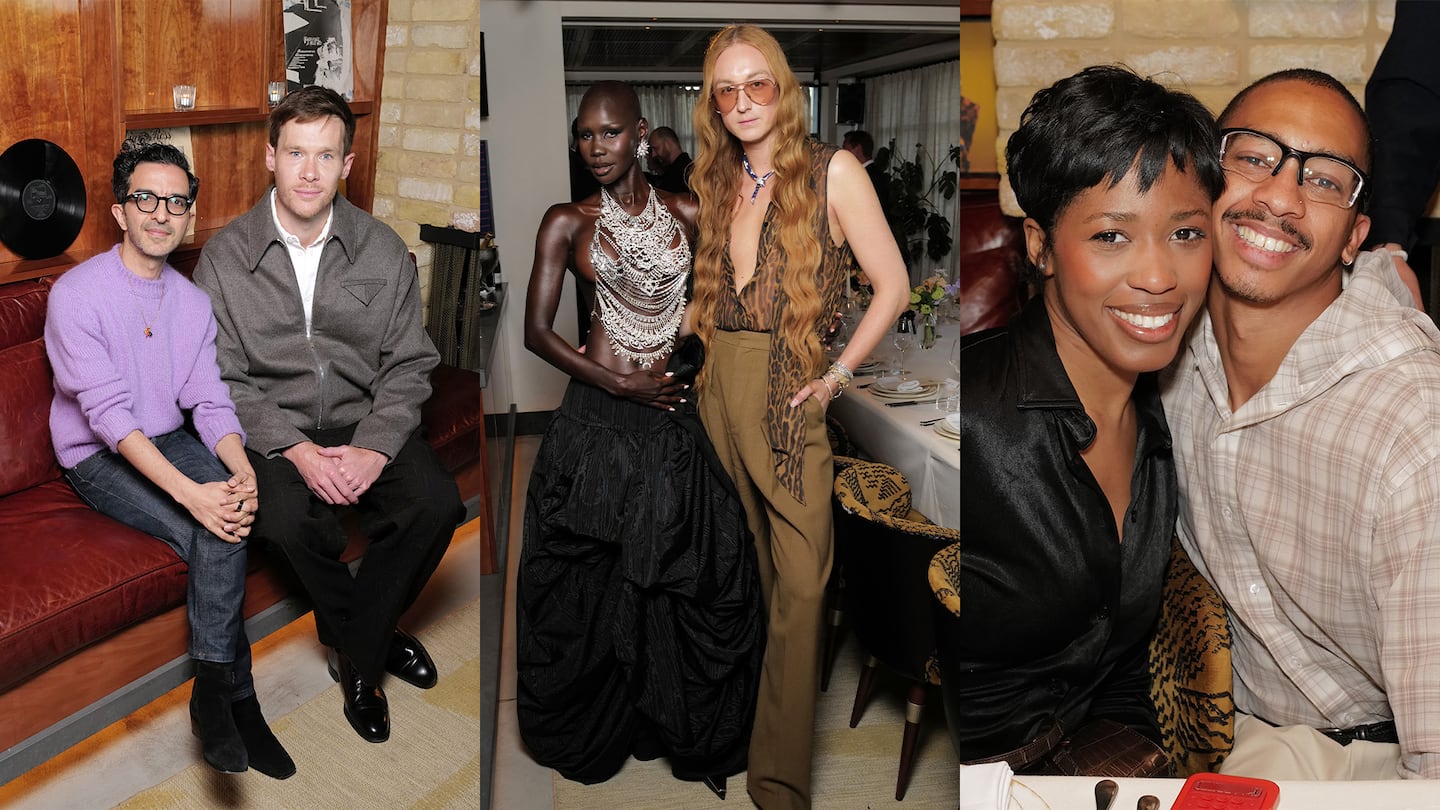
High perfumery house Amouage, in collaboration with The Business of Fashion, gathered a distinguished group of creative leaders for an insightful evening dedicated to exploring the transformative journey of the luxury industry. The discourse centered on the shift from luxury as a purely visual symbol of status to a more profound and resonant emotional connection with consumers. The event, held recently in London, underscored a pivotal moment for brands seeking to navigate the evolving landscape of consumer expectations and values.
The exclusive gathering brought together influential figures from across the fashion and creative spectrum, fostering an environment of open dialogue and shared perspectives. Attendees included Imran Amed, founder and editor-in-chief of The Business of Fashion, who moderated key discussions, and Renaud Salmon, chief creative officer at Amouage. Also present were prominent designers such as Harris Reed and Bianca Saunders, alongside emerging talents like Saul Nash, and influential model Adot Gak. This curated assembly of minds aimed to dissect the core tenets of modern luxury and chart a course for its future.
The Shifting Sands of Luxury: A Historical Perspective
For decades, the concept of luxury was intrinsically linked to conspicuous consumption, visible markers of wealth, and exclusivity. Designer logos, rare materials, and artisanal craftsmanship served as clear signifiers of affluence and social standing. This paradigm, deeply entrenched in the post-war economic boom and the rise of global brands, positioned luxury goods as aspirational trophies, attainable by a select few and coveted by many. The visual impact and tangible quality were paramount, dictating brand desirability and consumer purchasing decisions.
However, the advent of digital connectivity, increased global awareness, and a generational shift in values have begun to dismantle this traditional framework. Consumers, particularly younger demographics, are increasingly seeking more than just material possessions. They are looking for brands that align with their personal values, offer authentic experiences, and foster a sense of emotional resonance. This has necessitated a recalibration of what constitutes luxury, moving beyond the superficial to embrace the intangible.
Amouage and The Business of Fashion: A Confluence of Vision
The partnership between Amouage, a maison renowned for its opulent and evocative fragrances, and The Business of Fashion, a leading voice in the global fashion industry, was a natural synergy for this crucial conversation. Amouage, with its heritage rooted in the artistry of perfumery and its commitment to olfactory storytelling, understands the power of sensory experiences and emotional evocation. Their fragrances are not merely scents but journeys, designed to transport and transform.
The Business of Fashion, through its incisive analysis and agenda-setting content, has consistently provided a platform for critical discussions on the industry’s most pressing issues. By convening this esteemed group, both entities aimed to shed light on the practical implications of this evolving luxury landscape for brands, designers, and consumers alike.
Key Themes Emerge: Authenticity, Experience, and Purpose
The discussions held during the evening touched upon several pivotal themes that are redefining the luxury sector:
1. Authenticity and Heritage: In an era saturated with fleeting trends, consumers are increasingly drawn to brands that possess a genuine narrative and a rich heritage. This authenticity extends beyond historical claims to encompass the integrity of materials, the ethical sourcing of ingredients, and the transparency of production processes. For Amouage, this translates into the meticulous selection of rare ingredients and the preservation of traditional perfumery techniques, which resonate deeply with a discerning clientele.
2. The Experiential Imperative: Luxury is no longer solely about the product itself but the entire experience surrounding it. This includes personalized customer service, immersive retail environments, exclusive events, and engaging digital content. Brands are challenged to create multi-sensory journeys that foster a deeper connection with their audience. This could involve anything from a bespoke fragrance consultation that delves into personal memories and aspirations to a virtual reality experience that transports consumers to the origin of a brand’s signature ingredients.
3. Purpose-Driven Luxury: A growing segment of consumers is seeking brands that demonstrate a commitment to social and environmental responsibility. This has moved beyond token gestures to become an integral part of a brand’s identity. Whether it’s through sustainable practices, charitable initiatives, or advocating for social change, purpose-driven luxury is becoming a powerful differentiator. Brands that can articulate a clear and authentic mission beyond profit are likely to garner greater loyalty and admiration.
4. The Democratization of Desire (and the Re-elevation of Exclusivity): The digital age has made luxury more accessible in terms of information and aspiration, yet the desire for true exclusivity remains. The challenge for brands lies in navigating this duality: how to engage a wider audience without diluting the inherent value and desirability of their offerings. This can involve tiered product lines, limited editions, and exclusive membership programs that offer distinct privileges and a sense of belonging.
5. Storytelling as the New Currency: In a world where visual overload is commonplace, compelling narratives are essential for capturing attention and forging emotional bonds. Brands are increasingly investing in sophisticated storytelling that goes beyond product features to explore the inspiration, craftsmanship, and values embedded within their creations. Amouage’s approach to perfumery, where each scent tells a unique story, exemplifies this trend.
Designer Perspectives: Innovation and Identity
The presence of designers like Harris Reed, Bianca Saunders, and Saul Nash provided crucial insights into how these shifts are being translated into tangible creative output. Their work often challenges conventional notions of luxury, incorporating diverse cultural influences, pushing sartorial boundaries, and prioritizing personal expression.
Harris Reed, known for his flamboyant and gender-fluid designs, often speaks about the importance of self-expression and creating a space for individuality within the fashion world. His collaborations, which often involve unexpected elements and a playful approach to luxury, resonate with a generation that values authenticity and subversion.
Bianca Saunders, whose designs are celebrated for their refined yet edgy aesthetic, often draws inspiration from her Caribbean heritage, infusing her collections with a unique cultural narrative. Her focus on fabric manipulation and thoughtful detailing speaks to a desire for luxury that is both sophisticated and deeply personal.
Saul Nash, a rising talent in menswear, has garnered attention for his innovative approach to athletic-inspired luxury. His work often explores themes of identity and movement, offering a fresh perspective on contemporary dressing that prioritizes both style and comfort.
The designers’ contributions underscored the idea that luxury is becoming more inclusive and reflective of a broader range of identities and experiences. Their willingness to embrace new aesthetics and challenge established norms signals a dynamic and evolving future for the industry.
Supporting Data and Industry Trends
The discussions at the event were contextualized by broader industry trends and data points that illuminate the transformation of the luxury market.
- Growth of Experiential Luxury: Reports from leading market research firms consistently show a significant increase in consumer spending on experiences over material goods. Bain & Company’s luxury report, for instance, has highlighted the growing importance of travel, fine dining, and cultural events as key components of luxury consumption.
- Rise of Conscious Consumerism: A 2023 Deloitte survey indicated that over 70% of consumers consider sustainability when making purchasing decisions, with a significant portion willing to pay a premium for eco-friendly products. This trend is particularly pronounced among Millennials and Gen Z.
- Digital Dominance in Discovery and Engagement: While physical stores remain important for luxury experiences, digital channels are critical for brand discovery, engagement, and even sales. According to Statista, online luxury sales are projected to continue their upward trajectory, driven by sophisticated e-commerce platforms and personalized digital marketing.
- The Power of Brand Purpose: A study by Cone Communications revealed that 88% of consumers believe companies should be accountable for their impact on society and the environment. Brands that effectively communicate their purpose and demonstrate tangible action are seeing higher levels of consumer trust and loyalty.
These data points underscore the imperative for luxury brands to adapt their strategies, moving beyond traditional marketing to embrace authenticity, purpose, and immersive experiences.
Implications for the Future of Luxury
The dialogue between Amouage and The Business of Fashion served as a potent reminder that the luxury industry is in a state of continuous evolution. The shift from visual symbolism to emotional connection is not merely a fleeting trend but a fundamental redefinition of value. Brands that can successfully navigate this transition will be best positioned for sustained success.
This necessitates a holistic approach, integrating authenticity, purpose, and experiential richness into every facet of the brand. It requires a deep understanding of the evolving consumer psyche, a willingness to embrace innovation, and a commitment to fostering genuine emotional resonance. As the lines between aspiration and values blur, luxury will increasingly be defined not by what one owns, but by what one experiences, believes in, and contributes to. The evening’s discussions provided a vital roadmap for brands seeking to thrive in this new era of luxury.