Kang Muslim
New empirical research suggests that individuals who disclose a belief in conspiracy theories on their online dating profiles face a significant "social penalty," resulting in fewer matches and more negative personality assessments from potential partners. The study, conducted by a team of psychologists led by Ricky Green at the University of Kent, indicates that while these disclosures are often intended to signal individuality or "truth-seeking" tendencies, they frequently backfire by signaling lower levels of intelligence, kindness, and trustworthiness. Published in the journal Personality and Social Psychology Bulletin, the research highlights a growing divide in the romantic marketplace driven by ideological and epistemological differences.
The Psychological Landscape of Conspiracy Beliefs
Conspiracy theories are defined as narratives that posit a group of powerful actors is secretly working in concert to achieve a malevolent goal at the expense of the general public. While such beliefs have existed for centuries, their prominence in the digital age has prompted psychologists to investigate the underlying motivations for endorsing them. Previous research suggests that individuals often turn to conspiracy narratives as a psychological defense mechanism to manage feelings of powerlessness, anxiety, or a lack of control over complex global events.
However, the interpersonal consequences of these beliefs are often severe. Beyond the cognitive aspects, endorsing hidden plots can lead to social alienation, strained family dynamics, and, as this new research confirms, a significant disadvantage in the competitive world of online dating. In an environment where users make split-second decisions based on limited information, a single sentence regarding a "rigged" election or a "hoax" pandemic can act as a powerful social stigma, discrediting the individual before a conversation even begins.
Methodology: A Four-Stage Experimental Design
To understand the impact of these beliefs on romantic attraction, the research team designed a series of four experiments involving mock dating profiles. The objective was to determine how different types of conspiracy theories—varying in political alignment and plausibility—affect a user’s desirability and perceived personality traits.
Experiments 1 and 2: Right-Wing Narratives and Social Stigma
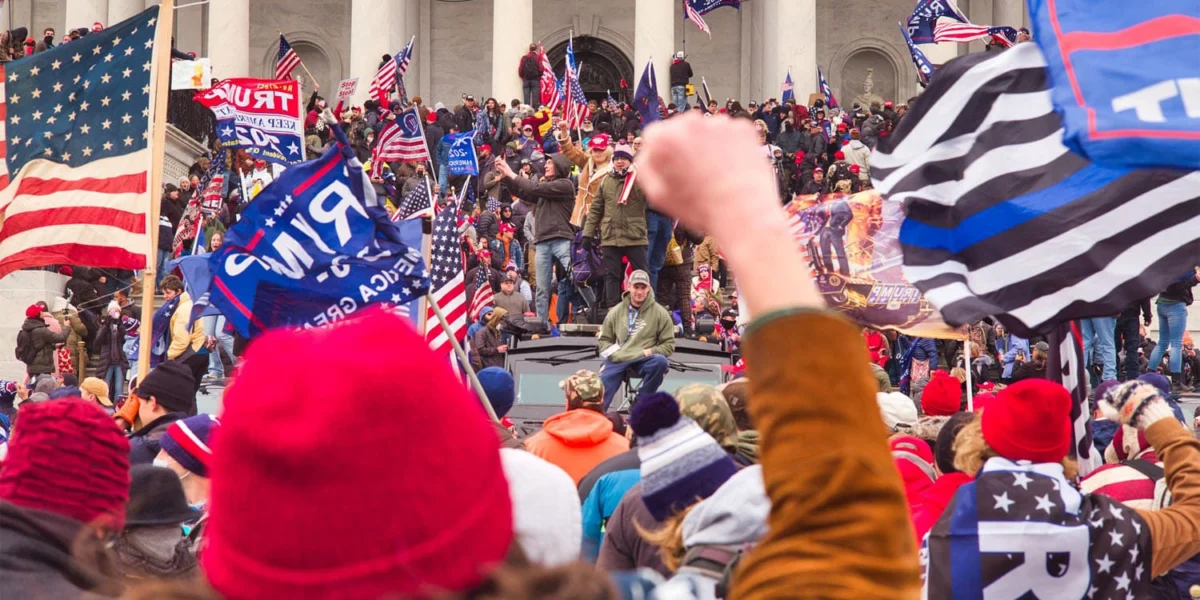
The first two experiments focused on narratives frequently associated with right-wing politics in the United States, such as the claim that the 2020 presidential election was rigged or that the COVID-19 pandemic was a hoax. Participants were presented with Tinder-style profiles that included basic hobbies and one experimental sentence.
The results were consistent: profiles endorsing these theories were viewed significantly more negatively than neutral profiles or those that explicitly denounced conspiracy theories. Participants rated the conspiracy-endorsing users as less intelligent, less kind, and less honest. Furthermore, intentions to engage in either a friendship or a romantic relationship were markedly lower for these individuals. Interestingly, while the conspiracy disclosures successfully communicated a sense of "uniqueness," this trait did not translate into romantic appeal; instead, it was overshadowed by the perceived lack of warmth and competence.
Experiment 3: Plausibility and Left-Wing Theories
The researchers then expanded their scope to include left-leaning conspiracy theories to see if the social penalty was universal or ideologically dependent. They introduced narratives concerning the oil industry, manipulating the plausibility of the claims. One profile suggested that oil companies secretly manipulate fuel prices (a relatively plausible claim to many), while another suggested that oil companies secretly hand-pick the U.S. president (a highly implausible claim).
The findings revealed a "plausibility threshold." The highly implausible presidential plot triggered the same negative social reactions as the right-wing examples. However, the more plausible fuel-price narrative did not result in a dating penalty. In fact, some participants rated the user sharing the plausible belief as slightly more intelligent than the control group, suggesting that "critical" thinking, when deemed realistic, may be viewed as a positive trait.
Experiment 4: The Mock Swiping Application
The final experiment sought to replicate the fast-paced nature of modern dating apps. The team built a functional mock application where participants swiped left (reject) or right (like) on a series of profiles. This simulation included a mix of neutral, left-wing (oil industry), right-wing (2020 election), and politically neutral (genetically modified foods) conspiracy theories.
This experiment confirmed that right-wing and neutral conspiracy theories (like those involving GMOs) led to a higher frequency of "left swipes." Users who endorsed these views were perceived as more anxious and narcissistic. The left-wing oil narrative again proved to be the exception, avoiding the immediate "swipe left" penalty, though closer inspection still led participants to view the profile creator as more reliant on intuition than logic.
The Role of Political Alignment and Shared Reality
One of the most significant findings of the study was the moderating effect of the participant’s own political orientation. The researchers utilized "Shared Reality Theory"—the idea that people are drawn to those who validate their own understanding of the world—to explain why some individuals are more forgiving of conspiracy disclosures.
Liberal participants were the most likely to judge right-wing conspiracy profiles harshly, showing a strong aversion to potential partners who endorsed "rigged election" or "COVID hoax" narratives. Conversely, conservative participants displayed much higher levels of leniency. In the case of the 2020 election narrative, highly conservative participants actually expressed a greater willingness to date the profile holder compared to someone who was anti-conspiracy.
This suggests that for some, a shared political or conspiratorial worldview can override general social stigmas. For these individuals, the belief functions not as a red flag, but as a "green flag" indicating ideological compatibility. However, the data showed that this effect was not entirely symmetrical; while conservatives were more lenient toward right-wing theories, liberals remained relatively critical even of implausible left-wing theories.
Personality Perceptions: Narcissism and Intelligence
The study delved deep into the specific personality traits attributed to "conspiracy theorists" in the dating pool. Across the experiments, a recurring theme was the perception of narcissism and anxiety. Participants frequently associated the need to "know the truth" that others are blind to with a narcissistic desire to feel superior or unique.
This perception of narcissism is a major deterrent in romantic contexts, where warmth, empathy, and cooperation are highly valued. By positioning themselves as "awake" in a world of "sheep," individuals may inadvertently signal that they are difficult to get along with or that they possess an inflated sense of self-importance. The researchers noted that while the participants recognized these individuals as "unique," that uniqueness was viewed as a social liability rather than a charming eccentricity.
Limitations and the "Attractiveness Buffer"
While the study provides robust evidence of a "conspiracy penalty," the researchers acknowledged several limitations. Most notably, the experiments used text-based profiles without photographs. In the real world of online dating, physical attractiveness is one of the most powerful predictors of success.
It is possible that a high level of physical attractiveness could "buffer" or neutralize the negative impact of a conspiracy disclosure, particularly for users seeking short-term "flings" rather than long-term committed relationships. In short-term contexts, users may be more willing to overlook controversial worldviews if they find the person physically appealing.
Additionally, the participant pool leaned toward liberal demographics, which may have amplified the rejection of right-wing theories. A more ideologically balanced sample might reveal different "tipping points" for what constitutes an unacceptable belief.
Broader Implications for Social Cohesion
The findings from the University of Kent have broader implications for social polarization. As online dating becomes the primary way people meet, the "thin-slicing" of potential partners based on political and conspiratorial beliefs may lead to increased "ideological homophily"—the tendency to only associate with those who share our views.
If conspiracy believers are consistently rejected by the mainstream dating pool, they may be driven further into echo chambers where their beliefs are validated, potentially radicalizing their worldviews. The "mis-match" described in the study title is not just a romantic failure; it is a microcosm of the growing difficulty individuals face in navigating a shared reality in a fractured information environment.
The research concludes that for the vast majority of people, disclosing a belief in hidden plots is a strategic error in the dating world. Unless one is specifically seeking a partner within a niche conspiratorial subculture, such disclosures act as a deterrent that signals a lack of social conformity and a potentially difficult personality. As the digital dating landscape continues to evolve, the "epistemic fitness" of a profile—how a person processes information and views the world—is becoming as critical as their hobbies or career.