Nila Kartika Wati
The global fashion industry is facing a significant reckoning as a new United States trade probe into forced labor practices across 60 countries threatens to reshape import policies and impose substantial compliance burdens on brands. This initiative, launched by the U.S. administration, carries the potential to trigger new tariffs and outright import bans, compelling fashion companies to fundamentally re-evaluate and enhance the transparency and ethical standards within their complex, multi-tiered supply chains. The investigation, which has garnered considerable attention within trade and human rights circles, signals a more aggressive stance by the U.S. government in addressing allegations of forced labor, a persistent and deeply concerning issue within many manufacturing hubs that supply the global apparel market.
The implications of this trade probe extend far beyond immediate policy changes. It represents a critical juncture for the fashion industry, which has long struggled with opaque supply chains and documented instances of exploitative labor conditions. The threat of financial penalties and market access restrictions could serve as a powerful catalyst for brands to invest more heavily in due diligence, traceability technologies, and robust auditing mechanisms. This could lead to a more ethical and sustainable fashion landscape, but also presents significant logistical and financial challenges for businesses that have historically relied on cost-effective, and sometimes ethically compromised, production methods.
Background and Chronology of the Trade Probe
While specific details regarding the exact initiation date and the full scope of the investigation remain subject to ongoing official pronouncements, the U.S. administration’s focus on forced labor in international trade has been a growing concern. This particular probe, targeting a broad spectrum of countries, is understood to have gained momentum over recent months, building upon existing intelligence and reports from human rights organizations and governmental agencies. The administration’s stated objective is to uphold international human rights standards and ensure fair trade practices by preventing goods produced under duress from entering the U.S. market.
The process is likely to involve a multi-stage investigation. Initially, evidence is gathered from various sources, including trade data, intelligence reports, and submissions from interested parties. This is followed by an analytical phase where the U.S. government assesses the extent and nature of forced labor allegations in the identified countries. If sufficient evidence is found, the probe could escalate to the imposition of provisional measures, such as increased scrutiny at ports of entry, followed by potential definitive actions like tariffs or import bans on specific goods or from specific entities found to be in violation. The timeline for such investigations can vary significantly, often extending over many months or even years, depending on the complexity of the supply chains and the evidence required.
This initiative is not entirely unprecedented. The U.S. has previously utilized trade tools to address human rights concerns, notably through the U.S. Customs and Border Protection’s (CBP) enforcement of Withhold Release Orders (WROs). These orders prohibit the importation of goods suspected of being produced with forced labor. For instance, WROs have been previously issued targeting goods from specific regions and industries, including apparel and textiles, where credible evidence of forced labor has emerged. This current probe, however, appears to be a more comprehensive and systematic approach, aiming to identify and address systemic issues across a wider geographical and industrial landscape.
Supporting Data and the Scale of the Challenge
The International Labour Organization (ILO) estimates that in 2021, approximately 27.6 million people were in forced labor globally, with the private sector generating the vast majority of forced labor exploitation. The garment industry, with its intricate and often geographically dispersed supply chains, is frequently cited as being particularly vulnerable to these practices. Factors contributing to this include low wages, long working hours, precarious employment, and a lack of strong labor protections in some producing countries.
The sheer volume of fashion imports into the United States underscores the potential impact of this trade probe. In 2022, the U.S. imported billions of dollars worth of apparel and textiles. A significant portion of these imports originates from countries that may be subject to this investigation. For example, major apparel-producing nations such as China, Vietnam, Bangladesh, India, and Cambodia, all of which have been highlighted in various reports concerning labor practices, could see their exports to the U.S. directly affected.
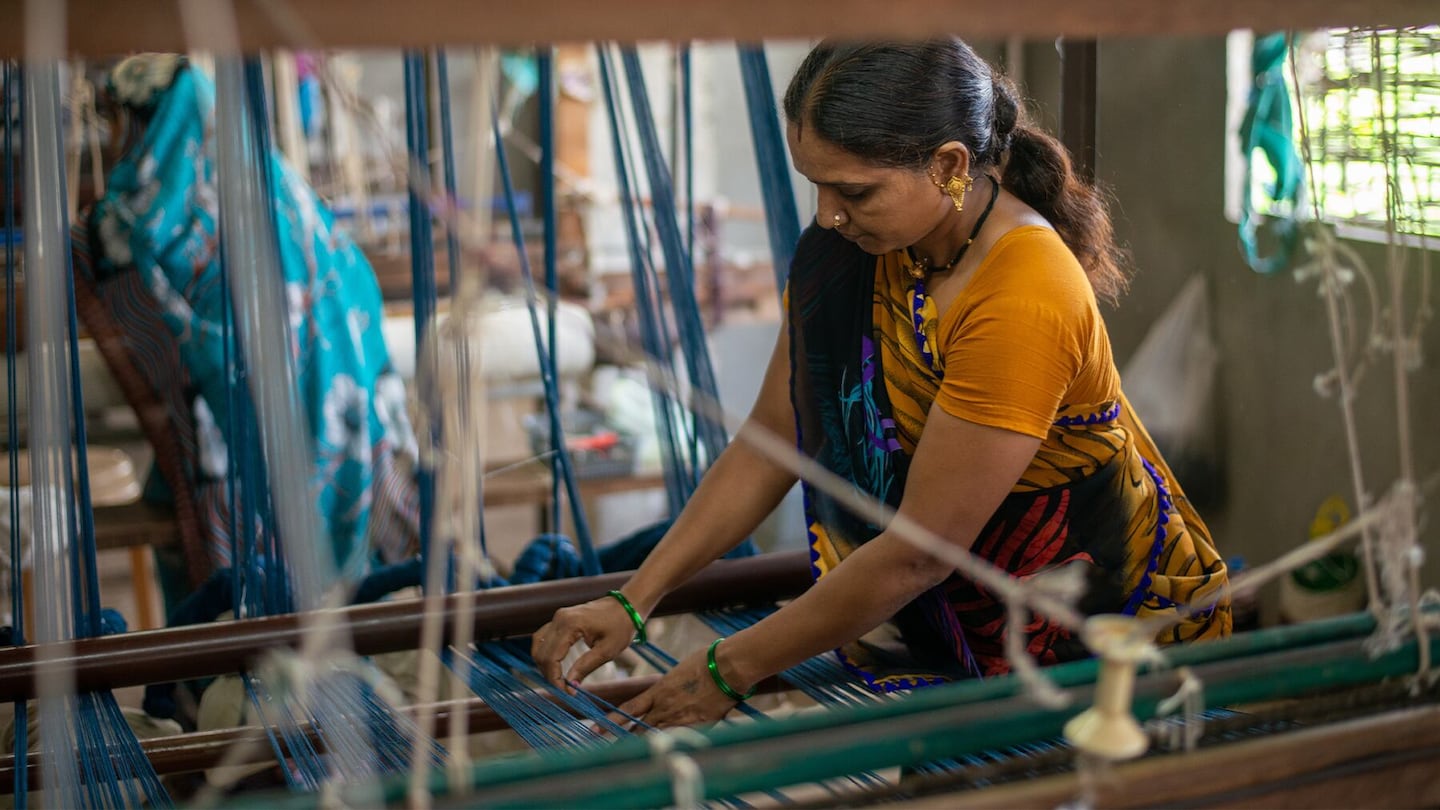
The complexity of modern fashion supply chains further exacerbates the challenge of ensuring ethical production. A single garment can pass through numerous hands and facilities across multiple countries – from cotton farms and spinning mills to weaving factories, dyeing operations, and finally garment assembly plants. Identifying and verifying the labor conditions at each stage requires sophisticated tracking and auditing capabilities, which many brands may currently lack. The use of subcontractors and informal labor networks can further obscure visibility, making it difficult to pinpoint where and when exploitative practices might be occurring.
Potential Impacts on Fashion Brands and Retailers
The immediate consequence of this trade probe for fashion brands could be increased operational costs and significant compliance risks. If new tariffs are imposed, the cost of sourcing goods from affected countries will rise, potentially leading to higher prices for consumers or reduced profit margins for retailers. More severe are the potential import bans, which could halt the flow of essential inventory, disrupt established business models, and necessitate a rapid pivot to alternative sourcing locations.
Brands will be under immense pressure to demonstrate due diligence and commitment to ethical sourcing. This will likely involve:
- Enhanced Supply Chain Mapping and Transparency: Companies will need to go beyond Tier 1 suppliers (those directly manufacturing the garments) to map out their entire supply chain, identifying all sub-contractors and raw material providers. This requires investing in technology solutions, such as blockchain, that can provide immutable records of a product’s journey.
- Robust Auditing and Monitoring: Existing auditing processes will need to be strengthened and made more rigorous. This includes unannounced audits, worker interviews conducted independently, and the implementation of grievance mechanisms that allow workers to report violations without fear of reprisal.
- Supplier Code of Conduct Enforcement: Brands will need to ensure their suppliers not only adhere to but actively enforce codes of conduct that strictly prohibit forced labor. This might involve contractual clauses with severe penalties for non-compliance.
- Collaboration and Industry Initiatives: Given the systemic nature of the problem, collaboration among brands, industry associations, and NGOs will be crucial. Sharing best practices, developing common standards, and pooling resources for audits and capacity building in producing countries could prove more effective than individual efforts.
The reputational risk associated with being linked to forced labor is also a significant concern for fashion brands. In an era of heightened consumer awareness and social media scrutiny, news of ethical breaches can quickly damage a brand’s image and lead to boycotts. Proactive measures to ensure supply chain integrity are therefore not just a matter of compliance but also of brand protection.
Reactions from Stakeholders (Inferred)
While official statements from individual fashion brands may be forthcoming as the probe progresses, it is possible to infer potential reactions and concerns from various industry stakeholders:
- Industry Associations: Trade organizations representing apparel manufacturers and retailers are likely to engage with the U.S. administration to seek clarity on the probe’s parameters, express concerns about potential economic disruptions, and advocate for practical solutions that support compliance rather than solely punitive measures. They may emphasize the efforts already being made by the industry to improve labor conditions.
- Brands with Strong Ethical Commitments: Companies that have already invested significantly in supply chain transparency and ethical sourcing are likely to view this probe as an opportunity to further differentiate themselves and gain market share. They may also be vocal in supporting stronger enforcement and highlighting the importance of responsible business practices.
- Brands with Less Transparent Supply Chains: These companies may face the most significant challenges. Their initial reaction could range from apprehension and concern about increased costs and regulatory burdens to a more proactive engagement in overhauling their sourcing strategies and compliance frameworks.
- Human Rights Organizations and Labor Advocates: These groups are likely to welcome the U.S. administration’s initiative, viewing it as a crucial step towards accountability and the eradication of forced labor. They will likely be active in providing evidence, advocating for stringent enforcement, and pushing for robust worker protections.
- Governments of Affected Countries: The governments of countries identified in the probe will undoubtedly react, potentially to defend their labor practices, seek exemptions, or work with the U.S. to address specific concerns. They may also face domestic pressure to improve labor laws and enforcement.
Broader Implications for Global Trade and Ethics
The U.S. trade probe into forced labor has far-reaching implications that extend beyond the fashion industry. It signals a potential shift in global trade policy, where ethical considerations are increasingly being integrated into economic and trade agreements. This could inspire similar actions from other nations, leading to a more harmonized global approach to combating forced labor.
Furthermore, the probe highlights the growing consumer demand for ethically produced goods. As consumers become more aware of the social and environmental impact of their purchasing decisions, brands that fail to adapt to these evolving expectations risk losing relevance and market share. This trend is likely to accelerate, pushing more industries to prioritize transparency and sustainability.
The challenge of eradicating forced labor is multifaceted and requires sustained effort from governments, businesses, and civil society. While the U.S. trade probe represents a significant development with the potential to drive substantial change, its ultimate success will depend on the rigor of its implementation, the willingness of brands to adapt, and the continued commitment of all stakeholders to ensuring that global supply chains are free from exploitation and uphold fundamental human rights. The fashion industry, in particular, stands at a critical juncture, with the opportunity to emerge from this scrutiny as a more responsible and ethically grounded sector.