Danny Garick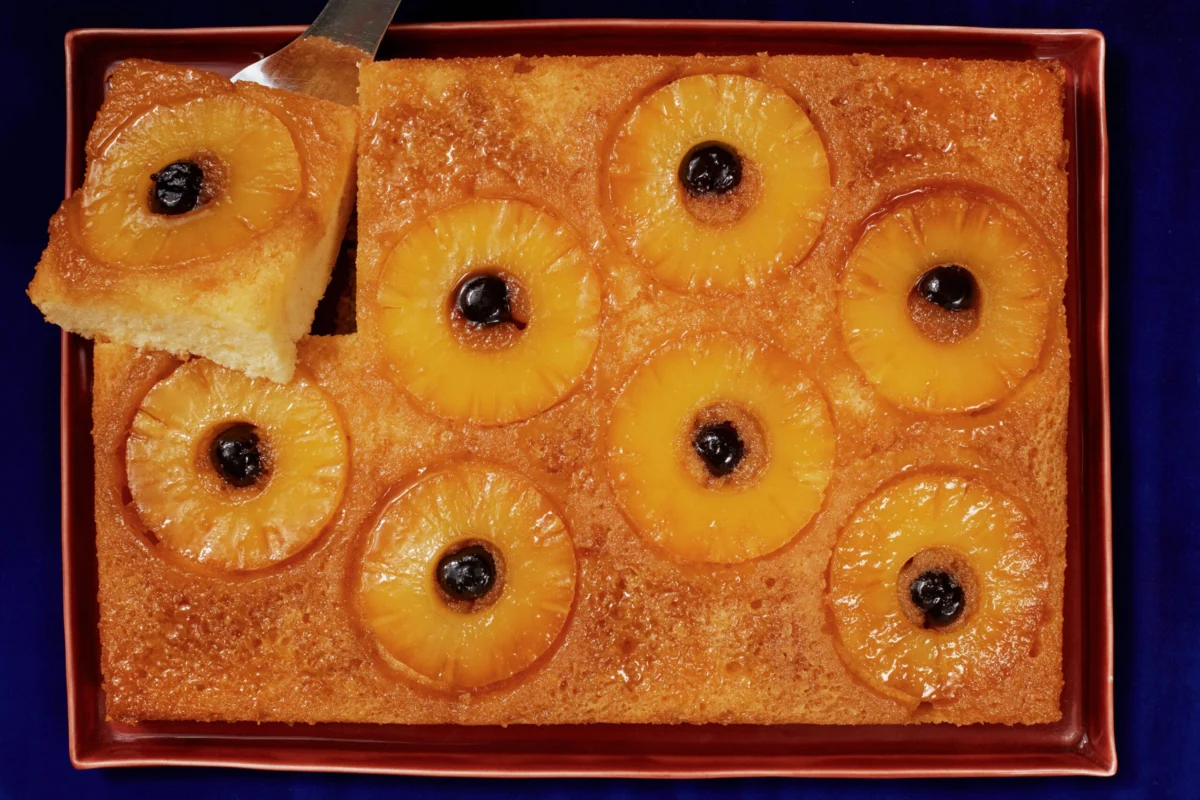
The landscape of American baking has seen a significant resurgence in nostalgic desserts, yet few recipes have undergone as thoughtful a transformation as the pineapple upside-down cake featured in Cheryl Day’s Treasury of Southern Baking. Day, a James Beard Award-nominated pastry chef and co-founder of Savannah’s Back in the Day Bakery, has presented a version of the 20th-century staple that prioritizes ingredient integrity and textural precision over the convenience-led shortcuts of the post-war era. By substituting traditional maraschino cherries with artisanal Luxardo varieties and refining the batter’s composition, Day offers a blueprint for how home bakers can preserve culinary heritage while meeting contemporary gourmet standards.
The Evolution of a Skillet Classic: A Brief Chronology
The lineage of the upside-down cake predates the widespread availability of canned tropical fruit. In the late 19th century, "skillet cakes" were a common solution for home cooks who lacked sophisticated ovens. These cakes were typically made with seasonal stone fruits or apples, cooked in heavy cast-iron pans over open fires or on wood-burning stoves. The "upside-down" method served a dual purpose: it allowed the fruit to caramelize in butter and sugar at the base of the pan while protecting the delicate sponge from direct heat.
The specific "pineapple" iteration of this technique is intrinsically linked to the industrialization of the American food supply. The chronology of the dish follows the expansion of the Hawaiian Pineapple Company, founded by James Dole. In 1901, Dole established a cannery in Hawaii, and by the 1920s, canned pineapple rings had become a staple of the American pantry.
The definitive moment for the recipe occurred in 1925, when the Hawaiian Pineapple Company sponsored a recipe contest. The company received an overwhelming 60,000 entries, with more than 2,500 of those being variations of a pineapple upside-down cake. This data point underscores the recipe’s rapid ascent into the American culinary canon. By the 1950s and 60s, the cake became synonymous with suburban hospitality, often characterized by bright yellow canned rings and neon-red maraschino cherries. Day’s modern interpretation seeks to peel back these artificial layers to reveal the sophisticated flavor profile that originally made the dish a sensation.

Culinary Science and the Pursuit of the Perfect Crumb
A primary challenge in upside-down cake construction is the management of moisture. Because the fruit and caramel topping sit at the bottom of the pan during the baking process, the batter must be robust enough to support the weight of the fruit upon inversion, yet tender enough to provide a "plush" mouthfeel.
Day’s recipe addresses this through the strategic use of cake flour and sour cream. Unlike all-purpose flour, which typically contains 10% to 12% protein, cake flour is milled to a finer consistency with a protein content of approximately 7% to 8%. This reduction in protein limits gluten development, resulting in a crumb that is significantly softer and more delicate.
Supporting data from food science suggests that the inclusion of sour cream further enhances this structure. Sour cream introduces both fat and acidity to the batter. The fat coats the flour particles, further inhibiting gluten strands, while the acidity reacts with leavening agents to produce a finer, more uniform aeration. This results in a "vanilla crumb" that remains moist even after the cake has been inverted and exposed to the air.
The Ingredient Shift: From Maraschino to Luxardo
Perhaps the most notable departure from tradition in Day’s recipe is the replacement of the standard maraschino cherry. The traditional maraschino cherry, as it is known in modern supermarkets, is the product of a heavy industrial process involving brining in a solution of sulfur dioxide and calcium chloride, followed by soaking in high-fructose corn syrup and artificial dyes (typically Red 40).
In contrast, Luxardo Marasca cherries, which Day recommends, are preserved in a rich syrup made from the fruit itself. These cherries originate from the Veneto region of Italy and offer a complex, "winey" sweetness that lacks the medicinal aftertaste of their neon-colored counterparts. While Luxardo cherries represent a higher price point—often retailing for three to four times the cost of standard maraschinos—culinary analysts suggest the investment is justified by the depth they add to the caramelized pineapple topping. This shift reflects a broader trend in the baking industry toward "clean label" ingredients and a preference for natural flavor profiles over synthetic additives.
Technical Execution: The Mechanics of the Flip
The "payoff" of the pineapple upside-down cake is the inversion process, a maneuver that requires both timing and precision. According to Day’s methodology, the cake should be inverted while still warm but after it has had a brief period to settle. This allows the brown sugar and butter topping to solidify slightly, ensuring that the fruit "mosaic" remains intact and adheres to the surface of the cake.
For bakers seeking to maximize the fruit’s impact, Day suggests a "soak" technique often used in professional layer cake assembly. By brushing reserved pineapple juice over the warm cake before inversion, the baker can amplify the tropical notes without compromising the crumb’s integrity. This step mirrors the professional practice of using simple syrups to maintain moisture in high-end patisserie.
Pan Selection and Thermal Conductivity
The choice of baking vessel is a subject of debate among traditionalists and modernists. Day advocates for a standard 13×9-inch metal pan as the "most foolproof" option. Metal pans, particularly those made of aluminized steel or heavy-gauge aluminum, offer superior heat conductivity and rapid temperature response. This ensures that the cake bakes evenly from the edges to the center.
However, the recipe acknowledges the historical use of the cast-iron skillet. While cast iron provides a "more rustic look" and deeper browning due to its high thermal mass, it requires a different approach to timing. Because cast iron retains heat long after being removed from the oven, the risk of overcooking the caramel topping is higher. Industry experts recommend using visual cues—such as the "toothpick test" and the pull-away of the cake from the pan’s edges—rather than relying solely on a timer when using heavy-duty cookware.
Market Context and the Resurgence of Retro Baking
The popularity of Cheryl Day’s recipe coincides with a wider cultural phenomenon often referred to as "New Nostalgia." Market research indicates that during periods of economic or social uncertainty, consumers gravitate toward familiar comfort foods. However, the modern consumer is more discerning than previous generations. According to data from the Specialty Food Association, there has been a 15% increase in the purchase of premium baking ingredients as home cooks seek to replicate professional-grade results.

Day’s work, particularly in Treasury of Southern Baking, serves as a bridge between the past and the present. By providing tips on how to reduce sweetness—such as weighing ingredients for accuracy and using pineapple packed in 100% juice rather than heavy syrup—she aligns the recipe with modern dietary preferences for balanced, less saccharine desserts.
Broader Implications for Southern Culinary Identity
The modernization of the pineapple upside-down cake also speaks to the evolving identity of Southern baking. Traditionally viewed through a lens of heavy sugars and fats, Southern cuisine is undergoing a re-evaluation by chefs like Day who emphasize the region’s diverse influences and technical sophistication.
By taking a dish that was once the epitome of 1950s "convenience cooking" and applying rigorous pastry techniques, Day elevates the genre. The cake is no longer just a quick weeknight dessert; it is a showcase of textural contrast and flavor balance. This approach has broader implications for how historic recipes are preserved. Rather than letting them fade into obscurity or treating them as kitsch artifacts, Day demonstrates that with smart upgrades, these "retro classics" can remain relevant in a modern culinary landscape.
Final Analysis: The Lasting Appeal of the Inverted Cake
The pineapple upside-down cake remains a staple because of its inherent drama and reliability. The mosaic of fruit, glazed in a natural caramel of butter and brown sugar, provides a visual appeal that few other single-layer cakes can match. Cheryl Day’s refinements ensure that the flavor finally matches the visual promise.
As home baking continues to evolve, the focus on ingredient quality—typified by the move toward Luxardo cherries and the use of sour cream for moisture—will likely become the new standard. Day’s contribution to this evolution is a reminder that the best way to honor the past is to improve upon it, ensuring that the "unapologetically nostalgic" experience of a warm slice of pineapple cake continues for another century. Through her work, the pineapple upside-down cake is transformed from a dated convenience food into a timeless example of Southern hospitality and culinary excellence.