Danny Garick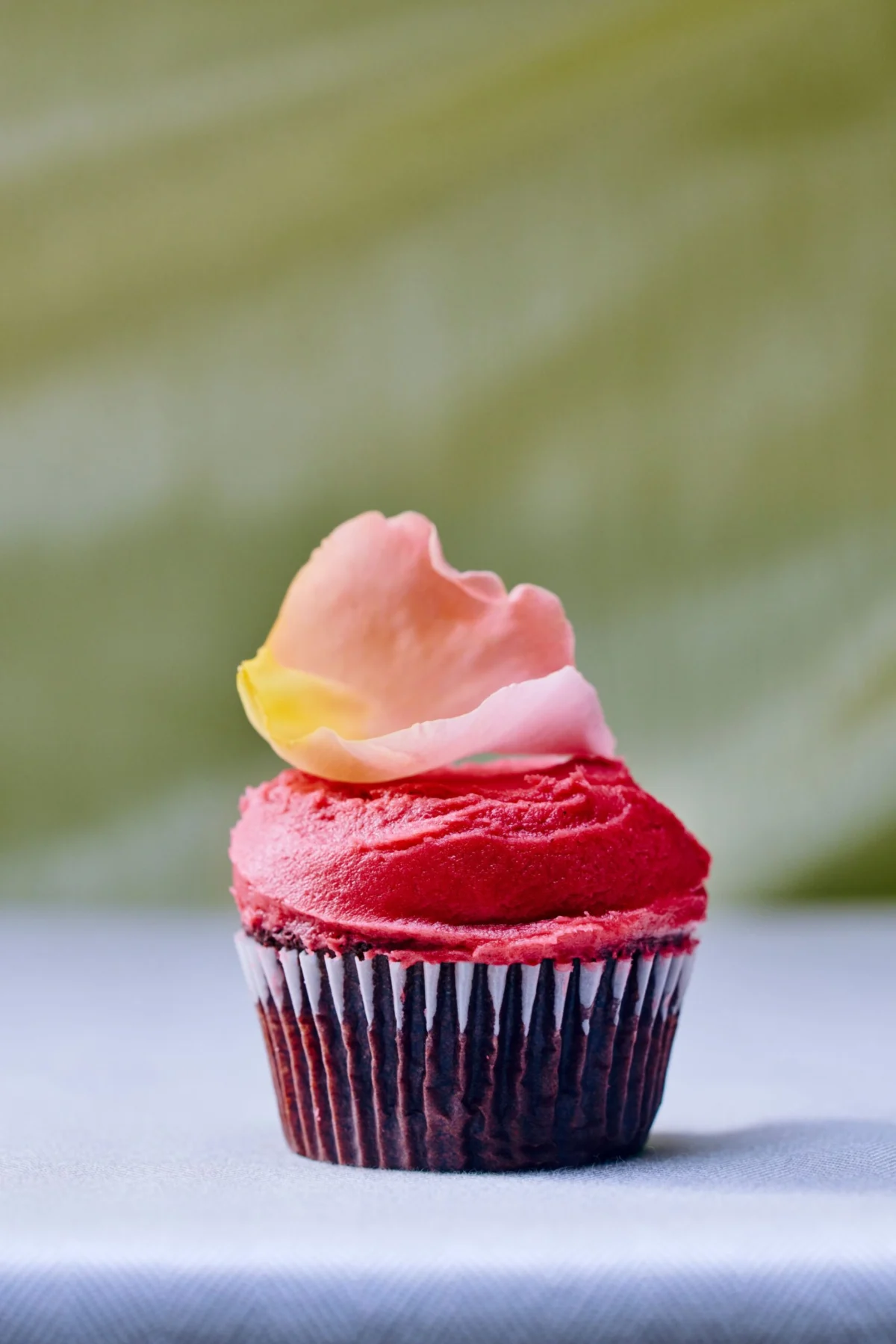
The culinary landscape is witnessing a significant pivot as the cupcake, a dessert once relegated to the status of a passing millennial fad, undergoes a sophisticated modernization and market re-entry. For the first time in over a decade, major culinary authorities, including Bon Appétit, have signaled a formal return to the format, publishing a suite of new recipes that prioritize complex flavor profiles and contemporary aesthetics over the sugary simplicity of the early 2000s. This resurgence marks a quarter-century since the dessert first entered the global zeitgeist, suggesting that the cupcake is transitioning from a nostalgic relic into a permanent fixture of the modern artisanal bakery sector.
The Genesis of a Global Phenomenon: 2000–2005
The modern history of the cupcake is inextricably linked to a specific moment in popular culture. In 2000, during the third season of the HBO series Sex and the City, the character Carrie Bradshaw was filmed consuming a pink-frosted cupcake from Magnolia Bakery on Bleecker Street in New York City. This brief cinematic moment served as the catalyst for what economists and food historians now describe as the first "viral pastry" event, long before social media platforms existed to accelerate such trends.
Following this exposure, the demand for single-serving cakes transformed from a local New York curiosity into a global business model. By 2005, the industry saw the opening of Sprinkles in Beverly Hills, California, which was marketed as the world’s first cupcake-only bakery. This specialization proved lucrative, sparking a wave of "boutique" bakeries that focused exclusively on variations of the sponge-and-frosting formula. The business model was characterized by high margins, low overhead compared to full-scale patisseries, and a product that appealed to the growing consumer desire for portion-controlled indulgence.
Market Saturation and the Subsequent Decline: 2009–2014
By 2009, the cupcake reached its cultural and economic zenith. This period saw the publication of definitive works such as Martha Stewart’s Cupcakes, which provided a domestic blueprint for the trend, and the premiere of Cupcake Wars on the Food Network. The latter turned confectionary baking into a competitive sport, further cementing the cupcake’s status in the American household.
However, the rapid expansion led to inevitable market saturation. Financial analysts began to note the "cupcake bubble" as chains like Crumbs Bake Shop expanded aggressively. The decline was precipitated by a shift in consumer behavior and the rise of "neophilia"—the obsession with the new. In 2013, the introduction of the "Cronut" by pastry chef Dominique Ansel signaled a new era of hybrid pastries that utilized complex French pastry techniques, making the relatively simple cupcake appear dated.
By 2014, the bankruptcy filing of Crumbs Bake Shop served as a symbolic end to the cupcake’s reign. For the next decade, the dessert was largely viewed as a staple of children’s birthday parties rather than a serious culinary canvas.
The Mechanics of the 2024 Revival
The current return of the cupcake is not a mere repetition of the 2000s trend but a calculated evolution. Culinary experts suggest that the revival is driven by three primary factors: logistical efficiency, consumer nostalgia, and a shift toward "attainable luxury."
From a logistical standpoint, cupcakes offer advantages that full-sized cakes cannot match. They require shorter baking times, eliminating the risk of uneven heat distribution often found in larger tiers. Furthermore, they address the modern host’s desire for convenience; they are easily transported and require no onsite slicing, catering to the "grab-and-go" nature of contemporary social gatherings.
Economically, the cupcake benefits from the "lipstick effect"—a theory suggesting that consumers continue to purchase small, affordable luxuries even during periods of economic uncertainty. A high-end, artisanal cupcake provides a premium culinary experience at a fraction of the cost of a multi-course meal or a bespoke whole cake.
Sophistication Through Flavor: The Contemporary Commandment
The 2024 iteration of the cupcake moves away from the traditional "sugar-bomb" profiles of vanilla, chocolate, and red velvet. Instead, modern recipes draw heavily from the pantry and the garden, utilizing botanical infusions and savory elements to balance sweetness.
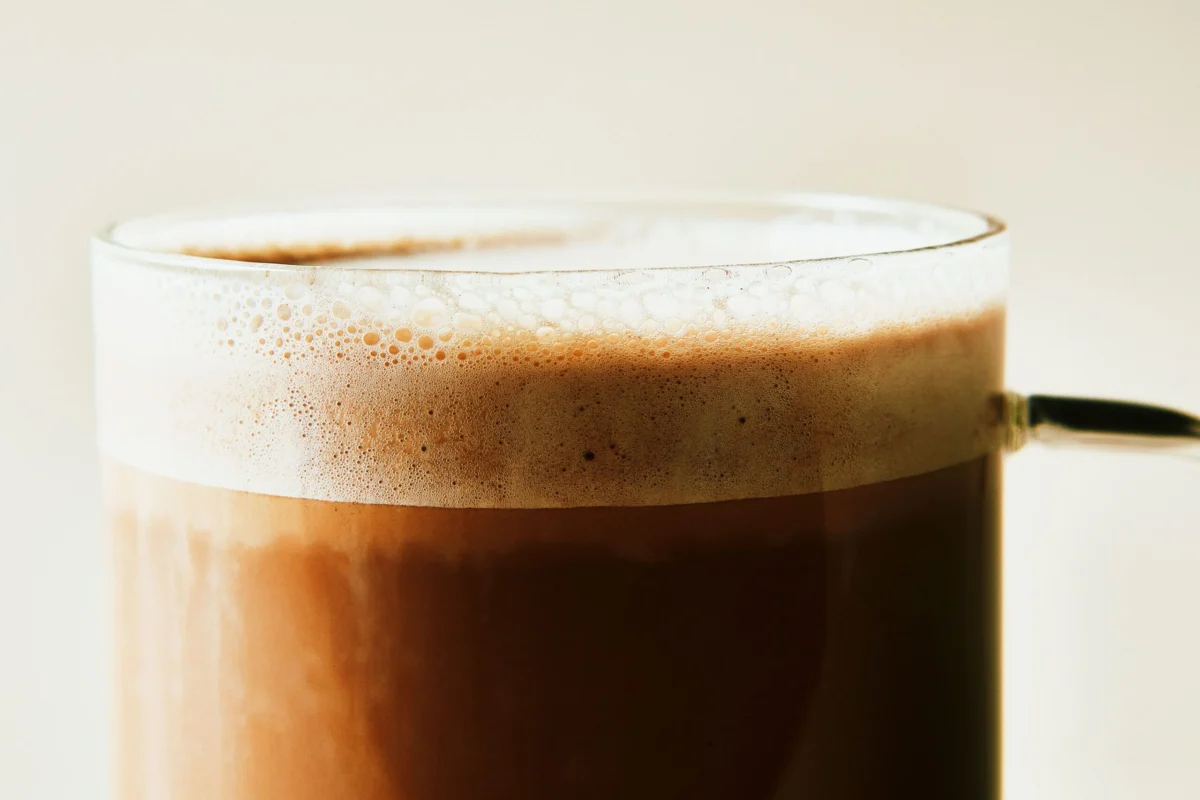
- Tea and Herbal Infusions: Modern batters are increasingly incorporating tea leaves such as Earl Grey, Lapsang Souchong, and Jasmine. These additions provide a smoky or floral depth that appeals to adult palates.
- The Role of Acidity: A key criticism of the first-wave cupcake was the cloying nature of the frosting. Contemporary chefs are countering this by introducing high levels of acidity. The use of fresh fruit purees (such as blackberry or raspberry), lemon juice, and high-quality cream cheese creates a "tangy and bright" profile that cuts through the fat content of the buttercream.
- Savory-Sweet Hybrids: Ingredients like cookie butter, fennel, cardamom, and even curry leaves are being utilized to create complex flavor profiles that challenge the traditional definition of a dessert.
The Evolution of Aesthetic Presentation
In the early 2000s, cupcake aesthetics were defined by uniform swirls of pastel frosting and candy sprinkles. The modern approach, however, embraces "whimsical maximalism" and organic textures.
Current trends in cupcake decoration include:
- Botanical Garnishes: The use of organic, non-toxic flowers such as roses, pansies, and dahlias.
- Unconventional Toppings: Chefs are now utilizing dried fruit chips, pea shoots, and even small vegetables like kumquats or tiny tomatoes to create a "fantastical" visual appeal.
- Deconstructed Formats: The "cupcake-ification" of other desserts is a rising trend. Classic treats like the Australian Lamington—a sponge cake coated in chocolate and coconut—are being adapted into the cupcake format, offering a multi-textured experience within a single liner.
Industry Reactions and Economic Implications
Industry analysts observe that the return to the cupcake format reflects a broader trend in the food and beverage sector: the democratization of gourmet experiences. While high-end patisserie remains popular, there is a growing market for "elevated basics."
"The cupcake is a perfect vessel for experimentation," notes a source within the culinary publishing industry. "It allows a chef to test bold flavor combinations—like Earl Grey and blackberry—without the commitment of a large-scale production. It is low-risk for the baker and high-reward for the consumer."
Furthermore, the influence of social media platforms like TikTok and Instagram cannot be overstated. The "MomTok" community and aesthetic-focused food influencers have embraced the cupcake for its photogenic qualities and the ease with which "baking hacks" (such as using cookie butter as a ready-made frosting) can be shared and replicated. This digital ecosystem has provided the necessary infrastructure for the cupcake to regain its "viral" status.
Broader Cultural Impact and Future Outlook
As we look toward the mid-2020s, the cupcake appears poised to maintain a more stable position in the culinary hierarchy than it did during its initial boom. By moving away from the "fad" label and embracing sophisticated culinary techniques, the cupcake has successfully rebranded itself as a versatile medium for artistic expression.
The broader implication of this revival is the recognition that food trends are cyclical. Much like the resurgence of 90s fashion or mid-century modern furniture, the cupcake’s return is fueled by a generation that grew up with the dessert now seeking to redefine it on their own terms.
In conclusion, the cupcake’s journey from a Magnolia Bakery bench to the sophisticated kitchens of 2024 highlights a significant shift in consumer values. Today’s consumer demands more than just sugar; they seek complexity, convenience, and a touch of the fantastical. By adhering to new "commandments" of flavor, acidity, and decor, the cupcake has proven that even the most aging monarch can be restored to the throne with a bit of modern ingenuity. The single-serving cake is no longer just a treat; it is a statement of contemporary culinary craft.