Jono Maryono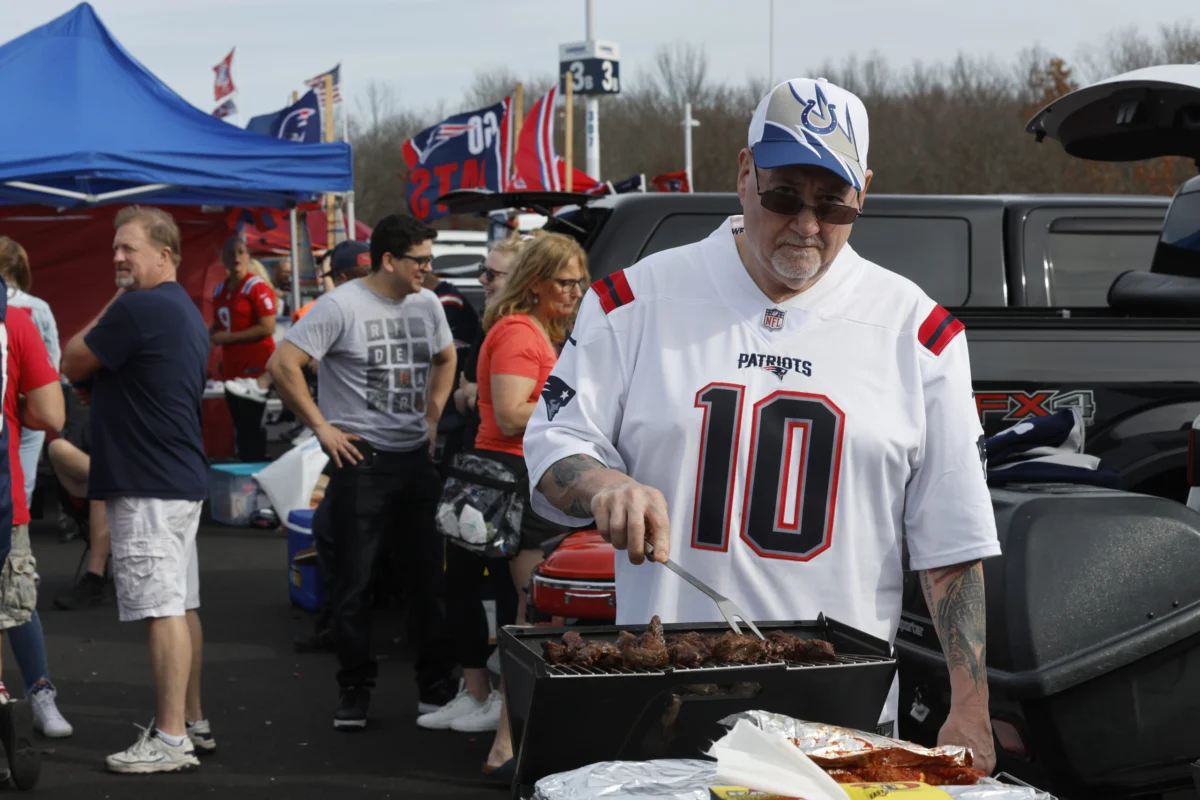
In a significant shift that has been met with widespread approval from football enthusiasts, the Boston World Cup host committee has announced that tailgating will be permitted for all seven matches scheduled to be held at Gillette Stadium in Foxborough, Massachusetts. This decision marks a departure from FIFA’s initial pronouncements and aligns with the established local customs surrounding events at the venue. The reversal is seen as a crucial concession to the deeply ingrained American sporting tradition, particularly in a region with a passionate fanbase.
The Boston World Cup host committee confirmed the change on Monday, emphasizing that the allowance of tailgating aligns with existing local policies. "This decision conforms with local policies that allow tailgating like any other event hosted at the stadium," a spokesperson for the committee stated. "There are no venue restrictions or local public safety restrictions in place that would prohibit it." This statement directly addresses concerns that FIFA’s global regulations might supersede local norms, a prospect that had stirred considerable unease among American football aficionados.
Previously, FIFA had indicated that tailgating would not be permitted at any of the 104 matches across the three host nations: the United States, Canada, and Mexico. Given that the United States is set to host the majority of these games—78 in total—this initial directive sparked a significant backlash from fans accustomed to the vibrant pre-game festivities. Tailgating, a quintessential element of American sports culture, involves fans gathering in parking lots surrounding stadiums to socialize, grill, and enjoy beverages before and after games. It is a practice deeply interwoven with the match-day experience, particularly for American football and collegiate sports.
The 2026 FIFA World Cup, a landmark tournament for North America, is scheduled to take place from June 11 to July 19, 2026. This edition will be the first to be hosted by three nations, with the United States, Canada, and Mexico collaborating to bring the global spectacle to the continent.
Gillette Stadium, which will be temporarily rebranded as "Boston Stadium" for the duration of the World Cup to comply with FIFA’s policy prohibiting corporate sponsorship of venue names during the tournament, is slated to host a significant portion of the matches. The venue will stage five group-stage games, one match from the round of 32, and a quarterfinal fixture. This makes it a key location for the tournament in the United States. The stadium is already a familiar venue for major sporting events, serving as the home ground for the NFL’s New England Patriots and Major League Soccer’s New England Revolution. It also hosts numerous concerts and other large-scale events, all of which typically feature tailgating.

The allowance of tailgating at Gillette Stadium, while a welcome development, will come with some adjustments to the usual scale of operations. The host committee has indicated that the available space for tailgating will be significantly reduced compared to what is normally offered for Patriots games. While approximately 20,000 parking spots are typically available for NFL contests, only about 5,000 will be allocated for public use during the World Cup matches. This reduction is likely a consequence of the increased security and logistical demands associated with a global tournament of this magnitude.
To facilitate fan access and manage crowd flow, the Massachusetts Bay Transportation Authority (MBTA) has announced specific transportation plans and pricing. A round trip on the commuter rail from Boston to Foxborough for World Cup games will be priced at $80, a substantial increase from the usual fares for Patriots and Revolution games. This elevated price point is four times the cost of regular-season train travel to the stadium. In addition to rail service, an express bus option will be available, departing from various locations throughout the Boston metropolitan area, with a round trip fare of $95. These transportation arrangements underscore the significant logistical undertaking involved in hosting such a high-profile international event.
The decision regarding tailgating at Gillette Stadium is part of a broader conversation about how FIFA and host cities are adapting to the unique cultural landscapes of the participating nations. In the United States, tailgating is not merely a pre-game activity; it is a cultural phenomenon that fosters a sense of community and shared excitement among fans. For many, it is an integral part of the overall event experience, contributing to the atmosphere and camaraderie that surrounds major sporting contests.
The initial prohibition of tailgating by FIFA had drawn comparisons to the organization’s approach in other parts of the world, where such practices are less common or non-existent. However, in the US, the deeply entrenched nature of tailgating made its potential absence a particularly sensitive issue. The strong reaction from fans and sports organizations highlighted the importance of respecting and accommodating local customs when organizing international events. The reversal signals a recognition by FIFA of the need for flexibility and a willingness to engage with the specific cultural nuances of its host countries.
In parallel with developments in Boston, New York City also unveiled its plans for fan engagement. On Monday, officials announced that a fan fest would be held in each of the city’s five boroughs in conjunction with World Cup matches at the MetLife Stadium. This stadium, to be known as "New York New Jersey Stadium" during the tournament, is located in East Rutherford, New Jersey, and will host the highly anticipated World Cup final on July 19, 2026. The fan fests are designed to extend the World Cup experience beyond the stadium grounds, offering viewing parties, cultural activities, and a festive atmosphere for fans across the metropolitan area.
Understanding the Nuances of American Tailgating
To fully appreciate the significance of FIFA’s revised policy, it is important to understand what tailgating entails in the United States. In the context of American sports, tailgating is a pre-game social ritual where supporters of a particular team gather in the parking lots adjacent to the stadium. Typically, they park their vehicles and congregate around them, engaging in a variety of activities. This often includes sharing food and beverages, with many fans bringing portable grills to cook meals on-site. The atmosphere is one of jovial anticipation, as supporters immerse themselves in the match-day spirit before even entering the stadium.

Tailgating sessions can commence several hours before the official start of a game, allowing ample time for socialization and enjoyment. This tradition is particularly prevalent during National Football League (NFL) games and is especially popular among fans of American football at both professional and collegiate levels. It represents a communal celebration of the sport and a way for fans to connect with one another, forging a sense of belonging and shared passion. The ability to engage in these activities freely before a major sporting event contributes significantly to the overall fan experience.
Gillette Stadium: A Hub for the 2026 FIFA World Cup
Gillette Stadium’s role in the 2026 World Cup is substantial. Beyond the seven matches it will host, its inclusion underscores the growing prominence of soccer in the United States. The stadium’s capacity, currently around 65,000, is well-suited for international football fixtures. The venue has a proven track record of hosting major sporting events, including NFL playoffs, MLS Cup finals, and international soccer friendlies, which have drawn large and enthusiastic crowds.
The choice of Gillette Stadium, and by extension Boston, as a World Cup host city reflects the increasing popularity of soccer in the region. The New England Revolution, while not enjoying the same level of national attention as the Patriots, have a dedicated fanbase and have contributed to the growth of the sport in Massachusetts. The inclusion of a quarterfinal match at Gillette Stadium signifies the tournament’s ambition to reach diverse markets within the United States.
Broader Implications and Fan Reactions
The initial FIFA announcement banning tailgating had ignited a wave of protests and petitions from fan groups across the United States. Social media platforms buzzed with discussions, with many fans expressing their disappointment and frustration. Hashtags like #SaveTailgating and #FIFAListen trended, reflecting the widespread sentiment. The argument was not just about convenience but about preserving a cherished cultural practice that is intrinsically linked to the American sporting identity.
The reversal of FIFA’s decision is a clear victory for fan advocacy and a testament to the power of collective action. It demonstrates a growing understanding within global sporting organizations that successful event management requires sensitivity to local customs and traditions. The ability to tailgate at Gillette Stadium is expected to enhance the overall fan experience, contributing to a more festive and authentic World Cup atmosphere in Boston.
A Look at Other US Host Cities and Stadiums
The 2026 FIFA World Cup will be distributed across 11 cities in the United States, with additional host cities in Canada and Mexico. The tournament’s opening match for the US Men’s National Team is scheduled for June 12 at SoFi Stadium in Inglewood, California, which will be known as "Los Angeles Stadium" during the event. The choice of Los Angeles, a global entertainment capital, as a venue for a high-profile match highlights the tournament’s broad appeal.

The final, arguably the most anticipated match of the tournament, will be held at MetLife Stadium in East Rutherford, New Jersey, to be designated as "New York New Jersey Stadium." This location for the final underscores the economic and logistical significance of the New York metropolitan area as a major hub for international events.
Other US stadiums selected to host matches include:
- Atlanta: Mercedes-Benz Stadium (Atlanta Stadium)
- Dallas: Cotton Bowl Stadium (Dallas Stadium)
- Houston: NRG Stadium (Houston Stadium)
- Kansas City: Arrowhead Stadium (Kansas City Stadium)
- Miami: Hard Rock Stadium (Miami Stadium)
- Philadelphia: Lincoln Financial Field (Philadelphia Stadium)
- San Francisco Bay Area: Levi’s Stadium (San Francisco Bay Area Stadium)
- Seattle: Lumen Field (Seattle Stadium)
Each of these cities and stadiums will play a role in bringing the World Cup to a diverse audience across the United States, showcasing the country’s capacity to host large-scale international sporting events. The logistical challenges and opportunities presented by each venue will be unique, requiring tailored approaches to fan engagement, transportation, and security.
The decision to permit tailgating at Gillette Stadium is more than just a policy change; it is a recognition of the cultural tapestry that makes the World Cup a global phenomenon. By embracing this iconic American tradition, Boston and FIFA are ensuring that the 2026 tournament will be a truly memorable experience for fans, both on and off the pitch. The move signals a more inclusive and adaptable approach to global event management, prioritizing the fan experience and respecting the unique identities of host nations.