Layla Zulfa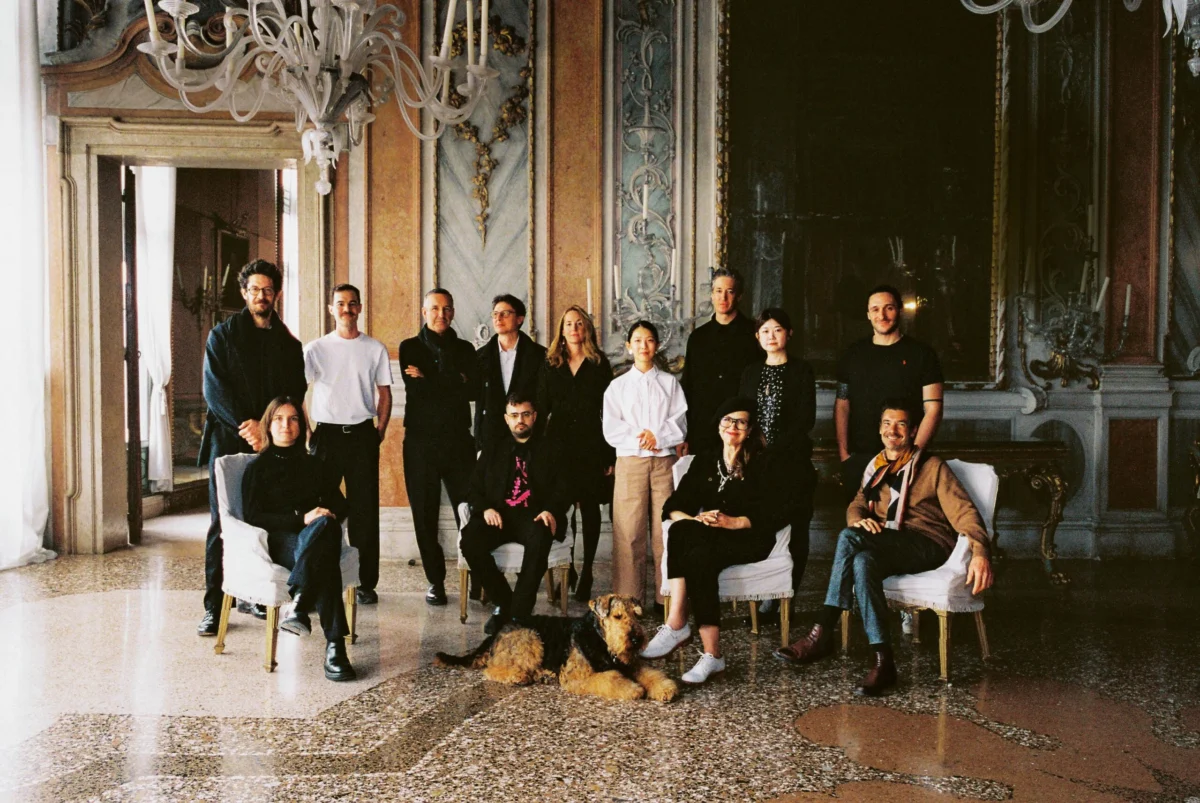
The transition of a fashion luminary from the runway to the realm of cultural patronage has reached a significant milestone with the official opening of the Fondazione Dries Van Noten. Situated within the storied walls of the Palazzo Pisani Moretta, a 15th-century masterpiece on Venice’s Grand Canal, the foundation represents a deliberate and ambitious second act for Dries Van Noten. Nearly two years after the designer announced his departure from the creative directorship of his eponymous fashion house, this new institution opened its doors on April 25, signaling a permanent commitment to the preservation and promotion of human-centric artistry. The foundation’s primary mission is the elevation of the "human hand," showcasing a diverse array of disciplines ranging from haute couture and fine jewelry to contemporary metalwork, ceramics, and experimental glass.
The inaugural exhibition, titled “The Only True Protest Is Beauty,” serves as a programmatic statement for the foundation. Curated by Van Noten in collaboration with long-time associate Geert Bruloot, the show derives its name from a quote by the American folk singer and activist Phil Ochs. This choice of title underscores a philosophy that views aesthetic excellence and meticulous craftsmanship not merely as luxuries, but as profound acts of resistance against the ephemeral nature of modern industrial production. By gathering 50 international artists and collaborators, the foundation has transformed the 43,000-square-foot palazzo into a living dialogue between historical grandeur and contemporary innovation.
Architectural Significance and the Venetian Context
The selection of the Palazzo Pisani Moretta as the foundation’s headquarters is a decision rooted in both architectural reverence and strategic cultural positioning. A prime example of Venetian Gothic style, the palazzo is renowned for its facade of pointed arches and its interior, which boasts frescoes by masters such as Giovanni Battista Tiepolo and Jacopo Guarana. The acquisition of the property by Van Noten and his partner in both life and business, Patrick Vangheluwe, marks a new chapter for the building, which has historically served as a private residence and a prestigious venue for high-society events like the annual Mascheranda Ball during Carnival.
Van Noten has described the process of inhabiting the space as one of quiet observation. Upon acquiring the palazzo, he and Vangheluwe spent time lying on the floors of the music room, studying the intricate ceiling details to fully grasp the weight of the history they had inherited. This sensitivity to the existing environment has dictated the curatorial approach. Rather than imposing a modern "white cube" gallery aesthetic, the foundation utilizes the palazzo’s ornate rooms—including former storage areas and a private chapel—to create site-specific installations that respect the building’s original proportions and decorative programs.
The foundation’s presence in Venice also aligns with the city’s broader role as a global hub for the arts. With the Venice Biennale serving as a biennial focal point for the international art world, the establishment of a permanent foundation by a figure of Van Noten’s stature adds to the city’s year-round cultural density. It places the Belgian designer among a select group of fashion figures, such as Miuccia Prada and François Pinault, who have revitalized historic Venetian structures to house significant art collections.
Curatorial Highlights and the Inaugural Exhibition
The exhibition “The Only True Protest Is Beauty” features a curated selection of works that challenge the boundaries of material science and traditional technique. One of the most striking intersections occurs in the palazzo’s former chapel, where artist Ann Carrington has installed a series of contemporary "sacred heart" assemblages. These pieces are constructed from upcycled silver cutlery, transforming utilitarian domestic objects into icons of spiritual and aesthetic devotion. The choice of medium reflects the foundation’s interest in the metamorphosis of materials through skilled labor.
In another wing of the palazzo, a storage room lined in golden jacquard—a nod to Van Noten’s own history with textiles—houses the work of designer Wendy Andreu. Her contribution includes a woven interpretation of an Empire chair, which utilizes innovative textile techniques to reimagine classical furniture forms. The grand salon features a centerpiece commissioned specifically for the space: a large-scale table produced by the local atelier Wave Murano Glass. Van Noten challenged the glassmakers to create a structure devoid of wood or metal supports, pushing the structural limits of Murano glass to create a functional object that appears almost ethereal in its transparency.

The element of surprise and discovery was evident during the exhibition’s preparation. Paris-based ceramicist Kaori Kurihara, known for her complex, nature-inspired geometric forms, was reportedly moved to tears when she learned her work would be displayed on 18th-century wall pedestals within the palazzo. Such moments highlight the foundation’s goal of fostering a deep emotional connection between the creator, the object, and the viewer.
Chronology of a Career Transition
The establishment of the Fondazione Dries Van Noten is the culmination of a career that has spanned nearly four decades. Van Noten first rose to international prominence in 1986 as part of the "Antwerp Six," a group of avant-garde designers who graduated from the Royal Academy of Fine Arts in Antwerp and transformed the city into a fashion capital. Throughout his career, Van Noten remained an independent outlier in an industry increasingly dominated by large luxury conglomerates, known for his masterful use of prints, textiles, and a "quiet luxury" that predated the modern trend.
In 2018, Van Noten sold a majority stake in his brand to the Spanish luxury group Puig, though he remained the creative director and chairman. This partnership provided the financial stability and infrastructure necessary for the brand to expand its global footprint while allowing Van Noten to begin planning his eventual transition. In early 2024, Van Noten announced he would step down from his role at the fashion house following the Spring/Summer 2025 menswear show. The opening of the foundation in April 2024 (as referenced in current reports) serves as the definitive launch of his post-runway career, shifting his focus from the seasonal demands of the fashion calendar to the enduring timelines of art and craft.
Supporting Data: The Value of Craft in the Luxury Sector
The foundation’s focus on the "human hand" arrives at a time when the luxury sector is undergoing a significant re-evaluation of value. According to industry reports from Bain & Company, high-net-worth consumers are increasingly prioritizing "experiential luxury" and "provenance-based" goods over mass-produced luxury items. The market for artisanal and hand-crafted objects is projected to grow as a counter-response to the rise of artificial intelligence and automated manufacturing in creative fields.
Furthermore, the "Antwerp Six" legacy continues to exert a powerful influence on the market. Pieces from Van Noten’s early collections frequently command high prices at specialized auctions, and his 2014 exhibition at the Musée des Arts Décoratifs in Paris remains one of the most visited fashion retrospectives in the museum’s history. This established cultural capital provides the foundation with a robust foundation of interest from both the fashion and art communities.
Broader Impact and Implications for the Art World
The opening of the Fondazione Dries Van Noten has significant implications for the intersection of fashion and the fine arts. By focusing on "craft" rather than a retrospective of his own fashion designs, Van Noten is avoiding the common pitfall of vanity projects. Instead, the foundation functions as a laboratory for cross-disciplinary collaboration. The inclusion of 50 diverse artists suggests a model where the curator’s eye—honed by decades of designing garments—is applied to a much broader material landscape.
Industry analysts suggest that this move may inspire other veteran designers to seek similar paths. As the pace of the fashion industry continues to accelerate, the "foundation model" offers a way for designers to maintain their creative relevance and legacy without the pressures of commercial retail cycles. For Venice, the foundation provides a much-needed boost to the local artisanal economy. By collaborating with local entities like Wave Murano Glass, Van Noten is integrating the foundation into the existing fabric of Venetian industry, ensuring that the institution is not merely a foreign outpost but a participant in the city’s ongoing history of making.
As the inaugural exhibition continues to draw visitors, the Fondazione Dries Van Noten stands as a testament to the idea that beauty, when pursued with rigor and respect for tradition, remains a vital form of expression. In the sprawling rooms of the Palazzo Pisani Moretta, the dialogue between the 15th and 21st centuries is now officially open, centered on the enduring power of what the human hand can achieve.