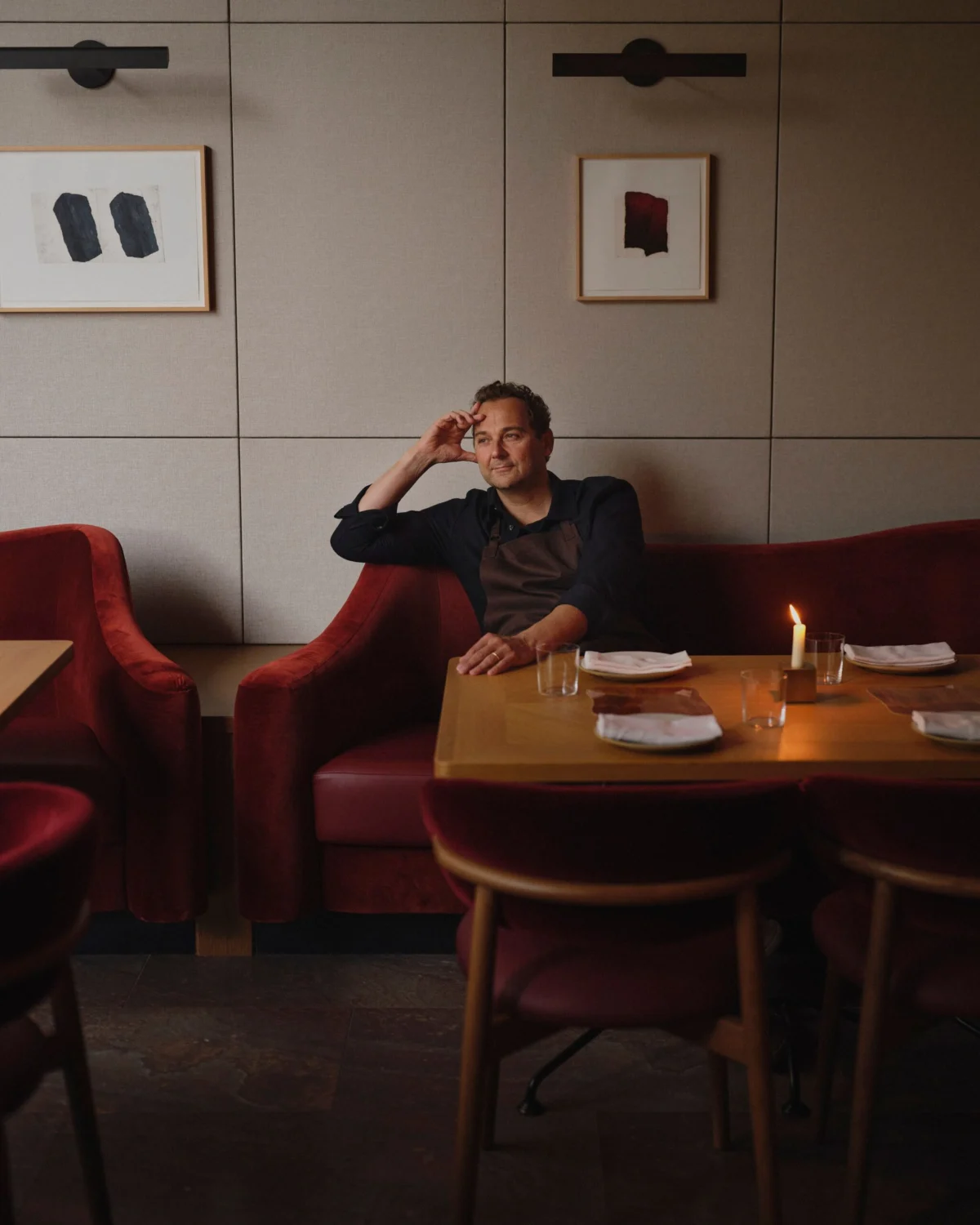
Danny Garick
The Demographic Foundation of Houston’s Culinary Scene
The culinary diversity of Houston is a direct reflection of its population. According to data from the Rice University Kinder Institute for Urban Research, Houston is frequently ranked as the most ethnically diverse large metropolitan area in the country. Approximately one in four residents is foreign-born, a statistic that has fueled a gastronomic explosion over the last four decades. The city’s food culture is not merely a collection of international cuisines but a series of adaptations where Vietnamese, Mexican, West African, and Central American traditions intersect with Texas ingredients and cooking techniques.
The economic impact of this industry is substantial. The Texas Restaurant Association notes that the food service industry is a primary driver of the local economy, providing hundreds of thousands of jobs and generating billions in annual sales. The recent entry of the Michelin Guide into the Texas market in 2024 has further validated Houston’s standing, bringing international scrutiny and prestige to neighborhoods like Asiatown, Montrose, and the Second Ward.
.jpg)
A Chronology of Culinary Integration: From Czech Settlers to Modern Fusion
The history of Houston’s palate begins long before the modern era of fusion. In the mid-1800s, waves of Czech and German immigrants settled in Central and Southeast Texas, bringing with them the kolache—a yeast-dough pastry traditionally filled with fruit or poppy seeds. Over time, these European traditions merged with local tastes, leading to the creation of the klobasnek, a savory version often filled with sausage and jalapeños. Establishments like The Original Kolache Shoppe, which has operated since 1956, represent the enduring legacy of this early migration, serving as a foundational element of the Houston breakfast routine.
The late 20th century saw another pivotal shift. Following the end of the Vietnam War in 1975, Houston became a major resettlement site for Vietnamese refugees, particularly in the Gulf Coast region where the climate and fishing opportunities mirrored those of Southeast Asia. This community established what is now known as Asiatown, a sprawling district centered along Bellaire Boulevard. The culinary timeline was further altered in 2005 following Hurricane Katrina, as thousands of residents from New Orleans relocated to Houston. This secondary migration facilitated the birth of "Viet-Cajun" cuisine—a hybrid style that applies Vietnamese aromatics like lemongrass, ginger, and garlic butter to traditional Louisiana crawfish boils.
The Morning Economy: Breakfast Tacos and the Ritual of the Comal
In Houston, the "breakfast taco" is more than a convenience; it is a cultural institution that signals the start of the workday. Laredo Taqueria, a landmark in the city’s Inner Loop, exemplifies the high-volume, high-quality production that defines this sector. The restaurant’s operation relies on a disciplined assembly line where fresh tortillas are rolled and cooked on a comal in real-time.

Industry analysts point out that the success of such establishments lies in their adherence to traditional nixtamalization processes—the ancient Mesoamerican method of soaking corn in an alkaline solution. This technique is also central to modern upscale iterations of Mexican cuisine in Houston, such as Mayahuel. Under the leadership of Chef Luis Robledo Richards, Mayahuel elevates these staples through the use of heirloom corn varieties and sophisticated pastry techniques, bridging the gap between street-side tradition and contemporary fine dining.
Asiatown and the Specialization of Regional Cuisines
While many American cities offer generalized "Asian" dining, Houston’s Asiatown is characterized by extreme specialization. Nam Giao, a Michelin-recommended establishment, focuses specifically on the cuisine of Huế, the former imperial capital of Vietnam. The menu emphasizes delicate textures and fermented flavors, such as bánh bèo (steamed rice cakes) and tapioca-based dumplings.
Nearby, Crawfish & Noodles serves as the epicenter of the Viet-Cajun movement. The restaurant’s signature Salt & Pepper Blue Crab illustrates the synthesis of Gulf Coast seafood with Eastern seasoning profiles. This regional specialization extends beyond Vietnamese borders. Himalaya, led by Chef Kaiser Lashkari, has achieved cult status for its Pakistani-Indian fusion. Lashkari’s "Himalaya Fried Chicken," marinated in masala spices, represents a unique adaptation of a Southern American staple through a South Asian lens, attracting national culinary critics and domestic tourists alike.

The Emergence of Indigenous and Afro-Mexican Narratives
In recent years, Houston’s culinary narrative has expanded to include voices that were historically marginalized or overlooked. Ishtia, a high-end dining concept located south of the city in League City, offers an exploration of Choctaw heritage. Chef David Skinner utilizes pre-colonial ingredients—such as bison, tepary beans, sumac, and wild honey—to challenge the Western-centric history of American food. By framing his tasting menu as a "living narrative," Skinner provides an educational component to the dining experience, highlighting the resilience of indigenous agricultural practices.
Similarly, Late August, located in a historic former Sears building, explores the intersection of African American and Mexican culinary traditions. Chef Chris Williams, a James Beard Award finalist, uses the space to honor the building’s history as one of the first desegregated department stores in Houston. The menu features dishes like tuna aguachile with prickly pear and hickory-smoked turnips, blending the flavors of the African Diaspora with the agricultural output of local Texas farms. This "Afro-Mexican" approach reflects a broader trend in Houston where chefs are reclaiming ancestral histories to create new, modern identities.
West African Influence and the Fast-Casual Revolution
The growth of Houston’s West African population—particularly the Nigerian community, which is one of the largest in the United States—has led to a surge in high-visibility African dining. ChòpnBlọk, a fast-casual concept in the Montrose neighborhood, has been instrumental in making West African flavors accessible to a broader audience.

Chef Ope Amosu’s menu focuses on staples like jollof rice, suya (spiced grilled meat), and moin moin. By utilizing a fast-casual format, Amosu has successfully integrated traditional Nigerian flavors into the daily dining habits of Houstonians. This shift is significant, as it moves West African cuisine from a niche "ethnic" category into the mainstream of the city’s competitive food market.
Urban Planning and the Future of Houston Gastronomy
Houston’s lack of traditional zoning has historically been a point of contention for urban planners, yet food critics argue it is the city’s greatest culinary asset. The ability for a high-end chocolate speakeasy like CASE Chocolates to exist within a repurposed industrial plant in the Second Ward, or for world-class dumplings to be served in a suburban strip mall, creates a "low barrier to entry" for immigrant entrepreneurs.
However, as the city faces rising real estate costs and gentrification, the sustainability of this model is under scrutiny. The redevelopment of historic neighborhoods often displaces the very populations that established their culinary reputations. In response, many chefs are turning toward collaborative models, such as food halls and collective kitchens, to maintain a foothold in the urban core.

Conclusion: A Global Model for Urban Dining
Houston’s food scene serves as a blueprint for the 21st-century American city. It is a landscape defined not by a single signature dish, but by a relentless spirit of adaptation and inclusion. From the Czech-inspired kolache of the 19th century to the Choctaw-influenced fine dining of today, the city continues to redefine what it means to be a "food capital."
As Houston continues to grow, its culinary institutions remain the most visible evidence of its successful integration of global cultures. The data suggests that as long as the city remains a primary gateway for international migration, its kitchen will continue to evolve, offering a sensory record of the people who call the Bayou City home. The global expression found on Houston’s plates is more than just a trend; it is the fundamental identity of a city built on movement, resilience, and the shared language of gastronomy.