Kang Muslim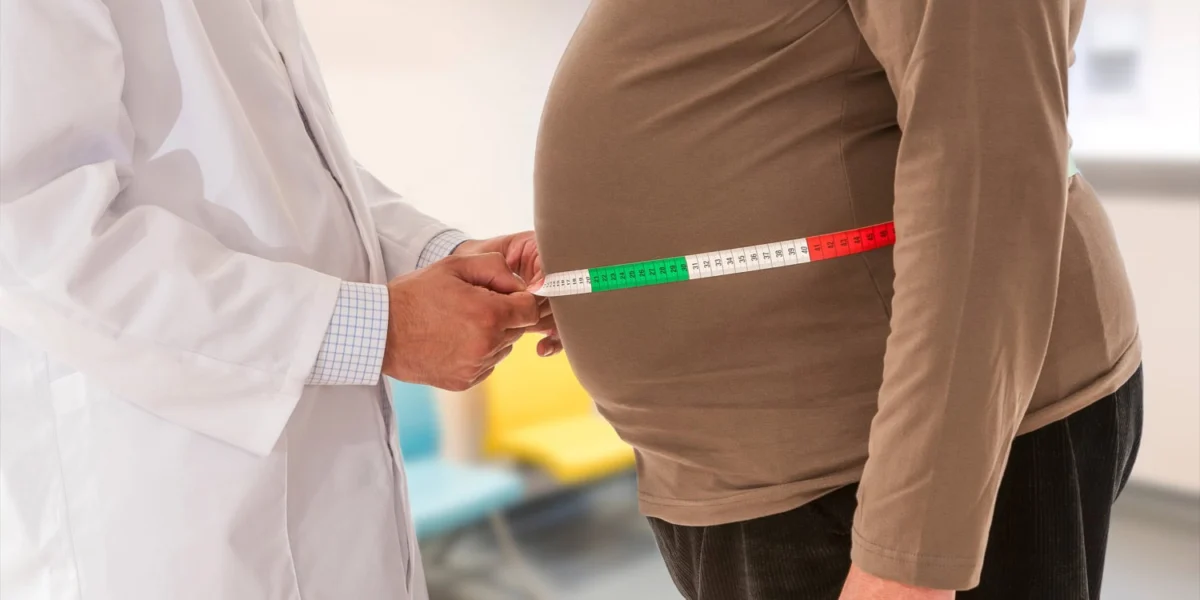
The intersection of metabolic health and neurodegenerative decline has long been a focal point of geriatric research, but a new study published in the Journal of Health Psychology has identified a specific anthropometric measurement that may revolutionize how clinicians assess mental health risks in dementia patients. Researchers have found that the Body Roundness Index (BRI), a relatively new mathematical formula used to estimate body shape and fat distribution, serves as a significant predictor of depression in older adults diagnosed with dementia. This finding suggests that the physical "roundness" of a patient, specifically reflecting central adiposity or belly fat, is more closely linked to mood disorders than traditional metrics like the Body Mass Index (BMI).
The study, led by Dr. Felipe Kenji Sudo and a team of researchers from the D’Or Institute for Research and Education (IDOR) in Brazil, highlights a critical gap in current diagnostic tools. While depression is a frequent and debilitating comorbidity of dementia, it often goes undetected due to the overlapping symptoms of cognitive decline. By utilizing the BRI—a measure that conceptualizes the human torso as an oval rather than a simple weight-to-height ratio—medical professionals may have a more accessible and accurate way to identify patients at high risk for depressive symptoms, allowing for earlier intervention and improved quality of life.
The Limitations of Traditional Anthropometric Measures in the Elderly
For decades, the Body Mass Index has been the gold standard for assessing whether an individual carries excess weight. However, as the medical community gains a deeper understanding of the aging process, the limitations of BMI have become increasingly apparent, particularly in geriatric populations. As humans age, they often experience sarcopenia—the natural loss of muscle mass—and a decrease in bone density. Consequently, an older adult may maintain a "normal" weight according to BMI while simultaneously accumulating dangerous levels of visceral fat around the internal organs.
This phenomenon, sometimes referred to as "sarcopenic obesity," means that BMI can severely underestimate the metabolic risks faced by the elderly. In the context of the IDOR study, BMI failed to show a significant correlation with depression in dementia patients. This lack of association underscores the need for tools that account for body composition and fat distribution rather than just total mass. The Body Roundness Index addresses this by incorporating waist circumference in relation to height, providing a more nuanced picture of central adiposity. Central fat is known to be more metabolically active and harmful than subcutaneous fat, releasing pro-inflammatory cytokines that can cross the blood-brain barrier and influence neurological health.
Methodology and the Participant Profile
To investigate the link between body shape and mental health, the research team analyzed a cohort of 601 older adults. The participants, ranging in age from 60 to 91, were recruited from a specialized memory clinic in Rio de Janeiro, Brazil, between 2015 and 2024. This longitudinal window allowed for a robust collection of data across a decade of clinical practice. Each participant underwent a comprehensive evaluation that included standardized medical interviews, physical examinations, and cognitive assessments.
The researchers were meticulous in their categorization. Of the 601 participants, 239 were formally diagnosed with dementia based on rigorous cognitive testing that measured memory, executive function, language, and visuospatial skills. To measure mental health, the team utilized the Geriatric Depression Scale (GDS-15), a 15-item questionnaire specifically validated for use in older populations. A score of five or higher was used as the threshold for a depression diagnosis. Additionally, the researchers accounted for anxiety levels and other demographic variables, such as education level (all participants had at least eight years of formal schooling) and pre-existing chronic conditions, to ensure the results were not skewed by external factors.
Comparative Metrics: BRI vs. The Field
A central component of the study was the comparison of various body measurement formulas. The researchers calculated several indices for each participant, including:
- Body Mass Index (BMI): The traditional weight-to-height calculation.
- Waist Circumference (WC): A simple measurement of the midsection.
- Waist-to-Height Ratio (WHtR): A measurement increasingly favored over BMI for cardiovascular risk.
- Conicity Index (CI): A formula that evaluates how much a body resembles a double cone, wider in the middle and tapering at the ends.
- Body Roundness Index (BRI): A formula that uses height and waist circumference to determine the "circularity" of the body.
While several of these measures are intended to capture central obesity, the BRI emerged as the most potent predictor of depression within the dementia subgroup. The data revealed that while there was no significant link between body shape and depression in the general group of 601 participants, the relationship became starkly evident when focusing on the 239 individuals with dementia. In this group, approximately 36% of patients exhibited depressive symptoms, and those in the highest quartile of BRI scores—the "roundest" individuals—were more than three times as likely to suffer from depression compared to those in the lowest quartile.
The Biological Pathway: Inflammation and the Brain
The findings of the study point toward a complex biological interplay between metabolic health and neuropsychiatry. The researchers suggest that the link between a high BRI and depression is likely mediated by chronic, low-grade inflammation. Visceral fat, which the BRI is designed to detect, acts as an endocrine organ. It secretes inflammatory markers such as interleukin-6 (IL-6) and tumor necrosis factor-alpha (TNF-α).
In patients with dementia, the brain is already in a vulnerable state. Persistent systemic inflammation can exacerbate neurodegeneration by activating microglia—the brain’s immune cells—which, when overstimulated, can damage healthy neurons. Furthermore, inflammation can disrupt the hypothalamic-pituitary-adrenal (HPA) axis, which regulates the body’s stress response. When this system is compromised, it can lead to the development of depressive symptoms. Dr. Sudo noted that because obesity, depression, and memory loss share these underlying biological pathways, the BRI serves as a physical proxy for the internal "inflammatory storm" that may be occurring in a patient’s body.
Clinical Implications and Global Context
The implications of this research are significant for the global management of dementia. According to the World Health Organization (WHO), over 55 million people worldwide are currently living with dementia, a number expected to rise to 139 million by 2050. Depression is not merely a side effect of dementia; it is a major contributor to a faster rate of cognitive decline and increased caregiver burden.
Identifying depression in dementia patients is notoriously difficult. Patients may struggle to articulate their feelings, or their apathy and social withdrawal may be mistaken for standard symptoms of cognitive impairment. The BRI offers a non-invasive, cost-effective, and objective screening tool. Unlike expensive neuroimaging or blood tests for inflammatory markers, the BRI requires only a tape measure, a scale, and a simple calculation. Integrating this into routine geriatric check-ups could provide clinicians with a "red flag" for mental health monitoring before depressive symptoms become severe.
Analysis of Study Limitations and Future Research
Despite the compelling results, the researchers cautioned that the study was cross-sectional, meaning it captured a "snapshot" in time. While the correlation between BRI and depression is strong, the study does not definitively prove that excess belly fat causes depression. It is also possible that the relationship is bidirectional: individuals with depression may engage in behaviors, such as poor diet or physical inactivity, that lead to increased body roundness.
Furthermore, the study population was drawn from a specialized memory clinic in an urban Brazilian setting. This may limit the generalizability of the findings to different socioeconomic or ethnic groups who may have different body fat distribution patterns. Dr. Sudo and his colleagues have indicated that their next steps will involve longitudinal studies to track these patients over several years. This will help determine if changes in a patient’s BRI can predict the future onset of depression or if weight loss interventions can alleviate depressive symptoms in those already diagnosed with dementia.
The team also plans to delve deeper into nutritional science. "We are interested in understanding how nutritional factors relate to neuropsychiatric symptoms," Dr. Sudo explained. This includes examining the impact of ultra-processed foods versus whole-food diets on both body shape and brain health.
Conclusion: A New Tool for Holistic Geriatric Care
The research from the D’Or Institute adds to a growing body of evidence that the body and mind are inextricably linked in the aging process. By demonstrating that the Body Roundness Index is a superior predictor of depression in dementia compared to the Body Mass Index, the study provides a practical path forward for improving geriatric care.
As the global population ages, the focus of medical research is shifting toward modifiable risk factors. While some aspects of dementia are genetic or inevitable, metabolic health is often manageable through lifestyle and dietary interventions. The BRI stands as a testament to the idea that simple, shape-based measurements can offer profound insights into the complex neurological and emotional landscape of older adults. For doctors on the front lines of the dementia crisis, this "oval-shaped" perspective may be a key piece of the puzzle in treating the whole patient, rather than just the disease.