Kang Muslim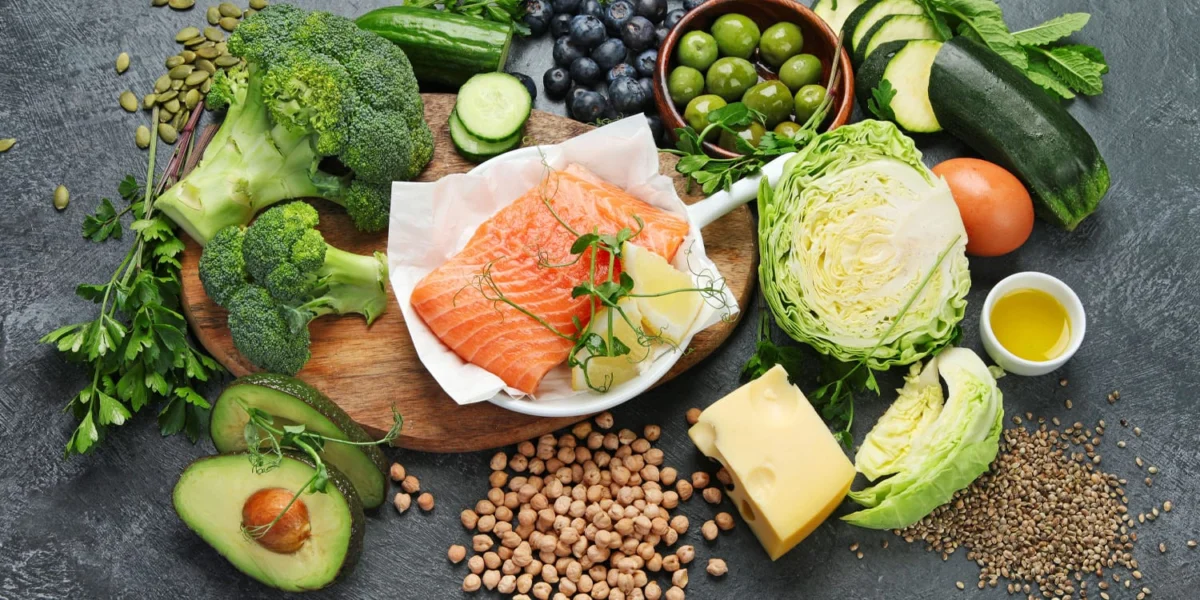
The Microprotein Revolution: Beyond Traditional Genetics
For decades, the scientific community viewed mitochondria primarily as the "powerhouses" of the cell, responsible for converting nutrients into adenosine triphosphate (ATP). These organelles are unique because they possess their own circular genome, distinct from the DNA housed in the cell nucleus. During the era of the Human Genome Project in the late 1990s and early 2000s, large portions of mitochondrial DNA were dismissed as "non-coding" or "junk" sequences because they were too short to fit the traditional definition of a gene. However, recent advancements in transcriptomics and proteomics have revealed that these overlooked sequences actually encode functional molecules known as mitochondrial-derived peptides (MDPs) or microproteins.
These microproteins, though significantly smaller than standard proteins, act as potent signaling molecules that regulate metabolism, stress responses, and cellular survival. The study led by Roberto Vicinanza, an instructional associate professor of gerontology at USC, focused on two specific microproteins: Humanin and SHMOOSE. Humanin was the first MDP discovered and has been linked in prior literature to enhanced insulin sensitivity, neuroprotection, and a reduction in the plaque formation associated with atherosclerosis. SHMOOSE, a more recent discovery, appears to play a critical role in brain health, with research suggesting it helps maintain the integrity of neurons and may offer a defense against the neurodegenerative processes seen in Alzheimer’s disease.
Study Design and Methodology: Investigating the Roman Cohort
To investigate the link between nutrition and these microscopic messengers, the research team recruited 49 older adults from a cardiovascular clinic in Rome, Italy. The participants, with an average age of approximately 78 years, were already being monitored as part of an observational program for heart rhythm disorders. This demographic was particularly relevant because the elderly are most susceptible to the "inflammaging" process—the chronic, low-grade inflammation that drives age-related diseases.
The researchers employed a dual-pronged approach to data collection. First, participants completed a standardized dietary questionnaire that quantified their adherence to the Mediterranean diet. Points were awarded for the frequent consumption of beneficial staples, including extra virgin olive oil, fresh fruits, vegetables, legumes, and fish, while points were deducted for high intakes of red meat, poultry, and refined carbohydrates like white bread. Based on these scores, the cohort was divided into "high adherence" and "low-to-medium adherence" groups.
Secondly, the clinical team collected fasting blood samples to analyze circulating levels of Humanin and SHMOOSE. To ensure the integrity of the data, the laboratory staff performed these analyses using a blinded protocol, meaning they did not know which dietary group the samples belonged to. This rigorous methodology was designed to eliminate observational bias and provide a clear picture of how dietary habits correlate with molecular biomarkers.
Key Findings: The Link Between Olive Oil and Cellular Protection
The results of the study revealed a striking correlation. Participants who strictly followed the Mediterranean diet exhibited significantly higher concentrations of both Humanin and SHMOOSE in their bloodstream compared to those with lower adherence. Interestingly, the study found that traditional markers of metabolic health, such as total cholesterol and triglyceride levels, did not show statistically significant differences between the two groups. This suggests that microprotein levels may be a more sensitive or direct indicator of the diet’s cellular impact than standard lipid profiles.
The researchers further analyzed individual food groups to determine which components of the diet had the most profound effect on microprotein production. The data indicated that:
- SHMOOSE levels were highest in individuals who consumed at least one tablespoon of olive oil per day and significantly limited their intake of refined white bread.
- Humanin levels were positively correlated with the regular consumption of olive oil, fish, and at least two to three servings of legumes per week.
These findings suggest that the Mediterranean diet does not work through a single "superfood" but rather through a synergy of nutrients that signal the mitochondria to produce these protective peptides. "These microproteins may act as molecular messengers that translate what we eat into how our cells function and age," noted Dr. Vicinanza.
The Humanin-Nox2 Interaction: Combating Oxidative Stress
A secondary but equally vital aspect of the study involved the role of oxidative stress. Mitochondria, while essential for energy, naturally produce reactive oxygen species (ROS) as a byproduct of metabolism. When the production of ROS exceeds the body’s antioxidant defenses, it leads to oxidative stress, which damages DNA, proteins, and lipids, accelerating the aging process.
The research team specifically looked at an enzyme known as Nox2 (NADPH oxidase 2), which is a major source of oxidative stress in the cardiovascular system. The study found an inverse relationship between Humanin and Nox2 activity. Participants with the highest levels of Humanin showed the lowest levels of Nox2-driven oxidative damage. This suggests a potential "feedback loop" where a healthy diet boosts Humanin, which then acts as a biological shield, blocking Nox2 from producing harmful molecules that would otherwise damage the heart and blood vessels.
Pinchas Cohen, dean of the USC Leonard Davis School of Gerontology and the study’s senior author, emphasized the importance of this connection. "Mitochondrial microproteins are emerging as key regulators of aging biology. They connect mitochondrial function to diseases like Alzheimer’s and heart disease and now, potentially, to nutrition," Cohen stated.
Chronology of Research and Scientific Context
The discovery of Humanin in 2001 by a team in Japan marked the beginning of a new era in mitochondrial research. For the next two decades, scientists primarily focused on its role in laboratory models of Alzheimer’s disease. The SHMOOSE microprotein was identified much more recently, in 2022, by the Cohen Lab at USC.
The current study represents a pivotal shift in the timeline of this research, moving from the discovery of the molecules to understanding how lifestyle interventions—specifically nutrition—can modulate their expression in human populations. It bridges the gap between the "Seven Countries Study" of the 1950s, which first popularized the Mediterranean diet, and 21st-century molecular biology. By identifying Humanin and SHMOOSE as the potential "missing links," researchers are finally providing a molecular basis for the longevity observed in Mediterranean populations.
Implications for Public Health and Personalized Nutrition
The implications of this research are significant for the future of geriatric medicine and preventative healthcare. As the global population ages, the burden of chronic diseases like heart failure and dementia continues to rise. If microproteins like Humanin and SHMOOSE can be reliably measured in a clinical setting, they could serve as "bio-trackers." Doctors could use a simple blood test to determine if a patient’s diet is actually providing cellular protection, allowing for more precise nutritional counseling.
Furthermore, this study paves the way for "nutrigenomics"—the study of how food affects gene expression. By understanding that olive oil and fish can effectively "turn on" protective mitochondrial genes, public health guidelines can move beyond general advice about calories and fats toward specific recommendations aimed at optimizing mitochondrial signaling.
Limitations and the Path Forward
Despite the promising results, the authors have noted several limitations. The study was observational in nature, meaning it can show a correlation but cannot definitively prove that the diet caused the increase in microproteins. It is possible that other unmeasured factors, such as physical activity levels or genetic predispositions, contributed to the results. Additionally, the sample size of 49 participants is relatively small and focused exclusively on an elderly Italian population.
Future research will require larger, randomized controlled trials (RCTs). In such studies, participants would be assigned to specific dietary interventions, and their microprotein levels would be tracked over months or years. This would provide the definitive evidence needed to confirm that the Mediterranean diet is the direct driver of Humanin and SHMOOSE production.
Conclusion: A Biological Mandate for Traditional Eating
The study authored by Vicinanza, Cohen, and their colleagues provides a compelling new reason to adhere to traditional dietary patterns. By demonstrating that the Mediterranean diet influences the very core of our cellular energy systems, the research elevates nutrition from a matter of weight management to a matter of mitochondrial maintenance. As the scientific community continues to map the "dark matter" of the mitochondrial genome, the humble staples of the Mediterranean table—olive oil, legumes, and fish—appear more than ever to be essential tools in the quest for a longer, healthier life. Ultimately, the goal is to translate these biochemical discoveries into personalized nutrition plans that slow the biological clock, ensuring that the final decades of life are characterized by vitality rather than decline.