Layla Zulfa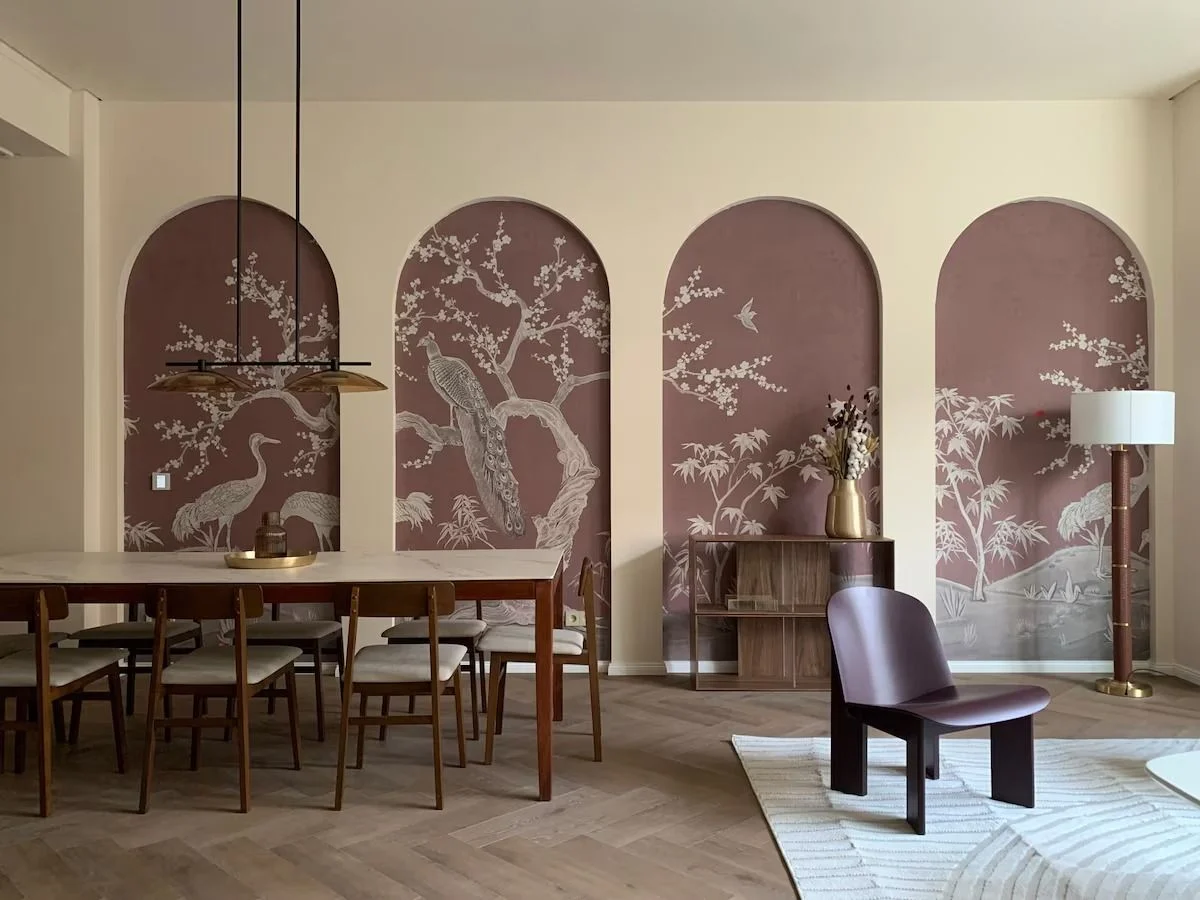
The Historical Context of Berlin’s Spatial Expression
The architectural identity of Berlin is defined by its layers. The "Altbau" apartments, characterized by their high ceilings, ornate stuccowork, and expansive floor plans, represent the prosperity of the Wilhelminian era. Conversely, the city’s industrial heritage is preserved in the cavernous factory buildings of districts like Treptow and Friedrichshain, many of which have been repurposed into residential lofts following the decline of manufacturing in the late 20th century.
Following the fall of the Berlin Wall in 1989, the city entered a period of "Zwischennutzung" or temporary use, where artists and squatters occupied vacant buildings, turning them into galleries and studios. This period solidified the neighborhoods of Kreuzberg and Neukölln as hubs of counter-culture. Today, that same creative energy is channeled into high-end design, where raw concrete and exposed brick meet museum-quality lighting and curated vintage collections. The current trend in Berlin’s short-term rental market reflects a shift toward "design-forward" tourism, where the accommodation is viewed as a central component of the cultural experience.
Quantitative Analysis of the Berlin Short-Term Rental Market
According to data from the Berlin Senate Department for Urban Development, Building, and Housing, the city has seen a significant professionalization of the short-term rental sector. While the "Mietendeckel" (rent cap) and subsequent regulations like the "Zweckentfremdungsverbot" (ban on the misappropriation of housing) have sought to protect long-term residents, a niche market for high-concept, design-centric apartments has flourished. Tourism statistics from VisitBerlin indicate that "cultural travelers"—those specifically seeking architectural and artistic immersion—now account for approximately 35% of the city’s international visitors. These travelers demonstrate a higher-than-average willingness to pay for properties that exhibit unique architectural features or historical significance.
Detailed Examination of Key Design-Forward Properties
The following analysis examines nine properties that exemplify the intersection of Berlin’s historical architecture and modern design sensibilities.
Numa Studio: Urban Efficiency in Mitte
Located in the geographical and political heart of the city, the Numa Studio in Mitte represents the modern evolution of the "aparthotel." In a district where real estate prices have surged by over 150% in the last decade, this property demonstrates the maximization of limited square footage. At approximately 300 square feet, the studio utilizes a neutral palette and textured accents to prevent visual congestion. Its proximity to the Museum Island and the luxury retail corridors of Friedrichstraße places it at the center of Berlin’s post-reunification commercial boom.
The Martin: Industrial Repurposing in Treptow
Situated in a former factory along the Spree River, The Martin is a 2,000-square-foot testament to Berlin’s industrial-to-residential conversion trend. The interior design utilizes arched alcoves and mural-style wallpapers to soften the inherent harshness of the factory’s "bones." This property reflects the broader development of the Treptow district, which has transitioned from an industrial peripheral zone to a sought-after residential area for those seeking proximity to green spaces like Treptower Park while maintaining connections to the creative hubs of Kreuzberg.
Designer Global Living Loft: The Role of Color Theory
In a city often associated with gray skies and concrete, the Designer Global Living Loft utilizes saturated tones and graphic patterns to create an energetic living environment. The property’s flexible layout, which includes sleeping areas integrated into the kitchen space, mirrors the "live-work" philosophy that defined Berlin’s artist communities in the 1990s. Analysts note that such bold design choices are increasingly common in the competitive rental market as a means of differentiation.
Key Loft 02: Spatial Innovation in Kreuzberg
Kreuzberg remains the city’s most iconic neighborhood for alternative culture. Key Loft 02 introduces a "cabin-in-a-loft" concept, using freestanding structures to define private spaces within a larger open-plan environment. This architectural strategy allows for privacy without sacrificing the communal feel of the loft. Set within a quiet courtyard, the property offers a reprieve from the dense urban activity of the Landwehr Canal area.
Small Lock Villa of Lanke: Historical Preservation in Brandenburg
Located just outside the city limits, this property is part of the historic Schloss Lanke estate. The park was designed by Peter Joseph Lenné, the preeminent Prussian landscape architect responsible for Berlin’s Tiergarten. The interior features a Bulthaup kitchen and vintage furnishings, blending 19th-century proportions with 21st-century luxury. This site highlights the growing trend of "metropolitan escape" tourism, where visitors seek historical depth in the Brandenburg countryside.
Stylish & Cozy City Apartment: The Altbau Aesthetic
This property emphasizes the "Altbau" (old building) features that are synonymous with Berlin’s residential charm. The inclusion of ceiling roses and large-format windows caters to the demand for light-filled, classic European interiors. Market research suggests that the "Altbau" remains the most coveted housing type for both residents and short-term visitors due to its perceived authenticity and craftsmanship.
City Studio at East Side Gallery: Proximity to History
Located adjacent to the longest remaining stretch of the Berlin Wall, this studio utilizes a "cozy-minimalist" aesthetic. The design relies on pale woods and textured glass to create a sense of serenity in a high-traffic historical zone. The property serves as a strategic base for travelers prioritizing historical education, given its location at the East Side Gallery.
Enchanting Loft in Friedrichshain: The Creative Legacy
Friedrichshain is a district defined by its transition from a working-class East Berlin neighborhood to a center for club culture and tech startups. This 1,500-square-foot loft maintains its original worn-in wood floors and soaring ceilings, embodying the "raw" aesthetic that first attracted the international creative class to Berlin. The inclusion of musical equipment and original artwork suggests a target demographic of professional creatives.
Luxury Apartment at Rosenthaler Platz: The Bauhaus Influence
Rosenthaler Platz is one of the city’s most active intersections. This apartment utilizes a "Bauhaus-lite" approach, incorporating primary colors and geometric forms against a neutral background. This design choice pays homage to the Bauhaus school’s 1919-1933 tenure in Germany, which revolutionized modern architecture by emphasizing function and simplicity.
Chronology of Berlin’s Architectural Influence
- 1871–1914: The "Gründerzeit" era leads to the construction of the iconic Altbau tenements.
- 1919–1933: The Bauhaus school establishes a new modern architectural language in Weimar, Dessau, and finally Berlin.
- 1945–1989: The division of the city leads to divergent architectural paths: Socialist Classicism in the East (Stalinallee) and Modernism in the West (Hansaviertel).
- 1990–2000: The "Wild East" period sees the repurposing of industrial ruins for artistic and residential use.
- 2010–Present: Berlin undergoes rapid gentrification and professionalization of the design-rental market, focusing on luxury lofts and boutique "living installations."
Broader Impact and Implications
The rise of these design-centric Airbnbs has broader implications for Berlin’s urban fabric. While they contribute to the city’s reputation as a "Creative City," they also play a role in the ongoing debate regarding housing affordability. Local advocacy groups have expressed concern that the conversion of traditional apartments into high-end "design lofts" for short-term use exacerbates the housing shortage for permanent residents.
However, proponents argue that these properties preserve the city’s architectural heritage by funding the restoration of historic buildings that might otherwise fall into disrepair. From a design perspective, these spaces act as a decentralized gallery system, showcasing the work of emerging artists and the ingenuity of local interior designers to an international audience.
As Berlin continues to evolve, the intersection of its historical "bones" and contemporary creative energy will remain its most significant draw. The properties highlighted in this analysis are not merely places to stay; they are case studies in how a city can maintain its soul while adapting to the demands of modern global tourism. The success of these "living installations" suggests that for the modern traveler, the distinction between the museum and the home is increasingly blurred, with Berlin leading the way in this new domestic frontier.