Danny Garick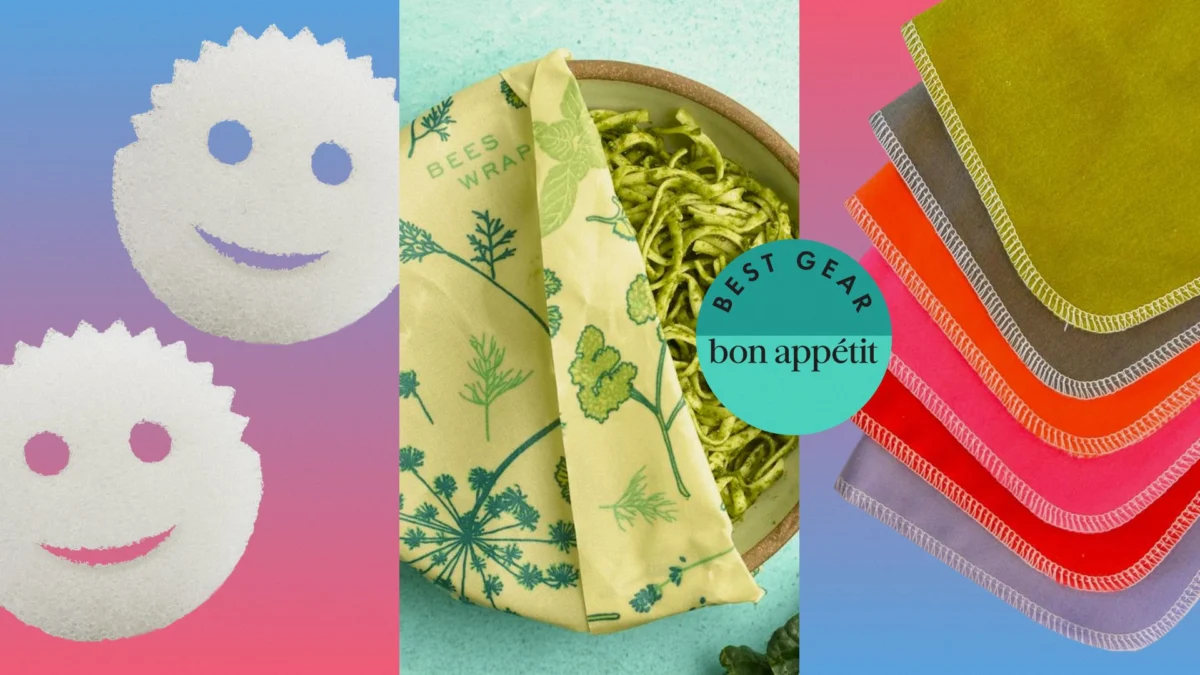
The modern domestic landscape is undergoing a significant transition as households pivot from a decades-long reliance on disposable commodities toward a more sustainable, "buy-once" philosophy. This shift is driven not only by environmental concerns regarding landfill waste and carbon footprints but also by a pragmatic desire for superior product performance and long-term economic efficiency. In the kitchen, a space traditionally dominated by single-use plastics and paper products, a new generation of reusable tools is redefining the standards of cleaning and organization. From high-performance silicone storage solutions to textile-based alternatives for paper towels, these products represent a move away from the "petri dish" cycle of low-quality sponges and the repetitive purchase of thin-gauge plastic wraps.
The Environmental and Economic Context of Kitchen Waste
To understand the necessity of durable kitchen alternatives, one must examine the scale of contemporary household waste. According to data from the Environmental Protection Agency (EPA), containers and packaging make up a significant portion of municipal solid waste, totaling over 82 million tons annually in the United States alone. Specifically, the consumption of paper towels has reached staggering proportions; industry reports estimate that the U.S. spends approximately $5.7 billion on paper towels each year, accounting for nearly half of the global market.
The environmental impact extends beyond the landfill. The production of traditional sponges—often made from polyurethane or other oil-based plastics—requires significant chemical processing and results in a product that cannot be recycled, frequently harboring bacteria and emitting microplastics into the water supply. Similarly, single-use plastic wraps and bags contribute to the growing crisis of oceanic plastic pollution. Market analysts suggest that the "zero-waste" kitchen movement is no longer a niche subculture but a burgeoning sector of the consumer goods market, as individuals seek to mitigate these impacts through strategic investments in high-quality, reusable gear.
A Chronology of Kitchen Utility: From Durability to Disposability and Back
The history of kitchen tools has followed a distinct arc. Prior to the mid-20th century, the kitchen was inherently a space of reusability, utilizing cloth rags, beeswax-treated linens, and glass containers. The post-World War II era introduced a radical shift toward "convenience culture," characterized by the mass production of cheap, disposable plastics and paper goods. This era prioritized time-saving and perceived hygiene through the "use and toss" model.

However, the early 21st century has seen a reversal of this trend. By the 2010s, increasing awareness of the "Great Pacific Garbage Patch" and the rising costs of recurring household expenses led to a resurgence in durable goods. This timeline reached a critical point during the global supply chain disruptions of 2020, where shortages of paper towels and cleaning supplies forced many consumers to adopt reusable alternatives. What began as a necessity has evolved into a preference for products that offer better tactile feedback, improved aesthetics, and superior durability.
Innovations in Textile and Material Science
The current market for reusable kitchen products is defined by innovations in material science that allow these items to outperform their disposable counterparts.
Marley’s Monsters UNpaper Towels: The Evolution of the Kitchen Rag
A primary entry point for many households is the transition from paper towels to flannel-based alternatives. Marley’s Monsters UNpaper Towels utilize a 100% cotton flannel construction. Unlike traditional paper towels, which rely on wood pulp fibers that weaken when saturated, cotton flannel becomes more absorbent after multiple wash cycles. The fibers "pill" slightly over time, creating a texture that more effectively traps spills and debris.
Data indicates that a single set of 24 reusable towels can replace thousands of paper sheets over its lifespan. While the initial investment of approximately $46 is significantly higher than a standard 12-pack of paper towels, the break-even point is typically reached within six to nine months of use. These towels are designed to cling together naturally on a standard roll holder, maintaining the familiar ergonomics of the kitchen while eliminating the recurring cost and waste.
Scrub Daddy Dye Free: Engineering Longevity in Abrasives
The traditional yellow-and-green sponge is notorious for its rapid degradation and susceptibility to odors. The Scrub Daddy, particularly the Dye Free version, utilizes a proprietary material known as FlexTexture. This foam is engineered to change its physical properties based on water temperature: it remains firm in cold water for heavy-duty scrubbing and softens in warm water for light cleaning.

Laboratory testing shows that this material is highly resistant to odors because it rinses clean more thoroughly than open-cell cellulose sponges. Furthermore, the absence of synthetic dyes reduces the chemical footprint of the product. The increased lifespan of the Scrub Daddy—lasting weeks or even months compared to the standard one-week cycle of cheap sponges—represents a significant reduction in the volume of non-recyclable waste entering the domestic waste stream.
Sustainable Food Storage and Organization Solutions
Effective kitchen management requires a balance between food preservation and spatial efficiency. Modern alternatives to plastic wrap and zip-top bags are now utilizing materials like beeswax and platinum silicone.
Bee’s Wrap: The Return of Waxed Linens
Bee’s Wrap offers a biodegradable alternative to polyethylene plastic wrap. Composed of organic cotton, beeswax, plant oil, and tree resin, these wraps use the warmth of the human hand to create a seal around food items or containers. The "Cut to Size" roll format allows for customization, ensuring that users only use exactly what is needed for specific tasks, such as wrapping cheese or covering produce. Unlike plastic wrap, which is derived from petroleum and is non-compostable, beeswax wraps can be washed in cold water and eventually composted at the end of their approximately one-year lifespan.
Stasher Bags: The Platinum Silicone Standard
In the realm of storage bags, Stasher has established a dominant market position by utilizing platinum-grade silicone. This material is non-porous and temperature-resistant, allowing it to transition from the freezer to the microwave, oven, or sous vide bath. Industry experts note that while the price point of roughly $15 to $20 per bag is high, the durability of the pinch-lock seal and the material’s resistance to staining and tearing make it a permanent fixture in the kitchen. Analysis suggests that a single silicone bag can prevent the use of several hundred disposable plastic bags per year.
OXO Good Grips Expandable Organizers: Maximizing Utility
Organization is a key component of a functional, low-waste kitchen. The OXO Good Grips Expandable Utensil Drawer Organizer addresses the issue of "disposable" organizing solutions—flimsy plastic trays that don’t fit and are eventually discarded. By utilizing an adjustable, sliding mechanism, this tool ensures a custom fit in varying drawer dimensions. The use of high-quality, BPA-free plastics and non-slip feet ensures that the organizer remains in place, reducing the wear and tear on both the drawer and the utensils stored within.

The Logistics of Concentrated Cleaning Solutions
One of the most significant shifts in the cleaning industry is the move toward "waterless" shipping. Traditional multi-purpose cleaners are composed of up to 90% water, leading to heavy shipping weights and excessive plastic bottle waste.
The Grove Co. Multi-Purpose Cleaner Starter Set exemplifies the "concentrate" model. By providing a durable glass bottle and small vials of concentrated cleaning agents, the company significantly reduces the carbon emissions associated with transportation. Consumers add their own tap water at home, creating a full-strength cleaner. This model not only reduces the number of plastic bottles entering the recycling system but also saves cabinet space. The formula’s reliance on essential oils and plant-based ingredients reflects a broader industry trend toward "green chemistry," which avoids the use of ammonia, chlorine, and synthetic fragrances.
Industry Response and Market Implications
The success of these reusable products has prompted a response from major retail conglomerates. Companies like Procter & Gamble and Unilever have begun exploring refillable packaging and concentrated formulas in response to the market share captured by specialized brands like Grove Co. and Stasher.
Retailers are also adjusting their inventory strategies. Target and Amazon have expanded their "sustainable" or "climate-pleasing" categories, highlighting products with third-party certifications such as B Corp status or FSC (Forest Stewardship Council) certification. Consumer advocacy groups have lauded these developments but caution against "greenwashing," urging buyers to look for products with proven durability and transparent supply chains.
Broader Impact and Future Outlook
The transition to reusable kitchen products has implications that extend beyond individual households. If adopted at scale, the reduction in single-use paper and plastic could lead to a measurable decrease in municipal waste management costs and a reduction in the demand for virgin timber and petroleum.

Furthermore, the "reusable revolution" encourages a shift in consumer psychology. By investing in tools that require care—such as washing flannel towels or rinsing beeswax wraps—consumers develop a more intentional relationship with their belongings. This "slow consumption" model is viewed by sociologists as a necessary component of a circular economy.
As material science continues to advance, the next generation of kitchen tools is likely to incorporate even more sophisticated bio-plastics and recycled textiles. The current suite of products—from Marley’s Monsters to Stasher—serves as a blueprint for a future where the kitchen is defined by efficiency and longevity rather than waste and recurring expense. The evidence suggests that the most effective way to manage a kitchen is not through the constant acquisition of "more stuff," but through the selection of the "right stuff"—items designed to perform reliably until they eventually, and safely, return to the earth.