Ronny Sianturi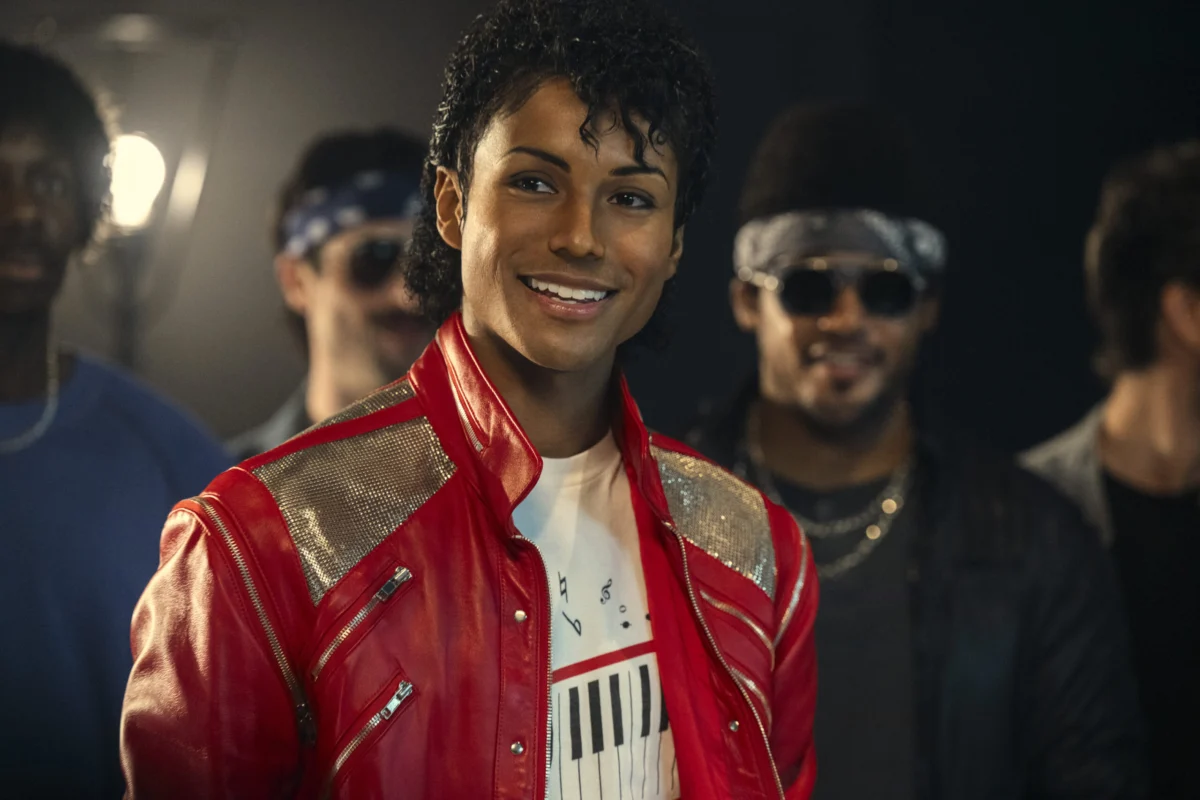
The highly anticipated Michael Jackson biopic, Michael, has begun to generate a stir on social media following its star-studded U.S. premiere in Los Angeles on Monday night. While the film received its world premiere in Berlin on April 10, initial reactions from American press have been largely absent from public platforms until now. The full slate of critical reviews is scheduled to be released on April 22, with the film slated for a global theatrical debut on April 24. This biographical drama, directed by Antoine Fuqua, promises to chart the extraordinary trajectory of the King of Pop, from his nascent days with the Jackson 5 to his meteoric rise as a solo global icon. A significant point of discussion surrounding the film has been its approach to the more complex and controversial aspects of Jackson’s life.
A Deep Dive into the Making of a Musical Legend
Michael is positioned as the definitive official biopic of the late Michael Jackson, aiming to capture the essence of his unparalleled musical journey. Produced by Graham King, who was instrumental in the success of the four-time Oscar-winning Bohemian Rhapsody, the film benefits from extensive rights to Jackson’s iconic music catalog. This access is crucial for a film that seeks to immortalize one of music’s most influential figures, whose discography boasts over 100 singles and numerous multi-platinum albums. The production’s budget, while not publicly disclosed, is presumed to be substantial, reflecting the scale and ambition of chronicling a life as impactful as Jackson’s.
The film’s narrative arc is set to cover Jackson’s early years performing alongside his brothers under the guidance of his father, Joe Jackson, a figure often cited as a pivotal, albeit demanding, influence on the group’s success. The story then transitions to his groundbreaking solo career, a period that redefined global pop music and established him as a cultural phenomenon. The question of how deeply the biopic will delve into the controversies that shadowed Jackson’s later life remains a central point of anticipation and speculation among audiences and critics alike.
A Family Affair: Casting and Performances
Headlining the cast is Jaafar Jackson, Michael Jackson’s nephew and the son of Jermaine Jackson, who takes on the monumental task of portraying the iconic singer during his transformative years. This casting choice underscores a deliberate effort to connect the film to the Jackson family legacy, potentially offering a unique insider perspective. Young Michael is portrayed by Juliano Krue Valdi, highlighting the film’s commitment to capturing Jackson’s evolution across different life stages.
The ensemble cast features a roster of established actors bringing to life the key figures in Michael Jackson’s orbit. Colman Domingo, an acclaimed actor known for his powerful portrayals, steps into the role of Joe Jackson, Michael’s father and manager. Nia Long, a respected actress with a significant presence in Hollywood, plays Katherine Jackson, Michael’s mother. Miles Teller, who has garnered praise for his versatility, portrays John Branca, a pivotal entertainment lawyer and manager associated with Jackson’s career.
Further enriching the cast are Lauren Farrier as music executive Suzanne de Passe, a key figure in the early success of Motown. Kendrick Sampson embodies the legendary producer Quincy Jones, whose collaborations with Jackson yielded some of his most iconic albums. Larenz Tate takes on the role of Motown founder Berry Gordy, a titan of the music industry. Liv Symone is cast as the soulful singer Gladys Knight, and Kevin Shinick portrays television icon Dick Clark, a prominent figure in broadcasting during Jackson’s rise to fame.
The film also meticulously recreates the presence of Michael’s brothers, with various actors portraying both younger and older versions of the Jackson 5 members. Jamal R. Henderson and Jayden Harville play Jermaine, with Tre Horton and Jaylen Lyndon Hunter portraying Marlon. Rhyan Hill and Judah Edwards step in as Tito, while Joseph David-Jones and Nathaniel Logan McIntyre portray Jackie. Jessica Sula is cast as Michael’s older sister, La Toya Jackson. Notably, Janet Jackson does not feature in the film, a decision that may reflect the narrative’s specific focus or potential estate considerations.
Early Social Media Buzz: A Spectrum of Reactions
The initial wave of social media reactions following the Los Angeles premiere paints a complex picture of the film’s reception. While there is a palpable sense of excitement and anticipation, the early comments reveal a divergence of opinions regarding the film’s depth and narrative choices.
Many reactions highlight the transformative performance of Jaafar Jackson. Comments such as "Jaafar Jackson is tremendous in MICHAEL, truly making you forget he isn’t the real thing. An off-the-charts performance" and "Jafaar Jackson is unreal in MICHAEL. I know the voice was assisted, but the demeanor and dance moves and overall presence is really amazing to watch" suggest that his portrayal is a significant draw. Another user stated, "Jaafar Jackson embodies MJ to perfection. The performances feel so real, you forget you’re watching a movie, it feels like you’re at a Michael Jackson concert." This widespread praise for Jaafar’s embodiment of his uncle indicates a strong connection to the spirit and physicality of the pop icon.
However, a recurring theme in some early reactions is a critique of the film’s perceived superficiality. One social media user remarked, "The rest of the movie is about as generic as you can get. Fans will love the musical performances, but there’s sadly no humanity behind them." Similarly, another comment read, "I usually enjoy a good music biopic but Michael is so boring and one-note, maybe because we already know MJ’s story and this is pretty much the Colman Domingo show… for the diehard fans only." This sentiment is echoed by a review stating, "#MichaelMovie is another formulaic biopic that’s more interested in shoving as many songs in front of you than exploring its central subjects in any sort of meaningful way."
There is also a noted observation about the film’s narrative scope and its potential avoidance of controversial elements. One user commented, "MICHAEL is an extraordinarily sanitized, overly audience-friendly music biopic that makes Bohemian Rhapsody look like a complex, nuanced character study. With the dramatic depth of a Wikipedia article, the film introduces but fails to even remotely explore fascinating aspects of…" This suggests a concern that the film may present a heavily curated version of Jackson’s life, possibly influenced by estate approvals or a desire for broad appeal. Another expressed, "Jaafar Jackson is a star to watch, but for a biopic about MJ breaking free from his father and trying to express himself creatively, #MichaelMovie feels controlled to the point that we can practically see the heads of his estate pulling the strings."
Conversely, some early reactions laud the film as a triumphant celebration. "MICHAEL is a must-see celebration of the King of Pop," one user declared, while another enthused, "#MichaelMovie is the best musical biopic I’ve ever seen, and it’s fitting for arguably the greatest performer of all time. What separates this film is the fact that Jaafar is LITERALLY MICHAEL. It’s insane." The performance of Colman Domingo as Joe Jackson has also received significant praise, with comments like "Colman Domingo is phenomenal. Deserves to be seen with a crowd" and "Colman Domingo is amazing as Joe Jackson. One of the best performances of his career."
The film’s visual and musical elements are frequently cited as strengths. One tweet noted the impact of a specific performance: "Media película pensando que la magia negra de los biopics musicales ya no tenía efecto en mí… hasta que llegó el número de Beat It, Michael se echó tres pasitos con flow y volvió a ser la perra de los biopics musicales. ¡Qué maldita leyenda es Michael Jackson, carajo!" This sentiment points to the enduring power of Jackson’s music and performance style.
Context and Chronology of the Film’s Release
The journey of Michael from conception to premiere has been a lengthy one. Development for a Michael Jackson biopic has been in motion for years, with various studios and production companies expressing interest. Lionsgate eventually secured the rights, partnering with Graham King, whose previous success with Bohemian Rhapsody made him a natural fit for such a high-profile musical biopic.
The initial announcement of the film generated considerable buzz, particularly regarding the casting of Michael Jackson himself. The decision to cast Jaafar Jackson, Michael’s nephew, was a significant development, signaling an intent to imbue the film with familial authenticity. Director Antoine Fuqua, known for his work on films like Training Day and The Equalizer, was brought on board to helm the project, bringing his distinct visual style and directorial acumen.
The film’s production faced the inherent challenges of depicting a life as scrutinized and complex as Michael Jackson’s. The creative team has had to navigate the delicate balance between artistic representation and factual accuracy, while also addressing the sensitive nature of certain allegations against Jackson. The acquisition of music rights was a critical step, allowing the film to feature the expansive catalog that defined Jackson’s career.
The world premiere in Berlin on April 10 provided the first public screening, with early reactions from international press beginning to surface. The subsequent U.S. premiere in Los Angeles on Monday night served as a more prominent platform for American media and industry figures to engage with the film. The official release date of April 24 is anticipated to be a major box office event, especially given Jackson’s enduring global popularity.
Broader Implications and Potential Impact
The release of Michael carries significant implications beyond its cinematic achievement. As the first official biopic sanctioned and supported by the Michael Jackson estate, the film is likely to serve as a definitive portrayal for a new generation of fans, while also offering a familiar touchstone for existing ones. The estate’s involvement suggests a carefully managed narrative, which could either reinforce Jackson’s legacy or, as some early reactions hint, lead to a more sanitized version of his life story.
The film’s box office performance will be closely watched as an indicator of the continued commercial appeal of Michael Jackson’s brand. Given that Bohemian Rhapsody grossed over $911 million worldwide, expectations for Michael are undoubtedly high. The success of musical biopics in recent years, including Rocketman and Elvis, has demonstrated a strong audience appetite for stories that blend music, drama, and the lives of iconic performers.
Furthermore, Michael has the potential to reignite discussions about Jackson’s artistic contributions, his innovative performance style, and his impact on popular culture. It also inevitably brings to the forefront the ongoing debates surrounding his personal life and the accusations that have shaped public perception. The film’s success or critical reception may influence how these complex narratives are understood and remembered.
The casting of Jaafar Jackson is particularly noteworthy. His performance is not only a personal undertaking but also a significant moment for the Jackson family’s continued presence in the entertainment industry. His ability to capture the essence of his uncle could pave the way for his own independent career, building upon the immense legacy of the Jackson name.
In conclusion, Michael arrives with the weight of immense expectation. The early social media reactions suggest a film that excels in its musical recreations and central performance but may face scrutiny regarding its narrative depth and its handling of controversial aspects of its subject’s life. As the film rolls out globally, its ultimate impact on Michael Jackson’s enduring legacy will be a story in itself, unfolding in theaters and across cultural discourse.