Ferry Irwandi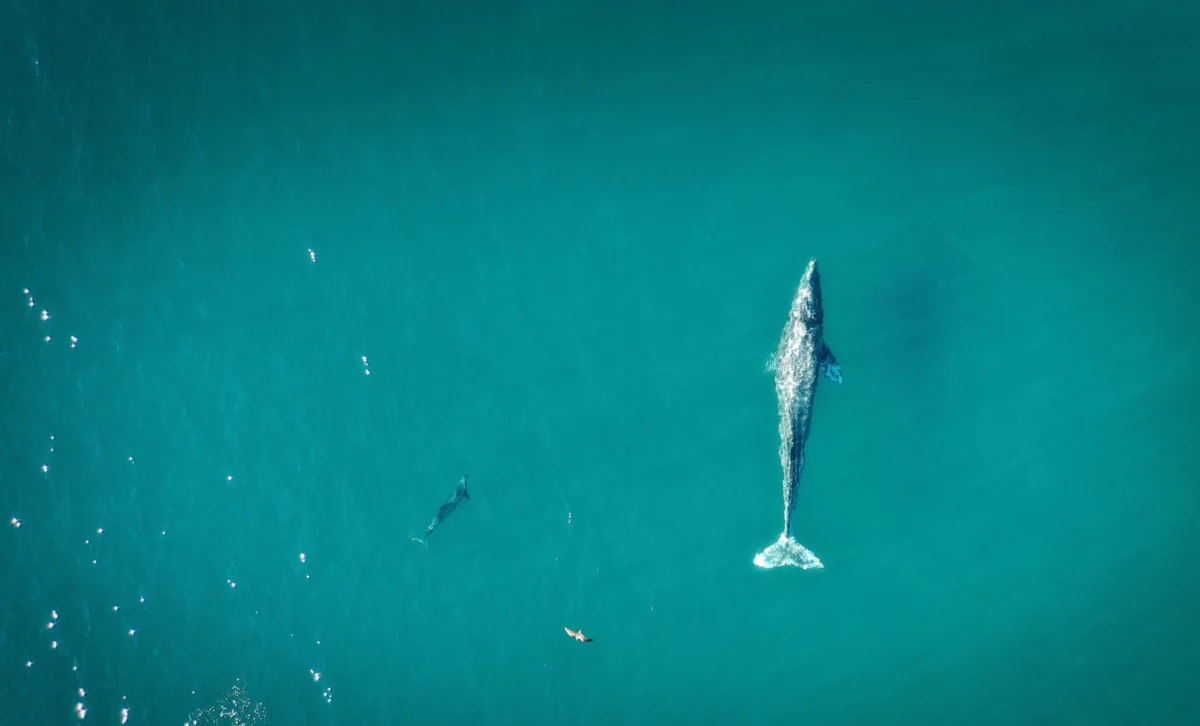
California’s 840-mile coastline serves as one of the most significant biological corridors in the world, offering a front-row seat to the migrations of some of the planet’s largest marine mammals. The state’s unique geography, characterized by deep submarine canyons and nutrient-rich upwellings, creates an ideal environment for diverse cetacean species. However, the success of a whale-watching expedition in the Golden State is inextricably linked to the intricate rhythms of animal patterns and seasonality. According to Josh Geller, a top travel specialist at Embark Beyond, wildlife viewing is most effective when it aligns with the natural movements of the species. From the massive blue whale to the acrobatic humpback, California’s waters host a rotating cast of giants throughout the year, making it a premier global destination for marine enthusiasts and researchers alike.
The Chronology of California’s Marine Migrations
The movement of whales along the Pacific Coast is a perennial cycle driven by the needs for feeding and reproduction. Understanding this timeline is essential for anyone seeking to witness these animals in their natural habitat.
Winter: The Gray Whale Odyssey
Beginning in December and peaking in January, the gray whale (Eschrichtius robustus) dominates the coastal waters. These mammals embark on a 10,000-to-12,000-mile round-trip journey from their feeding grounds in the Arctic’s Bering and Chukchi Seas to the warm lagoons of Baja California, Mexico. This trek represents the longest known migration of any mammal. During this period, observers may also encounter fin, humpback, or minke whales, which occasionally linger in the temperate California current.
Spring: The Northward Return
By March, the gray whales begin their journey back toward the nutrient-dense waters of the north. This season is particularly notable for sightings of mothers with calves, who often stay closer to the shoreline to avoid predators. In Northern California, this period also sees an increase in fin whale activity and the arrival of orcas (killer whales), which are known to patrol the deep waters near the continental shelf.
Summer: The Reign of the Blue Whale
As the water warms in the summer months, the focus shifts to Southern California. The blue whale (Balaenoptera musculus), the largest animal ever known to have existed, arrives to feed on the massive blooms of krill produced by coastal upwellings. These giants, which can reach lengths of up to 100 feet, are most frequently spotted in the deep basins off the coast of Orange and San Diego counties from June through August.

Fall: Humpbacks and Orcas
As autumn approaches, humpback whales become the primary attraction in Southern California, often displaying spectacular breaching behavior. Meanwhile, in Central California, particularly around Monterey Bay, orcas return in greater numbers, often following the migration patterns of other marine mammals that serve as their prey.
Monterey Bay: The Abyss and the Giants
Monterey Bay is widely regarded as the whale-watching capital of Central California, largely due to the presence of the Monterey Canyon. This submarine feature rivals the Grand Canyon in scale, reaching depths of over two miles. The proximity of such deep water to the shoreline allows deep-sea species to venture remarkably close to land.
Whale watching in Monterey is a year-round endeavor, but the species diversity fluctuates. January marks the height of the southward gray whale migration, while March sees the return swell. Humpback whales are a consistent presence from March through November, often seen lunging through the surface to feed on anchovies and sardines. Blue whales typically glide through these waters in the late summer and fall.
For those prone to motion sickness, the waters of Northern and Central California can be challenging. Experts recommend booking morning tours, as the afternoon winds tend to increase swell height and choppiness. Additionally, the region’s weather is notoriously unpredictable; storms can roll in quickly from the Pacific, necessitating layered clothing and waterproof gear. Beyond the boat tours, the area offers land-based education through the Monterey Bay Aquarium and the annual Whalefest on the wharf, which emphasizes marine conservation and science.
The Gulf of the Farallones: A Sanctuary of Diversity
Stretching along the coast of San Francisco and extending into the Pacific, the Greater Farallones National Marine Sanctuary encompasses 3,295 square miles of protected waters. This region is a critical feeding and breeding ground for at least 25 endangered or threatened species.
The sanctuary supports 36 marine mammal species, including blue, gray, and humpback whales, as well as Pacific white-sided dolphins, harbor seals, and elephant seals. It also hosts one of the southernmost populations of threatened Steller sea lions. The peak period for species diversity in the Gulf of the Farallones is from late December to May.

Prospective visitors should note a significant lull in activity from mid-November to mid-December. During this window, the previous season’s residents have often departed, while the winter migrants have yet to arrive in significant numbers. For those preferring land-based observation, the Point Reyes Peninsula and the Point Bonita Lighthouse offer elevated vantage points for spotting whale spouts and breaches without the need for a sea vessel.
Dana Point: The Global Epicenter of Cetacean Heritage
In Southern California, Dana Point has established itself as a world-class destination, recently dubbed the "dolphin and whale watching capital of the world." In 2021, the World Cetacean Alliance (WCA) designated Dana Point as the first Whale Heritage Area in the Americas. This prestigious title is awarded to locations that demonstrate a commitment to the protection and celebration of cetaceans through sustainable practices and community education.
Dana Point is unique for its high concentration of dolphins, boasting the highest density of these marine mammals per square mile in the world. The local waters are home to massive pods of common dolphins, as well as bottlenose, Risso’s, and Pacific white-sided dolphins.
The seasonal patterns in Dana Point mirror much of the state:
- Gray Whales: November through May.
- Blue and Humpback Whales: May through October.
- Year-Round Residents: Minke whales, fin whales, and various dolphin species.
The Southern California climate offers more consistent sunshine and calmer seas than its northern counterparts, making Dana Point an ideal entry point for first-time whale watchers or families.
Ethical Engagement and Conservation Standards
As whale watching grows in popularity, travel specialists and marine biologists emphasize the importance of "mindful" observation. The ocean is a workplace and a home for these animals, and human interference can disrupt vital behaviors such as feeding, mating, and resting.

Arielle Lightcap, a specialist at AdventureSmith Explorations, underscores that the activity is strictly "whale watching," not an invitation for interaction. "This is not an invitation for tourists to further approach or touch the animals," Lightcap states. She advises travelers to rely on the expertise of their guides, who are trained to maintain a respectful distance in accordance with the Marine Mammal Protection Act.
Practical etiquette for passengers includes:
- Securing Personal Belongings: Hats should be fastened with chin straps to prevent them from blowing into the water and becoming marine debris.
- Limiting Technology Use: While capturing a photograph is a common goal, experts suggest that "tinkering with gear" can cause visitors to miss the actual experience. Observation through the naked eye provides a more profound connection to the event.
- Environmental Stewardship: The principle of "leave no trace" applies to the ocean as much as it does to land-based parks.
Economic and Ecological Implications for the Golden State
The whale-watching industry is a significant contributor to California’s coastal economy, generating millions of dollars in revenue for local communities through tour bookings, hospitality, and retail. However, this economic benefit brings a responsibility for ecological preservation.
The designation of areas like the Greater Farallones and the Dana Point Whale Heritage Area reflects a broader shift toward eco-tourism—a model where tourism supports conservation rather than depleting resources. Data from marine sanctuaries suggest that public engagement through whale watching increases support for federal protections and climate change mitigation efforts.
As climate change alters ocean temperatures and currents, migration patterns are beginning to shift. Scientists monitor these changes closely, as a delay in the arrival of krill or a change in water temperature can force whales to travel further for food, impacting their overall health and reproductive success. By participating in responsible whale watching, the public becomes a witness to these changes, fostering a deeper societal commitment to protecting the Pacific’s most majestic inhabitants.