Reynand Wu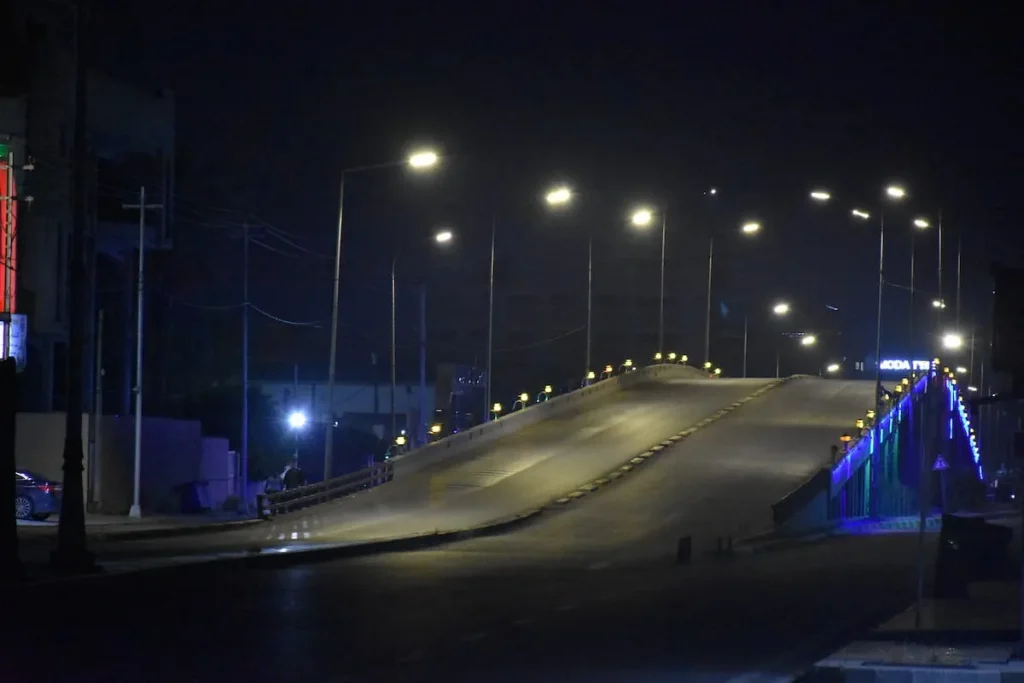
The COVID-19 pandemic, a global crisis that fundamentally reshaped societies, had profound and often unexpected consequences across every facet of human interaction, from daily social behaviors to civic engagement and protest movements. While the world grappled with an unprecedented public health emergency, a crucial question emerged within national security circles: what effect would this global upheaval have on more extreme behaviors, particularly terrorist activities perpetrated by groups such as the Islamic State of Iraq and Syria (ISIS)? Many armed non-state actors, including ISIS, vocally threatened to exploit the pandemic to further their destructive agendas, with ISIS notably referring to COVID-19 in its propaganda as the "smallest soldier of Allah on the face of the earth," a chilling declaration of intent to leverage global chaos.
Initially, the prevailing expert consensus and the stated ambitions of these groups suggested that the pandemic could present a unique and exploitable opportunity for extremist organizations. Governments worldwide were forced to divert immense resources—both financial and human—away from traditional security operations and counter-terrorism efforts. National budgets became overwhelmed by the demands of healthcare infrastructure, economic relief packages, and vaccine procurement. Simultaneously, security forces in many nations, particularly those in already fragile regions like the Middle East, found their personnel redeployed to assist with public health measures, enforce lockdowns, and manage logistical challenges related to the pandemic response. This redirection of focus and resources was widely anticipated to create a vacuum, or at least a significant weakening of state capacity, which armed groups could readily exploit to escalate their operations, recruit new members, and expand their territorial control. The sheer scale of the pandemic, coupled with its ability to sow fear and distrust in governments, seemed to provide fertile ground for extremist narratives and recruitment.
However, groundbreaking research by Dr. Dawn Brancati, a senior lecturer in political science at Yale University, and her colleagues revealed a counter-intuitive and critically important finding. Their comprehensive study, published in the American Political Science Review, demonstrated that the pandemic did not generally lead to an increase in ISIS attacks. Instead, the stringent lockdown measures implemented in response to the pandemic actually reduced the frequency of ISIS attacks across key operational territories including Egypt, Iraq, and Syria. This unexpected outcome challenges initial assumptions and offers a nuanced understanding of how global health crises can intersect with the dynamics of extremist violence.
The research further elucidated that the suppressive effect of lockdowns was particularly pronounced in specific geographical contexts. Densely populated urban areas experienced a significant decline in attacks, as did regions situated outside ISIS’s traditional strongholds or "base of operations." These findings suggest that the efficacy of lockdown measures against extremist groups is not uniform but rather contingent on the operational environment and strategic vulnerabilities of the particular organization. The mechanisms through which these reductions occurred are multifaceted and provide valuable insights into the logistical and tactical dependencies of terrorist organizations.
The Operational Impact: How Lockdowns Thwarted Terrorist Tactics
The primary way in which lockdowns inadvertently hampered ISIS operations was by drastically altering the social context and physical environment upon which the group relies. By taking people off the streets and confining them to their homes, the lockdowns effectively removed the "physical cover" that ISIS operatives frequently utilize for their activities. In urban settings, the anonymity provided by bustling crowds, busy marketplaces, and dense civilian traffic is crucial for planning, executing, and escaping after attacks. With streets emptied and public life grinding to a halt, the visibility of any suspicious activity increased dramatically, making it far more challenging for operatives to move undetected, conduct surveillance, or plant explosives without drawing attention. This lack of human shield and observational camouflage directly undermined a fundamental aspect of their operational security.
Furthermore, the cessation of normal civilian life eliminated many of the "high-value targets" that ISIS often seeks to exploit. Markets, public transport hubs, cultural events, religious gatherings, and other places where large numbers of civilians congregate ceased to exist during peak lockdown periods. The absence of these readily available, high-impact targets diminished the opportunities for ISIS to inflict mass casualties and generate the widespread terror and media attention that are central to its psychological warfare strategy. The very fabric of public interaction, which terrorist groups exploit for both operational cover and target selection, was temporarily dismantled.
Beyond tactical considerations, the lockdowns also had a significant, albeit perhaps not entirely debilitating in the long term, impact on ISIS’s revenue streams. Terrorist organizations, much like conventional criminal enterprises, rely on a variety of illicit economic activities to fund their operations. These can include extortion, smuggling (of goods, people, and resources like oil), illicit trade, and various forms of taxation levied on local populations. The widespread closure of businesses, disruption of trade routes, and severe restrictions on travel and movement during lockdowns undoubtedly curtailed many of these illicit revenue-generating activities. While the research acknowledged that these measures were not in place long enough to entirely deplete ISIS’s substantial financial reserves, the disruption to their cash flow would have nonetheless posed a considerable operational challenge, potentially limiting their ability to purchase weapons, pay fighters, or fund propaganda efforts.
A Comparative Lens: ISIS’s Resilience vs. Other Armed Groups
Despite the significant impact of the lockdowns, the research also highlighted a crucial distinction: the pandemic measures posed less of a challenge to ISIS than they likely did to most other armed groups operating globally. This finding underscores the unique characteristics and operational model of ISIS, which affords it a degree of resilience even in the face of unprecedented societal disruption.
Several factors contribute to ISIS’s relative robustness. Firstly, ISIS is known to possess substantial financial reserves, accumulated through years of controlling oil fields, extorting populations, and engaging in illicit trade. These reserves provide a buffer against temporary disruptions to their ongoing revenue streams, allowing them to weather short-term economic shocks more effectively than groups with more precarious financial situations.
Secondly, a significant portion of ISIS’s operations and presence is concentrated in largely rural and remote areas. While they do conduct urban attacks, their territorial control and logistical networks often span vast, sparsely populated regions where government presence is minimal and the direct impact of urban-focused lockdowns is less profound. In these rural zones, where communities are often more self-sufficient and less integrated into formal economies, the disruption to daily life and movement might have been less severe than in bustling cities.
Thirdly, while ISIS does target civilians, it also engages extensively in direct conflict with state security forces and rival armed groups. Its operational model is not exclusively reliant on mass-casualty civilian attacks in urban centers, unlike some other terrorist organizations that primarily function through urban bombings or assassinations. This diversified approach means that the elimination of high-value civilian targets in urban areas, while impactful, did not entirely cripple their broader operational strategy, which also includes insurgency tactics and territorial control in more remote regions.
In contrast, many other armed groups possess much smaller financial reserves, making them far more vulnerable to economic disruptions caused by lockdowns. Furthermore, a substantial number of these groups operate predominantly in urban environments, where they rely heavily on the cover of civilian populations and target civilians much more frequently. For such groups, the impact of widespread lockdowns—which strip away anonymity, eliminate targets, and disrupt local economies—would likely have been even more devastating than it was for ISIS, potentially leading to more significant reductions in their operational capacity and attack frequency.
Chronology of a Crisis and its Unforeseen Outcomes
The timeline of these events unfolds against the backdrop of the pandemic’s global progression:
- Late 2019 – Early 2020: The emergence of SARS-CoV-2 in Wuhan, China, and its rapid spread across continents.
- March 2020: The World Health Organization declares COVID-19 a pandemic. Governments worldwide begin implementing unprecedented lockdown measures, including travel bans, business closures, and stay-at-home orders. It is during this period that ISIS issues its propaganda referring to COVID-19 as "Allah’s smallest soldier," signaling its intent to capitalize on the crisis.
- April – June 2020: The peak of severe lockdown measures in many countries, including Iraq, Syria, and Egypt. Security experts and counter-terrorism officials express significant concerns about the potential for armed groups to exploit the global chaos and weakened state capacities.
- Mid-2020 – Early 2021: While initial fears of a surge in terrorist activity persist, anecdotal evidence begins to emerge from some regions suggesting a slowdown. Researchers, including Dr. Brancati’s team, commence in-depth analysis of attack data against the backdrop of lockdown implementation.
- Late 2021 – 2022: The research findings are published, revealing the unexpected reduction in ISIS attacks attributable to lockdown measures, offering a critical re-evaluation of the pandemic’s security implications.
Statements and Implications: A Shift in Understanding
The findings of this research offer a vital contribution to the understanding of extremist violence and counter-terrorism strategies. While no specific official statements directly confirming the lockdown’s suppressive effect on ISIS were widely released by governments during the pandemic, the research likely resonated within security and intelligence communities.
Security analysts, who initially focused on the threats posed by diverted resources and state vulnerability, would find these results compelling. The counter-intuitive nature of the findings—that an event perceived as an opportunity for terrorists actually hampered them—underscores the complexity of non-state actor dynamics. It suggests that while extremist groups are ideologically driven, they are also highly pragmatic and dependent on operational environments that facilitate their violence.
For counter-terrorism officials in affected nations like Iraq, Syria, and Egypt, the research provides a retrospective validation of the unintended benefits of stringent public health measures. It implicitly highlights the efficacy of disrupting the physical and social infrastructure that enables terrorist operations, even if such disruption was not its primary intent. This could inform future strategies, emphasizing the importance of denying operational space and disrupting revenue streams, potentially through localized, intelligence-led interventions that mimic some of the effects of broader lockdowns without their widespread societal cost.
Humanitarian organizations, which bore witness to the immense suffering and societal disruption caused by both the pandemic and ongoing conflicts, would likely view these findings as a complex mixture of relief and concern. While a reduction in attacks is positive, the underlying conditions of instability and the resilience of groups like ISIS remain pressing issues.
Broader Impact and Future Implications
This research fundamentally reshapes our understanding of the social context and opportunities that fuel extremist violence. It demonstrates that despite their propaganda and seemingly unyielding determination, even a sophisticated terrorist organization like ISIS is ultimately constrained by the same societal forces and physical realities that govern civilian life. The notion that "even a terrorist group such as ISIS was locked down by the pandemic like everyone else" is a powerful testament to the pervasive reach of global crises.
The implications for counter-terrorism strategies are significant. Instead of solely focusing on ideological de-radicalization or direct kinetic action, this study suggests the potent impact of disrupting the practical elements of terrorist operations: their ability to move, gather, target, and finance themselves. Urban planning, population control measures (in extreme circumstances), and sustained efforts to disrupt illicit economies could be considered more powerful tools than previously understood, especially when integrated into broader counter-terrorism frameworks.
Furthermore, the research underscores the often unforeseen and multi-layered consequences of global crises. The COVID-19 pandemic, while a public health catastrophe, inadvertently provided a temporary respite from certain forms of extremist violence in specific regions. This highlights the need for interdisciplinary approaches to global security, recognizing that health crises, economic downturns, and climate change can all have profound and complex ripple effects on conflict dynamics and the behavior of non-state actors.
In conclusion, the unexpected finding that COVID-19 lockdowns reduced ISIS attacks offers a critical lesson: extremist violence, while driven by ideology, is deeply intertwined with social context and operational opportunity. The pandemic, initially feared as a boon for terrorism, became an unlikely obstacle, revealing the intricate vulnerabilities of even the most formidable non-state actors. As the world navigates future global challenges, understanding these complex interdependencies will be crucial for developing more effective and adaptive security strategies.