Prabowo Widodo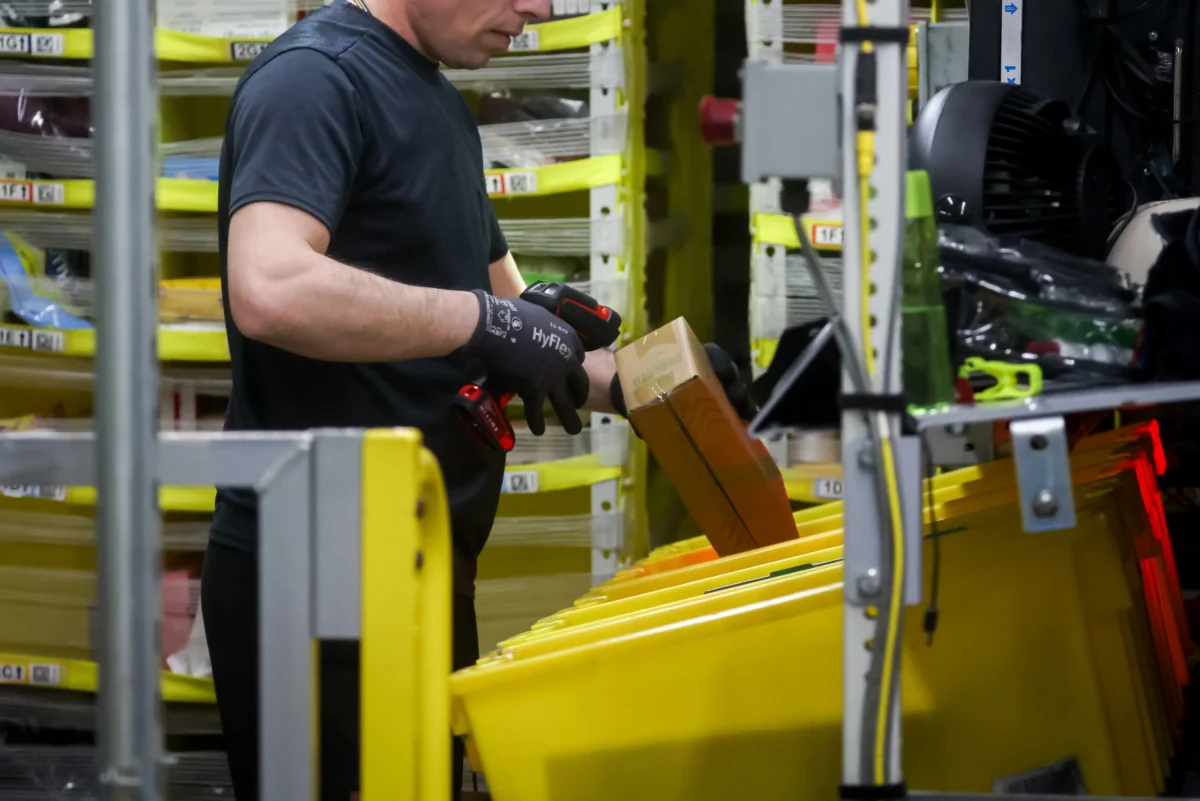
A somber cloud has descended upon Amazon’s Troutdale, Oregon, fulfillment center, PDX9, following the confirmation of an employee’s death at the facility last week. The incident, which saw a worker collapse and pass away on the job, has reignited a fierce debate and intensified existing scrutiny over the e-commerce giant’s workplace safety practices, particularly within its demanding warehouse environments. This fatality is not an isolated event but rather another critical point in a long-standing narrative of concern surrounding the physical and mental toll of working within Amazon’s vast logistical network.
The Incident and Immediate Aftermath
The tragic event unfolded at the PDX9 warehouse, located in Troutdale, a city approximately 15 miles east of Portland. While specific details surrounding the exact time and cause of death remain under official investigation, reports from The Western Edge, an independent investigative news outlet covering the Pacific Northwest, indicate that the worker collapsed on the floor. Disturbingly, the report suggests that operations at the massive facility continued around the deceased employee for a period, with other workers reportedly continuing their shifts in close proximity to the unfolding tragedy. This particular detail, if corroborated, underscores a deeply troubling aspect of the high-pressure, continuous-operation environment often associated with Amazon’s fulfillment centers.
Following the incident, local emergency medical services and the Multnomah County Sheriff’s Department were dispatched to the scene. The immediate priority was to address the medical emergency, though tragically, efforts to revive the employee were unsuccessful. In the wake of the death, Amazon initiated its standard protocols for such incidents. Employees at the PDX9 facility were reportedly sent home early on the day of the incident, receiving pay for the remainder of their scheduled shifts. Furthermore, the subsequent night shift was canceled, with affected employees also compensated for their missed work, according to company statements.
Worker Testimonies and Environmental Concerns
The incident quickly became a topic of discussion among Amazon fulfillment center employees, particularly on online forums like Reddit. Several individuals claiming to be workers at the PDX9 facility shared their immediate observations and concerns. A recurring theme in these testimonies was the issue of heat within the warehouse. Employees speculated that the building had been uncomfortably hot, a condition they attributed to the recent installation of soundproof curtains, which they believed had significantly restricted airflow within the expansive facility.
The combination of strenuous physical labor inherent in fulfillment center work and elevated internal temperatures led many employees to speculate that heat could have been a contributing factor to their colleague’s death. The nature of warehouse work, involving constant movement, lifting, and sorting of packages, is physically demanding even under optimal conditions. When combined with potentially inadequate ventilation or high ambient temperatures, the risk of heat-related illness or exacerbation of underlying health conditions can increase significantly. Adding to the workers’ concerns, some employees reportedly noted that the building felt noticeably cooler when they returned to work the following day, suggesting that measures to improve airflow or reduce temperatures might have been implemented in the interim.
Official Responses and Initial Investigations
In response to inquiries, Amazon spokesperson Sam Stephenson confirmed the passing of the team member. "We’re deeply saddened by the passing of a member of our team, and our thoughts and deepest sympathies are with their loved ones during this difficult time," Stephenson stated to TechCrunch. "We’ve been in touch with his family and have provided resources to support them. For employees at our PDX9 facility, we’ve provided onsite grief counselors and additional support. We’re thankful for the work of the Multnomah County Sheriff’s Department and local emergency medical services."
Despite the immediate concerns raised by employees regarding the potential role of workplace conditions, Amazon stated that Oregon’s Occupational Safety and Health Administration (OSHA) had determined the incident to be "non-work related." This initial finding from OSHA is significant as it suggests that, based on their preliminary assessment, the death was not directly caused by or arising from the conditions or nature of the work performed at the warehouse. However, such initial determinations are often subject to further review and can be challenged, particularly if new evidence emerges or if worker advocacy groups press for a more thorough investigation into contributing factors. OSHA’s role is to ensure safe and healthy working conditions, and their investigations typically involve reviewing medical reports, interviewing witnesses, and examining the workplace environment.
A History of Concern at PDX9 and Beyond
The Troutdale PDX9 warehouse has long been a focal point of concern regarding workplace safety and conditions. Its reputation for harsh working environments is not new. In 2018, an investigation conducted by Reveal, an investigative journalism outlet, shed light on the facility’s alarming injury rates, finding that a staggering 26% of employees at PDX9 had sustained injuries. This figure was considerably higher than the industry average and raised serious questions about the pace of work, training, and safety protocols in place at the time.
Beyond PDX9, Amazon’s fulfillment centers nationwide have consistently faced criticism for their safety records. A report based on 2024 OSHA data, compiled by the Strategic Organizing Center (SOC), highlighted that Amazon’s fulfillment centers report serious injuries at a rate more than double the warehouse industry average. This persistent disparity points to systemic issues that extend beyond individual facilities, suggesting that the company’s operational model, which prioritizes speed and efficiency, may inadvertently contribute to a higher risk environment for its workers. Serious injuries, as defined by OSHA, are those that require medical treatment beyond first aid, result in lost workdays, restricted work, or job transfer.
The nature of these injuries often includes musculoskeletal disorders (MSDs), sprains, strains, and fractures, frequently attributed to repetitive motions, heavy lifting, and the relentless pace of work driven by performance metrics. Workers often report feeling pressured to meet demanding quotas, which can lead to skipping safety precautions or working through pain to avoid disciplinary action.
Federal Probes and Allegations of Data Manipulation
Amazon’s workplace safety practices have not only drawn the attention of journalists and worker advocates but have also become the subject of multiple probes by federal agencies and prosecutors. These investigations delve into serious allegations, including claims that the company has manipulated data and failed to properly document workplace injuries.
In 2022, the U.S. Department of Labor’s OSHA initiated several investigations into Amazon warehouses across multiple states, issuing hazard alert letters for various sites due to concerns over worker safety. OSHA investigators alleged that Amazon’s intense work pace, coupled with inadequate training and medical care, contributed to high rates of musculoskeletal injuries. These investigations highlighted a pattern of violations, including failures to provide a workplace free from recognized hazards that were causing or were likely to cause death or serious physical harm.
Further escalating the legal and regulatory pressure, the United States Attorney’s Office for the Southern District of New York launched an ongoing criminal investigation into workplace safety at Amazon warehouses. This probe, which began in 2022, specifically focuses on whether Amazon “systematically concealed” information about workplace injuries and the company’s safety record from federal regulators and the public. Allegations suggest that Amazon may have deliberately underreported injuries or misclassified them to appear safer than it actually was. Such actions, if proven, could have significant legal ramifications for the company and its executives.
Adding another layer of scrutiny, the Senate Committee on Health, Education, Labor, and Pensions (HELP) also launched its own investigation into Amazon’s safety practices. Led by Senator Bernie Sanders, the committee has been examining Amazon’s injury rates, particularly concerning data manipulation, and the company’s broader corporate culture regarding worker well-being. These multi-pronged federal investigations signify a heightened level of concern from various government bodies, underscoring the seriousness of the allegations and the potential for far-reaching consequences.
Amazon’s Stated Commitment and Investments in Safety
In response to the mounting criticism and investigations, Amazon has consistently affirmed its commitment to worker safety. The company often highlights its efforts and investments aimed at improving conditions across its vast network of fulfillment centers. Amazon claims to have seen a 43% reduction in its global recordable incident rate since 2019. The "recordable incident rate" is a key metric that tracks any work-related injury requiring more than basic first aid.
According to Amazon, this reduction is a direct result of substantial investments in safety improvements. The company states it has invested more than $2.5 billion in safety initiatives since 2019, with hundreds of millions of dollars allocated for safety enhancements in 2024 alone. These investments reportedly cover a range of areas, including:
- Technology and Automation: Implementing new robotic systems and ergonomic tools designed to reduce repetitive strain and heavy lifting for human workers.
- Process Improvements: Redesigning workflows and tasks to minimize physical exertion and reduce the risk of common injuries.
- Training and Education: Enhancing safety training programs for new and existing employees, focusing on proper lifting techniques, equipment operation, and hazard recognition.
- On-site Medical Support: Providing access to health and safety professionals, including nurses and injury prevention specialists, at many fulfillment centers.
- Safety Leadership and Culture: Promoting a culture where safety is prioritized, encouraging employees to report hazards and participate in safety committees.
Despite these stated efforts and investments, the persistent high injury rates relative to the industry average, coupled with the ongoing federal investigations and tragic incidents like the one at PDX9, suggest that significant challenges remain. Critics argue that while investments are welcome, they may not fully address the underlying pressures of productivity quotas and the fast-paced work environment that some believe are inherent to Amazon’s operational model.
The Broader Implications and Ongoing Questions
The death of the employee at the Troutdale warehouse serves as a stark reminder of the human cost sometimes associated with the demands of modern e-commerce and logistics. It forces a critical examination of the balance between efficiency, delivery speed, and worker well-being. The incident is likely to intensify calls from worker advocacy groups and labor unions for stricter oversight, more robust safety regulations, and potentially greater collective bargaining power for Amazon employees.
For Amazon, this tragedy, coming amidst ongoing federal investigations, poses significant reputational and legal risks. While the company has provided its condolences and outlined its support for the family and employees, the initial OSHA finding of a "non-work related" death will undoubtedly be met with skepticism by some, especially given the history of concerns at PDX9 and Amazon’s broader safety record. The question of whether workplace conditions, even if not directly causing the death, could have exacerbated an underlying health issue or contributed to the circumstances leading to the collapse, will likely persist.
The incident underscores the complex interplay of factors that contribute to workplace safety: environmental conditions, ergonomic design, training, management practices, and the relentless pressure of productivity. As the retail landscape continues to evolve, driven by consumer expectations for rapid delivery, the challenge for companies like Amazon will be to demonstrate unequivocally that speed and efficiency do not come at the expense of their workers’ health and safety. The outcome of the ongoing federal investigations and the public’s perception will ultimately determine the long-term impact of these critical incidents on Amazon’s future operations and its standing as a global employer. The Troutdale tragedy, therefore, is not merely an isolated event but a potent symbol in the continuing narrative of labor conditions in the digital age.